The Set-It-and-Forget-It Crockpot Pot Roast (Dinner That Runs Itself)
A fall-apart tender beef chuck roast slow-cooked for 8 hours with root vegetables, herbs, and a rich braising liquid that turns into its own gravy. We broke down the most-watched crockpot dinner videos to find the exact technique that delivers deep flavor without hovering over the stove.
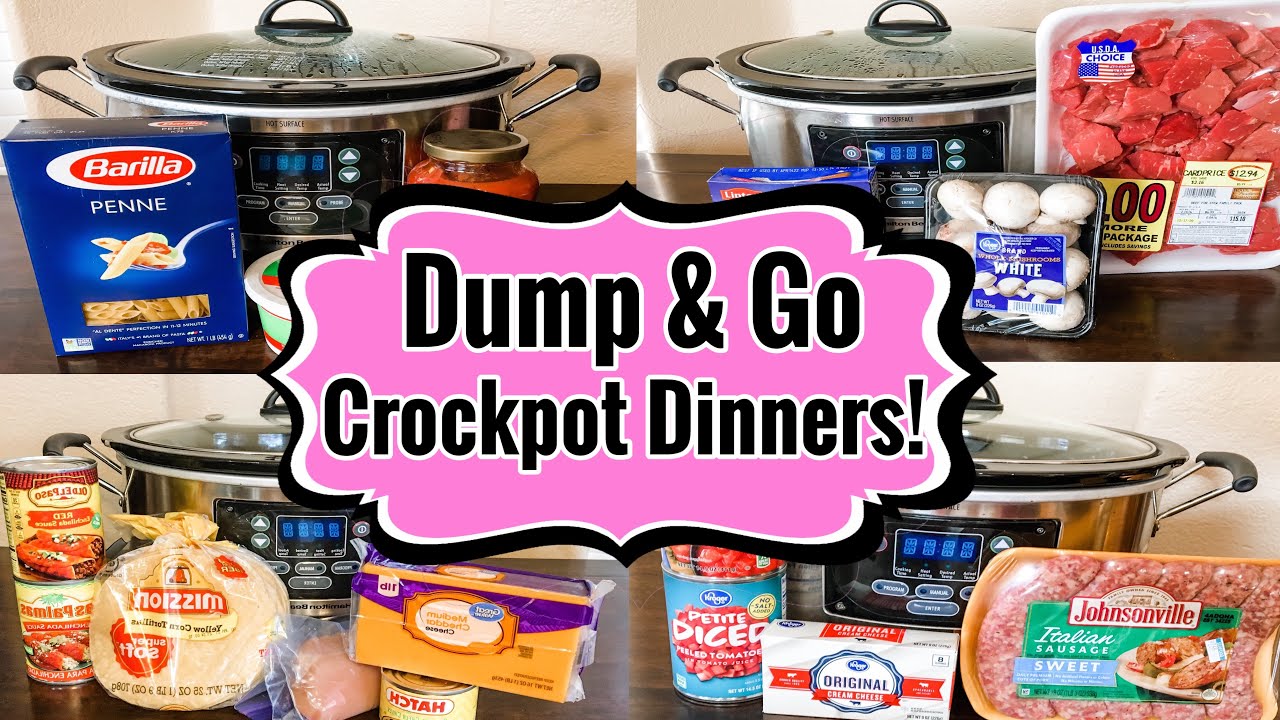
“The slow cooker is the most underestimated piece of equipment in the modern kitchen. Load it in the morning and walk away. Come home to something that tastes like it simmered under a professional chef's supervision all day. The problem is that most crockpot pot roast recipes skip the one step that separates a great result from a gray, flavorless slab of beef: the sear. We pulled apart the most-watched slow cooker dinner videos to find out exactly what the best ones do differently — and the answer is almost always the same thing.”
Why This Recipe Works
The slow cooker is not a lazy appliance. It is a precision instrument that exploits a specific set of physical principles to transform the cheapest, toughest cuts of beef into something that costs four times as much in a restaurant. The problem is that most slow cooker recipes treat it like a dumping ground — throw everything in raw, set it to low, and hope. That approach produces food that is edible but never remarkable. Understanding why the slow cooker does what it does — and what it cannot do on its own — is the difference between a forgettable weeknight dinner and the kind of pot roast that gets requested by name.
Collagen Is the Whole Point
Chuck roast is cheap for a reason. It comes from the shoulder — a muscle that does a tremendous amount of work on a living animal, which means it's dense with collagen, the structural protein that makes tough cuts tough. Collagen does not respond well to high heat. Cook chuck roast at 400°F in the oven and you get something that could sand drywall. But held at a sustained low temperature — 190-210°F for 8 hours — collagen undergoes a transformation called hydrolysis. The long protein chains break down into gelatin, a short-chain molecule that is soluble in water and has a rich, silky, lip-coating texture. That pull-apart, melt-in-your-mouth quality people associate with great pot roast is not tenderness — it's gelatin. And the only way to get there is low heat and time. The slow cooker is engineered to do exactly this.
The Case for the Sear
Here is the part of the recipe that most weeknight cooks skip and most restaurant cooks never would: the sear. A cast iron skillet heated to near-smoking, a dry-rubbed roast laid in without moving it for four minutes per side, and the Maillard reaction does the rest. At temperatures above 300°F, the amino acids and sugars on the surface of the meat recombine into hundreds of new flavor compounds — pyrazines, furans, melanoidins — that produce the complex savory, slightly caramelized, deeply meaty flavor that distinguishes a proper roast from poached beef. The slow cooker cannot generate these compounds. Its maximum temperature is 210°F — not hot enough for Maillard chemistry. The sear happens in a skillet or it doesn't happen at all. Eight minutes of work creates flavors that eight hours of low-and-slow cooking preserves and distributes but cannot create from scratch.
The fond — the dark, sticky residue left in the skillet after the sear — is additional concentrated flavor. Deglazing the pan with a splash of broth and scraping it into the slow cooker adds another layer of depth that you get for free, requiring only the thirty seconds it takes to splash liquid into a hot pan.
Liquid Logic in a Sealed Environment
A conventional braise in a Dutch oven in the oven works by evaporation and reduction. You start with more liquid than you need and the oven heat drives off moisture, concentrating flavors as the cook progresses. A slow cooker is a sealed environment. Almost no liquid evaporates. This means the liquid you start with is essentially the liquid you finish with — plus every drop that comes out of the meat and vegetables as they cook. Chuck roast is approximately 65% water by weight. A three-pound roast releases nearly a cup of liquid on its own. Add the moisture from the carrots, celery, and onions and you have more than enough braising liquid without any additional broth at all. The single cup of broth in this recipe exists to ensure there's enough liquid to keep the pot roast moist from the first hour, not because the finished dish needs it. More than that and you're making soup.
The Vegetable Architecture
The order in which vegetables are loaded into a slow cooker is not arbitrary. Root vegetables — potatoes, carrots, parsnips — require sustained heat to break down. They go on the bottom, closest to the heating element. The roast goes on top, resting on the vegetables, which lifts it slightly off the bottom to prevent direct-contact scorching. Softer aromatics like onion and celery go around the edges where the heat is less intense. The herb sprigs get tucked along the sides rather than buried under the roast, so their volatile aromatic oils can diffuse upward through the braising liquid and into the meat from below. The architecture of the cooker is a heat map, and every placement decision is a response to that map.
Eight hours later, you have dinner that cooked itself.
Where Beginners Mess This Up
Before we start, read this. These are the 4 reasons your the set-it-and-forget-it crockpot pot roast (dinner that runs itself) will fail:
- 1
Skipping the sear: This is the single most common crockpot mistake. A quick 3-4 minute sear per side in a screaming-hot cast iron pan creates a Maillard crust that contributes deep, complex flavor the slow cooker cannot generate on its own. Slow cooking only braises — it does not brown. An unseared roast tastes boiled. A seared roast tastes roasted. The 8 minutes of extra work are worth it every single time.
- 2
Adding too much liquid: A slow cooker is a sealed, low-evaporation environment. Unlike an oven braise where liquid reduces as it cooks, a crockpot traps every drop of moisture that comes out of the meat and vegetables. If you fill it to the top with broth, you end up with watery soup, not concentrated braising liquid. One cup of liquid is enough. The beef and vegetables contribute the rest.
- 3
Opening the lid to check on it: Each time you lift the lid, the slow cooker loses 20-30 minutes of accumulated heat. What should be an 8-hour cook becomes a 10-hour cook. Set it. Walk away. Check it once at the 7-hour mark. That is all.
- 4
Using the wrong cut of beef: Lean cuts like sirloin or tenderloin turn dry and chalky after 8 hours of moist heat. You need a cut with high collagen content — chuck roast, brisket, or short ribs. The collagen breaks down into gelatin over the long cook, giving you that silky, pull-apart texture. Do not try to 'make it healthier' by using a lean cut. The fat is the mechanism.
The Video Reference Library
Want to see it in action? Here are the exact videos we analyzed and combined to build this foolproof recipe translation:
The source video that breaks down the complete slow cooker dinner method with attention to liquid ratios and the sear technique. Essential viewing before your first attempt.
A focused breakdown of why chuck roast outperforms every other cut in the slow cooker, with a clear visual guide to the collagen-breakdown texture you're targeting.
Covers common crockpot failures including the over-liquid problem and the lid-lifting mistake. Useful for anyone who has made 'fine but forgettable' crockpot dinners and wants to understand why.
🛠️ Core Equipment
- 6-quart slow cookerSize matters for a pot roast. A 4-quart cooker will crowd a 3-pound roast, forcing the meat to steam unevenly. A 6-quart gives the roast room to sit without touching the walls, ensuring even heat circulation around the entire piece.
- Cast iron skilletFor the sear. A [cast iron skillet](/kitchen-gear/review/cast-iron-skillet) retains heat at extremely high temperatures without hot spots. Nonstick pans cannot reach the heat needed for a proper Maillard crust and will warp. Stainless steel works, but cast iron is ideal.
- TongsFor turning the roast during the sear without piercing the meat. Puncturing the beef with a fork lets the juices escape before the cook even starts.
- Fat separator or ladleChuck roast releases significant fat into the braising liquid. A fat separator lets you skim that off cleanly so the final gravy is rich and silky rather than greasy.
The Set-It-and-Forget-It Crockpot Pot Roast (Dinner That Runs Itself)
🛒 Ingredients
- ✦3 pounds beef chuck roast
- ✦1.5 pounds baby Yukon gold potatoes, halved
- ✦3 large carrots, cut into 2-inch chunks
- ✦3 celery stalks, cut into 2-inch pieces
- ✦1 large yellow onion, cut into wedges
- ✦6 garlic cloves, smashed
- ✦1 cup beef broth (low sodium)
- ✦2 tablespoons Worcestershire sauce
- ✦2 tablespoons tomato paste
- ✦1 tablespoon olive oil
- ✦2 teaspoons kosher salt
- ✦1.5 teaspoons freshly ground black pepper
- ✦1.5 teaspoons garlic powder
- ✦1 teaspoon onion powder
- ✦1 teaspoon smoked paprika
- ✦3 sprigs fresh thyme
- ✦2 sprigs fresh rosemary
- ✦2 bay leaves
- ✦2 tablespoons cornstarch (for gravy, optional)
- ✦2 tablespoons cold water (for gravy slurry, optional)
👨🍳 Instructions
01Step 1
Pat the chuck roast completely dry with paper towels. Mix salt, pepper, garlic powder, onion powder, and smoked paprika in a small bowl and rub the entire surface of the roast.
02Step 2
Heat olive oil in a [cast iron skillet](/kitchen-gear/review/cast-iron-skillet) over high heat until the oil just begins to smoke. Sear the roast for 3-4 minutes per side without moving it, including the edges, until a deep brown crust forms.
03Step 3
While the beef sears, layer the potatoes, carrots, celery, and onion wedges in the bottom of the slow cooker. Scatter the smashed garlic cloves over the vegetables.
04Step 4
Whisk together the beef broth, Worcestershire sauce, and tomato paste in a measuring cup until combined.
05Step 5
Transfer the seared roast on top of the vegetables. Pour the broth mixture around (not over) the roast. Tuck the thyme, rosemary, and bay leaves along the sides.
06Step 6
Place the lid on the slow cooker. Cook on LOW for 8-9 hours or HIGH for 5-6 hours. Do not lift the lid until the final hour.
07Step 7
At the 7-hour mark, check the roast. It should be fork-tender — a fork inserted in the thickest part should meet no resistance. If it's still firm, replace the lid and cook another 45-60 minutes.
08Step 8
Transfer the roast and vegetables to a serving platter and tent loosely with foil. Discard the herb sprigs and bay leaves.
09Step 9
Pour the braising liquid through a fat separator or ladle off the fat. For a thicker gravy: whisk cornstarch and cold water into a slurry, pour the defatted liquid into a small saucepan over medium heat, whisk in the slurry, and simmer 3-4 minutes until thickened.
10Step 10
Use two forks to shred or chunk the roast. Serve over the vegetables with the gravy poured over the top.
Nutrition Per Serving
Estimates based on standard preparation. Adjustments alter macros.
🔄 Substitutions
Instead of Beef chuck roast...
Use Bone-in short ribs or beef brisket
Short ribs produce an even richer, more gelatinous braising liquid. Brisket is leaner and slices better rather than shredding. Both require the same cook time and technique.
Instead of Beef broth...
Use Red wine (dry) or a 50/50 blend of wine and broth
Red wine adds acidity and tannin complexity that broth alone cannot replicate. Use a dry red you'd actually drink — cheap cooking wine introduces off-flavors.
Instead of Fresh thyme and rosemary...
Use 1 teaspoon dried thyme and 0.5 teaspoon dried rosemary
Dried herbs are more concentrated — use roughly half the volume. Add them directly to the broth mixture rather than tucking in sprigs.
Instead of Baby Yukon gold potatoes...
Use Parsnips, turnips, or sweet potatoes
Parsnips and turnips hold their texture better over 8 hours than regular russets. Sweet potatoes add a slight sweetness that pairs well with the savory braising liquid but can get very soft — add them at the 5-hour mark instead.
🧊 Storage & Reheating
In the Fridge
Store the shredded meat and vegetables in the braising liquid in an airtight container for up to 4 days. The liquid keeps the meat moist during reheating.
In the Freezer
Freeze in portions with braising liquid for up to 3 months. Thaw overnight in the refrigerator before reheating.
Reheating Rules
Reheat covered in a saucepan over low heat with a splash of broth, stirring occasionally, for 8-10 minutes. The microwave works but can toughen the outer edges of the beef — use it for single portions only.
❓ Frequently Asked Questions
Can I put the roast in the slow cooker frozen?
No. Starting with a frozen roast forces the slow cooker to spend the first 2-3 hours bringing the meat to a safe temperature, which means it sits in the bacterial danger zone (40-140°F) for too long. Always thaw completely in the refrigerator first.
Why is my pot roast tough even after 8 hours?
Two possible causes. First, you may have used the wrong cut — lean cuts do not break down the way chuck does. Second, counterintuitively, the roast may not have cooked long enough. Chuck needs sustained heat to fully convert its collagen to gelatin. If it's still tough at 8 hours, give it another hour. It will cross the threshold and suddenly become tender.
Do I really need to sear the meat first?
Technically no — the dish will still be edible without it. But the flavor difference is significant. The Maillard reaction produces hundreds of flavor compounds that simply do not exist in boiled meat. If you have 8 minutes, sear the roast. It is the single highest-return step in the recipe.
Can I add wine to the crockpot?
Yes, and it improves the final result. Replace half the beef broth with a dry red wine. The alcohol cooks off over 8 hours, leaving behind the complex fruity and tannic notes that give the braising liquid its depth. Avoid sweet wines — the sugar concentrates during cooking and the liquid becomes cloying.
My braising liquid is too thin. How do I fix it?
Make a cornstarch slurry: whisk 2 tablespoons of cornstarch with 2 tablespoons of cold water until smooth, then whisk it into the simmering braising liquid in a saucepan. It thickens within 3-4 minutes. Alternatively, reduce the liquid in a saucepan over medium-high heat for 10-15 minutes without any thickener.
Can I prep this the night before?
Yes. Sear the roast and store it in the refrigerator overnight. Chop all the vegetables and store them separately. In the morning, load the slow cooker, add the liquid, and turn it on. Total morning prep is under 5 minutes.

The Science of
The Set-It-and-Forget-It Crockpot Pot Roast (Dinner That Runs Itself)
We turned everything on this page into a beautiful, flour-proof PDF cheat sheet. Print it out, stick it to your fridge, and never mess up your the set-it-and-forget-it crockpot pot roast (dinner that runs itself) again.
*We'll email you the high-res PDF instantly. No spam, just perfectly cooked meals.
AlmostChefs Editorial Team
We translate the internet's most popular cooking videos into foolproof, beginner-friendly written recipes. We analyze multiple methods, test them in our kitchen, and engineer a single "Master Recipe" that gives you the best possible result with the least possible stress.