Crispy Spiced Chickpeas (The High-Protein Snack You'll Actually Eat)
Oven-roasted chickpeas seasoned with smoked paprika, cumin, and garlic — shatteringly crunchy, protein-dense, and shelf-stable for days. We reverse-engineered the crunch failure most home cooks run into and landed on one technique that delivers consistent results every time.
“Most roasted chickpeas come out of the oven soft, chewy, and disappointing. You followed the recipe, you set the timer, and somehow you still ended up with a snack that goes stale in twenty minutes. The problem isn't the spices. It isn't your oven. It's moisture — and specifically, the two steps that almost every recipe skips: drying the chickpeas aggressively before seasoning, and pulling the oil until the very end of roasting. Fix those two things and you get a chickpea that shatters like a chip and stays crispy for three days.”
Why This Recipe Works
Roasted chickpeas fail not because of spice balance or timing but because of one overlooked variable: water. A single can of chickpeas contains roughly 4 tablespoons of absorbed moisture that has to go somewhere during roasting. If you send that moisture-laden legume straight into a hot oven coated in oil and spices, the surface seals and traps the steam inside. The chickpea heats up, puffs slightly, and the shell softens from within — exactly the opposite of what you want. Understanding that the entire recipe is a moisture extraction problem, not a seasoning problem, reframes every step.
The Dry-First Method
The technique that separates consistently crunchy chickpeas from the chewy disappointments cluttering most recipe sites is two-phase roasting: one phase without oil, one phase with. The first twenty minutes are purely mechanical. You are running a dehydration cycle. The heat hits the bare chickpea surface, the water vapor has nowhere to go except out, and the skin starts to tighten and pull away from the seed inside. This is exactly what you want. That slight gap between skin and interior creates the hollow structure that produces the shatter when you bite in.
If you add oil at the beginning, you coat the chickpea in a hydrophobic layer that traps that steam and prevents the skin from drying out properly. The oil essentially waterproofs the surface at the exact moment you need it to be permeable. The second phase — oil and spices after the first dry roast — works because now the chickpea is structurally dry. The oil coats an already-crisped exterior and helps the spices toast against the hot surface rather than steam against a wet one. The result is bloom: your spices go from raw and dusty to toasted and aromatic in under fifteen minutes.
The Paper Towel Problem
Every recipe tells you to dry your chickpeas. Almost none tell you how aggressively. A gentle pat with a paper towel removes surface water but leaves the chickpea skin still holding moisture. What you need is sustained friction — rolling the chickpeas inside a folded kitchen towel for two full minutes, pressing down firmly. This does two things: it pulls moisture from the skin rather than just the surface, and it lightly abrades the exterior, creating micro-roughness that increases the effective surface area exposed to heat. More surface area means faster, more even crisping. After the towel dry, a ten-minute air-dry on the sheet pan continues the process passively. You are building a crunch foundation before the oven does a single thing.
Temperature Is Not Negotiable
A rimmed sheet pan at 400°F is the correct tool and temperature. Lower temperatures — the 325°F to 350°F range most "healthy snack" recipes suggest to protect nutrient content — produce chewy chickpeas every time. At those temperatures, the heat isn't intense enough to drive out moisture fast enough to outpace the chickpea's internal steam generation. You get slow dehydration from the outside with a soft, steaming core. 400°F hits the chickpea hard enough to flash-evaporate the surface moisture before the core has time to steam. Think of it as the same principle as searing meat at high heat versus braising at low: you want fast, aggressive heat on the surface to lock in structure, not slow, gentle heat that stews everything into softness.
Placing the sheet pan on a wire cooling rack during the second roast phase further improves results by allowing airflow underneath the pan. The bottom layer of chickpeas — pressed against a solid metal surface — is the most likely to steam rather than roast. Lifting the pan off the oven rack by even half an inch changes the thermal dynamics enough to keep the bottom chickpeas crisping rather than sitting in accumulated vapor.
Spice Adhesion Science
Oil is a binder. Spices applied to a dry surface slide off during handling and clump unevenly. Oil applied to a hot chickpea after the first roast phase creates a thin, even coating that the spice blend adheres to uniformly. The heat of the chickpea immediately begins to bloom the spices on contact — the smoked paprika opens up, the cumin releases its earthy volatile oils, the garlic powder loses its raw sharpness. By the time the seasoned batch goes back into the oven, the spices are already halfway to toasted. The second roast finishes the job, caramelizing the paprika's natural sugars and locking every granule of spice onto the surface of the chickpea permanently. The result is a coating that doesn't dust off onto your fingers — it's fused to the crust.
This is a snack that rewards precision. Get the moisture out, hit it with high heat, and season at exactly the right moment. Everything else is just garnish.
Where Beginners Mess This Up
Before we start, read this. These are the 4 reasons your crispy spiced chickpeas (the high-protein snack you'll actually eat) will fail:
- 1
Seasoning wet chickpeas: Oil and spices applied to damp chickpeas don't stick evenly — they slide off in clumps and leave the surface wet, which steams rather than roasts. The chickpeas need to be bone-dry before a single drop of oil touches them. Pat them dry with paper towels, then spread them on a sheet pan and air-dry for 10 minutes. Non-negotiable.
- 2
Roasting at too low a temperature: 325°F produces soft, chewy chickpeas. You need 400°F to drive out the internal moisture fast enough to create a hollow, crunchy shell. Lower temperatures just slowly dehydrate the outside while the center stays soft. High heat, short time is the formula.
- 3
Adding oil at the start: This is the technique most recipes get backwards. Oil added at the start traps moisture inside the chickpea during the first phase of roasting. The correct method: roast the dry chickpeas plain for 20 minutes first, then toss with oil and spices and return for another 15-20 minutes. The first pass drives out moisture; the second pass crisps and flavors.
- 4
Not letting them cool on the pan: Pulling hot chickpeas into a bowl traps steam and immediately softens them. Always cool them flat on the sheet pan with the oven door cracked open. They continue crisping as they cool. A bowl undoes ten minutes of careful roasting.
The Video Reference Library
Want to see it in action? Here are the exact videos we analyzed and combined to build this foolproof recipe translation:
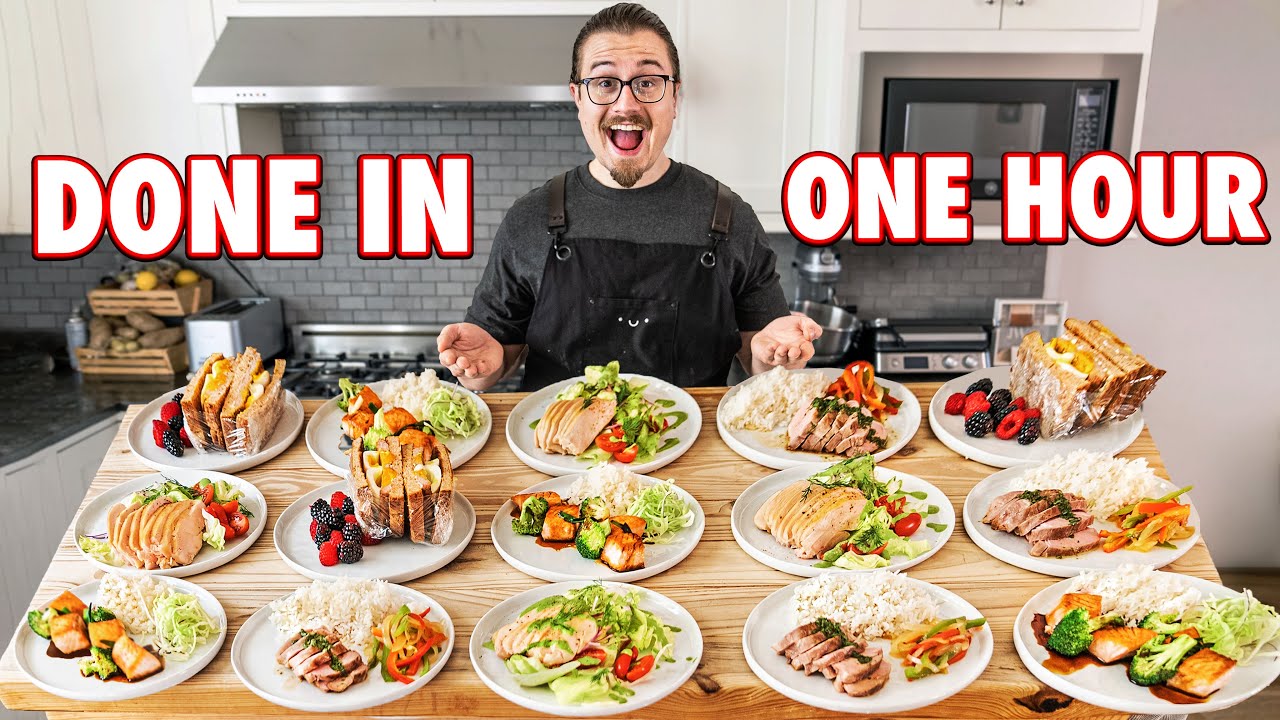
The source compilation video featuring roasted chickpeas alongside other shelf-stable snack prep ideas. Useful for batch context and how crispy chickpeas fit into a broader weekly prep strategy.
Detailed breakdown of the dry-first, oil-second roasting technique with close-up texture comparisons between properly dried and under-dried batches.
Batch cooking walkthrough showing how to prep four snack varieties in under an hour, including spiced chickpeas as a cornerstone component.
🛠️ Core Equipment
- Rimmed sheet panA flat, rimmed surface is essential for single-layer roasting. Overcrowding or raised edges trap steam. Half-sheet pans give you maximum surface area for even browning.
- Wire cooling rackSetting the sheet pan on a wire rack during the final roast phase allows air to circulate under the pan, preventing the bottom layer of chickpeas from steaming against the hot metal.
- Paper towels or clean kitchen towelAggressive drying before roasting is the single most impactful step. You need something absorbent enough to pull moisture out of the chickpea's skin, not just pat the surface.
- Small mixing bowlFor tossing the mid-roast chickpeas with oil and spices quickly without them cooling down. Speed here matters — you want them back in the oven before the surface temperature drops.
Crispy Spiced Chickpeas (The High-Protein Snack You'll Actually Eat)
🛒 Ingredients
- ✦2 cans (15 oz each) chickpeas, drained and rinsed
- ✦1.5 tablespoons extra-virgin olive oil
- ✦1.5 teaspoons smoked paprika
- ✦1 teaspoon ground cumin
- ✦3/4 teaspoon garlic powder
- ✦1/2 teaspoon onion powder
- ✦1/4 teaspoon cayenne pepper (adjust to heat preference)
- ✦1/2 teaspoon fine sea salt
- ✦1/4 teaspoon freshly ground black pepper
- ✦1/2 teaspoon dried oregano (optional)
👨🍳 Instructions
01Step 1
Preheat oven to 400°F. Drain and rinse both cans of chickpeas thoroughly in a colander.
02Step 2
Spread the chickpeas across a clean kitchen towel or several layers of paper towels. Fold the towel over and rub firmly for 2 full minutes, rolling them around aggressively to remove as much surface moisture as possible.
03Step 3
Transfer the dried chickpeas to a rimmed sheet pan. Spread in a single layer with space between each one — no touching. Let them air-dry on the counter for an additional 10 minutes.
04Step 4
Roast the plain, dry chickpeas (no oil, no seasoning yet) at 400°F for 20 minutes, shaking the pan once halfway through.
05Step 5
While the chickpeas roast, combine the smoked paprika, cumin, garlic powder, onion powder, cayenne, salt, pepper, and oregano in a small bowl. Measure the olive oil separately.
06Step 6
At the 20-minute mark, pull the pan from the oven. Working quickly, drizzle the olive oil over the hot chickpeas and toss to coat. Immediately sprinkle the spice mixture over them and toss again until evenly coated.
07Step 7
Return the pan to the oven and roast for another 15-20 minutes, until the chickpeas are deep amber and the spices smell toasted rather than raw. Shake the pan once at the 10-minute mark.
08Step 8
Remove the pan from the oven. Spread the chickpeas flat and leave them on the pan to cool completely — at least 15 minutes. Do not transfer to a bowl while hot.
09Step 9
Once completely cool, taste and adjust salt. Serve immediately or store in an airtight container at room temperature.
Nutrition Per Serving
Estimates based on standard preparation. Adjustments alter macros.
🔄 Substitutions
Instead of Smoked paprika...
Use Regular sweet paprika plus a pinch of chipotle powder
Approximates the smoky depth. Chipotle adds heat as well — cut the cayenne if you use this swap.
Instead of Olive oil...
Use Avocado oil
Higher smoke point handles 400°F better with less risk of the oil itself burning. Neutral flavor lets the spices carry more cleanly.
Instead of Canned chickpeas...
Use Dried chickpeas, soaked and cooked from scratch
Soak overnight, simmer 45-60 minutes until just tender with a slight resistance. Dramatically lower moisture content than canned, which shortens total roast time by about 10 minutes.
Instead of Cayenne pepper...
Use Gochugaru (Korean chili flakes)
Adds a different kind of heat — fruitier, slower to build, with a subtle sweetness. Use 3/4 teaspoon as a 1:1 swap for cayenne.
🧊 Storage & Reheating
In the Fridge
Not recommended — refrigerator humidity destroys the crunch within hours. Room temperature storage only.
In the Freezer
Not suitable for freezing. The texture collapses completely upon thawing.
Reheating Rules
Spread on a sheet pan and roast at 375°F for 8-10 minutes to restore crunch. Works even after two days of softening.
❓ Frequently Asked Questions
Why are my roasted chickpeas chewy instead of crunchy?
Almost certainly a moisture problem. Either the chickpeas weren't dried thoroughly enough before the first roast, or they were seasoned with oil before all the internal moisture was driven out. Follow the dry-first method — plain roast for 20 minutes before any oil or seasoning touches them.
Can I use an air fryer instead of the oven?
Yes, and the results are excellent. Air fry at 390°F for 15 minutes, shake, then spray lightly with oil, toss with spices, and air fry for another 8-10 minutes. The circulating air handles moisture removal more efficiently than a static oven.
How long do they stay crispy?
Three days at room temperature in an airtight container — but only if they cooled completely before sealing. Any residual warmth creates condensation inside the container that softens them within hours. If they've gone soft, the re-roast method in storage notes brings them back.
Are canned chickpeas as good as dried from scratch?
For this recipe, no. Canned chickpeas carry more water, which means longer roasting and more margin for error. Dried chickpeas cooked just to tenderness are drier to begin with and produce a crunchier, more uniform result. The difference is noticeable but not drastic — canned is perfectly acceptable for a weeknight batch.
Can I make these without oil?
You can roast them plain without oil and they will be crunchy, but the spices won't adhere well without fat as a binder. A light misting with cooking spray before the spice toss is a lower-calorie middle ground that gets decent adhesion.
What is the best spice combination for beginners?
Start with just smoked paprika, garlic powder, and salt at a 2:1:1 ratio. It's forgiving, familiar, and lets you taste the chickpea itself rather than chasing complexity before you've nailed the texture. Add cumin and cayenne once the crunch technique is second nature.

The Science of
Crispy Spiced Chickpeas (The High-Protein Snack You'll Actually Eat)
We turned everything on this page into a beautiful, flour-proof PDF cheat sheet. Print it out, stick it to your fridge, and never mess up your crispy spiced chickpeas (the high-protein snack you'll actually eat) again.
*We'll email you the high-res PDF instantly. No spam, just perfectly cooked meals.
AlmostChefs Editorial Team
We translate the internet's most popular cooking videos into foolproof, beginner-friendly written recipes. We analyze multiple methods, test them in our kitchen, and engineer a single "Master Recipe" that gives you the best possible result with the least possible stress.