Crispy Hash Browns (The Diner Secret You've Been Missing)
Shredded potatoes cooked to a shattering golden crust with a tender interior. We reverse-engineered the diner technique — moisture removal, starch control, and cast iron heat — to produce hash browns that actually stay crispy on the plate.
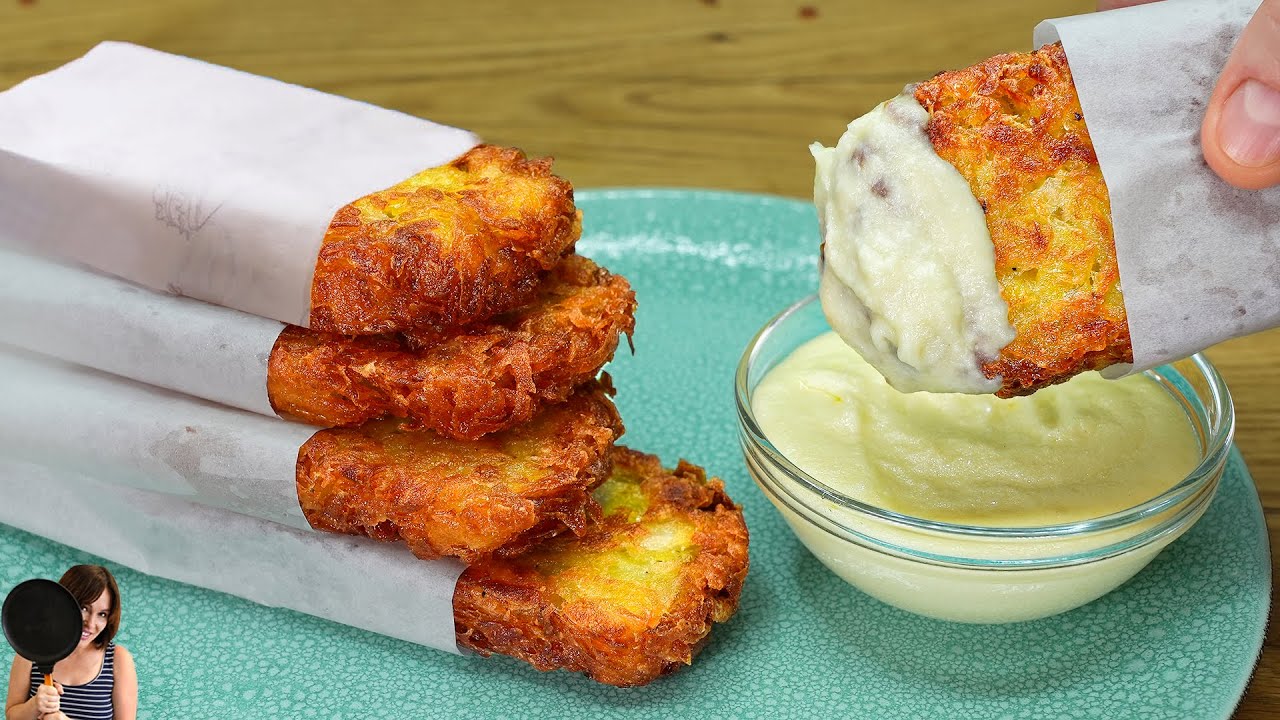
“Hash browns are one of the most ordered breakfast items in America and one of the most consistently botched at home. Limp, pale, falling apart, or worse — steaming instead of crisping. The failures are almost always the same: too much moisture in the potato and not enough heat in the pan. Fix those two problems and you get the kind of hash brown that shatters at the edge and stays soft in the center. We tested every major approach to build the one method that works every time.”
Why This Recipe Works
Hash browns appear on more breakfast menus than almost any other item in America. They are also, statistically, among the most reliably mediocre things a home cook produces. The gap between a limp, pale, falling-apart pile of shredded potato and the kind of shattering, lacquered diner hash brown that holds its shape under a fried egg is not a matter of talent or expensive equipment. It is a matter of physics, and once you understand what the physics actually require, the recipe becomes self-explanatory.
The Moisture Problem
A raw russet potato is approximately 79% water by weight. This is not a minor inconvenience — it is the central obstacle between you and a crispy hash brown. When wet potato shreds hit a hot pan, the water immediately vaporizes and creates a steam layer between the potato and the cooking surface. That steam prevents direct contact. No direct contact means no Maillard reaction. No Maillard reaction means no crust. You are essentially boiling your hash browns from the inside while cooking them from the outside, and the steam always wins.
The solution is violent: wring the potato as dry as you possibly can using a clean kitchen towel, not paper towels. Paper towels absorb some surface moisture. A cloth towel, twisted with both hands until the potato compresses to half its original volume, removes dramatically more. After the first wring, let the potato sit for two minutes — it releases a second wave of liquid as the salt you add begins to draw out intracellular water. Wring again. This is not optional precision cooking technique. This is the whole game.
Heat as Infrastructure
The second variable home cooks get wrong is pan temperature. Hash browns require a sustained high-heat environment — roughly 375 to 400°F at the cooking surface — that most home stove and pan combinations can only maintain if you use the right equipment. This is why a cast iron skillet is the correct tool and not a suggestion. Cast iron has the thermal mass to absorb the cold-load shock of wet potato without dropping below crisping temperature. A thin stainless pan drops 50-70°F when cold food hits it and takes 90 seconds to recover. That 90-second window is exactly when your hash brown crust should be forming, and instead it's steaming.
Preheat the cast iron for a full three minutes over medium-high heat before adding fat. Add the fat and let it heat for 30 seconds. Add the potato immediately and press it flat. You should hear aggressive, sustained sizzling — not intermittent popping, not a wet hiss. Aggressive sizzle means direct Maillard contact. Adjust your heat up or down to maintain it.
Why You Cannot Move Them
The Maillard reaction requires sustained contact between a reducing sugar, an amino acid, and a hot surface. Potato shreds contain both of the first two in abundance. But the reaction requires time — roughly 4 minutes at crisping temperature for the golden crust to fully develop and set. Move the hash browns before that crust forms and you mechanically disrupt the cross-linked starch network that bonds the shreds together, releasing moisture back into the pan and tearing apart any structural integrity you've built.
Press the hash browns once with a flat metal spatula immediately after adding them to the pan. This maximizes surface contact between the potato and the cooking surface. Then set a timer for four minutes and put the spatula down. The hash browns will release cleanly when they're ready. If they resist the spatula, they're telling you they need more time. Listen to them.
The Starch Architecture
Russet potatoes have higher starch content than any other common variety, and that starch does two important jobs. First, it acts as the binding agent — as the surface starch gelatinizes under heat and pressure, it creates a cohesive matrix that holds individual shreds together into a patty. Second, the starch on the exterior surface undergoes a complex series of chemical changes under dry, high heat that produce the hard, glassy crust characteristic of great hash browns.
This is also why you must cook the potato the day you grate it. Cut potato oxidizes quickly, turning gray-brown as phenolic compounds react with oxygen. Beyond the color change, oxidized potato has degraded surface starch that behaves differently under heat — producing a less cohesive, less crispy result. Grate, wring, season, and cook in one continuous sequence.
The Rest Is Discipline
Everything else in this recipe — the seasoning ratio, the fat choice, the flip timing — is secondary to moisture removal and heat management. Get those two right and hash browns are straightforward. Get them wrong and no amount of technique adjustment in the remaining steps will save you. The cast iron skillet and the kitchen towel are your two most important pieces of equipment. Everything else is garnish.
Where Beginners Mess This Up
Before we start, read this. These are the 4 reasons your crispy hash browns (the diner secret you've been missing) will fail:
- 1
Not removing enough moisture: Raw shredded potato is roughly 79% water. If that water stays in the potato when it hits the pan, it flash-steams instead of frying. You get a grey, soggy patty that never crisps no matter how long you cook it. Wringing the potato dry — and we mean aggressively dry — is the single most important step. A dish towel works better than paper towels. Twist until you think you're done, then twist again.
- 2
Moving the hash browns too early: The Maillard reaction that creates a crispy crust needs sustained contact with a hot surface. Every time you poke, press, or flip the hash browns before a crust has fully formed, you tear apart the developing structure and release moisture back into the pan. Press once with a spatula after adding them to the pan. Then do not touch them for at least 4 minutes.
- 3
Using too little fat: Hash browns are not a low-fat food and they don't cook like one. The fat conducts heat evenly across the base of the potato, facilitates the browning reaction, and prevents sticking. A thin scrape of butter is not enough. You need a proper film of fat across the entire pan surface — roughly 2 tablespoons for a 10-inch skillet.
- 4
Using the wrong pan: Non-stick pans cannot hold the sustained high heat required for a proper crust. The coating degrades, the temperature drops, and you end up with soft potatoes. Cast iron or stainless steel only. Both retain heat well enough to recover temperature after you add cold potato to the pan.
The Video Reference Library
Want to see it in action? Here are the exact videos we analyzed and combined to build this foolproof recipe translation:
The clearest demonstration of the moisture-removal technique available online. Pays close attention to shred consistency, wringing method, and pan temperature before adding the potato.
Covers the cast iron approach and explains exactly why non-stick pans fail for this application. Good close-up footage of the crust developing and the correct color to aim for before flipping.
Addresses the most common home cook mistakes — moving the potatoes too early, under-seasoning the shreds, and not preheating the pan long enough. Useful for understanding what you're hearing and smelling during the cook.
🛠️ Core Equipment
- Cast iron skilletRetains heat better than any other pan. When cold shredded potato hits the surface, a cast iron skillet barely drops in temperature. This is non-negotiable for a consistent, even crust across the entire hash brown surface.
- Box grater or food processor with shredding discYou need uniform shreds for even cooking. A box grater gives you more control over thickness; a food processor is faster for larger batches. Uneven shreds mean some pieces burn while others stay raw.
- Clean kitchen towelFor wringing out moisture. Paper towels absorb some water but can't match the torque you get from twisting a cloth towel. The difference in water removed is significant and shows up directly in crust quality.
- Flat metal spatulaFor the single initial press and the flip. A fish spatula works best — thin, flexible, and wide enough to flip without breaking the patty. Silicone spatulas are too thick and too soft.
Crispy Hash Browns (The Diner Secret You've Been Missing)
🛒 Ingredients
- ✦2 large russet potatoes (about 1.5 pounds), peeled
- ✦2 tablespoons clarified butter or neutral oil (avocado or vegetable)
- ✦1 teaspoon kosher salt, divided
- ✦1/2 teaspoon freshly ground black pepper
- ✦1/4 teaspoon garlic powder (optional)
- ✦1/4 teaspoon onion powder (optional)
👨🍳 Instructions
01Step 1
Peel the russet potatoes and grate them on the large holes of a box grater into a large bowl. Work quickly — the potato will begin oxidizing within minutes.
02Step 2
Transfer the shredded potato to the center of a clean kitchen towel. Gather the corners and twist the towel over the sink, wringing out as much liquid as possible. You should extract a significant amount of cloudy starch water. Twist until your forearms give out, then twist again.
03Step 3
Transfer the dried potato to a clean bowl. Season with 3/4 teaspoon kosher salt, black pepper, and optional garlic and onion powder. Toss to distribute the seasoning evenly through the shreds.
04Step 4
Place a cast iron skillet over medium-high heat and let it preheat for at least 3 minutes. The pan should be thoroughly hot before any fat touches it.
05Step 5
Add the clarified butter or oil to the skillet and swirl to coat the entire base. Allow the fat to heat for 30 seconds until it shimmers.
06Step 6
Add the seasoned potato shreds in an even layer across the pan. Do not pile them — a 1/2-inch thick layer is ideal. Press down firmly with a flat spatula to compress the shreds into a cohesive patty.
07Step 7
Cook undisturbed for 4-5 minutes over medium-high heat until the bottom is deep golden brown. Resist all urges to check, lift, or poke. You will hear active sizzling — this is correct.
08Step 8
Using a wide flat spatula, flip the hash brown in one confident motion. If it resists, it's not ready. A fully crusted hash brown releases cleanly. Cook the second side for 3-4 minutes until equally browned.
09Step 9
Transfer to a wire rack, not paper towels. Season immediately with the remaining 1/4 teaspoon kosher salt. Serve within 3 minutes — hash browns lose their crunch rapidly once off the heat.
Nutrition Per Serving
Estimates based on standard preparation. Adjustments alter macros.
🔄 Substitutions
Instead of Clarified butter...
Use Bacon fat
Renders at a higher smoke point than regular butter and adds a deep savory smokiness that pairs naturally with potato. Highly recommended if you have it. Use the same quantity.
Instead of Russet potatoes...
Use Yukon Gold potatoes
Higher moisture content means you need to wring more aggressively and accept a slightly softer interior. The crust will still form but will be less shattering. Flavor is arguably richer.
Instead of Kosher salt...
Use Seasoned salt (Lawry's-style)
Adds onion, garlic, and paprika notes in one step. Reduce any additional seasoning to avoid over-salting. Classic diner approach.
Instead of Clarified butter...
Use Vegan butter (Miyoko's or similar)
Dairy-free option that still provides a buttery flavor. Lower smoke point than clarified butter — watch your heat and don't push to maximum high.
🧊 Storage & Reheating
In the Fridge
Store cooked hash browns in an airtight container for up to 3 days, though they will soften. The crust does not survive refrigeration intact.
In the Freezer
Freeze cooked hash browns on a sheet tray until solid, then transfer to a zip-lock bag. Keeps for up to 1 month.
Reheating Rules
Reheat from refrigerated in a dry cast iron skillet over medium-high heat for 3-4 minutes per side. The crust partially recovers. Microwave is not an option — it produces something closer to wet cardboard.
❓ Frequently Asked Questions
Why do my hash browns always stick to the pan?
Either the pan wasn't hot enough when you added the fat, or the fat wasn't hot enough when you added the potatoes, or you tried to flip before the crust formed. A properly crusted hash brown releases from cast iron or stainless steel without any force. If it's sticking, it's not ready to flip — wait another 60-90 seconds.
Do I have to use russet potatoes?
For the best crust, yes. Russets have the highest starch content and lowest moisture of common potato varieties. That combination is what produces the shattering exterior. Yukon Golds work but require more aggressive wringing and produce a softer result.
Can I make hash browns without a cast iron skillet?
Heavy stainless steel works well. Non-stick pans cannot reach or hold the temperature required for a proper crust — the coating degrades above 400°F and you're aiming for 375-400°F surface temperature. If a cast iron or stainless skillet isn't available, a carbon steel pan is the next best option.
Why are my hash browns grey instead of golden?
Grey potato means two things: either not enough heat, or too much moisture. The grey color is oxidized potato starch that steamed instead of crisped. Ensure your pan is properly preheated, your fat is shimmering before you add the potato, and you've wrung out every possible drop of water from the shreds.
Can I add onion or other vegetables to the hash browns?
Finely grated onion mixed into the shreds is traditional and excellent — add about 1/4 of a medium onion per 2 potatoes. Any vegetable you add must be similarly dry. Wet add-ins (diced bell pepper, zucchini) introduce moisture and undermine the crust. If adding them, sauté them separately and fold in just before serving.
How do I keep hash browns warm for a crowd without losing the crunch?
Place finished hash browns on a wire rack set over a sheet tray in a 250°F oven. This keeps them hot and allows air circulation underneath, which prevents the bottom from steaming. They hold well for up to 20 minutes before the crust begins to soften noticeably.

The Science of
Crispy Hash Browns (The Diner Secret You've Been Missing)
We turned everything on this page into a beautiful, flour-proof PDF cheat sheet. Print it out, stick it to your fridge, and never mess up your crispy hash browns (the diner secret you've been missing) again.
*We'll email you the high-res PDF instantly. No spam, just perfectly cooked meals.
AlmostChefs Editorial Team
We translate the internet's most popular cooking videos into foolproof, beginner-friendly written recipes. We analyze multiple methods, test them in our kitchen, and engineer a single "Master Recipe" that gives you the best possible result with the least possible stress.