Shatteringly Crispy Fried Chicken (The Brine-to-Crust Masterclass)
Double-dredged, buttermilk-brined fried chicken with a craggy, shattering crust and juicy interior. We broke down the most-watched YouTube methods to engineer one definitive technique that solves the three failure points that ruin most homemade fried chicken: soggy crust, dry meat, and uneven cook.
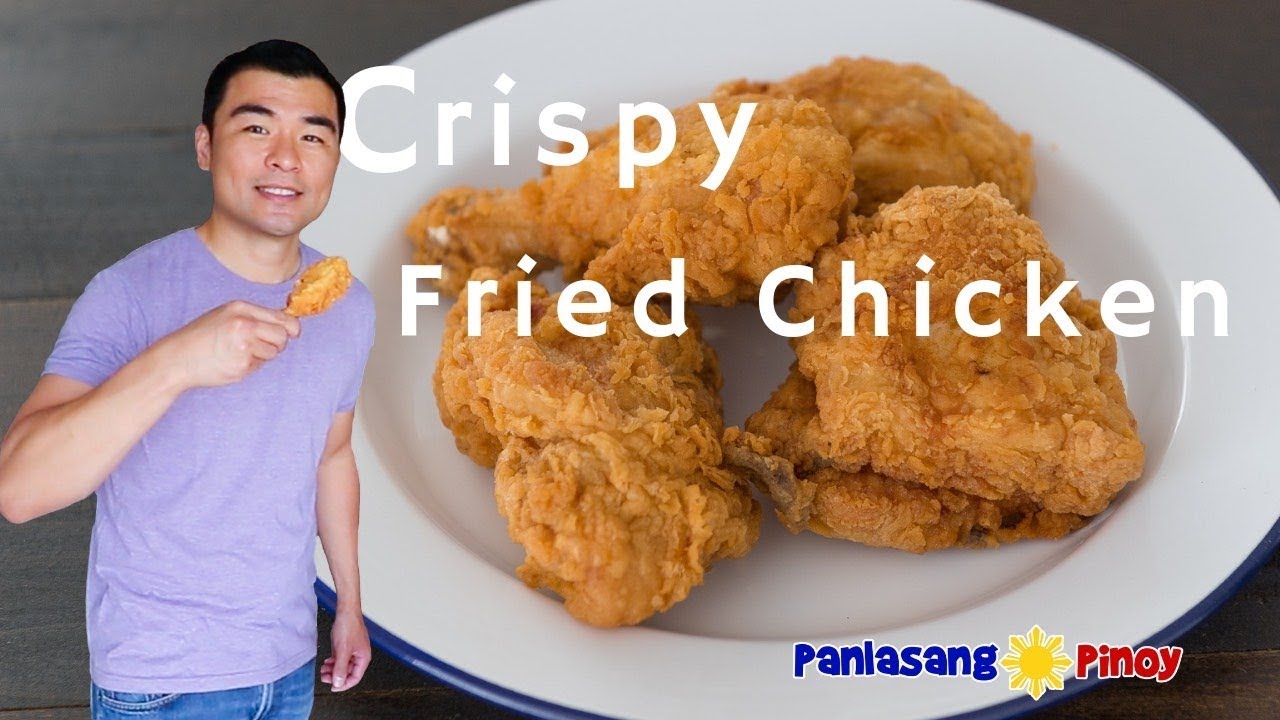
“Most fried chicken looks great in the pan and disappoints on the plate. The crust slides off. The meat is dry. The coating is thick but not crunchy. These failures aren't random — they're the predictable result of skipping the brine, rushing the dredge, or mismanaging the oil. We tested every major YouTube method to build one technique that gives you shattering crust, reliably juicy meat, and a coating that stays on through the last bite.”
Why This Recipe Works
Fried chicken is one of the most forgiving-looking dishes in American cooking and one of the most technically unforgiving to actually execute. The margin between transcendent and mediocre is measured in degrees of oil temperature and minutes of brine time, not cups of seasoning. Understanding why each step exists is the only way to stop guessing and start producing the version you've been chasing.
The Brine Is Structural, Not Optional
Every piece of chicken you fry without brining is a piece you're gambling on. Chicken breast, specifically, has almost no fat marbling — the only moisture it carries is intracellular water, and that water begins evaporating the moment the protein hits hot oil. Without intervention, the exterior sets and seals before the interior finishes cooking, and you pull the piece at 165°F internal temperature only to cut into dry, fibrous meat that no amount of hot sauce can rescue.
Buttermilk changes the equation at the cellular level. The lactic acid in buttermilk — present at a pH of around 4.5 — unravels the tightly wound protein chains in the outer muscle tissue, creating a looser, more porous structure that retains water under heat instead of expelling it. The result is chicken that holds significantly more moisture through a 350°F oil bath. The hot sauce in the brine adds flavor but also amplifies the tenderizing effect through its own acidic content. Four hours is the floor. Overnight is where the magic consolidates.
The Double Dredge Architecture
A single flour coat produces adequate fried chicken. The double dredge — flour, buttermilk, flour — produces remarkable fried chicken, and the difference is architectural, not cosmetic. The first flour layer acts as a moisture-wicking primer, pulling surface liquid from the brine into a paste that adheres to the skin. The brief return to buttermilk reactivates the wet layer. The second flour coat, pressed firmly into the first with fingertip pressure, bonds to that wet surface and creates the pronounced topographic ridges that define great fried chicken crust.
Those ridges matter more than they look. During frying, each raised peak is essentially a thin fin of dough that contacts the oil on multiple surfaces simultaneously — it browns faster, crisps more completely, and creates air pockets behind it that add structural loft to the coating. The baking powder in the dredge intensifies this effect by generating CO2 bubbles as the crust heats, producing a texture closer to tempura than to standard breaded protein. Press flat and you get a uniform casing. Press with intention and you get what people mean when they say crunchy.
Oil Temperature as Process Control
Managing oil temperature during a fry session is active work, not set-it-and-forget-it. When you lower cold chicken into hot oil, the surface temperature of the oil drops immediately — by how much depends on the mass of chicken, the mass of oil, and the thermal capacity of your vessel. This is why a cast iron skillet or Dutch oven is non-negotiable: their thermal mass resists temperature drops more effectively than thin stainless steel or nonstick pans, which spike and crash like a commodity market.
Below 325°F, the crust absorbs oil instead of repelling it. The fat infiltrates the coating before the exterior proteins can set, producing the greasy, limp result that makes people swear off homemade fried chicken. Above 375°F, the crust achieves a beautiful deep brown color in four minutes while the interior remains 140°F and undercooked. The 325-350°F window forces the exterior and interior to converge — the crust sets at the same rate the meat cooks through. A candy thermometer clipped to the pan gives you this information in real time. There is no substitute.
The Wire Rack Finish
Where you place fried chicken immediately after pulling it from the oil determines whether your crust survives the next ten minutes. Paper towels trap steam against the bottom surface the moment the chicken makes contact, converting crunchy coating to soggy paste faster than you'd believe. A wire rack set over a sheet pan lets all six surfaces breathe simultaneously, extending the window of peak crunch by 15-20 minutes. Combined with a final pinch of flaky salt applied while the crust is still screaming hot — when it can actually absorb seasoning — this is the finishing touch that separates careful cooking from genuinely excellent cooking.
Where Beginners Mess This Up
Before we start, read this. These are the 4 reasons your shatteringly crispy fried chicken (the brine-to-crust masterclass) will fail:
- 1
Skipping the buttermilk brine: Buttermilk brine is not optional. The lactic acid gently denatures the muscle proteins in the chicken, loosening their structure so they retain moisture through the high-heat frying process. Skip it and you're frying raw, untenderized meat — the interior dries out before the crust finishes cooking. Minimum brine time is 4 hours. Overnight is better.
- 2
Not double-dredging: A single pass through seasoned flour produces a thin, fragile coating that shatters in the pan instead of on your teeth. The double dredge — flour, buttermilk, flour — builds layered architecture. The second flour coat sticks to the wet middle layer and creates the craggy peaks that trap air pockets during frying, giving you audible crunch.
- 3
Wrong oil temperature: Frying below 325°F produces greasy, pale chicken. The crust absorbs oil instead of repelling it because the exterior never sets fast enough. Above 375°F, the crust burns before the interior cooks through. The target window is 325–350°F throughout the cook, which means you need a thermometer and you need to adjust the heat actively between batches.
- 4
Crowding the pan: Each piece of cold chicken dropped into the oil drops the temperature by 10-20 degrees. Crowd the pan and you compound that effect — the oil can't recover and you end up poaching instead of frying. Three pieces maximum per batch in a 12-inch pan. Accept that it takes longer. The crust depends on it.
The Video Reference Library
Want to see it in action? Here are the exact videos we analyzed and combined to build this foolproof recipe translation:
The foundational video for this recipe's technique. Covers brine timing, double dredge mechanics, and oil temperature management with clear visual cues for when each piece is ready to pull.
Deep dive into why the double dredge works, the chemistry of the buttermilk brine, and how oil temperature affects crust formation. Essential for understanding the mechanics before you cook.
A technique-forward walkthrough focused on cast iron frying and the visual indicators for doneness. Particularly useful for the finishing step and resting technique.
🛠️ Core Equipment
- Cast iron skillet or Dutch ovenCast iron holds heat more consistently than stainless or nonstick. When you add cold chicken, a cast iron skillet recovers temperature faster because of its thermal mass. A Dutch oven is better for deeper oil and less splatter.
- Instant-read or candy thermometerOil temperature is the single variable you cannot eyeball reliably. The difference between 320°F and 375°F is invisible to the naked eye but critical to the outcome. A thermometer removes all guesswork.
- Wire cooling rack set over a sheet panSetting fried chicken directly on paper towels traps steam underneath and softens the crust within minutes. A wire rack lets air circulate on all sides, keeping the bottom crust as crunchy as the top.
- Large zip-lock bags or deep baking dishFor the brine. You need the chicken fully submerged in buttermilk for the full brine period. A zip-lock bag eliminates air pockets and ensures every surface makes contact with the acidic liquid.
Shatteringly Crispy Fried Chicken (The Brine-to-Crust Masterclass)
🛒 Ingredients
- ✦3.5 pounds bone-in, skin-on chicken pieces (thighs, drumsticks, and breast halves)
- ✦2 cups buttermilk
- ✦2 tablespoons hot sauce (Crystal or Frank's)
- ✦2 teaspoons kosher salt, for the brine
- ✦2 cups all-purpose flour
- ✦1/2 cup cornstarch
- ✦2 teaspoons garlic powder
- ✦2 teaspoons onion powder
- ✦2 teaspoons smoked paprika
- ✦1.5 teaspoons cayenne pepper
- ✦1.5 teaspoons freshly ground black pepper
- ✦1.5 teaspoons kosher salt, for the dredge
- ✦1 teaspoon dried thyme
- ✦1/2 teaspoon baking powder
- ✦4 cups peanut oil or vegetable shortening, for frying
👨🍳 Instructions
01Step 1
Combine buttermilk, hot sauce, and 2 teaspoons kosher salt in a large bowl or zip-lock bag. Add the chicken pieces and turn to coat fully. Refrigerate for a minimum of 4 hours, preferably overnight.
02Step 2
When ready to fry, remove the chicken from the brine and let it sit on a wire rack at room temperature for 30 minutes. Do not pat it dry.
03Step 3
Whisk together the flour, cornstarch, garlic powder, onion powder, smoked paprika, cayenne, black pepper, 1.5 teaspoons kosher salt, dried thyme, and baking powder in a large shallow dish. Mix thoroughly.
04Step 4
Working one piece at a time, press the chicken firmly into the flour mixture, coating all surfaces. Shake off excess. Dip back into any residual buttermilk clinging to the piece or a small bowl of buttermilk. Press immediately back into the flour, squeezing the coating into the meat so it adheres and forms rough, craggy peaks.
05Step 5
Place dredged pieces back on the wire rack and rest for 10-15 minutes. The coating should look matte and slightly dry before frying.
06Step 6
Heat the oil in a [cast iron skillet](/kitchen-gear/review/cast-iron-skillet) or [Dutch oven](/kitchen-gear/review/dutch-oven) over medium-high heat to 350°F, measured with a [candy thermometer](/kitchen-gear/review/candy-thermometer). Use enough oil to come at least 1 inch up the sides of the pan.
07Step 7
Carefully add 2-3 pieces of chicken to the hot oil, skin-side down. Do not crowd the pan. Fry for 10-13 minutes on the first side without moving, until deeply golden brown.
08Step 8
Flip each piece once and fry for another 8-12 minutes on the second side. Adjust heat as needed to maintain 325-350°F throughout. Drumsticks and wings will finish faster than breasts — pull pieces individually as they reach an internal temperature of 165°F.
09Step 9
Transfer fried pieces directly to a wire rack set over a sheet pan. Never set them on paper towels. Season immediately with a pinch of flaky salt while the crust is still hot.
10Step 10
Rest for 5 minutes before serving. The crust continues to set slightly as it cools, and the juices redistribute through the meat.
Nutrition Per Serving
Estimates based on standard preparation. Adjustments alter macros.
🔄 Substitutions
Instead of Buttermilk...
Use Whole milk + 1 tablespoon white vinegar or lemon juice per cup
Let the acidified milk sit for 10 minutes before using. It won't be as thick but the acid content is similar. Full-fat oat milk with vinegar works for dairy-free.
Instead of All-purpose flour...
Use Rice flour (full replacement) or 50/50 AP flour and rice flour
Rice flour produces an extraordinarily crunchy crust that stays crispier longer. The trade-off is a slightly more brittle coating that can crack at the joints. The 50/50 blend splits the difference.
Instead of Peanut oil...
Use Refined avocado oil or vegetable shortening
Avocado oil has the highest smoke point of common cooking oils and a completely neutral flavor. Shortening creates a crust with less greasiness due to its zero water content.
Instead of Bone-in chicken pieces...
Use Boneless skinless chicken thighs
Reduce fry time to 6-8 minutes per side. The result is closer to Korean fried chicken than Southern — still excellent, but a different textural experience. Boneless breast is the hardest to execute; avoid until you've made the bone-in version at least once.
🧊 Storage & Reheating
In the Fridge
Store in an airtight container for up to 3 days. The crust softens in the fridge — this is unavoidable.
In the Freezer
Freeze fully cooked and cooled pieces on a sheet pan until solid, then transfer to freezer bags. Keeps for up to 2 months.
Reheating Rules
The only correct reheat method is a 400°F oven on a wire rack for 12-15 minutes. This drives off the surface moisture that softens the crust and returns it to near-original crunch. Microwave reheating turns fried chicken into a soggy, steamed disappointment.
❓ Frequently Asked Questions
Why is my crust falling off during frying?
Two likely causes: you dried the chicken before dredging (the surface moisture is the adhesive), or you didn't let the dredged pieces rest before frying. The 10-15 minute post-dredge rest lets the coating bond. Also check that you're pressing the second dredge layer firmly into the meat — gentle coating won't stick.
Can I make this without a thermometer?
Technically yes, but you're flying blind on the most critical variable. The wooden spoon test (dip a wooden handle into the oil — if bubbles form immediately, it's around 350°F) is a rough proxy. For consistent results, a thermometer is a non-negotiable investment.
Why is the crust crunchy but the inside still pink?
The oil temperature was too high. A too-hot exterior sets and browns before heat penetrates to the bone. Drop to 325°F and extend the cook time. For thick breast pieces specifically, finishing in a 350°F oven after the fry ensures the center reaches 165°F without burning the crust.
Do I need cornstarch in the dredge?
No, but it significantly improves the result. Cornstarch inhibits gluten development in the flour, which means the crust stays tender-crunchy rather than tough-crunchy. It also increases surface browning speed through Maillard reaction at lower temperatures.
How do I keep the first batch warm while I fry the second?
Wire rack on a sheet pan in a 200°F oven. The low oven heat keeps the chicken safe and the wire rack prevents the bottom from steaming soft. Do not cover it — trapped steam is the enemy of crust.
Can I air-fry this instead?
The brine and double dredge technique translates well. Spray the dredged chicken generously with avocado oil spray and air-fry at 380°F for 20-25 minutes, flipping halfway. The crust won't be identical — it's less craggy and slightly less rich — but it's a legitimate result, not a compromise.

The Science of
Shatteringly Crispy Fried Chicken (The Brine-to-Crust Masterclass)
We turned everything on this page into a beautiful, flour-proof PDF cheat sheet. Print it out, stick it to your fridge, and never mess up your shatteringly crispy fried chicken (the brine-to-crust masterclass) again.
*We'll email you the high-res PDF instantly. No spam, just perfectly cooked meals.
AlmostChefs Editorial Team
We translate the internet's most popular cooking videos into foolproof, beginner-friendly written recipes. We analyze multiple methods, test them in our kitchen, and engineer a single "Master Recipe" that gives you the best possible result with the least possible stress.