Crispy French Fries (The Double-Fry Method That Actually Works)
Restaurant-quality crispy french fries with a shatteringly crunchy exterior and fluffy interior, achieved through a cold-water soak, double-fry technique, and precise oil temperature control. We broke down the most-viewed YouTube methods to deliver one bulletproof process that gets the crunch right every single time.
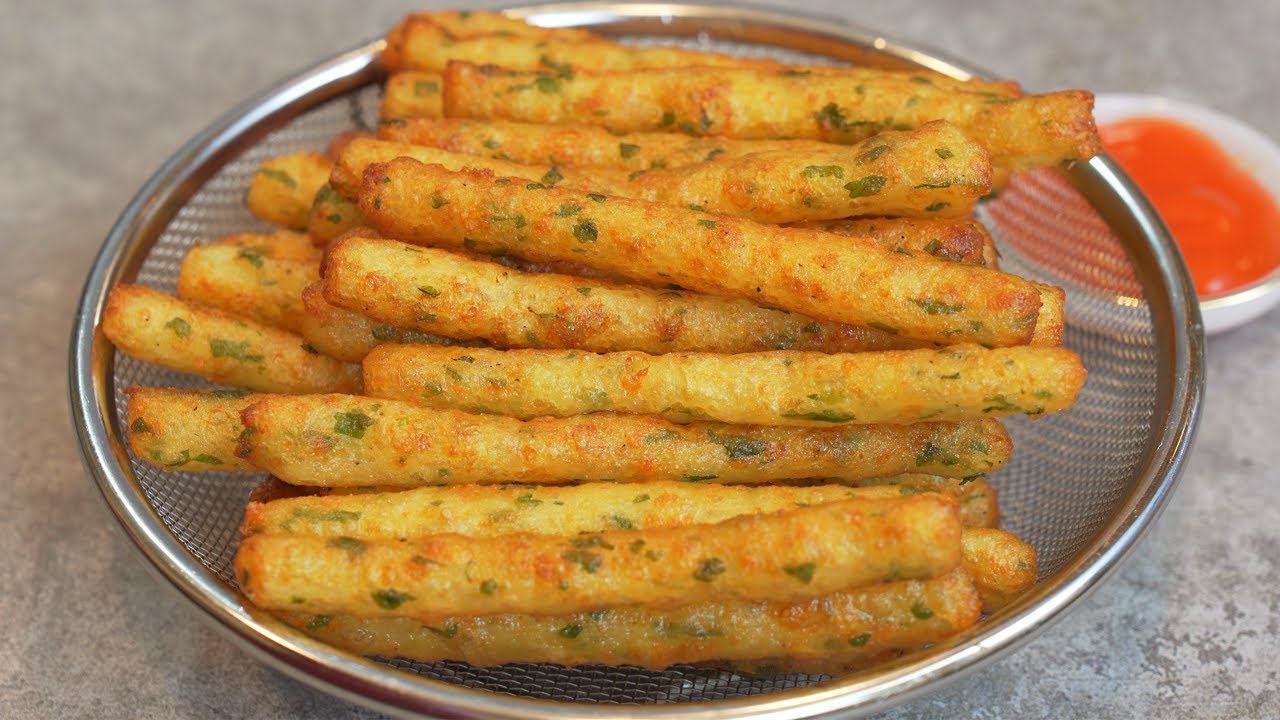
“Every home cook has made soggy fries. You pull them out of the oil, they look golden, you set them on the plate, and within 90 seconds they go limp and steam themselves into submission. The fix is not a secret ingredient. It's not a special potato. It's a two-step fry that every fast food chain and every serious restaurant has been using for decades while home cooks keep ignoring it. We analyzed the top YouTube methods, tested the variables, and built the process that delivers the crunch.”
Why This Recipe Works
French fries are not a recipe problem. They are an engineering problem. The potato is roughly 80% water, and your entire job as the cook is to remove enough of that water, fast enough, to build a crust before the interior turns to steam and collapses the whole structure from within. Every technique in this recipe — the soak, the double fry, the wire rack, the immediate seasoning — exists to solve one aspect of that water removal problem. Understand the physics and the technique stops feeling like a checklist and starts feeling like common sense.
The Starch Problem and Why You Soak
Cut a raw potato and look at the exposed surface. That white, slightly tacky film is free starch — amylose and amylopectin molecules sitting on the exterior of each cell that's been severed during cutting. When that free starch hits hot oil, it gelatinizes instantly into a gummy, hydrophilic layer that traps steam against the potato's surface instead of letting it escape. The result is a fry that appears golden on the outside but is actively softening underneath its own crust.
Cold water dissolves and removes that surface starch through simple diffusion. The water turns cloudy because you're pulling starch off the potato — that cloudiness is the problem you're eliminating. Ice water is marginally more effective than plain cold water because lower temperatures slow enzymatic browning and keep the potato's cell walls firm, which helps maintain structure through both rounds of frying. Thirty minutes is minimum; two hours is better; overnight is best.
The Double-Fry Logic
The double-fry method solves a thermodynamic impossibility that single-fry methods cannot escape. Cooking a potato interior to doneness requires sustained heat penetration over several minutes. Building a shatteringly crisp exterior requires an extremely high surface temperature that drives off moisture fast enough to dehydrate the crust before oil soaks in. These two requirements are in direct conflict: the temperature that properly crisps the exterior burns it before the interior is cooked.
The first fry at 325°F is entirely interior-focused. At this temperature, the exterior barely colors — you're running gentle heat through the potato for 4-5 minutes to cook the starch through and set the structure. The fry comes out pale, slightly limp, and completely unappetizing. That's correct. The rest period that follows is equally important: residual heat finishes any undercooked spots, and surface moisture evaporates passively from the warm, slightly porous exterior. You're pre-drying the crust before the second fry does its work.
The second fry at 375°F operates on an already-cooked potato. There's no interior work left to do — the heat is purely in service of the exterior. At this temperature, the surface moisture flashes off almost instantly, the starch network on the outside undergoes additional Maillard browning, and the crust dehydrates into a rigid, amber shell that resists steam penetration for several minutes after plating. This is the crunch that home cooks spend years chasing and never find, because they never split the frying into two distinct phases.
The Equipment That Makes the Difference
A heavy-bottomed Dutch oven is not a luxury here — it is load-bearing. Thermal mass is the variable that separates consistent restaurant frying from erratic home frying. When you lower a pound of cold, wet potato into oil, the temperature drops. In a thin pot, that drop is dramatic and recovery is slow, sometimes taking 3-4 minutes. In cast iron or thick stainless, the stored thermal energy in the walls of the pot immediately compensates, and the temperature stabilizes within 60-90 seconds. The fries experience consistent heat throughout; the crust develops uniformly; the interior doesn't waterlog while waiting for the oil to recover.
A wire cooling rack matters for the same reason. Paper towels feel intuitive — they absorb oil — but they also trap steam rising from the bottom of the fry and immediately begin softening the crust you just built. Wire allows 360-degree airflow. The bottom of the fry stays as exposed to air as the top. Crunch is preserved on all sides.
Why Seasoning Timing Is Not Optional
Salt is hygroscopic — it pulls water toward itself from any surface it contacts. Season raw potatoes and you draw moisture to the surface before frying, creating exactly the wet exterior you spent 30 minutes soaking to eliminate. Season at the end of frying and the salt has nothing to bind to on a dry, oil-free surface. The correct window is a roughly 45-second period immediately after the second fry, while the fries are still glistening with surface oil. That thin oil film is the adhesive. Season too late and the salt slides off into the serving basket. Season in the window and every grain adheres and stays put through the first bite.
This is a dish that rewards precision. Every single variable — water temperature, oil temperature, soak duration, fry time, seasoning timing — is in service of the same goal: maximum crunch, minimum grease, fluffy interior. Nail the variables and the fries nail themselves.
Where Beginners Mess This Up
Before we start, read this. These are the 4 reasons your crispy french fries (the double-fry method that actually works) will fail:
- 1
Skipping the cold water soak: Raw potato slices are loaded with surface starch. If you drop them straight into hot oil, that starch gelatinizes on contact and forms a sticky, moisture-trapping crust that steams the fry from the inside rather than crisping it. A 30-minute cold water soak pulls excess surface starch off the potato, giving the oil direct access to the potato's exterior so it can build a true crust.
- 2
Frying at one temperature: Single-fry methods force you to choose between cooking the inside through and crisping the outside — you cannot do both at the same temperature in one pass. The first fry at lower heat (325°F) cooks the interior fully without browning. The second fry at high heat (375°F) drives off remaining moisture and builds the crust. Skip either step and you compromise one or the other.
- 3
Crowding the oil: Every fry you add to the oil drops the oil temperature. Crowd the pan and the temperature plummets before recovery, dropping you below the threshold where moisture evaporates faster than it builds. The fries then braise in their own steam instead of frying. Work in batches small enough that the oil temperature recovers within 60 seconds.
- 4
Salting too late — or too early: Salt draws moisture out of anything it touches through osmosis. Salt before frying and you pull water to the surface right before the oil needs to crisp it — wet surface, failed crust. But salting too late means it never adheres. Season immediately when the fries come out of the second fry and are still glistening with oil. That surface moisture is the glue.
The Video Reference Library
Want to see it in action? Here are the exact videos we analyzed and combined to build this foolproof recipe translation:
A definitive walkthrough of the double-fry technique with clear temperature guidance and explanations of the starch science behind each step. Best video for understanding why each part of the process exists.
Focuses on the cold water soak and its impact on final texture. Clear side-by-side comparison of soaked versus unsoaked fries that makes the case definitively.
Covers oil selection, seasoning timing, and the wire rack drain method. Excellent resource for understanding the small finishing details that separate good fries from great ones.
🛠️ Core Equipment
- Heavy-bottomed Dutch oven or deep cast iron potThermal mass is everything in frying. A thin pot loses temperature catastrophically when you add cold food, and recovering takes time you don't have. Heavy cast iron holds heat through the temperature shock of adding fries and maintains a stable fry environment.
- Instant-read thermometerOil temperature is the single most important variable in french fry production, and you cannot eyeball it accurately. A two-degree swing matters. At 320°F you're braising. At 390°F you're burning the outside before the inside is cooked. A reliable thermometer removes all guesswork.
- Wire cooling rack set over a sheet panDraining fries on paper towels traps steam underneath, which immediately softens the bottom crust. A wire rack lets air circulate on all sides, preserving the crunch you just worked to build.
- Mandoline or sharp chef's knifeConsistent thickness is non-negotiable. Uneven fries cook at different rates — thick pieces are raw inside when thin pieces are already burning. A mandoline set to 3/8 inch produces uniform cuts far faster than hand-cutting.
Crispy French Fries (The Double-Fry Method That Actually Works)
🛒 Ingredients
- ✦3 pounds russet potatoes (about 4 large), peeled
- ✦Neutral oil for frying (canola, peanut, or vegetable), enough to fill pot 3 inches deep
- ✦1.5 teaspoons fine sea salt, plus more to taste
- ✦1/2 teaspoon freshly ground black pepper
- ✦1/2 teaspoon garlic powder (optional)
- ✦1/2 teaspoon smoked paprika (optional)
- ✦Cold water, enough to submerge cut potatoes
- ✦Ice cubes for the soak water
👨🍳 Instructions
01Step 1
Peel and cut the potatoes into 3/8-inch sticks. Aim for uniform thickness — consistency here is the foundation of even cooking.
02Step 2
Place the cut fries into a large bowl of cold water with a few ice cubes. Soak for a minimum of 30 minutes, up to 2 hours in the refrigerator.
03Step 3
Drain the fries thoroughly and spread them in a single layer on clean kitchen towels or paper towels. Pat completely dry on all sides. Any surface moisture will cause violent oil splattering and prevent crust formation.
04Step 4
Pour oil into a heavy-bottomed Dutch oven or deep pot to a depth of 3 inches. Heat over medium-high to 325°F, monitoring with a thermometer.
05Step 5
First fry: working in batches of about 1 cup of fries, carefully lower into the oil and fry for 4-5 minutes until cooked through but barely colored — they should look pale and slightly limp. Remove with a slotted spoon or spider and transfer to a wire rack.
06Step 6
Let the first-fried fries rest on the wire rack for at least 10 minutes. They can rest up to 30 minutes at room temperature, or be refrigerated for up to 24 hours before the second fry.
07Step 7
Raise the oil temperature to 375°F.
08Step 8
Second fry: working in batches, fry the rested potatoes for 2-3 minutes until deep golden brown and audibly crackling. The color should be amber, not pale yellow.
09Step 9
Remove immediately to the wire rack. Do not use paper towels.
10Step 10
Season aggressively with sea salt immediately while the fries are still glistening with oil. Add pepper, garlic powder, or smoked paprika if using. Toss to coat.
11Step 11
Serve within 5 minutes of the second fry. French fries do not hold well — eat them immediately.
Nutrition Per Serving
Estimates based on standard preparation. Adjustments alter macros.
🔄 Substitutions
Instead of Russet potatoes...
Use Sweet potatoes
Higher sugar content means they brown faster — watch the temperature and reduce the second fry to 90 seconds. Expect a softer interior; sweet potatoes will never achieve the same crunch as russets.
Instead of Canola oil...
Use Refined coconut oil
High smoke point (400°F) and no detectable coconut flavor once refined. More expensive but stable for multiple reuses.
Instead of Fine sea salt...
Use Seasoned salt or Old Bay
Old Bay is an excellent shortcut for boardwalk-style fries. Apply sparingly — the celery salt in Old Bay is potent and can overpower if heavy-handed.
Instead of Whole russet potatoes...
Use Frozen par-cooked fries
Quality frozen fries are already first-fried at the factory. Skip directly to the 375°F second fry for 3-4 minutes from frozen. The crunch is comparable; the flavor is not.
🧊 Storage & Reheating
In the Fridge
Store cooled leftover fries in an airtight container for up to 2 days. They will soften significantly. Do not expect to restore the original crunch.
In the Freezer
After the first fry, arrange in a single layer on a sheet pan and freeze until solid, then transfer to a zip bag. Keeps for 2 months. Fry directly from frozen at 375°F for 4-5 minutes.
Reheating Rules
The only method that restores crunch: spread on a wire rack over a sheet pan and bake at 425°F for 8-10 minutes. Avoid the microwave at all costs — it steams them into mush.
❓ Frequently Asked Questions
Why do my fries go soft right after frying?
Steam. The interior of the potato is full of moisture, and as the fry cools, that moisture migrates outward and softens the crust from the inside. The double-fry method minimizes this by building a thicker, denser crust during the high-heat second fry that resists steam penetration longer. Eating immediately is also simply part of the deal — french fries are a right-now food.
Do I really need to do two fries? Can't I just fry once at a higher temperature?
You can, and you'll get an edible result. But a single high-heat fry browns the exterior before heat has time to cook the interior thoroughly, leaving a raw or grainy center. The two-fry method decouples interior cooking from exterior crisping so each happens under optimal conditions.
What oil temperature is too hot?
Above 390°F you risk burning the exterior before the interior finishes its second-fry crisping. You'll recognize it by rapid over-browning in under 60 seconds. Pull the fries immediately and let the oil cool back to 375°F before the next batch.
Why are my fries greasy?
Oil temperature was too low during frying. When oil is below the correct temperature, it doesn't create the vapor barrier that keeps oil out of the food — instead, oil soaks in. Always verify temperature with a thermometer before each batch, especially after adding cold fries that cool the oil down.
Can I make these in an air fryer?
Yes, with a significant crunch compromise. Toss dried, soaked fries in 1 tablespoon of oil and air fry at 380°F for 15-18 minutes, shaking halfway. The result is good but not the same — air fryers cannot replicate full submersion in hot oil and the crust will be thinner.
What's the best potato variety for french fries?
Russet (also called Idaho) potatoes are the standard for a reason: high starch content, low moisture, and a dense flesh that holds structure through two rounds of frying. Avoid red potatoes, fingerlings, or Yukon Golds for this application — their higher moisture content fights against the crunch you're trying to build.

The Science of
Crispy French Fries (The Double-Fry Method That Actually Works)
We turned everything on this page into a beautiful, flour-proof PDF cheat sheet. Print it out, stick it to your fridge, and never mess up your crispy french fries (the double-fry method that actually works) again.
*We'll email you the high-res PDF instantly. No spam, just perfectly cooked meals.
AlmostChefs Editorial Team
We translate the internet's most popular cooking videos into foolproof, beginner-friendly written recipes. We analyze multiple methods, test them in our kitchen, and engineer a single "Master Recipe" that gives you the best possible result with the least possible stress.