Creamy Shrimp Alfredo Pasta (30-Minute Restaurant Killer)
Tender seared shrimp in a silky garlic-Parmesan cream sauce over fettuccine — built with the technique that stops the sauce from breaking and the shrimp from turning rubbery. We stripped the restaurant version down to its core and rebuilt it so it works every time in under 30 minutes.
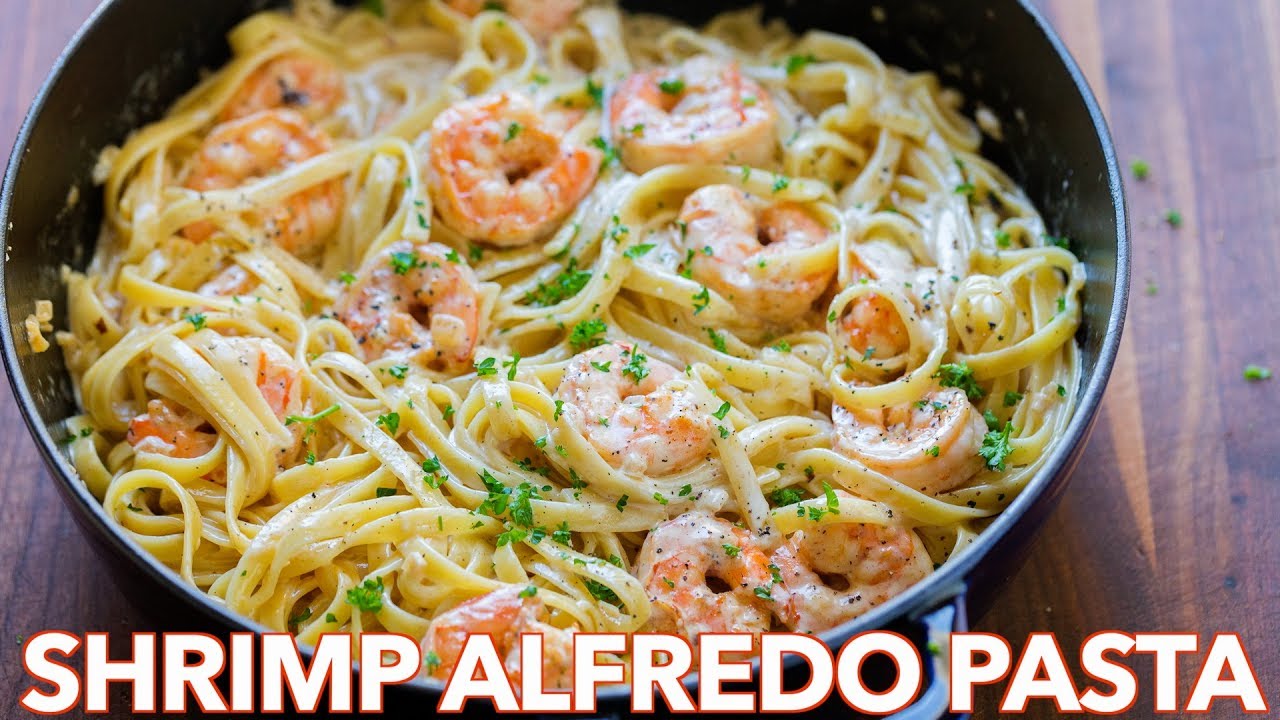
“Alfredo has a reputation problem. Every bad version is the same: a heavy, broken sauce that pools at the bottom of the bowl, rubbery shrimp that squeaks against your teeth, and pasta that drinks up all the cream and turns to paste. None of that is the recipe's fault. It's all technique. Cook the shrimp separately. Pull the pan off heat before adding the cheese. Use pasta water. Those three adjustments are the entire distance between a mediocre bowl and one that tastes like someone actually cared.”
Why This Recipe Works
Alfredo is not complicated. It is four ingredients — butter, cream, Parmesan, pasta — arranged in a sequence that either produces silk or produces disaster, with almost nothing in between. The reason most home versions fail is not the ingredient list. It's that the technique looks simple enough to improvise, and improvisation is where Alfredo goes to die.
The Shrimp Problem
Shrimp are the most forgiving protein in terms of flavor and the least forgiving in terms of timing. They go from raw to perfectly cooked in about three minutes. They go from perfectly cooked to rubbery in one minute more. If you cook them inside the sauce and then stand at the stove adjusting seasoning and tossing pasta for another five minutes, the shrimp you're serving are not the shrimp you intended.
The solution is to treat them as a separate operation entirely. Sear in batches — never crowded, which drops pan temperature and causes steaming instead of browning — pull them the moment they turn opaque, and don't return them to the pan until the last possible second. They carry over residual heat. They don't need more time. They need you to leave them alone.
Patting the shrimp dry before searing is not fussiness. Surface moisture flash-converts to steam when it hits a hot pan, which prevents the Maillard browning that gives the shrimp their flavor and their bite. Thirty seconds with paper towels is the difference between a golden crust and a pale, rubbery disc.
The Cheese Problem
Every broken Alfredo is broken at the same moment: when the Parmesan hits a pan that's still on the burner. Parmigiano-Reggiano contains a specific ratio of fat to protein that behaves predictably when melted slowly into warm cream — but that ratio collapses when it hits active high heat. The proteins denature, the fat separates, and you get greasy clumps that no amount of whisking will repair.
The fix is architectural: remove the heavy-bottomed skillet from the heat source entirely before adding cheese. The residual warmth of the pan — which is substantial after cooking garlic and simmering cream — is sufficient to melt freshly grated Parmigiano into perfect emulsion. You don't need the burner. You need patience and a steady whisking hand.
The fresh-grating requirement is not snobbery. Pre-grated Parmesan contains cellulose powder as an anti-caking agent. That powder actively resists melting and creates a gritty sauce texture that no technique can fully eliminate. A Microplane grater produces cheese that's almost powdery — it dissolves into cream in seconds with zero clumping.
Pasta Water Is the Third Sauce Ingredient
Fettuccine doesn't sit in sauce. It drinks it. From the moment the pasta hits the cream, it begins absorbing liquid, and it doesn't stop until the dish is cold. This is why Alfredo that tastes perfect in the pan turns dense and clumped in the bowl sixty seconds later.
Reserved pasta water — which carries dissolved starch from thirty minutes of boiling — acts as both a diluent and an emulsifier. A few tablespoons stirred in before serving loosens the sauce without thinning the flavor. The starch keeps the cream and cheese cohesive as the pasta continues to absorb. Without it, the sauce separates into its component parts and clings to the pasta unevenly.
Reserve more than you think you need. You can always not use it.
The Cold Butter Finish
The two tablespoons of cold butter added at the end, just before the shrimp go back in, is borrowed directly from classical French sauce technique. Cold butter emulsifies into the warm sauce rapidly, adding a glossy sheen and a final layer of richness that transforms the texture from heavy-cream-forward to genuinely silky. It also drops the pan temperature slightly, which protects the shrimp from overcooking on re-entry.
Lemon juice goes in at the same moment. Cream sauces without acid are flat — they taste rich but not interesting. A full two tablespoons of fresh lemon juice cuts through the fat and adds a brightness that makes every other flavor in the pan sharper and more defined. It's not optional. It's the finish that makes you want a second bowl.
Where Beginners Mess This Up
Before we start, read this. These are the 4 reasons your creamy shrimp alfredo pasta (30-minute restaurant killer) will fail:
- 1
Cooking shrimp in the sauce: Shrimp cook in 3-4 minutes total and continue cooking after you pull them from heat. If you add them to the sauce and then keep the pan on the burner while you fiddle with pasta and cheese, they are already overcooked before anyone sits down. Sear them separately, set them aside, and return them only at the very end — off active heat.
- 2
Adding Parmesan while the pan is hot: Alfredo sauce breaks because cheese hits a pan that's too hot. The proteins seize, the fat separates, and you get clumps floating in greasy cream. Remove the skillet from heat completely before adding the Parmesan. Whisk it in a steady stream. Residual heat is enough — you don't need the burner.
- 3
Skipping the pasta water: Pasta water is the sauce's secret infrastructure. The dissolved starch acts as an emulsifier that keeps cream and cheese cohesive as the pasta absorbs liquid. Without it, the sauce gets progressively gluey. Reserve a full cup before you drain — you probably won't use all of it, but you'll want the option.
- 4
Boiling the cream: A rolling boil breaks the fat-water emulsion in heavy cream and scorches the bottom of the pan. Keep it at a gentle simmer — small bubbles at the edges only. Medium-low heat, constant stirring, and patience produce silk. High heat produces a grainy, curdled mess.
The Video Reference Library
Want to see it in action? Here are the exact videos we analyzed and combined to build this foolproof recipe translation:
The source video this recipe is built around. Clear demonstration of the shrimp searing sequence and why removing the pan from heat before adding cheese is the make-or-break step.
🛠️ Core Equipment
- Large heavy-bottomed skilletYou need width for searing shrimp in a single layer and depth for tossing pasta without flinging sauce across the stovetop. A [cast iron skillet](/kitchen-gear/review/cast-iron-skillet) retains heat evenly and develops the pan fond that gives the sauce its depth.
- Large pasta potPasta needs room to move. A pot that's too small causes uneven cooking and starchy, gummy noodles. The water should taste like the sea — heavily salted — before anything goes in.
- Fine grater or MicroplanePre-grated Parmesan from a bag contains anti-caking agents that prevent it from melting smoothly. A [Microplane](/kitchen-gear/review/microplane-grater) produces fine, feathery cheese that dissolves into the cream without clumping. This is a non-negotiable piece of equipment for any Alfredo.
- Heatproof liquid measuring cupFor catching and reserving the pasta water before draining. It sounds minor. Forgetting to do it before you pour the pot into the colander is a mistake you make once.
Creamy Shrimp Alfredo Pasta (30-Minute Restaurant Killer)
🛒 Ingredients
- ✦1 pound fettuccine pasta
- ✦1.25 pounds medium shrimp, peeled and deveined
- ✦5 tablespoons unsalted butter, divided
- ✦2 tablespoons extra virgin olive oil, divided
- ✦4 cloves garlic, minced
- ✦1.25 cups heavy cream
- ✦1 cup freshly grated Parmigiano-Reggiano cheese
- ✦1 teaspoon kosher salt, plus more for pasta water
- ✦0.5 teaspoon freshly cracked black pepper
- ✦0.25 teaspoon red pepper flakes
- ✦2 tablespoons fresh lemon juice
- ✦3 tablespoons fresh Italian flat-leaf parsley, chopped
- ✦0.25 cup dry white wine (optional but recommended)
- ✦1 cup reserved pasta cooking water
👨🍳 Instructions
01Step 1
Fill a large pot with heavily salted water and bring to a rolling boil. Add fettuccine and cook until al dente according to package directions, stirring occasionally. Before draining, reserve 1 cup of the starchy cooking water.
02Step 2
While pasta cooks, pat the shrimp completely dry with paper towels. Season with 0.5 teaspoon salt and 0.25 teaspoon black pepper on both sides.
03Step 3
Heat 1 tablespoon olive oil in a large skillet over medium-high heat until shimmering. Add half the shrimp in a single layer and sear for 2 minutes without moving them. Flip and cook 1-2 minutes more until opaque. Transfer to a clean plate. Repeat with remaining oil and shrimp.
04Step 4
Reduce heat to medium. Melt 3 tablespoons butter in the same skillet, then add minced garlic. Cook about 1 minute until fragrant and just beginning to turn golden at the edges.
05Step 5
Pour in the white wine if using and let it simmer for 1 minute, scraping up any browned bits from the pan bottom with a wooden spoon.
06Step 6
Reduce heat to medium-low. Slowly pour in the heavy cream while stirring constantly. Let it warm gently for 2-3 minutes at a gentle simmer — small bubbles only. Do not let it boil.
07Step 7
Remove the skillet from heat completely. Add the grated Parmigiano-Reggiano in a steady stream while whisking constantly until the sauce is smooth and emulsified.
08Step 8
Drain the pasta and add it directly to the cream sauce in the skillet. Toss over low heat for about 1 minute, adding reserved pasta water a few tablespoons at a time until the sauce flows loosely and coats each strand.
09Step 9
Return the cooked shrimp to the skillet. Add the remaining 2 tablespoons cold butter, red pepper flakes, and lemon juice. Toss gently over low heat for about 1 minute until warmed through.
10Step 10
Taste and adjust seasoning with additional salt and pepper. Remember that the Parmesan is already quite salty — adjust accordingly.
11Step 11
Divide among four shallow bowls, top with fresh parsley and a few shrimp per serving. Serve immediately.
Nutrition Per Serving
Estimates based on standard preparation. Adjustments alter macros.
🔄 Substitutions
Instead of Heavy cream...
Use Half-and-half blended with unsweetened Greek yogurt (1:1 ratio)
Slightly tangier, marginally lighter mouthfeel. The yogurt's protein aids emulsification so the sauce holds together well. Reduces saturated fat meaningfully.
Instead of Fettuccine pasta...
Use Whole wheat fettuccine or chickpea-based pasta
Earthier, nuttier flavor with more bite. Requires an extra 1-2 minutes of cook time. Higher fiber content and slower carbohydrate absorption.
Instead of 5 tablespoons butter...
Use 3 tablespoons butter plus 1 tablespoon avocado oil or ghee
Negligible flavor difference. Ghee adds a subtle toasted nuttiness. Reduces overall saturated fat while maintaining the emulsification the sauce needs.
Instead of White wine...
Use Chicken or vegetable broth with 1 teaspoon white wine vinegar
Equally effective at deglazing. The vinegar replicates the acidity. Eliminates alcohol entirely while adding body from the broth.
🧊 Storage & Reheating
In the Fridge
Store in an airtight container for up to 2 days. The sauce will thicken considerably as the pasta absorbs it overnight.
In the Freezer
Not recommended. Cream-based sauces separate when frozen and thawed, producing a greasy, grainy result that can't be rescued.
Reheating Rules
Add 2-3 tablespoons of water or cream to the portion, cover, and reheat in a saucepan over low heat, stirring frequently. The microwave works in a pinch but dries the shrimp out noticeably.
❓ Frequently Asked Questions
Why did my Alfredo sauce turn grainy?
The cheese hit the pan while it was too hot. Parmigiano-Reggiano proteins seize and clump above a certain temperature, separating from the fat. Pull the pan completely off heat before adding cheese, and whisk it in slowly. If it's already grainy, try whisking in warm pasta water a tablespoon at a time — the starch sometimes rescues it.
Can I use pre-cooked shrimp?
Technically yes, but the result is worse. Pre-cooked shrimp have already been heated once. Running them through a hot skillet a second time turns them tough and rubbery. If you must use pre-cooked, add them to the finished sauce off heat and let them warm through passively.
Do I have to use Parmigiano-Reggiano specifically?
It's strongly preferred. True Parmigiano-Reggiano has a specific moisture content and crystalline protein structure that melts into cream sauces cleanly. Domestic 'Parmesan' varies widely in moisture and anti-caking additives, which makes sauce behavior unpredictable. If you use a substitute, grate it yourself and expect to adjust pasta water quantities.
Why is my sauce too thick?
The pasta absorbed the sauce between the pan and the plate — this happens fast with fettuccine. Add warm pasta water a tablespoon at a time and toss quickly. Always serve on pre-warmed bowls to slow the thickening.
Can I make this dairy-free?
You can approximate it. Cashew cream (soaked cashews blended with water) replaces heavy cream reasonably well. Nutritional yeast provides a savory, cheesy note. The result is a different dish — pleasant but not Alfredo. The emulsification behaves differently and requires more pasta water to adjust.
What wine should I use for deglazing?
Any dry white you'd drink — Pinot Grigio, Sauvignon Blanc, or unoaked Chardonnay all work. Avoid anything labeled 'cooking wine,' which contains added salt and often vinegar that throws the seasoning off. The rule: if you wouldn't drink it, don't cook with it.
The Science of
Creamy Shrimp Alfredo Pasta (30-Minute Restaurant Killer)
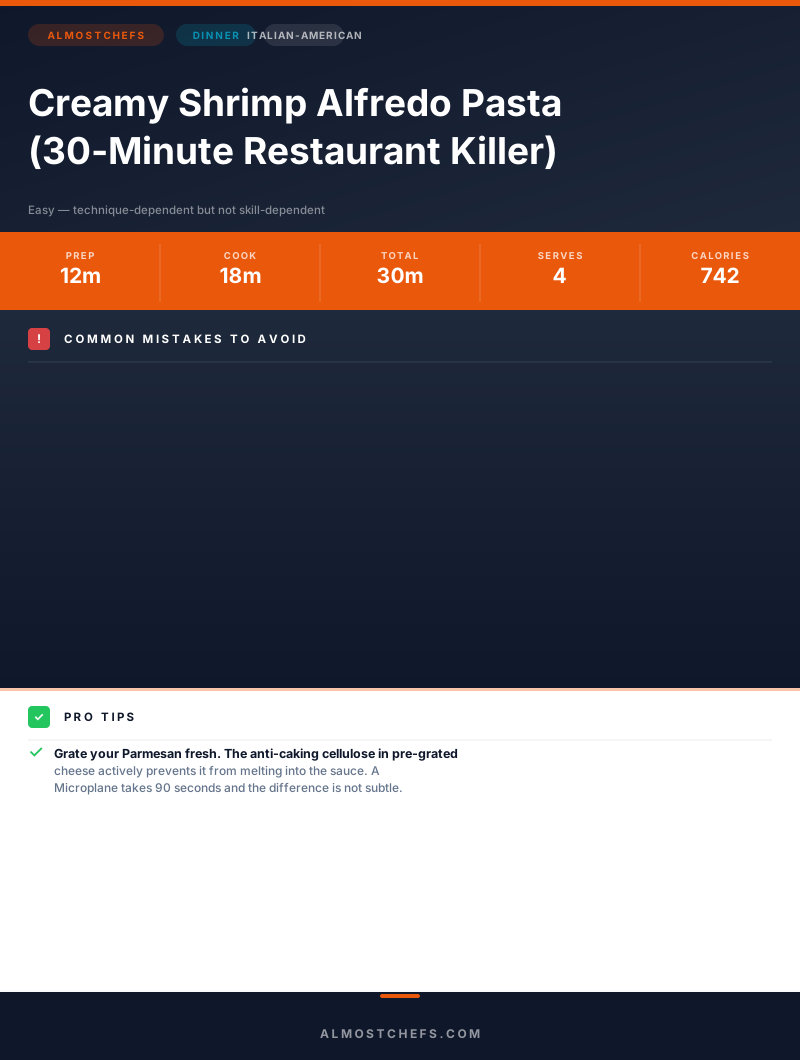
We turned everything on this page into a beautiful, flour-proof PDF cheat sheet. Print it out, stick it to your fridge, and never mess up your creamy shrimp alfredo pasta (30-minute restaurant killer) again.
*We'll email you the high-res PDF instantly. No spam, just perfectly cooked meals.
AlmostChefs Editorial Team
We translate the internet's most popular cooking videos into foolproof, beginner-friendly written recipes. We analyze multiple methods, test them in our kitchen, and engineer a single "Master Recipe" that gives you the best possible result with the least possible stress.