Creamy Chicken Mushroom Pasta (Restaurant Quality in 40 Minutes)
Tender seared chicken and golden mushrooms in a silky white wine cream sauce tossed with pasta and finished with Parmesan and lemon zest. We broke down the technique failures that turn this dish into bland cafeteria food and rebuilt it from scratch.

“Most creamy pasta recipes fail at the same two points: pale, steamed chicken instead of properly seared, and mushrooms that turn into a gray, waterlogged pile. Fix those two things and the rest of this dish assembles itself. The cream sauce is nearly impossible to ruin if the foundation — the fond on the bottom of the pan — is built correctly.”
Why This Recipe Works
Creamy chicken mushroom pasta is not a complicated dish. It is, however, a dish that reveals exactly how much attention you were paying during every step. The ingredients are cheap and common. The techniques are basic. The margin for error is small.
The Sear Is the Sauce
Everything in this dish — every bit of depth in the cream sauce — traces back to what happens in the first 10 minutes. When properly dried chicken hits a properly hot pan, the surface proteins and natural sugars undergo the Maillard reaction and form a golden-brown crust. That crust sticks to the pan. When the wine hits the hot pan later, it dissolves those stuck bits — the fond — and pulls them into the sauce.
Skip the sear and you skip the flavor. Crowd the pan and you steam the chicken instead of searing it. Both mistakes produce a finished sauce that tastes like cream and not much else.
The fix is mechanical: two batches, a large skillet with enough surface area, and the discipline to not touch the chicken for the first 3 minutes. If the piece doesn't release cleanly when you try to flip it, it needs more time. The pan is not lying to you.
Mushroom Moisture Is the Enemy
Fresh mushrooms are nearly 90% water. Your entire job when cooking them is to drive that moisture out before the cream goes in. A wet mushroom releases liquid into the sauce, diluting it. A properly cooked mushroom — golden, slightly shrunken, edges curling — adds earthy, concentrated umami that makes the sauce taste built rather than assembled.
Two minutes undisturbed is the key. Lay the mushrooms in the pan and don't touch them. You're developing a crust on the flat surface. Once they start releasing moisture, stir occasionally until the pan runs dry and the sizzle changes from a wet spitting sound to a dry, quiet crackle. That's your signal.
Deglazing Is Non-Negotiable
The browned bits on the bottom of the pan after the chicken and mushrooms are done are not a mess. They are caramelized proteins, sugars, and fat — the most concentrated flavor in the entire dish. When the white wine hits the hot pan, it dissolves them instantly. Scrape with a wooden spoon and you pull every bit of flavor into the liquid that will become your sauce.
If you skip this step, those bits remain stuck and eventually burn when the cream goes in. Worse, you leave most of the dish's flavor potential sitting on the bottom of the pan.
The Pasta Water Rule
Professional kitchens add pasta water to virtually every pasta dish. The starch that leaches from cooking pasta creates an emulsifying agent that helps fat and water bind together — which is exactly what a cream sauce needs to cling to pasta instead of sliding off.
Reserve the water before you drain. Add it a tablespoon at a time after the pasta goes into the sauce. Watch the consistency shift from thin and pooling to silky and coating. This is the difference between pasta that eats like a restaurant dish and pasta that looks like soup at the bottom of the bowl.
Parmesan Off the Heat
Cheese added to a boiling sauce seizes. The proteins tighten suddenly into clumps and the sauce goes grainy. Pull the pan off the heat completely before the Parmesan goes in, and stir until it's fully melted and incorporated. The residual heat is enough. The sauce won't cool down — it'll just stop actively trying to destroy the cheese.
Lemon zest follows the same logic: off-heat, at the last second. The aromatic compounds that make zest bright and citrusy are volatile — they evaporate within seconds of hitting anything hot. Add it cold, off heat, and it smells like a finished dish. Add it during cooking and it cooks off before it reaches anyone's nose.
Where Beginners Mess This Up
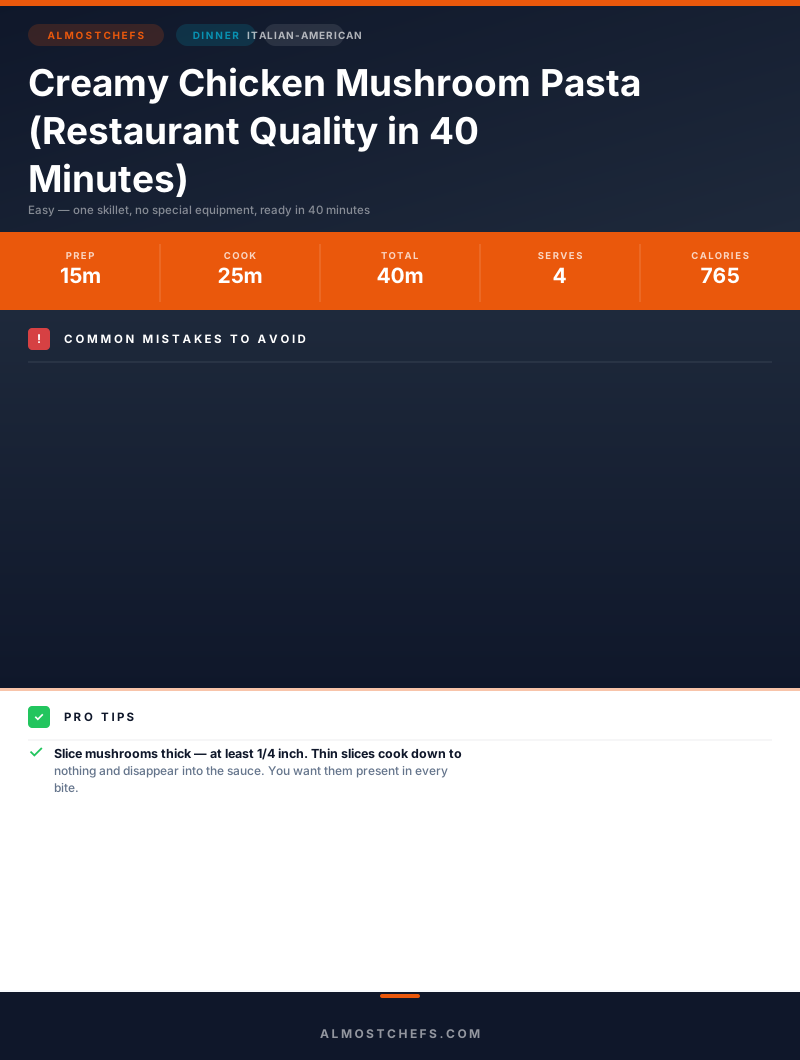
Before we start, read this. These are the 4 reasons your creamy chicken mushroom pasta (restaurant quality in 40 minutes) will fail:
- 1
Crowding the chicken in the pan: When you add too much chicken at once, the pan temperature drops and the meat steams instead of sears. You get pallid, rubbery pieces with no browning and no Maillard crust. Work in two batches, and resist the urge to move the pieces around — let them develop a golden exterior before flipping.
- 2
Not drying out the mushrooms: Mushrooms are 90% water by weight. If you don't cook them undisturbed long enough to evaporate that moisture, they release liquid into the pan, drown in their own steam, and turn gray and soft. Cook them without stirring for the first 2 minutes to develop a crust, then continue until every drop of moisture is gone.
- 3
Adding garlic too early: Garlic goes in after the mushrooms are fully cooked, not before. Raw garlic added to a wet pan dissolves and disappears. Garlic added to a hot, dry-ish pan with butter toasts and blooms — 30 seconds is all it needs. Any longer and it burns and turns bitter.
- 4
Skipping the pasta water: The starchy cooking liquid is what makes the sauce cling to the pasta instead of pooling at the bottom of the bowl. Reserve half a cup before draining. Add it a tablespoon at a time to reach the right consistency — silky and coating, not thin and soupy.
The Video Reference Library
Want to see it in action? Here are the exact videos we analyzed and combined to build this foolproof recipe translation:

The reference video for this recipe. Strong focus on searing technique and sauce consistency — watch the color of the mushrooms before and after deglazing.
2. How to Build a Pan Sauce from Scratch
A foundational breakdown of fond, deglazing, and reducing that applies directly to the cream sauce in this recipe.
3. Pasta Water Is Not OptionalWhy starchy pasta water is a professional kitchen non-negotiable for getting sauce to emulsify and coat properly.
🛠️ Core Equipment
- Large skillet (12-inch) ↗Surface area is everything for searing. A small pan forces you to overcrowd, which kills the crust. You need enough room that chicken pieces aren't touching each other.
- Wooden spoon or flat-edged spatula ↗For deglazing — scraping up the fond (browned bits) when the wine hits the hot pan. Those bits are the concentrated flavor base of the entire sauce. A metal spatula risks scratching nonstick surfaces.
- Large pot for pasta ↗Pasta needs more water than most people use — at least 4 quarts per pound. Cramped pasta cooks unevenly and sticks. Don't skimp on the pot or the salt in the water.
Creamy Chicken Mushroom Pasta (Restaurant Quality in 40 Minutes)
🛒 Ingredients
- ✦1 pound fettuccine or penne pasta
- ✦1.5 pounds chicken breast, cut into bite-sized cubes
- ✦8 ounces fresh mushrooms, thinly sliced
- ✦3 tablespoons unsalted butter, divided
- ✦2 tablespoons extra virgin olive oil
- ✦3 cloves garlic, minced
- ✦1 cup heavy cream
- ✦1/2 cup chicken broth
- ✦1/2 cup dry white wine
- ✦1/2 cup freshly grated Parmesan cheese
- ✦1 teaspoon dried thyme
- ✦Salt and freshly cracked black pepper to taste
- ✦2 tablespoons fresh parsley, chopped
- ✦1 tablespoon fresh lemon zest
👨🍳 Instructions
01Step 1
Bring a large pot of heavily salted water to a rolling boil. Add pasta and cook until al dente according to package directions, 9-12 minutes. Reserve 1/2 cup of pasta cooking water before draining.
02Step 2
While pasta cooks, pat the cubed chicken completely dry with paper towels. Season generously with salt, pepper, and thyme on all sides.
03Step 3
Heat olive oil in a large skillet over medium-high heat until shimmering, about 1 minute.
04Step 4
Working in two batches, add chicken in a single layer without crowding. Sear undisturbed for 3-4 minutes until golden brown, then flip and cook another 2-3 minutes until internal temperature reaches 165°F. Transfer to a clean plate.
05Step 5
Reduce heat to medium. Add 1.5 tablespoons of butter to the same skillet. Add mushrooms in a single layer and cook undisturbed for 2 minutes to develop a crust, then stir occasionally until all moisture evaporates and they turn light golden brown, 5-6 minutes total.
06Step 6
Add remaining 1.5 tablespoons of butter and the minced garlic to the mushrooms. Stir constantly for 30 seconds until fragrant.
07Step 7
Pour in the white wine and immediately scrape the bottom of the skillet with a wooden spoon to release all browned bits. Simmer until liquid reduces by half, 2-3 minutes.
08Step 8
Stir in chicken broth and heavy cream. Return the seared chicken to the skillet and gently simmer for 5-7 minutes, stirring occasionally, until the sauce thickens slightly and coats the back of a spoon.
09Step 9
Add drained pasta to the skillet. Toss to combine, adding reserved pasta water one tablespoon at a time until the sauce is silky and clings to every piece of pasta.
10Step 10
Remove from heat. Stir in grated Parmesan until fully melted and incorporated.
11Step 11
Taste and adjust salt and pepper. Garnish with fresh parsley and lemon zest. Serve immediately.
Nutrition Per Serving
Estimates based on standard preparation. Adjustments alter macros.
🔄 Substitutions
Instead of Heavy cream...
Use Half-and-half or Greek yogurt mixed with 2 tablespoons cornstarch
Slightly lighter mouthfeel. The yogurt version adds subtle tang that actually works well with the lemon zest. Reduce heat when using yogurt to prevent curdling.
Instead of Dry white wine...
Use Additional chicken broth or 1 tablespoon apple cider vinegar
Loses the floral, acidic brightness that wine provides. The vinegar version is the closer substitute — add it after the broth reduces and taste carefully; it's more assertive than wine.
Instead of Fettuccine or penne...
Use Whole wheat, chickpea, or spinach pasta
Nuttier, earthier flavor. Higher fiber content. Chickpea pasta is particularly good here — its slightly firmer texture holds up to the cream sauce without going soft.
Instead of Parmesan cheese...
Use Nutritional yeast or aged Pecorino Romano
Nutritional yeast provides umami depth with significantly fewer calories and no dairy. Pecorino brings sharper, saltier notes — use about 30% less than the Parmesan quantity or the dish will read as salty.
🧊 Storage & Reheating
In the Fridge
Store in an airtight container for up to 3 days. The pasta will absorb the sauce overnight — this is expected.
In the Freezer
Not recommended. Cream-based sauces break when frozen and the pasta texture degrades significantly. Make this one fresh.
Reheating Rules
Add 2-3 tablespoons of chicken broth or cream to the container, cover, and reheat gently over low heat on the stovetop, stirring occasionally. Microwave works but dries out the chicken — use 50% power in 90-second intervals if you must.
❓ Frequently Asked Questions
Why does my cream sauce break and look greasy?
Cream sauces break when the heat is too high or the sauce is brought to a hard boil. Keep it at a gentle simmer — small, lazy bubbles, not a rolling boil. If it breaks, reduce heat immediately and whisk in a tablespoon of cold butter or a splash of pasta water to re-emulsify.
Can I use pre-sliced or pre-cooked mushrooms?
Pre-sliced is fine. Pre-cooked or canned mushrooms are not — they've already expelled their moisture and undergone textural breakdown. They'll turn rubbery in the sauce. Fresh mushrooms are non-negotiable here.
What's the best white wine to use?
Pinot Grigio or Sauvignon Blanc — dry, unoaked, and relatively neutral. Avoid Chardonnay (too oaky and buttery, competes with the cream) and anything labeled 'cooking wine' (loaded with salt and additives). If you'd drink it, it'll work in the pan.
My sauce is too thin. How do I fix it?
Simmer uncovered for an extra 3-4 minutes before adding the pasta. The sauce will reduce and thicken as water evaporates. Adding more Parmesan also helps — the proteins tighten the emulsion. Avoid flour or cornstarch, which turn cream sauces gluey rather than silky.
Can I make this ahead of time?
You can make the chicken and mushroom cream sauce up to 2 days ahead and refrigerate it separately from cooked pasta. Reheat the sauce gently, cook fresh pasta the day of, then combine. Pre-combined pasta-and-sauce reheats passably but the texture is noticeably worse.
Do I need the lemon zest?
Technically no. In practice, yes. A cream sauce without acid reads as flat and heavy. The lemon zest cuts through the fat and makes the dish feel lighter than it is. It's the difference between a sauce that makes you want more and one that makes you feel full after three bites.
The Science of
Creamy Chicken Mushroom Pasta (Restaurant Quality in 40 Minutes)
We turned everything on this page into a beautiful, flour-proof PDF cheat sheet. Print it out, stick it to your fridge, and never mess up your creamy chicken mushroom pasta (restaurant quality in 40 minutes) again.
*We'll email you the high-res PDF instantly. No spam, just perfectly cooked meals.
AlmostChefs Editorial Team
We translate the internet's most popular cooking videos into foolproof, beginner-friendly written recipes. We analyze multiple methods, test them in our kitchen, and engineer a single "Master Recipe" that gives you the best possible result with the least possible stress.