Proper Crawfish Étouffée (The Louisiana Method That Actually Works)
A rich, velvety Louisiana Creole classic with tender crawfish tails smothered in a dark roux sauce built on the holy trinity of vegetables. We broke down the technique so you never end up with a watery, flavorless disappointment again.

“Most crawfish étouffée recipes fail at the same place: the roux. Pull it too early and you get a pale, floury sauce that tastes like cream of wheat with shrimp. Burn it and you start over. There is a specific shade of brown — the color of dark chocolate, not milk chocolate — where everything changes and the dish becomes something worth making again. This recipe teaches you to see that color and hold it.”
Why This Recipe Works
Étouffée is one of those dishes that sounds like a restaurant-only proposition until you understand what it actually is: butter, flour, three vegetables, and patience. The technique is not complicated. The technique just requires you to pay attention at two specific moments — and most recipes don't tell you which two.
The Roux Is the Whole Dish
Every Cajun and Creole cook will tell you this and every recipe will confirm it, and still people rush the roux. A dark roux is cooked to a specific color — dark chocolate brown, the shade of a well-done wooden table — and it takes 5 to 7 minutes of continuous whisking over medium-high heat to get there. During that time, the flour proteins and starches undergo a cascade of Maillard reactions that produce nutty, toasty, complex flavor compounds that cannot be replicated by seasoning alone.
A light roux thickens but doesn't flavor. A dark roux does both. The darker the roux, the less thickening power it retains but the more flavor it delivers — which is why étouffée lands at the dark chocolate stage rather than the near-black stage used for some gumbos. You want sauce, not soup, but you want it to taste like something.
Use a Dutch oven or a thick-walled stainless pot. Thin pans have hot spots that burn the flour in patches while the rest stays pale. You end up with an uneven roux that tastes simultaneously raw and acrid, and there is no fixing it.
The Holy Trinity Does the Heavy Lifting
Once the roux reaches color, the onion, celery, and bell pepper go in and do something remarkable — they cool the roux slightly, steam in the residual fat, and release their sugars directly into the flavor base. Give them the full 6 to 8 minutes. They should be completely soft, translucent, and slightly sweet before the stock goes in. Undercooked vegetables leave sharp vegetal notes in a sauce that should taste unified and smooth.
The garlic and tomato paste go in last before the liquid, for one minute each. Tomato paste is concentrated umami — it needs direct heat contact to caramelize slightly and lose its raw, acidic edge. A minute in the hot fat does this efficiently.
Crawfish Timing Is Binary
Crawfish tails purchased fresh or frozen are already cooked. They are going into a hot sauce to warm through and absorb flavor — not to cook from raw. This means they have exactly one failure mode: too long. Three to four minutes is the window. Past that, the proteins tighten aggressively, the tails turn rubbery, and the natural sweetness they carry disappears.
Set a timer. Pull them exactly on time. The sauce will continue warming them even off heat.
The Cream Moment
This is the second critical moment. The cream goes in after the crawfish, at the lowest heat possible, added slowly while you stir. The goal is a smooth, glossy emulsion — fat suspended in the sauce rather than pooling on top. High heat breaks the emulsion. Fast addition breaks the emulsion. Low heat and patience preserve it.
The finished sauce should coat a spoon heavily, have a slight sheen, and smell like butter, spice, and the sea. Serve it over rice while it's still hot enough to steam. Everything else — the parsley, the green onions, the careful seasoning — is finishing work on something that was decided in the first ten minutes at the stove.
Where Beginners Mess This Up
Before we start, read this. These are the 4 reasons your proper crawfish étouffée (the louisiana method that actually works) will fail:
- 1
Pulling the roux too early: A blond roux tastes like raw flour. A peanut-butter roux is close but timid. You need a dark chocolate-brown roux — 5 to 7 minutes of continuous whisking over medium-high heat. This is the flavor base of the entire dish. Every minute you shortchange the roux is a minute of flavor you never get back.
- 2
Overcooking the crawfish tails: Crawfish tails are already cooked when you buy them. They go in for 3 to 4 minutes maximum — just long enough to heat through and absorb the sauce. Any longer and they turn rubbery and squeeze out all their natural moisture, turning your velvety sauce into something grainy and tight.
- 3
Adding the cream too fast: Heavy cream added to a hot, agitated sauce will break. Reduce to very low heat first, then add the cream in a slow stream while stirring gently. Rushing this step gives you a greasy, separated sauce instead of the smooth, glossy coating the dish is known for.
- 4
Under-seasoning the holy trinity: The onion, celery, and bell pepper are not aromatics — they are structural flavor. They need a full 6 to 8 minutes of sautéing until soft and translucent. Undercooked vegetables leave sharp, raw edges in a sauce that should taste rounded and deep.
The Video Reference Library
Want to see it in action? Here are the exact videos we analyzed and combined to build this foolproof recipe translation:
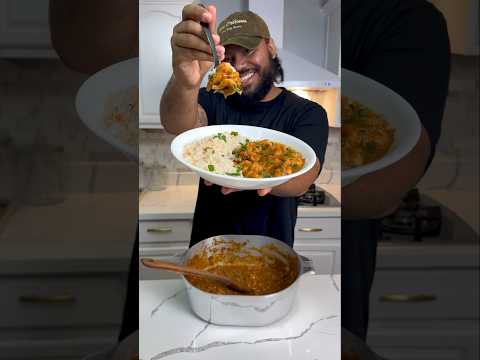
The source video for this recipe. Clear demonstration of roux color targets and the crawfish timing that prevents rubbery results.
2. Louisiana Roux Masterclass
Deep dive into roux science — how color corresponds to flavor development and the window between perfect and burnt.
3. Southern Seafood One-Pot BasicsCovers the holy trinity, spice layering, and how to build Creole sauces from scratch without overcooking your protein.
🛠️ Core Equipment
- Heavy-bottomed pot or Dutch oven ↗Even heat distribution is non-negotiable for roux work. Hot spots burn the flour before it develops color. A [Dutch oven](/kitchen-gear/review/dutch-oven) or thick stainless saucepan is the right tool — thin aluminum pans will ruin you.
- Flat-bottomed whisk ↗You need to keep the roux moving across the entire base of the pan at all times. A flat-bottomed or roux whisk reaches the corners and prevents the flour from sticking and scorching in the spots a round whisk misses.
- Wooden spoon or silicone spatula ↗Once the vegetables go in, switch from the whisk to a spoon for scraping the fond off the bottom. The vegetable moisture will lift the caramelized roux from the pan — scrape every bit of it into the sauce.
- Ladle ↗Étouffée is served over rice in shallow bowls. A ladle gives you control over the sauce-to-rice ratio without flooding the plate. It also lets you skim fat from the surface after the cream goes in if needed.
Proper Crawfish Étouffée (The Louisiana Method That Actually Works)
🛒 Ingredients
- ✦4 tablespoons unsalted butter
- ✦3 tablespoons all-purpose flour
- ✦1 large yellow onion, finely diced
- ✦2 medium celery stalks, diced
- ✦1 large green bell pepper, diced
- ✦4 cloves garlic, minced
- ✦1 pound fresh crawfish tails, peeled
- ✦1.5 cups low-sodium seafood or vegetable stock
- ✦1 can (14 ounces) diced tomatoes with green chiles
- ✦0.5 cup heavy cream
- ✦2 tablespoons tomato paste
- ✦2 teaspoons paprika
- ✦1 teaspoon cayenne pepper
- ✦1 teaspoon dried thyme
- ✦0.5 teaspoon black pepper
- ✦0.5 teaspoon kosher salt
- ✦2 bay leaves
- ✦3 green onions, sliced
- ✦2 cups cooked brown rice, for serving
- ✦Fresh parsley, chopped, for garnish
👨🍳 Instructions
01Step 1
Melt butter in a large heavy-bottomed pot over medium-high heat, stirring occasionally until it foams and turns light amber, about 3 to 4 minutes.
02Step 2
Sprinkle flour evenly over the melted butter and whisk continuously for 5 to 7 minutes until the roux reaches a dark chocolate-brown color. Do not stop whisking and do not walk away.
03Step 3
Add the diced onion, celery, and bell pepper to the roux. Sauté for 6 to 8 minutes, stirring frequently, until the vegetables are fully soft and translucent.
04Step 4
Stir in the minced garlic and tomato paste. Cook for 1 minute until very fragrant and the paste darkens slightly.
05Step 5
Pour in the stock and diced tomatoes with their juice. Add the bay leaves, paprika, cayenne, thyme, black pepper, and salt. Stir well to combine and scrape up any fond from the bottom.
06Step 6
Bring to a gentle boil, then reduce heat to low. Simmer uncovered for 12 to 15 minutes, stirring occasionally, until the sauce thickens and the flavors meld.
07Step 7
Add the crawfish tails to the simmering sauce. Cook for exactly 3 to 4 minutes until heated through. Do not exceed this.
08Step 8
Reduce heat to very low. Slowly drizzle in the heavy cream while stirring gently, incorporating it fully before adding more.
09Step 9
Taste and adjust seasoning. Add more cayenne for heat, salt for depth, or thyme for earthiness. Remove the bay leaves.
10Step 10
Stir in the sliced green onions, reserving a few for garnish.
11Step 11
Serve in shallow bowls over warm brown rice. Garnish with fresh parsley and reserved green onions.
Nutrition Per Serving
Estimates based on standard preparation. Adjustments alter macros.
🔄 Substitutions
Instead of Unsalted butter...
Use Extra virgin olive oil or ghee
Ghee preserves the richness of the roux with less water content, which actually produces a more stable result. Olive oil works but adds a fruity note that isn't traditional.
Instead of Heavy cream...
Use Greek yogurt or half-and-half
Greek yogurt adds a slight tang that cuts the richness well. Stir it in off heat only — it will curdle if added to an actively simmering sauce.
Instead of White rice...
Use Brown rice, wild rice, or riced cauliflower
Brown rice adds nuttiness and holds its texture better under the wet sauce. Cauliflower rice drops carbs dramatically but needs to be fully dried before serving — wet cauliflower rice turns the bowl into soup.
Instead of All-purpose flour...
Use Brown rice flour or sweet rice flour
Maintains thickening power and produces a slightly nuttier roux. Brown rice flour can take slightly longer to reach color — add 1 to 2 extra minutes of whisking time.
🧊 Storage & Reheating
In the Fridge
Store in an airtight container for up to 3 days. The sauce thickens considerably when cold — this is normal and the texture loosens when reheated with a splash of stock.
In the Freezer
Freeze in portions for up to 2 months. Thaw overnight in the fridge. The cream sauce may look slightly broken after thawing — reheat gently over low heat and stir continuously to bring it back together.
Reheating Rules
Add 2 to 3 tablespoons of stock to the portion, cover, and warm over low heat for 8 to 10 minutes, stirring occasionally. Do not microwave — it toughens the crawfish and splits the cream sauce.
❓ Frequently Asked Questions
Can I use shrimp instead of crawfish?
Yes. Medium shrimp (41/50 count) work well — peel and devein them first. The cook time stays the same: 3 to 4 minutes in the simmering sauce. Shrimp release more liquid than crawfish, so your sauce may need an extra 2 minutes of simmering to tighten back up after they go in.
Why does my étouffée taste floury?
The roux didn't cook long enough. A light roux retains a raw, starchy flavor that never fully disappears even after simmering. You need a dark chocolate-brown roux — 5 to 7 minutes of continuous whisking. If your finished dish tastes like flour paste, that's the culprit every time.
How spicy is this recipe?
At 1 teaspoon cayenne for 4 servings, it has a noticeable kick but is not aggressively hot. Reduce to half a teaspoon for a milder result. Traditional Louisiana étouffée sits in the medium-hot range — if you want it restaurant-style, go up to 1.5 teaspoons.
What's the difference between étouffée and gumbo?
Gumbo uses a much darker roux cooked longer, has a thinner, soup-like consistency, and includes okra or filé powder as additional thickeners. Étouffée is thicker, creamier, and built to smother — it coats the rice rather than surrounding it. Both use the holy trinity, but they are fundamentally different dishes.
Do I have to use seafood stock?
No. Low-sodium vegetable stock is a fine substitute and keeps the dish cleaner in sodium. Chicken stock works but adds a poultry undertone that competes slightly with the crawfish. Homemade shrimp stock — from boiling shrimp shells — is the best upgrade if you have it.
My sauce broke when I added the cream. What happened?
The heat was too high or the cream went in too fast. Pull the pot off the burner, let it cool for 60 seconds, then add the cream in a thin, slow stream while stirring constantly. If it's already broken, whisk vigorously off heat — the emulsion often comes back. A tablespoon of cold butter stirred in at the end can also rescue a broken cream sauce.
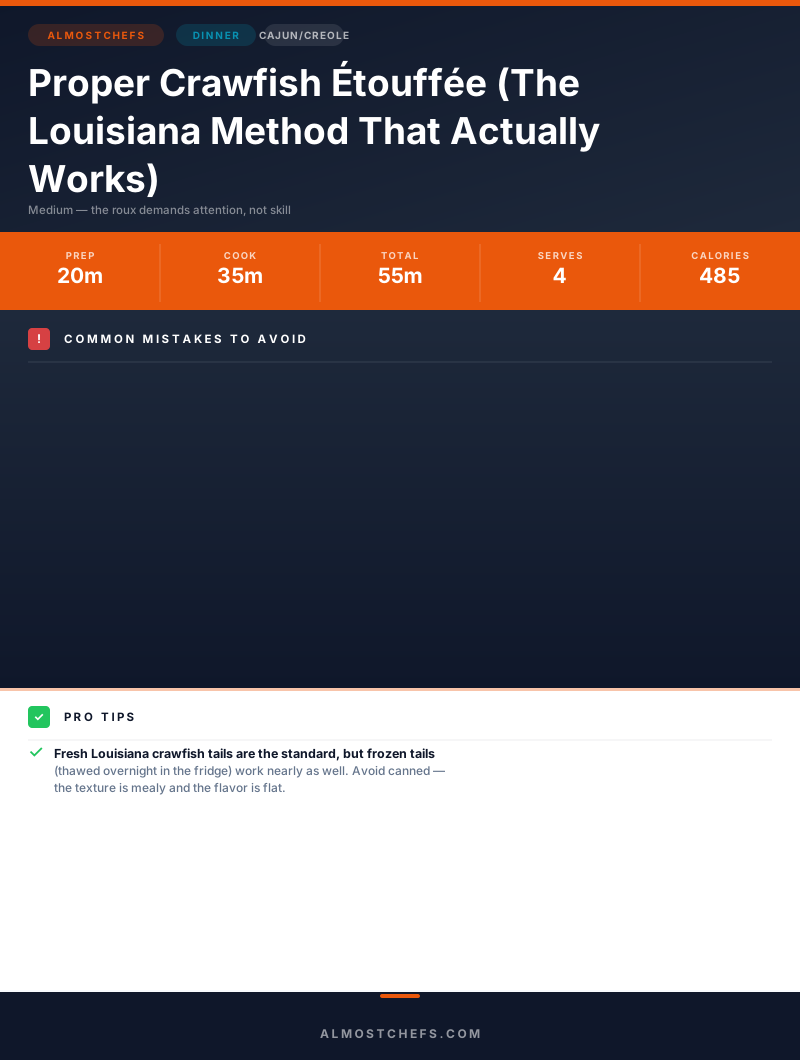
The Science of
Proper Crawfish Étouffée (The Louisiana Method That Actually Works)
We turned everything on this page into a beautiful, flour-proof PDF cheat sheet. Print it out, stick it to your fridge, and never mess up your proper crawfish étouffée (the louisiana method that actually works) again.
*We'll email you the high-res PDF instantly. No spam, just perfectly cooked meals.
AlmostChefs Editorial Team
We translate the internet's most popular cooking videos into foolproof, beginner-friendly written recipes. We analyze multiple methods, test them in our kitchen, and engineer a single "Master Recipe" that gives you the best possible result with the least possible stress.