Homemade Crackers and Cheese (Better Than Anything in a Box)
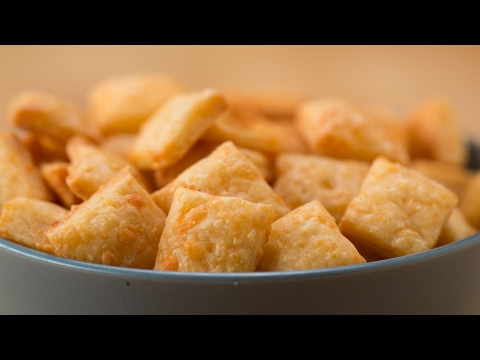
Crispy whole-grain crackers baked fresh with sharp cheddar baked right into the dough, served alongside a two-cheese board of mozzarella and aged gouda. We broke down the technique so the dough stays flaky, the crackers bake evenly, and you never reach for a box again.

“Store-bought crackers are engineered for shelf life, not flavor. The moment you bake cheddar directly into the dough and pull a sheet of crackers from a hot oven, you understand why there's no comparison. This recipe is fast, forgiving, and produces crackers with a snap and depth that no box can replicate. The whole-grain base also means the blood sugar crash that follows a sleeve of Ritz simply doesn't happen here.”
Why This Recipe Works
A cracker is not bread. It's not a vehicle for toppings or a neutral carrier that disappears behind the cheese. A good cracker has a flavor and structure of its own — one that amplifies what goes on top of it rather than disappearing beneath it. The problem with most box crackers is that they're engineered to be inoffensive: lightly salted, uniformly thin, gone the moment you start chewing. That works for factories. It doesn't work for a snack board worth remembering.
The Dough Architecture
This dough uses two flours on purpose. Whole wheat flour carries flavor — nutty, slightly earthy, with a natural depth that all-purpose flour simply doesn't have. But whole wheat alone produces a dense, heavy cracker that breaks in chunks rather than shattering in shards. The all-purpose flour lightens the structure just enough to give you that clean snap without sacrificing the flavor backbone.
The cold butter, worked in by hand, creates micro-pockets of fat throughout the dough. When those pockets hit the oven heat, the fat melts and the steam they release separates the layers slightly — the same principle behind pie crust, only on a smaller scale. This is why skipping the chill destroys the cracker. If the butter is already soft when it hits the oven, it absorbs into the flour instead of steaming. The result is dense and oily instead of flaky and crisp.
The cheddar baked into the dough is not decoration. Grated cheddar contributes fat and salt distributed throughout every layer, which means every bite of cracker has flavor before the cheese board even enters the picture. It also promotes browning — the proteins in the cheese undergo Maillard reaction alongside the flour, producing a deeper golden color and a richer, more complex base.
The Cheese Board Logic
The two-cheese approach on the board — fresh mozzarella against aged gouda — is a deliberate textural and flavor contrast. Fresh mozzarella is milky, elastic, and mild. Aged gouda is firm, crystalline, slightly caramel-sweet from the long aging process. Together they cover the entire spectrum of what cheese can do, from clean and delicate to deep and complex.
The smoked paprika and olive oil drizzle over the cheeses ties the board together. The oil carries fat-soluble flavor compounds from the paprika across every piece of cheese it touches, creating a loose flavor thread that makes the whole board cohesive rather than a collection of separate elements placed adjacent to each other.
For serving, a wooden board or marble slab keeps cheeses at the right temperature longer than a plate. Marble stays cool; wood has enough give that a soft cheese can be spread directly on it without scraping up the surface.
The Whole-Grain Advantage
Beyond flavor, the whole wheat base in these crackers genuinely affects how your body processes the snack. The higher fiber content — 4g per serving versus near-zero in most commercial crackers — slows glucose absorption and prevents the blood sugar spike-and-crash pattern that follows refined-carb snacking. The effect is real: you stay satisfied longer, and you're not reaching for the next handful 10 minutes later.
This isn't compromise nutrition. The fiber is invisible in the final product. The crackers taste better, not worse, for it.
Batch Strategy
The dough holds in the refrigerator for two days and in the freezer, cut and ready to bake, for three months. That means the actual active work — the mixing, the rolling, the cutting — can happen once every few weeks. Baking takes 15 minutes from frozen. The investment in fresh crackers is lower than it looks on the first pass, and every subsequent batch costs almost nothing in time.
That's the real case for making crackers at home: not that it's nostalgic or artisanal or impressive when you bring them to a party, but that once you've done it once, you understand exactly what's in them, they cost less, and they taste better than anything that spent three months in a warehouse before reaching your pantry.
Where Beginners Mess This Up
Before we start, read this. These are the 4 reasons your homemade crackers and cheese (better than anything in a box) will fail:
- 1
Skipping the chill: The butter in this dough needs to be cold when it hits the oven. If you skip the 30-minute refrigeration step, the fat melts before the structure sets and you get flat, greasy crackers instead of flaky, crisp ones. Wrap the dough and walk away.
- 2
Rolling the dough too thick: Crackers cut thicker than 1/8 inch won't crisp through the center before the edges overbrown. Roll thin, rolling from the center outward for even thickness across the entire sheet.
- 3
Pulling them too early: The edges will brown before the centers feel done. That's fine — crackers continue to firm up as they cool. Pulling too early means soft, bendy crackers. Wait for golden edges and let them cool fully on the pan before judging the texture.
- 4
Overworking the dough: Once the water goes in, mix only until the dough holds together. Overworking develops gluten and produces tough, bread-like crackers instead of the short, crumbly snap you want.
The Video Reference Library
Want to see it in action? Here are the exact videos we analyzed and combined to build this foolproof recipe translation:
The core technique for working cold butter and cheese into flour by hand, plus visual cues for when the dough is exactly right before chilling.
2. How to Make Thin, Crispy Homemade Crackers
Focused on rolling technique and thickness control — the most visual explanation of what 1/8-inch dough actually looks like before cutting.
3. Cheese Board and Cracker Pairing GuideCovers how to pair crackers with fresh versus aged cheeses and how the finishing drizzle of olive oil and smoked paprika changes the entire flavor profile of the board.
🛠️ Core Equipment
- Rolling pin ↗Even thickness is critical. A tapered pin makes it easy to roll from center outward and get a consistent 1/8-inch sheet across the whole batch.
- Parchment-lined baking sheet ↗Crackers are low-fat enough that they'll stick to an unlined pan. Parchment also allows you to slide the entire sheet onto a wire rack for even cooling airflow underneath.
- Bench scraper or sharp knife ↗Cookie cutters leave too much scrap and require re-rolling. A bench scraper cuts clean squares and rectangles in one pass and minimizes dough handling.
- Wire cooling rack ↗Cooling crackers on the hot baking sheet traps steam underneath and softens the bottoms. Rack airflow is what delivers the final crisp.
Homemade Crackers and Cheese (Better Than Anything in a Box)
🛒 Ingredients
- ✦1 3/4 cups whole wheat flour
- ✦1/2 cup all-purpose flour
- ✦1/4 cup unsalted butter, softened
- ✦3/4 cup sharp cheddar cheese, finely grated
- ✦1/2 teaspoon fine sea salt
- ✦1/4 teaspoon black pepper
- ✦1/4 teaspoon garlic powder
- ✦2 tablespoons cold water
- ✦1 tablespoon sesame seeds
- ✦1 tablespoon pumpkin seeds
- ✦8 ounces fresh mozzarella cheese, cubed
- ✦4 ounces aged gouda cheese, sliced thin
- ✦2 tablespoons extra virgin olive oil
- ✦1 teaspoon fresh thyme leaves
- ✦1/2 teaspoon smoked paprika
👨🍳 Instructions
01Step 1
Combine whole wheat flour, all-purpose flour, sea salt, black pepper, and garlic powder in a large mixing bowl.
02Step 2
Cut the softened butter into small pieces and add to the flour mixture along with the grated cheddar cheese.
03Step 3
Use your fingertips to rub the butter and cheese into the flour until the mixture resembles coarse breadcrumbs with some pea-sized pieces remaining.
04Step 4
Sprinkle cold water over the mixture one tablespoon at a time, mixing gently with a fork until the dough just comes together without being wet or sticky.
05Step 5
Form the dough into a flat disk, wrap it tightly in plastic wrap, and refrigerate for at least 30 minutes until firm.
06Step 6
Preheat your oven to 375°F and line two baking sheets with parchment paper.
07Step 7
Roll the chilled dough out on a lightly floured surface to about 1/8-inch thickness, working from the center outward.
08Step 8
Cut the dough into desired shapes using a sharp knife or bench scraper, creating roughly 2-inch squares or rectangles.
09Step 9
Arrange the cut crackers on prepared baking sheets in a single layer, spacing them about 1/2 inch apart.
10Step 10
Brush the tops lightly with olive oil and sprinkle with sesame seeds, pumpkin seeds, and fresh thyme leaves.
11Step 11
Bake for 12-15 minutes until the edges are golden brown and the crackers feel firm when pressed. They will crisp further as they cool.
12Step 12
Remove from the oven and let the crackers cool completely on the baking sheet for 5 minutes before transferring to a wire rack.
13Step 13
While crackers cool, arrange the mozzarella cubes and sliced gouda on a serving board or platter.
14Step 14
Drizzle the cheeses with extra virgin olive oil and dust with smoked paprika for color and flavor.
15Step 15
Serve the warm or room-temperature crackers alongside the fresh and aged cheeses for pairing.
Nutrition Per Serving
Estimates based on standard preparation. Adjustments alter macros.
🔄 Substitutions
Instead of All-purpose flour...
Use Additional whole wheat flour or spelt flour
Nuttier flavor and slightly denser texture with improved digestive benefits. Increases fiber content and lowers the glycemic index of the final cracker.
Instead of Unsalted butter...
Use Extra virgin olive oil or ghee
Olive oil produces a more delicate, almost thin-crisp cracker. Ghee adds a rich, slightly nutty flavor and easier digestibility. Reduce to 3 tablespoons if swapping for liquid fat.
Instead of Sharp cheddar cheese...
Use Low-sodium aged cheddar or nutritional yeast
Flavor stays bold and umami-forward with significantly less sodium. Nutritional yeast also adds B vitamins and works well for a dairy-reduced version.
Instead of Mozzarella and gouda pairing...
Use Greek yogurt cheese or ricotta mixed with fresh herbs
Creamier, tangier board experience. Increases protein and adds probiotics that support gut health. Works especially well with seeded crackers.
🧊 Storage & Reheating
In the Fridge
Store baked crackers in an airtight container at room temperature for up to 5 days. Refrigerating them introduces moisture and softens the snap.
In the Freezer
Freeze unbaked cut crackers on a parchment-lined sheet, then transfer to a zip-lock bag for up to 3 months. Bake directly from frozen.
Reheating Rules
If crackers soften, spread them on a baking sheet and bake at 325°F for 4-5 minutes. They crisp back up immediately.
❓ Frequently Asked Questions
Why are my crackers soft instead of crispy?
Three possible causes: you pulled them early before the centers were fully baked through, you skipped the chill and the butter melted before structure set, or you cooled them on the hot pan instead of a wire rack. All three trap moisture. Bake until the edges are golden, rack them immediately, and let them cool completely before testing the texture.
Can I use a food processor instead of working by hand?
Yes. Pulse the dry ingredients with butter and cheese 8-10 times until the mixture resembles coarse crumbs. Add water through the feed tube one tablespoon at a time while pulsing. Stop the moment the dough holds together. Over-processing by even 5 seconds develops too much gluten.
Do I have to dock the crackers with a fork?
Technically no, but without docking, steam builds under the surface and creates air pockets that make the cracker puff up and curl during baking. Docking lets the steam escape and keeps every cracker flat and evenly crisp.
What cheeses work best on the board?
The key is contrast: one fresh, creamy cheese against one aged, firm cheese. The recipe uses mozzarella and gouda, but burrata with manchego, ricotta with aged parmesan, or cream cheese with a sharp 2-year cheddar all follow the same principle.
How do I keep the cheese board from looking like an afterthought?
Three rules: vary the shapes (cubes, slices, and a soft cheese spooned directly onto the board), add a drizzle of olive oil and a pinch of smoked paprika over everything, and leave gaps instead of packing the board. White space makes the board look intentional rather than overloaded.
Can I make these crackers gluten-free?
Yes with caveats. Substitute a 1:1 gluten-free flour blend for the whole wheat and all-purpose flours. The texture will be more crumbly and less flaky since there's no gluten network to create structure. Chill the dough for 45 minutes and handle it gently — it will be more fragile to roll.

The Science of
Homemade Crackers and Cheese (Better Than Anything in a Box)
We turned everything on this page into a beautiful, flour-proof PDF cheat sheet. Print it out, stick it to your fridge, and never mess up your homemade crackers and cheese (better than anything in a box) again.
*We'll email you the high-res PDF instantly. No spam, just perfectly cooked meals.
AlmostChefs Editorial Team
We translate the internet's most popular cooking videos into foolproof, beginner-friendly written recipes. We analyze multiple methods, test them in our kitchen, and engineer a single "Master Recipe" that gives you the best possible result with the least possible stress.