The Cozy Sunday Pot Roast (Set It and Forget It)
A slow-braised chuck roast with root vegetables, aromatics, and a rich red wine pan sauce that builds itself while you ignore it. We broke down the most-watched pot roast tutorials to isolate the three techniques that separate fork-tender from tight and chewy.
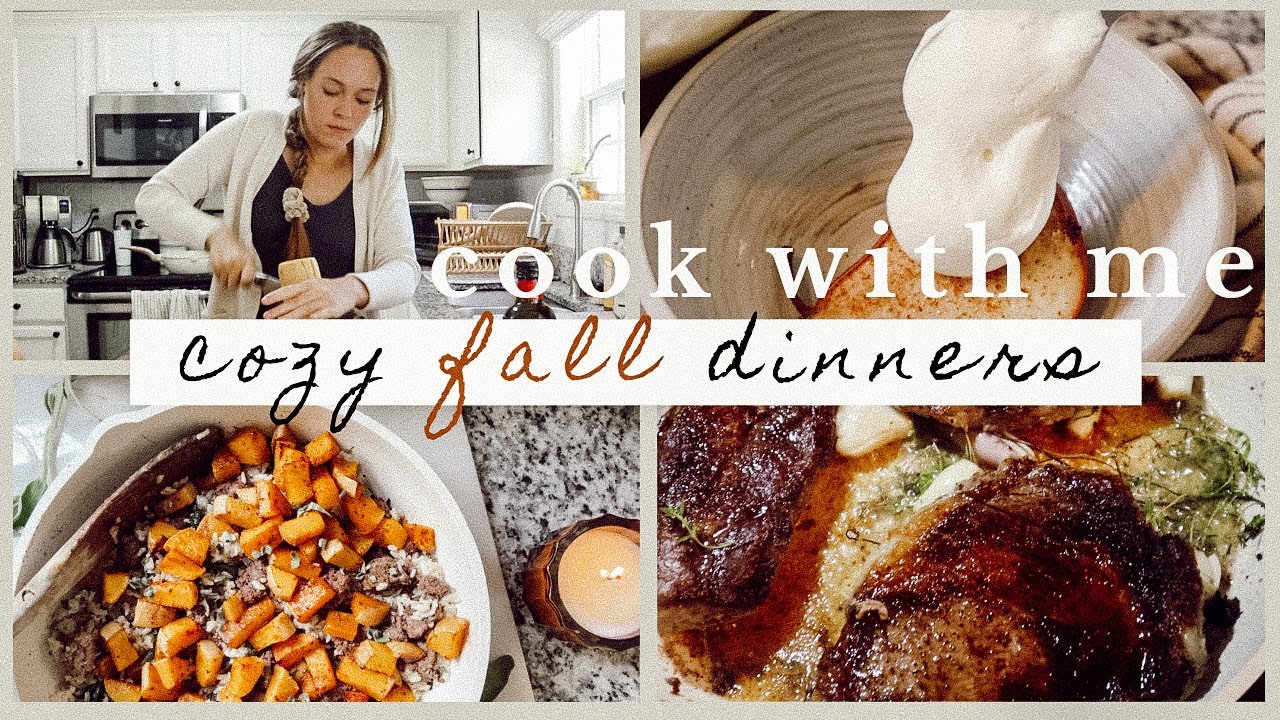
“Pot roast has a reputation problem. Decades of dry, gray slabs pulled from sad slow cookers have convinced home cooks that braised beef is supposed to be mediocre. It isn't. The difference between a roast that falls apart in silky, flavorful shreds and one that resists your fork like a stress ball comes down to three decisions: the cut of meat, whether you actually sear it, and how much liquid you use (hint: less than you think). We watched every major technique video so you don't have to.”
Why This Recipe Works
There is a version of pot roast that has ruined the dish for an entire generation of home cooks — gray, stringy, waterlogged, tasting faintly of sadness and slow-cooker condensation. That version exists because someone, somewhere, decided that convenience mattered more than technique. It doesn't have to be this way. A proper braised chuck roast is one of the most forgiving dishes in the entire canon of home cooking, and it rewards the two or three small decisions you get right with something genuinely magnificent.
The Cut Is Non-Negotiable
Chuck roast comes from the shoulder of the cow, a heavily worked muscle group loaded with connective tissue — specifically collagen. This is not a flaw. This is the entire point. When collagen is held at temperatures between 190°F and 205°F for an extended period, it converts to gelatin, which dissolves into the braising liquid and back into the meat, creating that characteristic silky, pull-apart texture that makes a great pot roast unforgettable. A lean roast has none of this collagen. It cooks to a certain temperature and simply stops — tight, dry, and resistant to everything you try to do to it. The cut is not a budget compromise. It is a technical requirement.
When you're at the butcher counter or the grocery case, look for visible marbling — white fat threads running through the muscle itself, not just a fat cap on top. That intramuscular fat bastes the meat from within during the three-plus hour cook, keeping it moist even as the exterior develops. A well-marbled chuck roast looks almost wasteful with fat. Buy it anyway.
Why the Sear Changes Everything
Skipping the sear is the single most common pot roast mistake, and it's made constantly by people who reason that the meat will be in hot liquid for three hours anyway, so what does a two-minute crust matter? The answer is chemistry. The Maillard reaction — the browning that occurs when proteins and sugars hit sustained dry heat above 300°F — creates hundreds of new flavor compounds that exist nowhere else in the cooking process. No amount of wine, herbs, or broth produces these compounds. They come from one place: the direct contact between meat and a ripping-hot Dutch oven with smoking oil.
The practical result: a seared roast produces a braising liquid that is deeply brown, complex, and almost meaty on its own. An unseared roast produces a braising liquid that tastes like seasoned water. The crust also creates a physical barrier that helps the exterior hold together during the long braise, giving you distinct, hand-pulled pieces rather than an undifferentiated mass.
Liquid Ratio Is a Science, Not a Preference
The instinct to add more liquid — more broth, more wine, fill it up — is wrong and produces worse results. A braise is not a soup. You want the liquid to come halfway up the roast, creating two distinct cooking environments: the submerged bottom half braising in liquid, and the exposed top half steaming in the fragrant, wine-and-herb-infused vapor trapped under the lid. The steam side bastes itself continuously as condensation forms on the lid and drips back down. Cover the roast completely and you eliminate this mechanism entirely, essentially poaching the meat and diluting the concentrated drippings you need for a proper sauce.
This is also why a tight-fitting lid matters. The Dutch oven lid, pressed firmly over the pot, keeps that aromatic steam circulating for the entire three-plus hour cook. If your lid is loose, the aluminum foil trick is not optional — press a sheet across the pot before placing the lid and you'll immediately notice the difference in how vigorously the liquid is still active when you check the vegetables at the two-hour mark.
Building the Sauce in the Same Pot
The fond — the dark, stuck bits left on the bottom after searing — is concentrated Maillard product, and it all belongs in your sauce. The tomato paste added to the softened onions and deglazed into the wine carries the same principle forward: caramelized tomato paste tastes nothing like raw tomato paste. Cook it, brown it slightly, let it stick a little, then scrape it all up with the wine using a sturdy wooden spoon. Every one of those dark bits is flavor you paid for. Don't leave them behind.
After the roast comes out, the braising liquid gets reduced hard on the stovetop — 5 to 8 minutes at a rolling boil — until it tightens into a glossy, spoon-coating sauce. The cold butter swirled in at the end is a classic French technique called montée au beurre, and it does two things: emulsifies the fat into the liquid for a smooth, glossy finish, and rounds out any sharp acidic edges from the wine. It's the difference between a pan sauce that tastes rustic and one that tastes finished.
Where Beginners Mess This Up
Before we start, read this. These are the 4 reasons your the cozy sunday pot roast (set it and forget it) will fail:
- 1
Using the wrong cut: Lean cuts like eye of round or sirloin have no business in a braise. They tighten as they cook and never relax no matter how long you leave them in the oven. Chuck roast — specifically the shoulder — is loaded with collagen and intramuscular fat that dissolves into gelatin over three-plus hours, creating that silky, self-basting interior. There is no substitute.
- 2
Skipping the sear: Dumping a pale roast into liquid and hoping for the best produces a pot roast that tastes boiled. The Maillard reaction from a proper hard sear in smoking-hot oil creates hundreds of flavor compounds that no amount of herbs or wine can replicate. The crust also helps the meat hold its shape during the long braise. Two minutes per side in a ripping-hot pan changes everything.
- 3
Adding too much liquid: A braise is not a soup. You want the liquid to come halfway up the roast — not cover it. Too much liquid dilutes the drippings, creates a watery sauce, and essentially boils the meat instead of steaming it. The top of the roast should remain above the liquid line throughout the entire cook, basting itself in the circulating steam.
- 4
Pulling it too early: Collagen conversion to gelatin requires both time and sustained heat. At 2 hours your roast will be cooked through but still tight. At 3 to 3.5 hours, that collagen fully breaks down and the meat relaxes into pull-apart tenderness. The difference between the two is dramatic. A fork test is your only reliable thermometer here — if it doesn't slide in without resistance, give it another 30 minutes.
The Video Reference Library
Want to see it in action? Here are the exact videos we analyzed and combined to build this foolproof recipe translation:
A thorough walkthrough covering sear technique, liquid ratios, and the exact fork test that signals the roast is done. Particularly strong on the deglazing step and building the braising liquid from scratch.
Focused on vegetable timing — when to add carrots and potatoes so they're tender but not disintegrated. Good visual reference for the sear color you're targeting before the roast goes into the oven.
Breaks down the collagen-to-gelatin science in accessible terms and explains why low-and-slow oven temperature outperforms a slow cooker for this specific application. Recommended for first-time braisers.
🛠️ Core Equipment
- Dutch oven or heavy braising potA [Dutch oven](/kitchen-gear/review/dutch-oven) provides even heat distribution and goes from stovetop sear to oven braise in one vessel. Its heavy lid traps steam and creates the self-basting environment that makes a pot roast tender. Thin pots with loose lids produce wildly uneven results.
- Instant-read thermometerWhile visual and fork cues matter most in braising, a [thermometer](/kitchen-gear/review/instant-read-thermometer) removes guesswork when checking whether the roast is in the right temperature range for collagen breakdown. You're aiming for an internal temperature sustained between 190°F and 205°F.
- Wooden spoon or deglazing scraperThe fond — those dark bits stuck to the bottom after searing — is concentrated flavor. A sturdy [wooden spoon](/kitchen-gear/review/wooden-spoon) is how you liberate it. Ignore it and you leave the best part of the sauce behind.
- Fat separator or ladleChuck roast releases substantial fat during braising. A [fat separator](/kitchen-gear/review/fat-separator) lets you skim the braising liquid cleanly before reducing it into a sauce, so the final result is rich without being greasy.
The Cozy Sunday Pot Roast (Set It and Forget It)
🛒 Ingredients
- ✦3.5 pounds boneless chuck roast, tied if loose
- ✦1.5 pounds baby Yukon Gold potatoes, halved
- ✦4 large carrots, cut into 2-inch chunks
- ✦3 stalks celery, cut into 2-inch pieces
- ✦1 large yellow onion, roughly chopped
- ✦6 cloves garlic, smashed and peeled
- ✦2 tablespoons tomato paste
- ✦1 cup dry red wine (Cabernet or Merlot)
- ✦2 cups low-sodium beef broth
- ✦2 sprigs fresh rosemary
- ✦4 sprigs fresh thyme
- ✦2 bay leaves
- ✦2 tablespoons neutral oil (avocado or vegetable)
- ✦2 tablespoons unsalted butter
- ✦1 tablespoon Worcestershire sauce
- ✦1.5 teaspoons kosher salt
- ✦1 teaspoon freshly ground black pepper
- ✦1 teaspoon garlic powder
- ✦Fresh parsley, roughly chopped, for serving
👨🍳 Instructions
01Step 1
Preheat your oven to 325°F. Pat the chuck roast completely dry with paper towels. Season generously on all sides with kosher salt, black pepper, and garlic powder.
02Step 2
Heat the oil in a large Dutch oven over medium-high heat until shimmering and just beginning to smoke. Sear the roast for 3-4 minutes per side without moving it, until each surface is deeply browned. Sear the short ends too.
03Step 3
Remove the seared roast to a plate. Reduce heat to medium. Add the onion and celery to the pot and cook, stirring, for 3-4 minutes until softened. Add the garlic and cook 1 minute more.
04Step 4
Add the tomato paste and stir it into the onions. Cook for 2 minutes, stirring constantly, until the paste darkens slightly and smells deeply savory.
05Step 5
Pour in the red wine and use a wooden spoon to scrape up every dark bit stuck to the bottom of the pot. Bring to a simmer and cook for 2 minutes to reduce slightly.
06Step 6
Add the beef broth and Worcestershire sauce. Return the seared roast to the pot — it should sit in the liquid with roughly the bottom half submerged. Nestle rosemary, thyme, and bay leaves alongside the roast.
07Step 7
Bring the braising liquid to a gentle simmer on the stovetop. Cover the Dutch oven tightly and transfer to the preheated 325°F oven.
08Step 8
After 2 hours, add the potatoes and carrots around the roast. Push them partially into the liquid. Return the covered pot to the oven.
09Step 9
Braise for an additional 1 to 1.5 hours — 3 to 3.5 hours total — until a fork slides into the thickest part of the roast with zero resistance. The meat should shred at the slightest pull.
10Step 10
Remove the roast and vegetables to a serving platter and tent loosely with foil. Discard the herb sprigs and bay leaves. Skim excess fat from the braising liquid.
11Step 11
Bring the braising liquid to a boil on the stovetop and reduce for 5-8 minutes until it coats the back of a spoon. Remove from heat and swirl in the butter for gloss and richness.
12Step 12
Slice or pull the roast into large chunks. Arrange on the platter with the vegetables. Spoon the reduced pan sauce generously over everything and finish with fresh parsley.
Nutrition Per Serving
Estimates based on standard preparation. Adjustments alter macros.
🔄 Substitutions
Instead of Red wine...
Use Beef broth with 1 tablespoon balsamic vinegar
Loses the tannin depth but the balsamic provides acidity and color. Increase to 1.5 tablespoons if you want more punch. Non-alcoholic red wine also works well here.
Instead of Chuck roast...
Use Bone-in short ribs
More collagen, even more richness. Increase cook time by 30-45 minutes and expect a significantly more gelatinous sauce. Remove the bones before serving or leave them in for presentation.
Instead of Fresh rosemary and thyme...
Use 1 teaspoon dried rosemary and 1 teaspoon dried thyme
Dried herbs have more concentrated flavor — use roughly half the volume. Add them with the broth rather than at the end so they have time to rehydrate and bloom.
Instead of Yukon Gold potatoes...
Use Parsnips and turnips
Adds earthy, slightly bitter complexity. Parsnips in particular absorb the braising liquid beautifully. Add them at the same 2-hour mark as regular potatoes.
🧊 Storage & Reheating
In the Fridge
Store roast and vegetables submerged in braising liquid in an airtight container for up to 4 days. The fat cap that solidifies on top actually preserves freshness — skim it before reheating.
In the Freezer
Freeze portioned roast in its liquid for up to 3 months. The gelatin in the braising liquid protects the meat during freezing. Thaw overnight in the refrigerator.
Reheating Rules
Reheat gently in a covered saucepan over low heat with a splash of beef broth. The microwave works in a pinch but tends to dry the exterior — cover with a damp paper towel and use 50% power.
❓ Frequently Asked Questions
Can I make this in a slow cooker instead of the oven?
You can, but you'll get a different result. A slow cooker doesn't maintain the even ambient heat that an oven does, and the liquid tends to dilute rather than reduce. If you go that route, sear the roast in a separate pan first, keep the liquid amount minimal, and cook on low for 8-10 hours. The oven method produces a noticeably richer sauce.
My roast is still tough after 3 hours. What went wrong?
Two likely causes: the oven temperature was too low, or you started with too lean a cut. Chuck needs to sustain a temperature between 190°F and 205°F internally to convert collagen to gelatin. If the oven runs cool, add 30-45 minutes and check again. If you used a lean cut, more time won't fix the problem — collagen is what makes the meat tender, and lean cuts simply don't have enough of it.
Do I need to truss or tie the roast?
Only if it's coming apart before it goes in the pot. A well-marbled chuck roast generally holds its shape during the sear. If yours is loose or has a flap, a quick tie with kitchen twine helps it cook evenly and makes for a cleaner presentation.
How do I know when the roast is genuinely done?
The fork test is definitive. Insert a fork or skewer into the thickest part and twist. Done correctly, the meat should offer almost no resistance and the fork should pull out a shred without effort. If you feel any springiness or tightness, it needs more time. Don't rely on time estimates alone — ovens vary and roast thickness varies.
Can I add wine if I'm cooking for kids?
The alcohol fully cooks off during the long braise — what remains is the flavor compounds from the wine. That said, if you'd prefer to avoid it entirely, substitute with an equal amount of beef broth plus a tablespoon of balsamic vinegar. The result is slightly less complex but still excellent.
Why does the sauce taste flat even after reducing?
It likely needs salt and acid. Taste critically: if it tastes one-dimensional, add salt in small increments first. If it tastes dull but salty enough, add a small splash of red wine vinegar or a squeeze of lemon. A final swirl of cold butter off the heat adds gloss and rounds out any sharpness.

The Science of
The Cozy Sunday Pot Roast (Set It and Forget It)
We turned everything on this page into a beautiful, flour-proof PDF cheat sheet. Print it out, stick it to your fridge, and never mess up your the cozy sunday pot roast (set it and forget it) again.
*We'll email you the high-res PDF instantly. No spam, just perfectly cooked meals.
AlmostChefs Editorial Team
We translate the internet's most popular cooking videos into foolproof, beginner-friendly written recipes. We analyze multiple methods, test them in our kitchen, and engineer a single "Master Recipe" that gives you the best possible result with the least possible stress.