High-Protein Cottage Cheese Pancakes (35g Per Stack, No Compromise)
Cottage cheese and Greek yogurt blended into a smooth, fluffy batter that delivers 35g of protein per serving without tasting like a supplement shake. We broke down the technique so the texture holds up and the macros actually mean something.
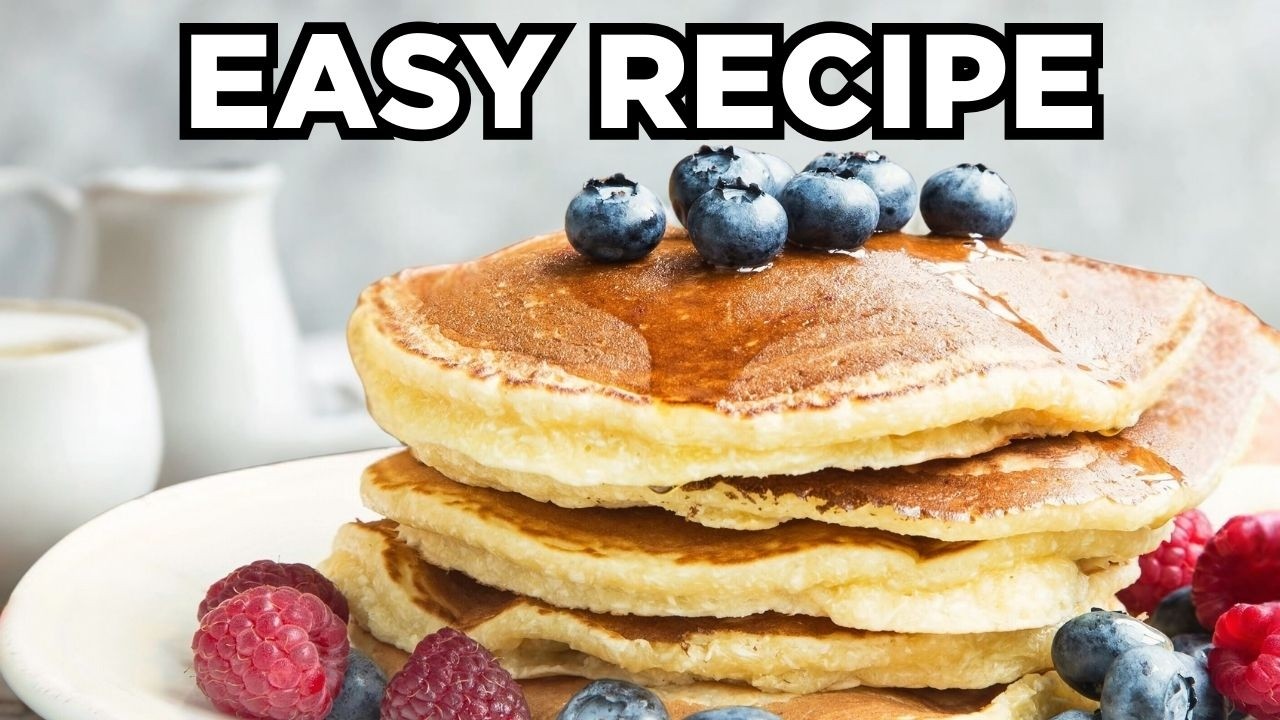
“Most high-protein pancake recipes taste like a compromise. You get the macros, you lose the texture, and by Wednesday of your meal prep week you're eating something that feels punitive. This recipe doesn't do that. By blending full-fat cottage cheese and Greek yogurt into a completely smooth batter, you get fluffy, golden pancakes that taste like breakfast and hit 35g of protein per serving. The trick is in the blend time and the heat control.”
Why This Recipe Works
Cottage cheese pancakes exist in a weird category of food that fitness culture ruined before most people had a chance to try them. The phrase "35 grams of protein" has been attached to so many mediocre breakfast recipes that people hear it and immediately picture something that tastes like effort. These don't. The reason comes down to a single technique that most recipes skip entirely: the full blend.
The Blend Is the Recipe
Cottage cheese is a curd product. Left whole, those curds cook into rubbery, wet pockets that make the pancake taste like a failed quiche. The solution is not a quick stir or a gentle mash — it's a full 1-2 minute high-speed blend with the eggs and Greek yogurt until the mixture looks like heavy cream. No texture, no visible protein strands, nothing. At that point, you don't have cottage cheese in a pancake — you have a high-protein dairy emulsion that cooks exactly like a conventional batter.
This is why a high-speed blender is non-negotiable and not a preference. A fork, a whisk, and even most standard blenders can't break the curds down completely. The visual test is unambiguous: if the mixture isn't uniformly smooth and pale, it needs more time.
Two Protein Sources, One Batter
The Greek yogurt isn't in this recipe for flavor — it's here for protein stacking. Cottage cheese provides roughly 14g protein per cup. Four eggs add another 24g. The half-cup of Greek yogurt closes the gap to 35g while also contributing lactic acid that keeps the batter tender by gently disrupting protein cross-linking before cooking.
The practical result is a pancake that holds together structurally without going dense or rubbery — the two failure modes that define most high-protein breakfast recipes. Protein-heavy batters typically seize up at high heat as the proteins over-coagulate. Medium heat, combined with the moisture-buffering effect of the dairy fat, keeps that from happening.
Heat Control Is the Only Skill Required
This recipe is genuinely easy if you understand one thing: dairy protein sets differently than gluten. Conventional pancakes tell you to flip when bubbles form on the surface. That visual cue doesn't apply here. Cottage cheese batter stays visually wet on the surface long after the edges have set, which causes most cooks to flip too early and tear the pancake.
The correct cue is the edges — specifically the color shift from glossy to matte. When the entire perimeter of the pancake looks dull and dry, the protein structure has locked in enough to hold together through the flip. Not before. A nonstick skillet is the right tool here because it lets you use minimal fat without the pancake sticking during that critical waiting period.
Why Oats and Not Flour
Rolled oats do two things in this batter: they add structure without gluten, and they slow digestion. Flour-based protein pancakes spike blood sugar because refined starch digests fast regardless of the protein content alongside it. Oats provide a longer glucose release, which is the actual mechanism behind the satiety benefit the recipe is designed for.
The pulse technique matters here. You want visible oat pieces — not oat flour. Full blending of the oats creates a gummy, starchy batter that undermines the texture work you did in the first blend step. Four to five pulses is enough. The oats will continue softening in the batter and during cooking.
The Toppings Are Not Optional
Blueberries, almonds, and almond butter aren't garnish — they're completing the nutritional architecture. The blueberries provide anthocyanins that work synergistically with the anti-inflammatory profile of the cinnamon. The sliced almonds add crunch and healthy fat that slows protein absorption slightly, extending satiety. The almond butter adds 3-4g additional protein per tablespoon and enough richness to make this feel like a meal rather than a supplement delivery system.
This is breakfast that doesn't ask you to choose between hitting your macros and eating something you actually want.
Where Beginners Mess This Up
Before we start, read this. These are the 4 reasons your high-protein cottage cheese pancakes (35g per stack, no compromise) will fail:
- 1
Not blending long enough: Cottage cheese has visible curds that will not cook out on their own. If the batter isn't completely smooth before you add the oats, you'll have lumpy, uneven pancakes with pockets of wet cheese in the center. Blend the dairy and eggs for a full 1-2 minutes until the mixture looks like heavy cream — no curds, no texture variation.
- 2
Running the heat too high: Cottage cheese pancakes have more moisture and protein density than flour-based pancakes. High heat scorches the outside before the inside sets. Medium heat is non-negotiable. If your edges are browning in under 2 minutes, pull the heat down immediately.
- 3
Flipping too early: The surface of a cottage cheese pancake looks wet longer than a traditional pancake because of the dairy proteins. Wait until the edges look completely matte and set — not just dry — before flipping. An early flip tears the pancake because the structure hasn't locked in yet.
- 4
Over-pulsing the oats: Once you add the oats, you want a pulse — not a blend. Visible small oat pieces in the batter add texture and help the pancake hold together. Fully ground oats turn the batter gummy and produce a dense, gluey result.
The Video Reference Library
Want to see it in action? Here are the exact videos we analyzed and combined to build this foolproof recipe translation:
The reference video for this recipe. Clear demonstration of the blending technique and the visual cues for when to flip — specifically the matte-edge test that prevents tearing.
🛠️ Core Equipment
- High-speed blenderA standard blender won't fully break down the cottage cheese curds. You need real blade speed to get the batter completely smooth. An immersion blender is a distant second option and requires significantly more time.
- Nonstick skillet or griddleCottage cheese batter sticks aggressively to stainless steel or cast iron without a serious amount of fat. A quality nonstick surface lets you use minimal oil while still getting crisp, clean edges.
- 1/4-cup measuring cupConsistent portion size matters here. These pancakes are thicker and denser than standard pancakes — too large and the center won't cook through before the exterior browns.
- Wide, thin spatulaThe batter is fragile before it's fully set. A wide spatula gets under the whole pancake at once. A narrow one folds the pancake mid-flip.
High-Protein Cottage Cheese Pancakes (35g Per Stack, No Compromise)
🛒 Ingredients
- ✦1 cup full-fat cottage cheese
- ✦4 large eggs
- ✦1/2 cup plain nonfat Greek yogurt
- ✦1/3 cup old-fashioned rolled oats
- ✦2 tablespoons pure vanilla extract
- ✦1 teaspoon ground cinnamon
- ✦1/2 teaspoon baking powder
- ✦1/4 teaspoon sea salt
- ✦2 tablespoons pure maple syrup
- ✦1 teaspoon honey
- ✦2 tablespoons coconut oil or unsalted butter, divided
- ✦1/2 cup fresh blueberries
- ✦1/4 cup sliced almonds, optional
- ✦2 tablespoons low-sugar almond butter, optional
👨🍳 Instructions
01Step 1
Combine the cottage cheese, eggs, and Greek yogurt in a high-speed blender. Blend on high for 1-2 minutes until completely smooth with no visible curds.
02Step 2
Add the rolled oats, vanilla extract, cinnamon, baking powder, and sea salt. Pulse 4-5 times until just combined with small oat pieces still visible.
03Step 3
Pour the batter into a bowl and stir in the maple syrup and honey by hand until evenly distributed.
04Step 4
Heat 1 tablespoon of coconut oil or butter in a large nonstick skillet over medium heat for about 2 minutes until shimmering but not smoking.
05Step 5
Pour 1/4-cup portions of batter onto the skillet, spacing them at least 2 inches apart. Cook for 3-4 minutes until the edges look completely matte and set.
06Step 6
Flip each pancake carefully with a wide spatula and cook the second side for 2-3 minutes until light golden and cooked through.
07Step 7
Transfer to a warm plate. Repeat with the remaining batter, adding more oil between batches as needed.
08Step 8
Top with fresh blueberries, sliced almonds, and a drizzle of almond butter if using. Serve immediately.
Nutrition Per Serving
Estimates based on standard preparation. Adjustments alter macros.
🔄 Substitutions
Instead of Plain nonfat Greek yogurt...
Use Vanilla-flavored Greek yogurt
Adds flavor complexity and reduces the need for additional sweeteners. Protein content stays essentially the same. Good trade if you're simplifying the ingredient list.
Instead of Rolled oats...
Use Vanilla protein powder (1/4 cup) + 2 tablespoons oat flour
Boosts protein by 5-8g per serving and creates a slightly airier crumb. The oat flour preserves structure. Use unflavored or vanilla protein — chocolate turns the batter an odd color.
Instead of Coconut oil or unsalted butter...
Use Avocado oil or ghee
Higher smoke point reduces the risk of burning between batches. Ghee adds a subtle nutty richness that pairs well with the cinnamon. Avocado oil is the neutral option.
Instead of Fresh blueberries...
Use Sliced fresh strawberries or raspberries
Comparable antioxidant content and fiber. Raspberries are slightly more tart and complement the vanilla better. Strawberries add visual contrast without changing the macro profile.
🧊 Storage & Reheating
In the Fridge
Store cooled pancakes in an airtight container for up to 4 days. Layer with parchment paper to prevent sticking.
In the Freezer
Freeze in a single layer on a baking sheet first, then transfer to a zip bag for up to 2 months. The pre-freeze prevents them from fusing together.
Reheating Rules
Place pancakes in a covered nonstick skillet over low heat for 2-3 minutes per side. Microwaving works but softens the edges — acceptable for weekday mornings, not ideal for texture.
❓ Frequently Asked Questions
Why does my batter smell so strongly of vanilla?
Two tablespoons of vanilla extract is intentionally aggressive. Dairy proteins bind to vanilla compounds and mute the flavor during cooking. What smells overwhelming raw will taste balanced in the finished pancake. Reducing it produces flat results.
Can I make these without a blender?
Technically yes, but practically no. Without a high-speed blender, the cottage cheese curds don't fully break down and you get an uneven batter with textural inconsistencies. A food processor is the minimum acceptable substitute — a fork or whisk will not work.
Why are my pancakes falling apart when I flip them?
You're flipping too early. The edges must look completely matte and set before you touch them. The batter looks wet longer than a traditional pancake because of the dairy protein content. Patience at the flip point is the single most important technique in this recipe.
Can I make the batter ahead of time?
Yes, up to overnight in the fridge. The oats will absorb moisture and thicken the batter significantly. Stir in 1-2 tablespoons of water before cooking to return it to pourable consistency. The flavor actually improves slightly after resting.
Are these actually 35g protein per serving?
Yes — the combination of 4 eggs, 1 cup full-fat cottage cheese, and 1/2 cup Greek yogurt stacks three high-quality protein sources into a single batter. The math holds if you're using full-fat cottage cheese and nonfat Greek yogurt as specified. Substituting low-fat dairy across the board drops the protein roughly 4-6g.
Can I make these gluten-free?
Rolled oats are technically gluten-free but are frequently processed in facilities with wheat. For a certified gluten-free version, use certified GF rolled oats. The recipe requires no other modification — the oats are the only potential gluten source.
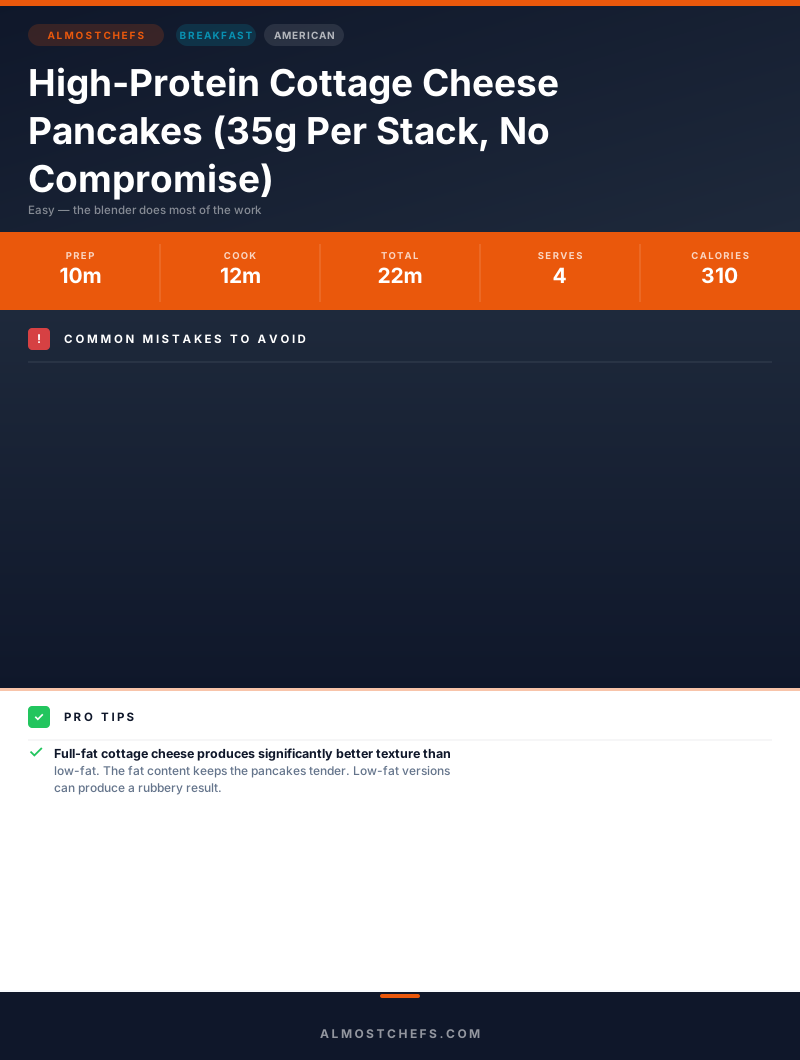
The Science of
High-Protein Cottage Cheese Pancakes (35g Per Stack, No Compromise)
We turned everything on this page into a beautiful, flour-proof PDF cheat sheet. Print it out, stick it to your fridge, and never mess up your high-protein cottage cheese pancakes (35g per stack, no compromise) again.
*We'll email you the high-res PDF instantly. No spam, just perfectly cooked meals.
AlmostChefs Editorial Team
We translate the internet's most popular cooking videos into foolproof, beginner-friendly written recipes. We analyze multiple methods, test them in our kitchen, and engineer a single "Master Recipe" that gives you the best possible result with the least possible stress.