Fluffy Cottage Cheese Pancakes (38g Protein, Zero Compromise)
High-protein cottage cheese pancakes with a Greek yogurt cloud topping that delivers 38g of protein per serving without tasting like a supplement shake. We broke down the blending technique, heat management, and topping ratios to make this the only high-protein pancake recipe you'll ever need.
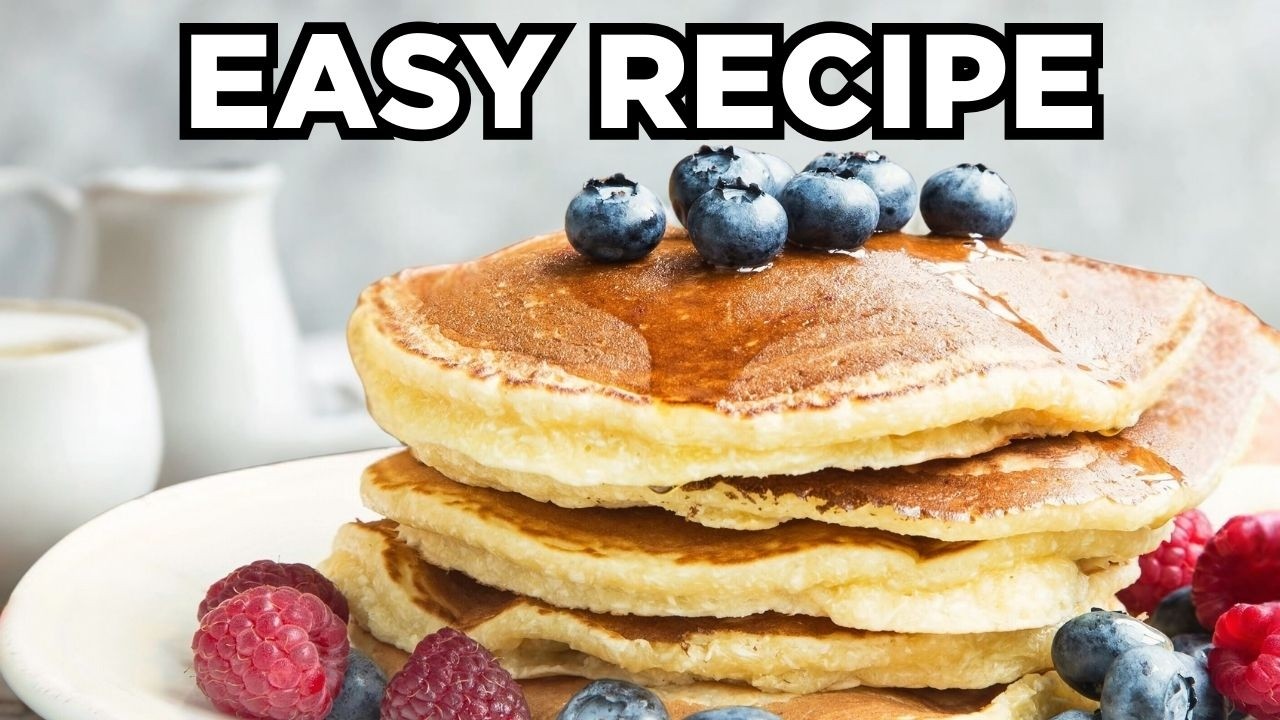
“Most high-protein pancakes taste like gym chalk folded into disappointment. These don't. The cottage cheese vanishes completely into the batter during blending, leaving behind nothing but structure, moisture, and 22g of protein before you've even touched the yogurt topping. Add the Greek yogurt cloud on top and you're at 38g per serving — with a stack that looks like a weekend brunch special, not a macro calculation.”
Why This Recipe Works
High-protein pancakes exist on a spectrum between two failure modes: the ones that taste like sawdust pressed into a disc, and the ones that are structurally indistinguishable from wet paper. Both failures come from the same mistake — treating protein as an additive rather than a structural ingredient. This recipe is built differently. The cottage cheese isn't sprinkled in as an afterthought. It is the batter.
The Blender Is the Technique
Cottage cheese has a texture problem. Left as-is, the curds create rubber pockets inside the pancake — dense, chewy islands surrounded by cooked egg. The solution is mechanical force applied for long enough that the curds break down completely into a homogeneous liquid. Forty-five seconds in a high-powered blender at full speed is the threshold. Below that, you get spotted batter. Above it, you get something that pours and cooks like a thin crepe batter crossed with a soufflé base.
The oats go in during blending too, which does something important: the blades break them down into a fine flour-like consistency that distributes throughout the batter instead of sitting in heavy clusters. This is why the finished pancake has a unified, fluffy crumb rather than the dense, granola-bar texture you get from stirring whole oats into batter manually.
Heat Is the Variable Nobody Talks About
Standard pancake recipes give you some margin for error on pan temperature. High-protein batters do not. Cottage cheese and eggs set faster than gluten-based batters, which means a pan that's slightly too hot produces a deeply browned bottom before the interior has finished cooking. The target is a shimmer — butter that's liquid and active but not browning. At this temperature, the bottom sets gradually and the interior has time to puff before the exterior locks in place.
A nonstick skillet is non-negotiable here. The protein in cottage cheese and eggs binds aggressively to uncoated surfaces at cooking temperatures. Cooking these in stainless steel without a significant amount of additional fat is an exercise in frustration. A quality nonstick surface means you can stay at the low-fat levels the recipe calls for and still get clean releases every time.
The Yogurt Topping Is Load-Bearing
The Greek yogurt cloud topping isn't a garnish. It's the second act of the protein strategy. One cup of nonfat Greek yogurt adds roughly 16g of protein to the stack — which is why the per-serving total lands at 38g rather than the 22g you'd get from the pancakes alone. It also provides a cold, tangy counterpoint to the warm, subtly sweet pancakes below. Hot and cold. Sweet and tangy. This contrast is what makes the dish feel like a restaurant-quality brunch plate rather than a functional meal prep stack.
The honey is there for balance, not sweetness. A tablespoon across four servings adds less than 1g of sugar per serving. What it actually does is round off the lactic sharpness of the yogurt and bring the vanilla forward. Skip it and the topping tastes clinical. Add it and the whole dish coheres.
Flaxseed as Finishing Move
Ground flaxseed at the end looks like a wellness flourish and delivers like one too — but the real reason it's here is textural. It adds a faint nuttiness and mild crunch that the rest of the dish is missing. The pancakes are soft. The yogurt is creamy. The blueberries are juicy. A sprinkle of flaxseed gives every bite something to land on. That's not an accident. That's architecture.
Where Beginners Mess This Up
Before we start, read this. These are the 4 reasons your fluffy cottage cheese pancakes (38g protein, zero compromise) will fail:
- 1
Not blending long enough: Cottage cheese is lumpy by nature and will stay that way if you pulse it half-heartedly. Forty-five seconds on high is the minimum to break down the curds completely. If you see white specks in the batter, keep blending. Those specks become rubbery pockets in the finished pancake.
- 2
Skillet too hot when you pour the batter: Cottage cheese batters cook faster than all-purpose flour batters because of the higher protein content. A screaming hot pan will set the outside before the inside has any chance to puff. Medium-high heat until the butter shimmers — not browns, not smokes. The moment it starts browning, the pan is already too hot.
- 3
Flipping too early: Wait for the edges to look fully set and for bubbles to form and pop across the surface of the pancake. Cottage cheese pancakes hold less structural integrity than flour-based ones while raw. Flip too soon and you get a folded mess. The bottom should be visibly golden before the spatula makes contact.
- 4
Overmixing after blending: Once the dry ingredients (cinnamon, baking powder, salt) go into the blended batter, fold them in with a spatula — three or four strokes maximum. Overmixing deflates the air incorporated during blending and activates the baking powder prematurely. Lumps at this stage are fine. Smooth batter means flat pancakes.
The Video Reference Library
Want to see it in action? Here are the exact videos we analyzed and combined to build this foolproof recipe translation:
The source video for this recipe — covers blending technique, heat management, and the yogurt topping construction. Watch the close-up on when the edges set before flipping.
🛠️ Core Equipment
- High-powered blenderCottage cheese curds require serious mechanical force to emulsify smoothly into batter. An immersion blender or food processor won't produce the same completely smooth result. The blender is the technique.
- Nonstick skillet or griddleHigh-protein batters have a stronger tendency to stick than flour-based ones. A quality nonstick surface means you can cook with minimal butter and still get clean releases without tearing. A cast iron pan works but requires more fat and closer temperature management.
- 1/4 cup measuring scoopConsistent pancake size means consistent cook times. Free-pouring produces wildly different sizes that require different flip windows — then half the batch is underdone while you're managing the other half.
- Wide, thin spatulaThese pancakes are more delicate than standard flour pancakes. A wide, thin blade slides under the full surface cleanly without breaking the pancake mid-flip.
Fluffy Cottage Cheese Pancakes (38g Protein, Zero Compromise)
🛒 Ingredients
- ✦1 cup low-fat cottage cheese
- ✦4 large eggs
- ✦1/2 cup old-fashioned rolled oats
- ✦1/4 cup unsweetened almond milk
- ✦2 tablespoons pure vanilla extract
- ✦1 teaspoon ground cinnamon
- ✦1/2 teaspoon baking powder
- ✦1/4 teaspoon sea salt
- ✦1 cup plain nonfat Greek yogurt
- ✦1 tablespoon raw honey
- ✦1 teaspoon vanilla extract
- ✦2 tablespoons unsalted butter, for cooking
- ✦1/2 cup fresh blueberries, for topping
- ✦2 tablespoons sliced almonds, for garnish
- ✦1 tablespoon ground flaxseed, for serving
👨🍳 Instructions
01Step 1
Combine cottage cheese, eggs, rolled oats, almond milk, and 2 tablespoons vanilla extract in a blender and blend on high speed for 45 seconds until completely smooth and pourable.
02Step 2
Transfer batter to a medium bowl and gently fold in cinnamon, baking powder, and sea salt with a spatula until just combined — three or four strokes only. Do not overmix.
03Step 3
Whisk together Greek yogurt, honey, and 1 teaspoon vanilla extract in a small bowl for about 1 minute until light and fluffy. Set aside.
04Step 4
Heat 1 tablespoon butter in a nonstick skillet over medium-high heat until the surface shimmers and just begins to look foamy — about 1 minute. Do not let it brown.
05Step 5
Pour 1/4 cup batter per pancake onto the skillet, spacing them at least 2 inches apart. Cook until edges appear fully set and bubbles form and pop across the surface, approximately 3-4 minutes.
06Step 6
Flip each pancake carefully and cook the second side until golden brown and cooked through, about 2-3 minutes more.
07Step 7
Transfer cooked pancakes to a warm plate. Repeat with remaining butter and batter for two more batches.
08Step 8
Top each warm pancake stack with a generous dollop of Greek yogurt topping, then scatter fresh blueberries and sliced almonds over the surface.
09Step 9
Finish with a sprinkle of ground flaxseed and serve immediately while still warm.
Nutrition Per Serving
Estimates based on standard preparation. Adjustments alter macros.
🔄 Substitutions
Instead of Old-fashioned rolled oats...
Use 1/2 cup vanilla protein powder mixed with 2 tablespoons ground psyllium husk
Produces a slightly denser, more cake-like texture. Boosts protein by an additional 12-15g per serving and reduces carbs by roughly 8g. The psyllium husk replaces the binding function of the oats.
Instead of Unsweetened almond milk...
Use 1/4 cup almond milk with 2 tablespoons collagen peptides stirred in
No noticeable taste or texture difference. Adds 6g of additional protein and supports joint health. Collagen is flavorless and dissolves cleanly into the batter.
Instead of Plain nonfat Greek yogurt topping...
Use 1 cup plain nonfat Greek yogurt mixed with 2 tablespoons allulose or monk fruit sweetener and 1/4 teaspoon vanilla extract
Creates a slightly sweeter, more dessert-like topping with zero glycemic impact. Maintains the full 20g protein per serving in the topping.
Instead of Fresh blueberries...
Use 1/2 cup diced grilled peaches or blackberries with 1 tablespoon almond butter drizzle
Warmer, more caramelized flavor profile. The almond butter adds richness and healthy fats while slightly boosting satiety.
🧊 Storage & Reheating
In the Fridge
Store cooked pancakes flat in an airtight container with parchment paper between layers for up to 4 days. Store yogurt topping separately in a sealed container for up to 3 days.
In the Freezer
Freeze cooled pancakes individually on a baking sheet for 1 hour, then transfer to a freezer bag for up to 2 months. Do not freeze the yogurt topping.
Reheating Rules
Reheat in a dry nonstick skillet over medium heat for 60 seconds per side. The microwave works in a pinch but makes the texture rubbery and wet. The skillet brings back the exterior crispness.
❓ Frequently Asked Questions
Can I taste the cottage cheese in these pancakes?
No — and that's the point. Blending the cottage cheese for a full 45 seconds emulsifies the curds completely into the batter. What remains is moisture, protein, and structure. The vanilla and cinnamon do the rest. If someone can identify cottage cheese in these pancakes by taste, you didn't blend long enough.
Why are my pancakes falling apart when I flip them?
You flipped too early. Cottage cheese batters need more time than flour batters to set before flipping. Wait until the edges look fully opaque and set, and bubbles are forming and popping across the entire surface. If in doubt, wait another 30 seconds. Early flipping is the most common failure point with protein pancakes.
Can I make the batter the night before?
Yes, with one adjustment. The oats will absorb liquid overnight and the batter will thicken significantly. Add 2-3 tablespoons of almond milk the next morning and stir gently before cooking. Do not re-blend — the baking powder will have already started activating and you'll deflate what's left.
How do I know when the skillet is at the right temperature?
The butter should shimmer with small foam forming at the edges — this means the surface temperature is around 325-350°F, which is ideal for protein-rich batters. If the butter browns immediately, the pan is too hot. Remove from heat for 30 seconds, then try again.
Is the Greek yogurt topping actually thick enough to stay on pancakes?
Yes, as long as you use nonfat Greek yogurt — not regular yogurt, not low-fat yogurt. Greek yogurt has been strained to remove most of the whey, giving it a thick, almost cream-cheese consistency that holds shape when whisked. Regular yogurt will slide right off.
Can I use this batter for waffles?
Yes. The batter works well in a standard waffle iron — cook on medium-high for about 4 minutes until steam stops escaping from the sides. The higher protein content means waffles crisp more aggressively than flour-based ones, so watch closely on the first one to calibrate your iron's timing.
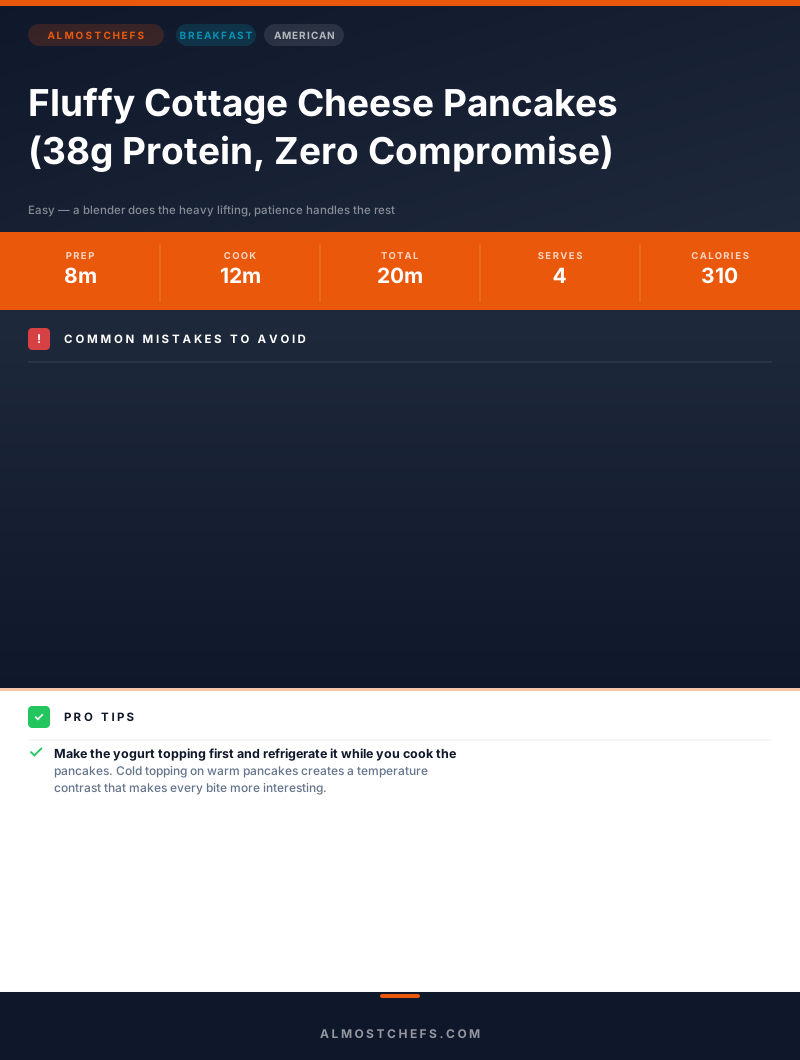
The Science of
Fluffy Cottage Cheese Pancakes (38g Protein, Zero Compromise)
We turned everything on this page into a beautiful, flour-proof PDF cheat sheet. Print it out, stick it to your fridge, and never mess up your fluffy cottage cheese pancakes (38g protein, zero compromise) again.
*We'll email you the high-res PDF instantly. No spam, just perfectly cooked meals.
AlmostChefs Editorial Team
We translate the internet's most popular cooking videos into foolproof, beginner-friendly written recipes. We analyze multiple methods, test them in our kitchen, and engineer a single "Master Recipe" that gives you the best possible result with the least possible stress.