High-Protein Cottage Cheese Pancakes (38g Per Stack)
Cottage cheese and eggs replace flour entirely in these light, fluffy protein pancakes — topped with toasted almonds, fresh berries, and Greek yogurt. We reverse-engineered the blending technique and baking powder timing to get a stack that actually holds together and doesn't taste like a protein shake.
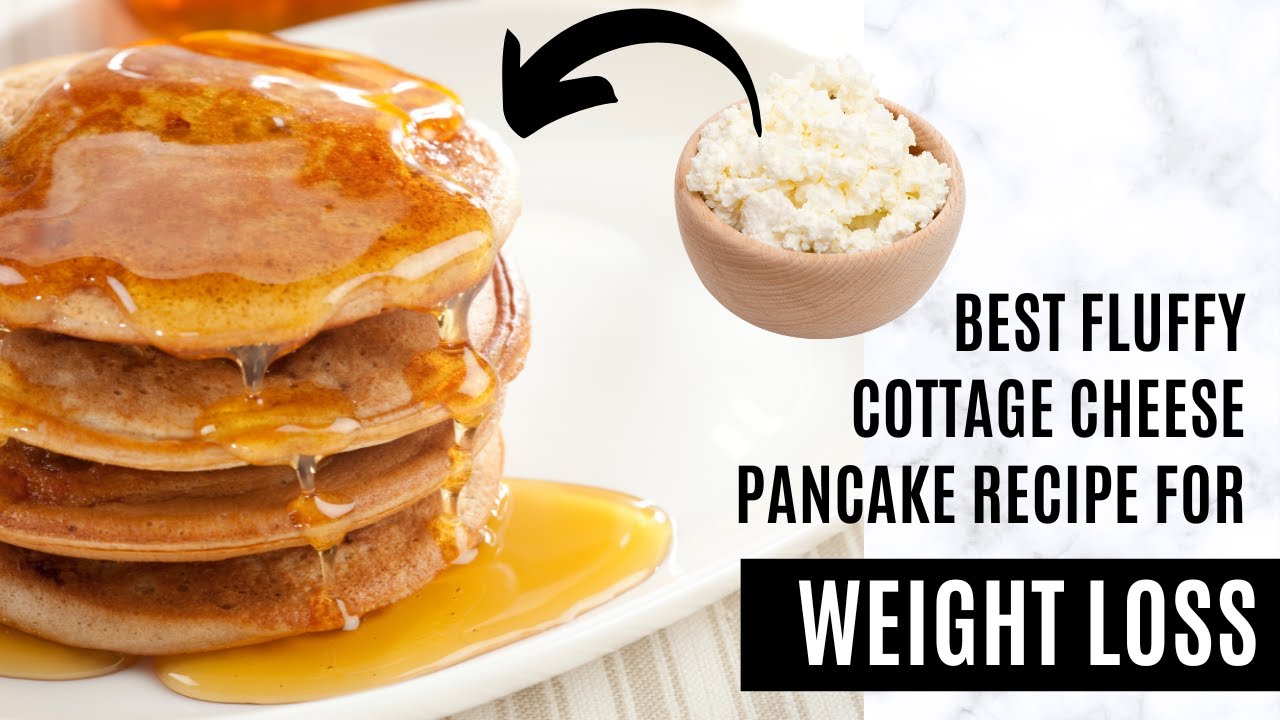
“Protein pancakes have a reputation for being dense, rubbery, and vaguely medicinal. That reputation is earned — because most recipes dump protein powder into regular pancake batter and call it a day. This one is built differently. Cottage cheese is the batter. Eggs are the structure. The protein powder is a whisper, not a shout. The result is 38 grams of protein per serving in a stack that tastes like breakfast, not a supplement.”
Why This Recipe Works
Cottage cheese pancakes occupy a specific niche in the breakfast landscape: the territory between "food that's good for you" and "food that actually tastes good." Most high-protein pancake recipes fail because they treat protein as an addition to a standard recipe. Dump some powder in, cut some calories, call it healthy. The texture collapses. The flavor goes chemical. You eat them because you're supposed to, not because you want to.
This recipe inverts that logic entirely. Cottage cheese is not a supplement here — it is the batter. And that changes everything.
Why Cottage Cheese Works as a Base
Cottage cheese is approximately 70% water, 14% protein, and 8% fat per cup. That protein — primarily casein — behaves differently than flour-based starch structures when heated. Rather than forming a gluten network that provides chew, the casein proteins coagulate when they hit a hot pan, creating a set that is tender rather than chewy. The result is a pancake with a custardy interior and a lightly crisp exterior — closer in texture to a thin French crêpe or a well-made German Pfannkuchen than to a diner short stack.
The eggs reinforce that protein matrix. Four eggs in a four-serving recipe is aggressive by pancake standards — traditional recipes use one egg per cup of flour. Here, the eggs serve as both binder and leavening. Their proteins set during cooking and hold the pancake together in the absence of gluten. The yolks contribute fat that keeps the interior moist. This is why the flip timing matters so much: you're waiting for egg proteins to coagulate, not for gluten bubbles to pop.
The Baking Powder Timing Problem
Standard pancake recipes can absorb baking powder early because the starch matrix in flour slows down the leavening reaction. There's buffer time. A cottage cheese batter has no starch, which means the baking powder reacts with the dairy's natural lactic acid almost immediately. If you blend it in at the start, you've already spent the leavening before a single pancake hits the pan.
The fix is structural, not ingredient-based: blend everything else, then fold the baking powder in by hand at the last possible moment. Eight to ten gentle folds, then pan immediately. This preserves the CO2 bubbles for the heat to expand, which is how you get pancakes that puff slightly on the griddle rather than lying flat like protein crepes.
The Role of the Greek Yogurt
Greek yogurt here serves two functions that cottage cheese cannot. First, it adds a smoother emulsification to the batter — the thicker protein structure of strained yogurt acts as a partial binder that ties the eggs and cottage cheese into a more cohesive liquid. Second, it contributes additional tang that counters the sweetness of the vanilla and honey, keeping the flavor balanced rather than cloying.
Full-fat is the correct choice. Low-fat Greek yogurt contains stabilizers (pectin, gelatin, modified starch) that manufacturers add to compensate for the removed fat. These stabilizers can make the batter gummy and cause uneven browning. The fat in full-fat yogurt also carries flavor compounds that the heat activates during cooking — low-fat versions taste flat in a hot pan.
The Almond Question
Toasted almonds on a protein breakfast are doing real work beyond texture. Raw almonds taste bland and slightly bitter due to tannins in their skin. Three to four minutes in a dry skillet drives off moisture, oxidizes some surface oils into aromatic compounds, and triggers a minor Maillard reaction in the outer protein layer. The result is nuttier, richer, and structurally crunchier — the skin tightens slightly and the nut firms up.
That crunch is the textural counterpoint the soft pancake needs. Without it, every bite is uniform softness from top to bottom. The berries add acidity and moisture. The yogurt adds cold creaminess. The almonds add crunch and warmth. Strip any one of those elements and the dish loses its layered interest.
Protein Math and Why It Matters
Thirty-eight grams of protein per serving is a meaningful number. Research on muscle protein synthesis suggests that 30-40 grams per meal is the optimal range for maximizing the anabolic response — above that, the excess is oxidized for energy rather than used for muscle repair. This stack hits that window precisely, which is why it's structured as a post-workout breakfast rather than a casual weekday option.
The protein comes from distributed sources rather than a single dominant ingredient — cottage cheese, eggs, Greek yogurt, protein powder, almonds. Each source contributes different amino acid profiles and different absorption rates. The result is a more complete amino acid coverage than a single-source protein meal, which matters if muscle retention or recovery is the actual goal.
Where Beginners Mess This Up
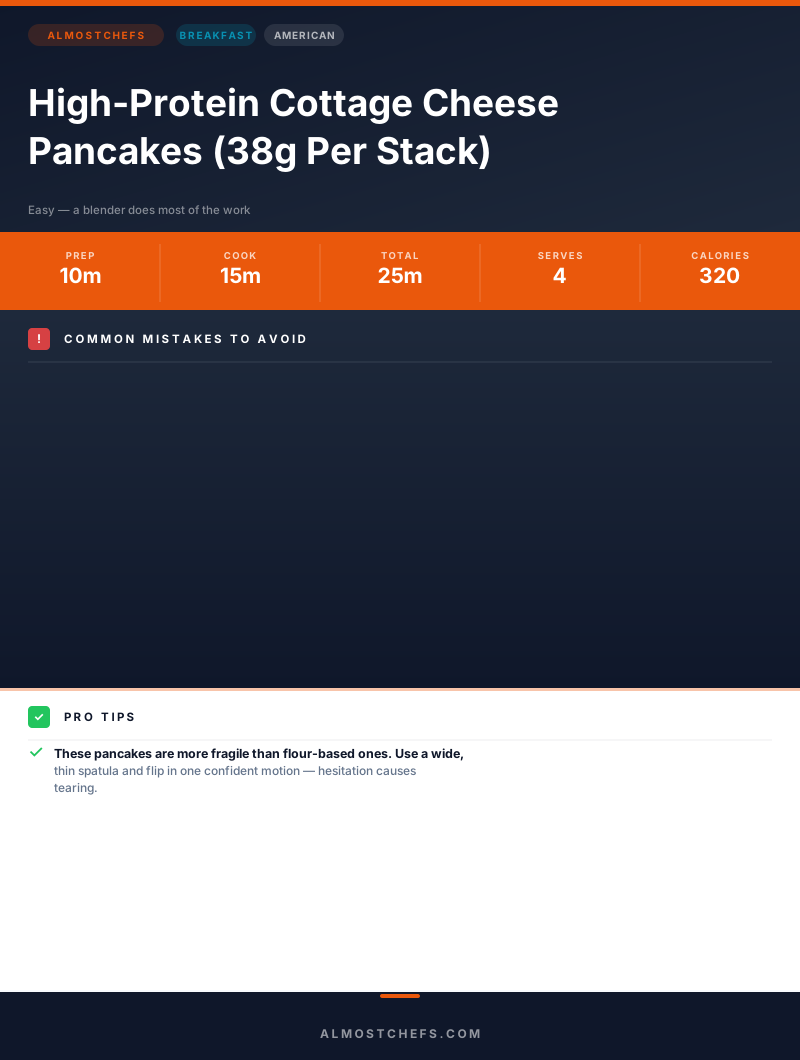
Before we start, read this. These are the 4 reasons your high-protein cottage cheese pancakes (38g per stack) will fail:
- 1
Not blending long enough: Cottage cheese has a lumpy, curdled texture that will not cook out on its own. You need at least 90 seconds in a food processor or high-speed blender to get a completely smooth batter. Any remaining curds create wet pockets in the pancake that don't cook through, leaving you with a rubbery, uneven result.
- 2
Adding baking powder too early: Baking powder activates the moment it hits liquid. If you blend it in with everything else, it expends its leavening power before the batter hits the pan. Add it by hand after blending, fold gently, and cook immediately. This single step is the difference between pancakes that puff and pancakes that lie flat.
- 3
Cooking on heat that's too high: Cottage cheese pancakes contain less starch than traditional pancakes, which means they burn on the outside while staying wet in the center if the heat is too aggressive. Medium heat — not medium-high — and patience. Wait for fully set edges before flipping. These are not forgiving of an early flip.
- 4
Skipping the almond toast: Raw almonds on top of pancakes taste like nothing. Three to four minutes in a dry skillet unlocks their oils, deepens their flavor, and adds the crunch contrast the soft pancake needs. It takes four minutes. Do not skip it.
The Video Reference Library
Want to see it in action? Here are the exact videos we analyzed and combined to build this foolproof recipe translation:
The source video that demonstrates the blending technique and shows exactly what the batter consistency should look like before it hits the pan. Watch for the edge-set cue before flipping.
🛠️ Core Equipment
- Food processor or high-speed blenderThe only tool that fully emulsifies cottage cheese into a smooth batter. A standard immersion blender will leave lumps. Smooth batter is not optional — it's the entire technique.
- Non-stick griddle or skilletCottage cheese batter is stickier than standard pancake batter due to its protein and fat content. A well-seasoned non-stick surface prevents tearing when you flip. Stainless steel will fight you.
- Dry skillet for toasting almondsToasting in a dry pan concentrates the almond's natural oils without adding fat. Oil or butter suppresses the browning reaction and steams the nuts instead of roasting them.
- 1/4-cup measuring cupUniform portion sizes ensure all pancakes cook at the same rate. Eyeballing sizes means the smaller ones burn while the larger ones are still raw in the center.
High-Protein Cottage Cheese Pancakes (38g Per Stack)
🛒 Ingredients
- ✦1 cup full-fat cottage cheese
- ✦4 large eggs
- ✦1/3 cup plain Greek yogurt
- ✦2 tablespoons vanilla protein powder (whey or plant-based)
- ✦1 teaspoon vanilla extract
- ✦1/2 teaspoon ground cinnamon
- ✦1/4 teaspoon sea salt
- ✦1/4 teaspoon baking powder
- ✦2 tablespoons unsalted butter or ghee, divided
- ✦1 cup mixed fresh berries (blueberries, raspberries, blackberries)
- ✦1/3 cup raw almonds, roughly chopped
- ✦2 tablespoons raw honey or maple syrup
- ✦1/4 cup full-fat Greek yogurt for topping
- ✦Pinch of nutmeg for garnish
👨🍳 Instructions
01Step 1
Blend the cottage cheese, eggs, Greek yogurt, vanilla protein powder, vanilla extract, cinnamon, and sea salt in a food processor until completely smooth, about 1-2 minutes.
02Step 2
Pour the blended mixture into a medium bowl and gently fold in the baking powder with a spatula until just combined. Do not stir aggressively.
03Step 3
Toast the chopped almonds in a dry skillet over medium heat for 3-4 minutes, stirring frequently, until fragrant and lightly golden. Transfer to a small plate immediately.
04Step 4
Warm a non-stick griddle or large skillet over medium heat and coat lightly with 1 tablespoon of butter.
05Step 5
Pour 1/4-cup portions of batter onto the hot griddle, spacing them about 3 inches apart. Cook for 3-4 minutes until the edges appear fully set and the bottom is light golden.
06Step 6
Flip each pancake carefully and cook the second side for 2-3 minutes until golden brown and cooked through. Transfer to a warm plate.
07Step 7
Repeat with remaining batter and butter, working in batches. Keep finished pancakes in a low oven (200°F) while you finish the batch.
08Step 8
Toss the fresh berries gently in a small bowl.
09Step 9
Stack the warm pancakes on serving plates and drizzle with honey or maple syrup.
10Step 10
Top each stack with a spoonful of Greek yogurt, a generous handful of toasted almonds, and a scatter of fresh berries.
11Step 11
Finish with a light dusting of nutmeg and serve immediately.
Nutrition Per Serving
Estimates based on standard preparation. Adjustments alter macros.
🔄 Substitutions
Instead of Vanilla protein powder...
Use Unflavored collagen peptides or plant-based vanilla protein
Collagen creates slightly denser pancakes but adds 10g protein per serving without altering taste. Plant-based protein works well and keeps the recipe vegan-friendly if paired with an egg substitute.
Instead of Full-fat cottage cheese...
Use 2% cottage cheese or ricotta cheese
2% reduces fat and calories while maintaining protein. Ricotta creates a slightly airier, less tangy pancake. Both work — full-fat just tastes better.
Instead of Mixed fresh berries...
Use Frozen berries (thawed) or fresh sliced peaches
Thaw frozen berries completely and pat dry before topping — excess liquid will make the pancake stack soggy. Peaches add natural sweetness and let you reduce the honey.
Instead of Raw almonds...
Use Chopped pecans, walnuts, or hemp seeds
Pecans and walnuts toast faster — watch carefully at 2 minutes. Hemp seeds don't need toasting and add 10g protein per 3 tablespoons with a mild, nutty flavor.
🧊 Storage & Reheating
In the Fridge
Store cooled pancakes in an airtight container with parchment between layers for up to 4 days. Store toppings separately — berries and yogurt should never be stored on the pancakes.
In the Freezer
Freeze in a single layer on a baking sheet until solid, then transfer to a zip-lock bag for up to 2 months. Reheat directly from frozen.
Reheating Rules
Reheat in a toaster or dry skillet over low heat for 2-3 minutes per side. The microwave works but softens the exterior — acceptable for speed, not for texture.
❓ Frequently Asked Questions
Why are my cottage cheese pancakes falling apart when I flip them?
Two likely causes. First, you flipped too early — the edges must be fully set and dry before the pancake is structurally sound enough to flip. Second, your heat was too high, cooking the outside before the interior set. Medium heat and patience solve both problems.
Can I make the batter the night before?
You can blend and refrigerate the base batter (without baking powder) overnight. Add the baking powder in the morning, fold gently, and cook immediately. Pre-mixed baking powder loses its leavening power overnight, which produces flat, dense pancakes.
Do these taste like cottage cheese?
Not noticeably. Blending fully breaks down the cottage cheese's texture, and the vanilla, cinnamon, and protein powder mask most of the dairy tang. You get the protein benefit without the flavor. People who claim to hate cottage cheese have eaten these without knowing.
How do I get 38g of protein from pancakes?
The math: 4 eggs (24g), 1 cup cottage cheese (~25g across 4 servings = ~6g per serving), 1/3 cup Greek yogurt (~6g across 4 servings), 2 tablespoons protein powder (~4-6g per serving depending on brand), plus almonds (~2-3g per serving). It adds up faster than it seems.
Can I make these gluten-free?
They already are. There's no flour in this recipe. The batter is entirely cottage cheese, eggs, yogurt, and protein powder — all naturally gluten-free. Check your protein powder label if celiac is a concern, as some brands process on shared equipment.
Why is my batter too thin or too thick?
Cottage cheese moisture content varies by brand. If the batter is too thin (spreading like water on the pan), add one additional tablespoon of protein powder or Greek yogurt and blend briefly. If too thick (not spreading at all), add one teaspoon of water. You're looking for a batter that spreads to about 4 inches from a 1/4-cup pour.
The Science of
High-Protein Cottage Cheese Pancakes (38g Per Stack)
We turned everything on this page into a beautiful, flour-proof PDF cheat sheet. Print it out, stick it to your fridge, and never mess up your high-protein cottage cheese pancakes (38g per stack) again.
*We'll email you the high-res PDF instantly. No spam, just perfectly cooked meals.
AlmostChefs Editorial Team
We translate the internet's most popular cooking videos into foolproof, beginner-friendly written recipes. We analyze multiple methods, test them in our kitchen, and engineer a single "Master Recipe" that gives you the best possible result with the least possible stress.