Classic Coq au Vin (The French Braise You've Been Doing Wrong)
Tender bone-in chicken thighs braised low and slow in red wine with crispy lardons, mushrooms, pearl onions, and a silky pan sauce that tastes like it took all day. We broke down the most common failures and built one foolproof technique that delivers bistro-quality results in under two hours.
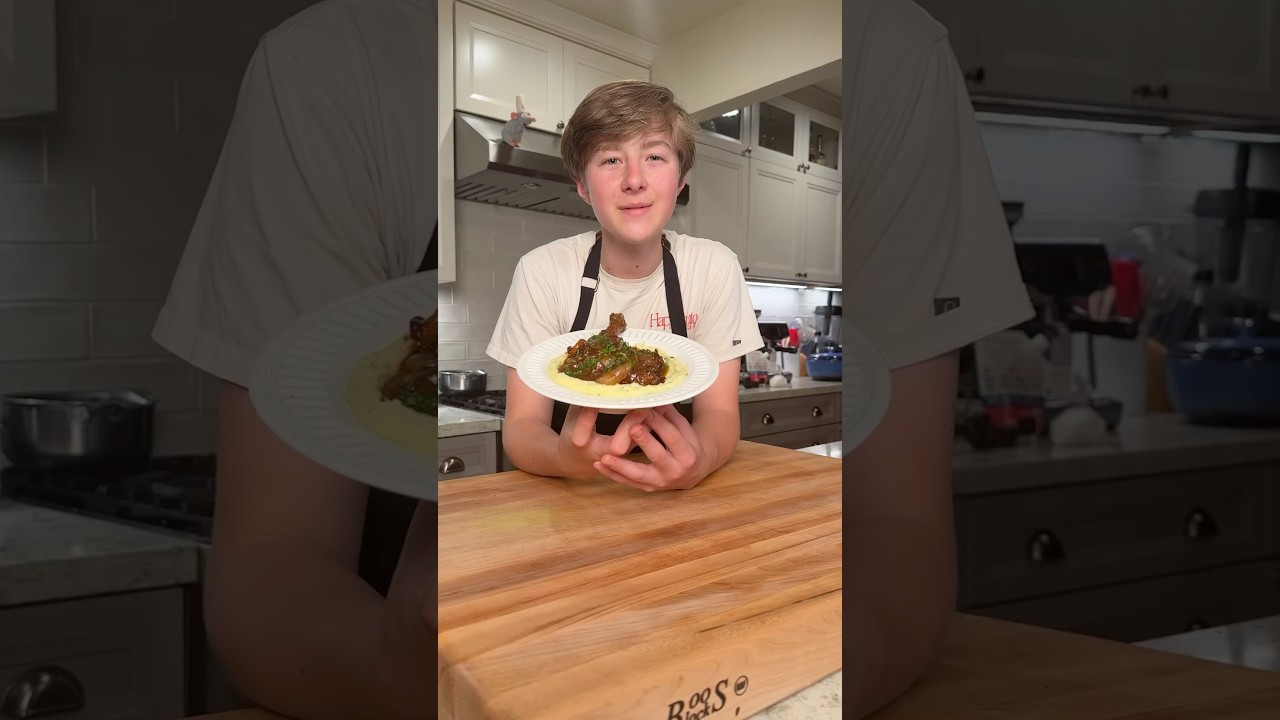
“Most home versions of Coq au Vin produce either rubbery chicken in thin purple liquid or a muddy stew that tastes like wine and regret. The difference between a forgettable braise and one that makes the table go quiet comes down to three things: how hard you sear the chicken, how long you let the wine reduce before adding anything else, and whether you actually cook the tomato paste in the fat before deglazing. All three are skipped constantly. None of them are optional.”
Why This Recipe Works
Coq au Vin is not a complicated dish. It is a patient one. The French figured out centuries ago that old rooster (literally "rooster in wine") needed long, slow cooking in acidic liquid to become edible, and somewhere along the way that technique turned a tough peasant bird into one of the most celebrated braises in European cooking. The problem is that most modern recipes treat it like a weeknight stir-fry — rushed, under-seared, and finished in half the time required — and then wonder why the result tastes like mediocre chicken soup with a wine problem.
The Sear Is the Foundation
Everything that makes Coq au Vin taste like itself starts in the first ten minutes. Browning the chicken in hot fat builds the Maillard crust — that dark, caramelized exterior that releases slowly into the braising liquid over the next ninety minutes, giving the sauce its body, color, and depth. A pale, splotchy sear produces a pale, splotchy sauce.
The rule is simple: dry chicken, hot fat, no crowding, and patience. The chicken will stick to the Dutch oven at first — that's normal. It releases on its own when the crust has properly formed. Pulling it early tears the crust, leaves half the flavor welded to the pan, and defeats the entire purpose of searing. Six to seven minutes per side at medium-high is the minimum.
What the Bacon Is Actually Doing
The bacon in Coq au Vin is not a garnish. It is a fat source and a flavor vehicle. The rendered bacon fat carries the aromatic compounds from the onion and garlic into the sauce, and the crispy lardons contribute textural contrast that a wine braise desperately needs. Skipping the bacon entirely — or replacing it with a few drops of olive oil — produces a one-dimensional sauce that tastes only of wine.
The smoked paprika substitution works in a pinch, but understand what you're trading: the rendered fat from bacon creates an emulsion with the wine reduction that olive oil alone cannot replicate. The mouthfeel is fundamentally different.
The Tomato Paste Step Nobody Does
One minute in the hot fat. That is all it takes to transform tomato paste from a metallic, sour thickener into a deep umami bomb that anchors the entire sauce. The heat caramelizes the natural sugars and drives off the harsh volatile acids, leaving behind concentrated savory compounds that give the finished sauce its backbone.
Dump tomato paste directly into liquid and you taste raw tomato paste. Cook it in the fat for sixty seconds first and it disappears into the sauce in the best possible way — you won't taste tomato at all, just depth.
The Two-Stage Vegetable Logic
Carrots, mushrooms, and pearl onions need twenty minutes, not ninety. Adding them at the start destroys their texture and muddies the sauce with vegetable starches that haven't had time to integrate cleanly. The chicken goes in first, alone, for a forty-five minute braise. Then the vegetables join for the final sprint. This staggered approach keeps the vegetables intact, the sauce clear, and the flavors distinct rather than homogenized.
The balsamic vinegar added with the vegetables is the counterintuitive detail that makes the whole dish taste brighter. Red wine braises can tip heavy and one-note. A single tablespoon of balsamic — not enough to taste like balsamic — adds acidity and sweetness that lifts the tannins and makes the sauce taste finished rather than just reduced.
Sauce Texture Is a Decision
The cornstarch slurry is the last thing that goes into the pot, after the braise is complete and the chicken is already tender. It is a finishing tool, not a cooking medium. Add it at full simmer, stir for two minutes, stop. The sauce should coat the back of a spoon — thick enough to cling to the chicken but fluid enough to pool in the bowl. Over-thickened Coq au Vin sauce is as wrong as under-thickened; a heavy-bottomed braiser with consistent heat makes this calibration far easier to control.
Serve it over something that can absorb liquid. The sauce volume is intentionally generous. That is the entire point.
Where Beginners Mess This Up
Before we start, read this. These are the 4 reasons your classic coq au vin (the french braise you've been doing wrong) will fail:
- 1
Skipping the proper sear: Browning the chicken is not about cooking it through — it's about building the Maillard crust that dissolves into the sauce during the braise. If the chicken sticks to the pan, you pulled it too early. It releases when the crust is actually formed. A weak, patchy sear produces a weak, patchy sauce. Medium-high heat, dry chicken, no crowding.
- 2
Not cooking the tomato paste in the fat: Tomato paste dumped straight into liquid tastes metallic and raw. Pushing it into the hot rendered bacon fat and cooking it for 60-90 seconds caramelizes the sugars and develops deep umami compounds. This thirty-second step is the difference between a sauce that tastes cooked and one that tastes assembled.
- 3
Adding vegetables too early: Carrots, mushrooms, and pearl onions need 20-25 minutes — not 90. Adding them at the start turns them to mush and muddies the sauce. They go in at the second stage, after the chicken has already been braising for 45 minutes.
- 4
Skipping the cornstarch slurry timing: The slurry goes in at the very end, after the braise is done, not during. Adding it too early causes it to break down and lose its thickening power. Whisk into simmering liquid, stir for two minutes, done.
The Video Reference Library
Want to see it in action? Here are the exact videos we analyzed and combined to build this foolproof recipe translation:
The primary reference video that anchors this recipe. Clear demonstration of the searing technique, fond development, and the two-stage vegetable addition that keeps the carrots and mushrooms intact.
🛠️ Core Equipment
- Dutch oven or heavy-bottomed braiserEven heat distribution across the base is non-negotiable for a two-hour braise. A thin pot creates hot spots that scorch the bottom and leave the top undercooked. A [Dutch oven](/kitchen-gear/review/dutch-oven) also transitions cleanly from stovetop sear to low braise without temperature spikes.
- Wooden spoon or flat-edged spatulaYou need to deglaze properly — scraping the fond off the bottom when the wine hits the pan is where a significant portion of the sauce's flavor lives. A flat wooden edge gets into the corners of the pot.
- TongsFor turning and removing the chicken without piercing it. Forks and spatulas break the sear crust and release internal juices into the pan prematurely.
- Small whiskFor incorporating the cornstarch slurry without lumps. Stirring with a spoon creates uneven distribution and visible clumps in the finished sauce.
Classic Coq au Vin (The French Braise You've Been Doing Wrong)
🛒 Ingredients
- ✦6 bone-in chicken thighs, skin removed
- ✦2 tablespoons olive oil
- ✦4 strips bacon, chopped
- ✦1 medium yellow onion, diced
- ✦4 cloves garlic, minced
- ✦2 tablespoons tomato paste
- ✦2 cups red wine, preferably Burgundy or Pinot Noir
- ✦1 cup low-sodium chicken broth
- ✦2 bay leaves
- ✦1 teaspoon dried thyme
- ✦1 tablespoon balsamic vinegar
- ✦2 medium carrots, cut into 1-inch pieces
- ✦8 oz cremini mushrooms, halved
- ✦12 pearl onions, peeled
- ✦1 tablespoon cornstarch
- ✦2 tablespoons cold water
- ✦Sea salt and freshly cracked black pepper to taste
- ✦2 tablespoons fresh parsley, chopped
👨🍳 Instructions
01Step 1
Pat the chicken thighs completely dry with paper towels and season generously on both sides with salt and pepper.
02Step 2
Heat olive oil in a large Dutch oven over medium-high heat until shimmering, about 2 minutes. Working in batches, brown the chicken thighs for 6-7 minutes per side until deeply golden. Transfer to a plate.
03Step 3
Reduce heat to medium and add the chopped bacon. Cook until the fat renders and the bacon crisps, about 5 minutes.
04Step 4
Add the diced yellow onion and sauté until softened, about 4 minutes, scraping up any browned bits from the bottom of the pot.
05Step 5
Add the minced garlic and cook for 1 minute, stirring constantly.
06Step 6
Push the aromatics to the side. Add the tomato paste directly into the hot fat and stir it constantly for 60-90 seconds until it darkens slightly and smells slightly caramelized.
07Step 7
Pour in the red wine and deglaze the bottom of the pot thoroughly with a wooden spoon, scraping up every bit of fond. Let simmer for 2 minutes.
08Step 8
Return the chicken thighs and any accumulated juices to the pot. Add the chicken broth, bay leaves, and dried thyme. Stir to combine.
09Step 9
Bring to a gentle simmer, then reduce heat to low. Cover partially and braise for 45 minutes.
10Step 10
Add the carrots, mushrooms, pearl onions, and balsamic vinegar. Stir gently.
11Step 11
Continue braising uncovered for 20-25 minutes until the chicken is falling-apart tender and the vegetables are cooked through.
12Step 12
Whisk the cornstarch and cold water together in a small bowl until smooth. Slowly stir the slurry into the simmering braise and cook for 2 minutes until the sauce coats the back of a spoon.
13Step 13
Remove the bay leaves. Taste and adjust seasoning.
14Step 14
Serve in bowls with sauce ladled over top and fresh parsley scattered over everything.
Nutrition Per Serving
Estimates based on standard preparation. Adjustments alter macros.
🔄 Substitutions
Instead of Red wine...
Use Low-sodium beef broth plus 2 tablespoons balsamic vinegar
Removes alcohol while maintaining depth. The balsamic replicates the acidity and some of the complexity. Flavor is less layered but still rich and satisfying.
Instead of Bacon...
Use 2 tablespoons olive oil plus 1 teaspoon smoked paprika
Reduces saturated fat significantly. The paprika approximates the smoky undertone. Mouthfeel is lighter — the sauce loses some of its silkiness without the rendered fat.
Instead of Pearl onions...
Use 8 shallots, halved, or 1 medium red onion cut into wedges
Shallots are the better choice — they add subtle sweetness and hold their shape through the braise. Red onion works but softens faster.
Instead of Cornstarch slurry...
Use 4 oz mushrooms pureed and whisked in with 1 tablespoon arrowroot powder
Adds umami and fiber with a more elegant, less glossy finish. Slightly more effort but produces a cleaner sauce texture.
🧊 Storage & Reheating
In the Fridge
Store in an airtight container for up to 4 days. The sauce will tighten significantly overnight — this is normal and actually improves the flavor concentration.
In the Freezer
Freeze in portions for up to 3 months. The braised chicken freezes exceptionally well since the collagen prevents the meat from drying out on reheating.
Reheating Rules
Reheat covered on low heat with a splash of chicken broth to loosen the sauce. Avoid high heat — it tightens the sauce too fast and can make the chicken rubbery.
❓ Frequently Asked Questions
What wine should I use for Coq au Vin?
A medium-bodied red with good acidity — Pinot Noir, Burgundy, or a basic Côtes du Rhône. The rule: cook with wine you'd drink, not wine you'd pour down the drain. Heavy tannic reds like Cabernet Sauvignon can turn bitter during the long braise. If it's under $15 and Burgundian-style, it will work.
Do I have to use bone-in chicken?
No, but you should understand the trade-off. Bone-in thighs release collagen and marrow into the braise, which thickens and enriches the sauce naturally. Boneless thighs produce a leaner, thinner sauce. If you use boneless, reduce the braise time in the first stage to 30-35 minutes or the meat will dry out.
Why is my sauce thin even after the cornstarch?
Either the sauce was not at a full simmer when you added the slurry (it needs heat to activate), or you didn't cook it long enough after adding — give it a full 2 minutes of active simmering. If it's still thin, simmer uncovered for 5-10 minutes to reduce further before trying another slurry addition.
Can I make this in a slow cooker?
You can braise in a slow cooker, but you must do the searing, bacon rendering, onion sauté, tomato paste caramelization, and wine deglazing on the stovetop first. Those steps build flavor that a slow cooker cannot replicate. After that, transfer everything to the slow cooker for 4 hours on high or 7 hours on low.
How do I peel pearl onions quickly?
Score a shallow X on the root end of each onion, blanch in boiling water for 30 seconds, then transfer immediately to an ice bath. The skins slip off cleanly. This takes 3 minutes and saves significant frustration. Frozen pearl onions come pre-peeled and work just as well — use them without guilt.
Is Coq au Vin better the next day?
Yes, definitively. The braising liquid continues to penetrate the meat overnight, and the fat redistributes evenly through the sauce as it cools. Flavors that tasted sharp right off the heat mellow into something more cohesive. If you have time, make it the day before and reheat gently.

The Science of
Classic Coq au Vin (The French Braise You've Been Doing Wrong)
We turned everything on this page into a beautiful, flour-proof PDF cheat sheet. Print it out, stick it to your fridge, and never mess up your classic coq au vin (the french braise you've been doing wrong) again.
*We'll email you the high-res PDF instantly. No spam, just perfectly cooked meals.
AlmostChefs Editorial Team
We translate the internet's most popular cooking videos into foolproof, beginner-friendly written recipes. We analyze multiple methods, test them in our kitchen, and engineer a single "Master Recipe" that gives you the best possible result with the least possible stress.