Colorful Vegetable Soup (The One That Actually Tastes Like Something)
A vibrant, nutrient-dense vegetable soup built on properly sequenced cooking times, layered aromatics, and fresh produce that holds its color and texture. We broke down the most-watched YouTube methods to find the technique that keeps every vegetable perfectly crisp-tender — not one grey, waterlogged mess.
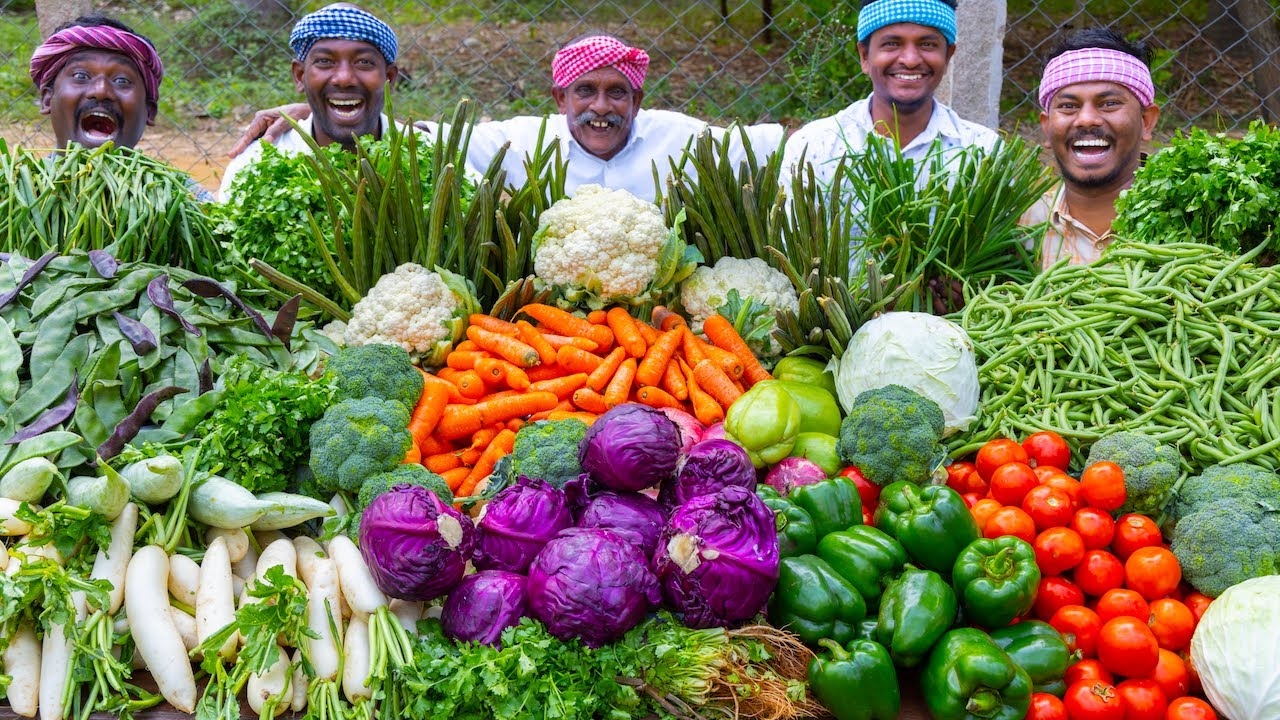
“Most vegetable soup tastes like hot water with good intentions. You've made it. You know what it is. Everything goes grey, nothing holds shape, and you end up with a bowl that's technically nutritious and emotionally disappointing. The fix isn't a new ingredient. It's sequencing. Vegetables have different cooking times, and when you ignore that, you get mush. This method adds them in the right order at the right intervals, and the result is a soup that actually looks like the vegetables you started with.”
Why This Recipe Works
Vegetable soup is the most-cooked and least-respected dish in home cooking. Everyone makes it. Almost nobody makes it well. The reason isn't technique complexity — it's the casual assumption that soup is forgiving. That you can throw everything in, let it boil, and call it done. You can. It just won't taste like much.
This recipe is built on one principle: vegetables are not interchangeable. They have different densities, different moisture contents, and different cooking times. When you treat them like they're the same, you get the same result every time — some things are mush, some things are raw, and the broth is the color of dishwater.
The Sequence Is the Recipe
Carrots and potatoes need 18-20 minutes of active simmering to become tender. Zucchini needs 8. Bell peppers need 5-7. If you add them all at the same time and split the difference, you end up with crunchy root vegetables and collapsed zucchini simultaneously. The fix is simply adding them in the right order, which is what every line of the instruction list is actually about.
The aromatics — onion, celery, garlic — go first, in hot oil, and they get sautéed properly. Not stirred twice and rushed. Five to seven minutes until the onion is completely translucent and the garlic has mellowed. This builds the flavor foundation for everything else. A properly sautéed mirepoix tastes like soup before you add any broth. An under-sautéed one tastes like raw onion until the third day of leftovers.
The Fond Factor
When you add the broth, scrape the bottom of the pot. This takes ten seconds and it matters. The browned bits left from sautéing the onion and garlic are Maillard reaction byproducts — concentrated flavor compounds that dissolve immediately into the hot liquid. Leaving them stuck to the pot is the vegetable soup equivalent of throwing away the drippings.
Simmer, Not Boil
Once the broth is in and the soup is hot, the heat comes down. A rolling boil destroys vegetable structure by physically beating the cells apart, turns the broth cloudy from agitation, and accelerates the cooking past the point where anything delicate survives. You want to see one or two lazy bubbles breaking the surface. That's the target. Maintain it for the full cooking time and your vegetables will finish exactly where they should — tender without falling apart.
A heavy-bottomed pot makes maintaining a gentle simmer significantly easier. Thin pots oscillate between too hot and not hot enough as the burner cycles. Heavy pots retain heat evenly and hold a consistent temperature without constant adjustment.
The Last Five Minutes
The zucchini, corn, and tomatoes go in last for a reason. These are the vegetables that define the visual identity of the soup — the colors that make it look like something worth eating. They need just enough time to become tender, not a minute more. Eight to ten minutes, at a gentle simmer, with the broth barely moving. Test the zucchini by pressing it against the pot wall with your spoon. It should give immediately but hold its shape. That's done.
Season in passes. A pinch of salt when you add the broth, another evaluation when the root vegetables go in, and a final adjustment at the end. Vegetable-based soups need more salt than you think — there's no meat fat carrying the flavor. If everything tastes correct but somehow still flat, a small squeeze of lemon juice or a splash of apple cider vinegar will fix it. Acid lifts vegetable soups the way it lifts nothing else.
This is not a complicated dish. It's a precise one. The difference between disappointing and genuinely good vegetable soup is about ten minutes of attention spread across thirty minutes of cooking. Pay attention in the right places, and the rest takes care of itself.
Where Beginners Mess This Up
Before we start, read this. These are the 4 reasons your colorful vegetable soup (the one that actually tastes like something) will fail:
- 1
Adding all the vegetables at once: Potatoes and carrots need 18-20 minutes of simmering. Zucchini needs 8. If you add them at the same time, you will either have crunchy root vegetables or disintegrated zucchini — never both right simultaneously. Sequenced addition is the entire architecture of this recipe.
- 2
Boiling instead of simmering: A rolling boil beats the delicate vegetables to pieces and turns the broth cloudy. Once the broth is hot, reduce to a gentle simmer — you should see lazy bubbles breaking the surface, not a full boil. The difference in final texture is dramatic.
- 3
Under-seasoning the base: Vegetable soup has no meat fat, no bones, no long stock reduction. The only place to build depth is at the beginning: properly sautéed aromatics and aggressive seasoning at each layer. If you add salt only at the end, you're compensating for a flat foundation.
- 4
Skipping the fond: When you add broth, scrape the bottom of the pot. Those browned bits from the onion and garlic sauté are concentrated flavor — deglazing them into the soup is free richness that most people wash down the drain.
The Video Reference Library
Want to see it in action? Here are the exact videos we analyzed and combined to build this foolproof recipe translation:
The source video demonstrating grand-scale vegetable prep and classic technique. Worth watching for the knife work and sequencing approach that inspired this method.
🛠️ Core Equipment
- Large heavy-bottomed pot or Dutch ovenEven heat distribution means your aromatics sauté properly without scorching, and your simmer stays gentle and consistent. A thin pot creates hot spots that burn the onion before it has a chance to soften.
- Sharp chef's knifeUniform cuts aren't about aesthetics — they're about even cooking. If your carrot rounds are half-inch on one end and inch-thick on the other, some will be done 5 minutes before the rest. Uniformity is functional.
- Wooden spoon or silicone spatulaFor deglazing the fond when you add the broth and for gentle folding when you add the delicate vegetables. Metal utensils on a hot pot bottom scrape aggressively and can damage the fond rather than release it.
- LadleServes the soup without breaking the vegetable pieces you worked to keep intact. Pouring directly from the pot will destroy the structure of the softer vegetables.
Colorful Vegetable Soup (The One That Actually Tastes Like Something)
🛒 Ingredients
- ✦2 tablespoons extra-virgin olive oil
- ✦1 large yellow onion, finely diced
- ✦2 medium carrots, cut into ½-inch rounds
- ✦2 celery stalks, chopped into ½-inch pieces
- ✦3 garlic cloves, minced
- ✦1 medium russet potato, diced into ½-inch cubes
- ✦1 red bell pepper, diced
- ✦1 yellow bell pepper, diced
- ✦1 medium zucchini, halved lengthwise and sliced
- ✦1 cup fresh green beans, trimmed and cut into 1-inch pieces
- ✦1 cup corn kernels, fresh or frozen
- ✦1 can (14.5 ounces) diced tomatoes with juice
- ✦7 cups vegetable broth
- ✦1 bay leaf
- ✦2 teaspoons Italian seasoning
- ✦1 teaspoon dried basil
- ✦Salt and freshly ground black pepper to taste
- ✦Fresh basil leaves for garnish (optional)
👨🍳 Instructions
01Step 1
Warm the olive oil in a large pot over medium-high heat until shimmering, about 1 minute.
02Step 2
Add the diced onion, celery, and minced garlic. Stir frequently until the onion is translucent and the mixture is fragrant, about 5-7 minutes.
03Step 3
Stir in the diced potato and carrot rounds. Sauté with the aromatics for 3 minutes to begin softening and develop deeper flavor.
04Step 4
Pour in the vegetable broth, scraping the bottom of the pot with a wooden spoon to release any browned bits. Bring to a gentle boil.
05Step 5
Add the bay leaf, Italian seasoning, and dried basil. Reduce heat to medium and simmer uncovered for 8-10 minutes, until the potatoes and carrots are just beginning to yield to a fork.
06Step 6
Add the diced bell peppers and green beans. Continue to simmer for 5 minutes.
07Step 7
Fold in the corn kernels, sliced zucchini, and canned tomatoes with their juice. Stir gently to distribute.
08Step 8
Simmer for an additional 8-10 minutes until the zucchini is tender but still holds its shape. Maintain a gentle bubbling — not a rolling boil.
09Step 9
Remove the bay leaf. Taste and season generously with salt and freshly ground black pepper.
10Step 10
Ladle into bowls and garnish with fresh basil leaves if desired. Serve immediately.
Nutrition Per Serving
Estimates based on standard preparation. Adjustments alter macros.
🔄 Substitutions
Instead of Vegetable broth...
Use Low-sodium vegetable broth or homemade bone broth
Bone broth adds umami depth and collagen. Low-sodium broth reduces sodium by 30-40% — season to taste at the end.
Instead of Canned diced tomatoes...
Use 2-3 fresh heirloom tomatoes, diced
Brighter, fresher flavor and no added sodium. Use in summer when tomatoes are at peak. In winter, the can is the better choice.
Instead of Russet potato...
Use Sweet potato or cauliflower florets
Sweet potato adds natural sweetness and beta-carotene. Cauliflower reduces carbohydrate load significantly for blood sugar management.
Instead of Olive oil...
Use Ghee or avocado oil (1.5 tablespoons)
Both have higher smoke points, which gives you more headroom during the initial sauté. Ghee adds a subtle nutty richness.
🧊 Storage & Reheating
In the Fridge
Store in an airtight container for up to 4 days. The vegetables will soften slightly over time — this is fine.
In the Freezer
Freeze in individual portions for up to 3 months. Avoid freezing with potatoes if possible — they turn mealy when thawed. Add freshly cooked potato when reheating.
Reheating Rules
Reheat gently on the stovetop over medium-low heat with a splash of broth or water to restore consistency. Microwave works but tends to make the zucchini mushy.
❓ Frequently Asked Questions
Why are my vegetables grey and mushy?
Two causes: overcooking and boiling instead of simmering. Delicate vegetables like zucchini and bell pepper need 8-10 minutes maximum. A rolling boil physically beats them apart. Add the vegetables in sequence based on their cooking time and keep the heat at a lazy simmer.
Can I make this soup in a slow cooker?
Yes, but adjust the sequence. Sauté the aromatics on the stovetop first — you can't build that flavor base in a slow cooker. Then transfer everything except the zucchini and corn to the slow cooker on low for 6-7 hours. Add the delicate vegetables in the last 30 minutes.
How do I make this soup more filling?
Add a can of drained white beans or chickpeas when you add the zucchini. They require no additional cooking and add 7-9 grams of protein per serving. Alternatively, serve with crusty bread or stir in a handful of small pasta in the last 10 minutes of simmering.
My broth tastes watery. How do I fix it?
Three options: simmer the soup uncovered for an additional 10-15 minutes to reduce and concentrate the broth; add a tablespoon of tomato paste when you add the seasonings; or finish with a small splash of soy sauce or miso paste for instant umami depth. All three work.
Can I add meat to this soup?
Absolutely. Shredded rotisserie chicken can be stirred in at the end. For sausage or ground meat, brown it first and remove it, build the soup in the same pot, then return the meat when you add the broth. Italian sausage pairs particularly well with the seasoning profile here.
How do I keep the vegetables bright and colorful?
Don't overcook them and don't boil aggressively. The brilliant reds, yellows, and greens start fading around the 20-minute mark in hot liquid. Add the most vibrant vegetables last, cook only until just tender, and serve promptly. Leftovers will fade — that's unavoidable.

The Science of
Colorful Vegetable Soup (The One That Actually Tastes Like Something)
We turned everything on this page into a beautiful, flour-proof PDF cheat sheet. Print it out, stick it to your fridge, and never mess up your colorful vegetable soup (the one that actually tastes like something) again.
*We'll email you the high-res PDF instantly. No spam, just perfectly cooked meals.
AlmostChefs Editorial Team
We translate the internet's most popular cooking videos into foolproof, beginner-friendly written recipes. We analyze multiple methods, test them in our kitchen, and engineer a single "Master Recipe" that gives you the best possible result with the least possible stress.