Perfect Cold Coffee (Café-Style at Home, No Machine)
A rich, frothy, café-style cold coffee blended with instant coffee, cold milk, sugar, and ice — the Indian-style version that beats any overpriced drive-through. We broke down the most popular YouTube methods to nail the exact froth-to-strength ratio every time.
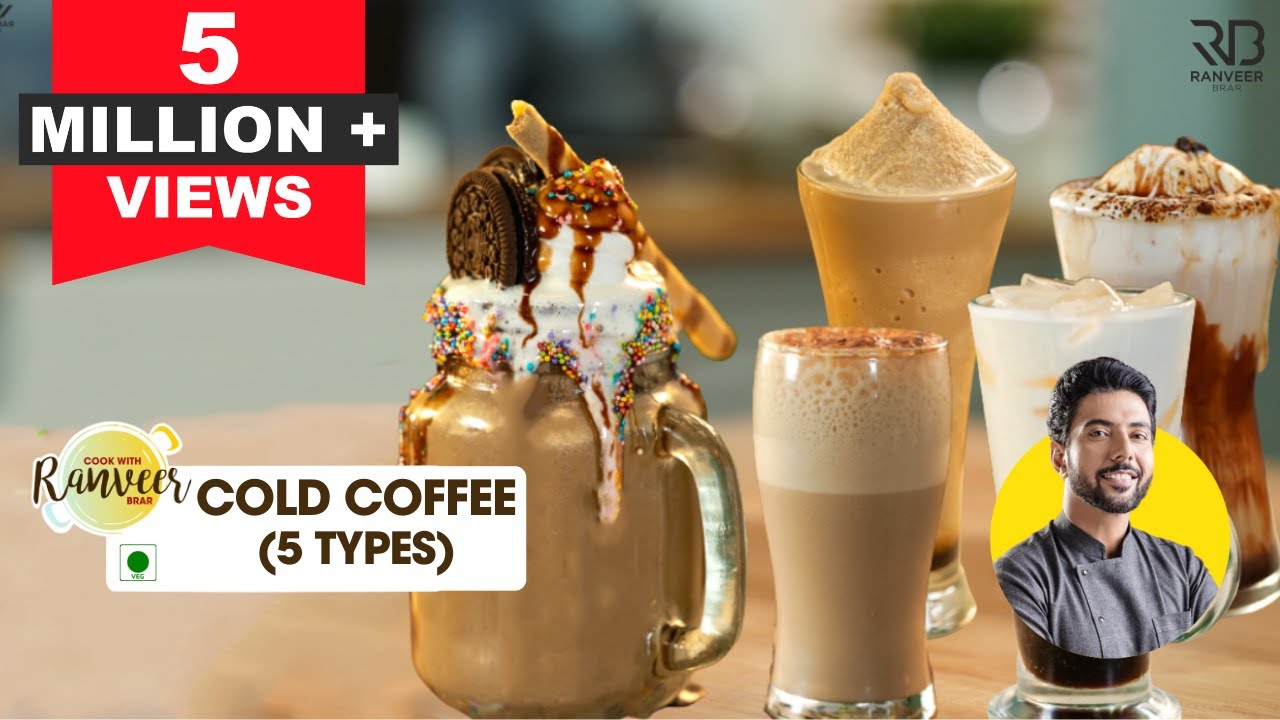
“Most homemade cold coffee is just milk with coffee stirred into it. That's not cold coffee — that's a mistake. The café version has a thick, creamy froth on top, a deeply concentrated coffee flavor that doesn't disappear the moment ice hits it, and a sweetness that's calibrated rather than thrown in. Three things separate the good from the forgettable: coffee strength, blending time, and the temperature of your milk. Get those right and you'll stop paying six dollars for the same drink.”
Why This Recipe Works
Cold coffee is one of those drinks that looks trivially simple until you make a bad version of it, at which point you realize there are at least four things that can go wrong and most home cooks are getting at least two of them wrong simultaneously. The version that most people make — coffee stirred into cold milk over ice — is technically correct in the same way that a flour-and-water paste is technically bread. It satisfies the minimum criteria and nothing else.
The Concentrate Problem
The single most important step in this recipe is dissolving the coffee in hot water before it touches anything cold, and almost nobody bothers to explain why. Instant coffee is freeze-dried or spray-dried crystalline solid. At cold temperatures, those crystals do not dissolve — they hydrate into clumps, sink to the bottom, and create pockets of intense bitterness surrounded by weak, watery milk. You end up with a drink that tastes different with every sip and has a gritty sediment at the bottom of the glass.
Hot water breaks down the crystal structure in under 30 seconds, producing a smooth liquid concentrate that disperses evenly the moment it hits the blender. This is not optional. It takes 30 seconds and changes everything about the final texture and flavor. Do not skip it.
The Milk Temperature Equation
Cold milk is not a preference — it's a functional requirement. The foam in blended cold coffee is a physical structure made of air bubbles trapped within a network of milk proteins. That structure is stabilized by cold. When you blend warm milk, the proteins are more mobile, the bubbles collapse faster, and the resulting foam is thin, short-lived, and uninspiring. Cold milk — 35 to 40 degrees Fahrenheit, straight from the back of the refrigerator — produces bubbles that hold their structure for five to ten minutes after blending.
The same principle applies to your glassware. A glass that's been sitting at room temperature acts as a heat sink that immediately begins warming your drink from the outside. Ten minutes in the freezer before pouring is a small investment that meaningfully extends the quality window of the finished drink.
Fat Is Not Optional
Whole milk is the correct milk for cold coffee. Not skim. Not two percent. The fat content in whole milk (roughly 3.5%) does two things: it contributes to foam stability the same way heavy cream stabilizes whipped cream, and it buffers the bitterness of the coffee by coating the receptors on your tongue before the bitter compounds reach them. This is why café cold coffees always taste smoother than homemade versions made with low-fat milk — it's not a secret ingredient, it's just fat doing its job.
Condensed milk takes this further. The slow-cooking process used to make condensed milk produces Maillard compounds that give it a faint caramel depth absent from plain sugar. It also contributes additional fat and protein, both of which improve foam quality. If you're substituting plain sugar to save calories, you're trading texture and flavor for a marginal nutritional difference that the ice cream more than offsets anyway.
Blending Is the Technique
A high-speed blender is the primary piece of equipment here, and it needs to run on maximum power for at least 60 full seconds. This is longer than it feels like it needs to run. At 30 seconds, the drink looks blended but the foam hasn't fully developed. At 60 seconds, the air incorporation is complete and the mixture has roughly doubled in apparent volume. At 90 seconds, you've reached peak froth — beyond that the ice begins to over-fragment and the texture turns slightly icy rather than creamy.
The visual cue: after proper blending, the mixture should be pale beige and opaque, with a surface that looks almost like soft-serve ice cream. If it's still dark brown and liquid-looking, blend longer. The color change happens because air incorporation scatters light differently through the emulsified mixture — same physics as why foam is white regardless of the liquid's original color.
Pour immediately. Cold coffee is a drink with a five-minute peak window, and it rewards people who move quickly.
Where Beginners Mess This Up
Before we start, read this. These are the 4 reasons your perfect cold coffee (café-style at home, no machine) will fail:
- 1
Using hot-brewed coffee instead of a concentrated paste: Dissolving instant coffee directly in a small amount of water or milk before blending ensures the flavor is evenly distributed and intense. If you add coffee powder dry to a full blender of cold milk, it clumps, sinks, and never fully incorporates — leaving you with weak, uneven flavor and gritty bits at the bottom.
- 2
Using room-temperature or warm milk: Cold coffee depends on temperature contrast to stay frothy. Warm milk accelerates ice melt, dilutes everything in under two minutes, and prevents the blender from generating that thick, aerated foam. Your milk should be refrigerator-cold — ideally 35–40°F — before it ever hits the blender.
- 3
Under-blending the mixture: The froth in cold coffee is not cosmetic — it's the entire texture of the drink. Blending for less than 60 seconds on high produces a thin, flat beverage. You need sustained high-speed blending to force air into the milk proteins and create a foam that holds for at least 5–10 minutes after pouring.
- 4
Sweetening after blending: Adding sugar or condensed milk to an already-blended drink means it never fully dissolves into the foam layer. Sweetener must go in before blending so it integrates completely into the base. Taste the concentrate before adding milk — you want slightly over-sweet at the concentrate stage because ice dilution will pull it back.
The Video Reference Library
Want to see it in action? Here are the exact videos we analyzed and combined to build this foolproof recipe translation:
The clearest breakdown of the instant coffee concentration method with 10M+ views. Covers the exact blending duration needed to achieve persistent froth and demonstrates the condensed milk ratio that nails the sweetness level.
Focused on the milk temperature variable and why cold milk is non-negotiable for proper foam structure. Side-by-side comparison of warm versus cold milk results makes the difference impossible to ignore.
Strips the method to its core essentials — coffee, milk, ice, sugar — and explains why this simple ratio outperforms most complicated café recipes. Great starting point before experimenting with additions like cocoa or vanilla.
🛠️ Core Equipment
- High-speed blenderThe entire texture of cold coffee depends on aggressive, sustained blending that incorporates air into the milk. A stick blender or low-powered countertop blender will produce a flat, thin drink. You need at minimum 500 watts of blade speed.
- Tall glass or mason jarCold coffee generates significant foam volume — up to 30% more than the liquid level. A short glass will overflow immediately. Tall glasses also keep the drink colder longer by reducing surface-area exposure to ambient temperature.
- Small whisk or spoon for the coffee concentrateThe coffee must be fully dissolved in a tablespoon of water or milk before blending. Undissolved granules create bitter pockets. A small whisk dissolves them in 20 seconds flat.
Perfect Cold Coffee (Café-Style at Home, No Machine)
🛒 Ingredients
- ✦2 heaping teaspoons instant coffee (preferably Nescafé Classic or similar)
- ✦1 tablespoon hot water
- ✦2 cups whole milk, cold
- ✦3 tablespoons sweetened condensed milk
- ✦1 tablespoon granulated sugar (adjust to taste)
- ✦1 cup ice cubes
- ✦2 scoops vanilla ice cream (optional, for extra richness)
- ✦1/4 teaspoon vanilla extract (optional)
- ✦Pinch of salt
👨🍳 Instructions
01Step 1
Combine instant coffee and hot water in a small bowl. Whisk vigorously for 30 seconds until completely dissolved with no visible granules.
02Step 2
Add the dissolved coffee concentrate, cold milk, condensed milk, granulated sugar, and pinch of salt to a high-speed blender.
03Step 3
Add ice cubes and vanilla ice cream (if using) to the blender.
04Step 4
Blend on high speed for 60–90 seconds until the mixture is frothy, pale in color, and has visibly increased in volume.
05Step 5
Pour immediately into tall glasses. The froth should sit above the glass rim by at least half an inch.
06Step 6
Serve immediately. Cold coffee peaks within 3–4 minutes of blending — after that the foam begins collapsing and the ice dilutes the base.
Nutrition Per Serving
Estimates based on standard preparation. Adjustments alter macros.
🔄 Substitutions
Instead of Whole milk...
Use Oat milk or full-fat coconut milk
Oat milk froths well due to its starch content and produces a drink very close in texture to the original. Coconut milk adds a subtle tropical note and slightly higher fat content for richness. Avoid thin nut milks — they don't foam.
Instead of Sweetened condensed milk...
Use 2 tablespoons sugar plus 1 tablespoon heavy cream
Gets you close to the same sweetness-and-body effect. Not identical — condensed milk has a slow-cooked creaminess that's hard to replicate — but perfectly serviceable.
Instead of Instant coffee...
Use 2 shots of chilled espresso
Produces a more complex, layered flavor profile. Reduce the hot water in the concentrate step to zero and use the espresso directly. Adjust sugar upward slightly — espresso has more acidity than instant coffee.
Instead of Vanilla ice cream...
Use 2 tablespoons heavy cream plus 1/4 teaspoon vanilla extract
Keeps the drink lighter while still adding body and richness. The ice cream version is more of a coffee shake; the cream version is closer to a café frappé.
🧊 Storage & Reheating
In the Fridge
Cold coffee does not store well — the foam collapses within 20 minutes and the ice melts, diluting the base. Blend and serve immediately. If needed, prepare the coffee concentrate in advance and refrigerate it for up to 24 hours, then blend with fresh cold milk and ice when ready.
In the Freezer
Freeze the blended base (without ice) in ice cube trays for up to 1 month. Re-blend the frozen cubes with fresh cold milk for an instant cold coffee that's actually richer than the fresh version.
Reheating Rules
Not applicable — cold coffee is a cold beverage. If you want hot coffee from the same concentrate, dissolve it in hot milk instead of cold.
❓ Frequently Asked Questions
Why does my cold coffee taste bitter?
Two likely causes: too much coffee relative to milk, or under-sweetening. Bitter instant coffee needs fat and sugar to balance it. Make sure you're using condensed milk or sufficient sugar, and that your milk is whole milk rather than skim. A pinch of salt also dramatically reduces perceived bitterness.
Can I make cold coffee without a blender?
You can use a cocktail shaker filled with ice and shake vigorously for 90 seconds — this produces a decent foam. A mason jar with a tight lid also works but takes more effort. A blender produces superior, more consistent results and is strongly recommended.
Why is my cold coffee not frothy?
Either your milk was too warm, you under-blended, or your blender isn't powerful enough. Cold milk straight from the fridge is essential. Blend on maximum speed for a full 60 seconds minimum. If your blender is weak, add an extra scoop of ice cream to compensate with additional fat content.
Is this the same as iced coffee?
No. Iced coffee is brewed hot coffee poured over ice — it's thinner, more bitter, and has no foam. Indian-style cold coffee is blended with milk and aerated into a frothy, creamy texture that's closer to a milkshake than a standard iced coffee. Different drink entirely.
What's the best instant coffee brand for cold coffee?
Nescafé Classic is the standard for Indian-style cold coffee — it dissolves cleanly, has a balanced bitterness, and froths well. Bru is another strong option. Avoid flavored instant coffees; the added flavorings interfere with the clean coffee-milk balance.
Can I make this without condensed milk?
Yes, but use a combination of sugar and a small amount of cream to replicate the body. Condensed milk contributes both sweetness and a faint caramel richness from the slow-cooking process. Plain sugar alone makes the drink sweeter but thinner. The substitution works — it just won't be identical.

The Science of
Perfect Cold Coffee (Café-Style at Home, No Machine)
We turned everything on this page into a beautiful, flour-proof PDF cheat sheet. Print it out, stick it to your fridge, and never mess up your perfect cold coffee (café-style at home, no machine) again.
*We'll email you the high-res PDF instantly. No spam, just perfectly cooked meals.
AlmostChefs Editorial Team
We translate the internet's most popular cooking videos into foolproof, beginner-friendly written recipes. We analyze multiple methods, test them in our kitchen, and engineer a single "Master Recipe" that gives you the best possible result with the least possible stress.