Foolproof Coconut Rice (The Ratio Is Everything)
A fragrant, creamy side dish built on jasmine rice and full-fat coconut milk, with aromatics toasted in coconut oil and finished with lime juice and green onion. We broke down the most common coconut rice failures to give you one technique that works every time.
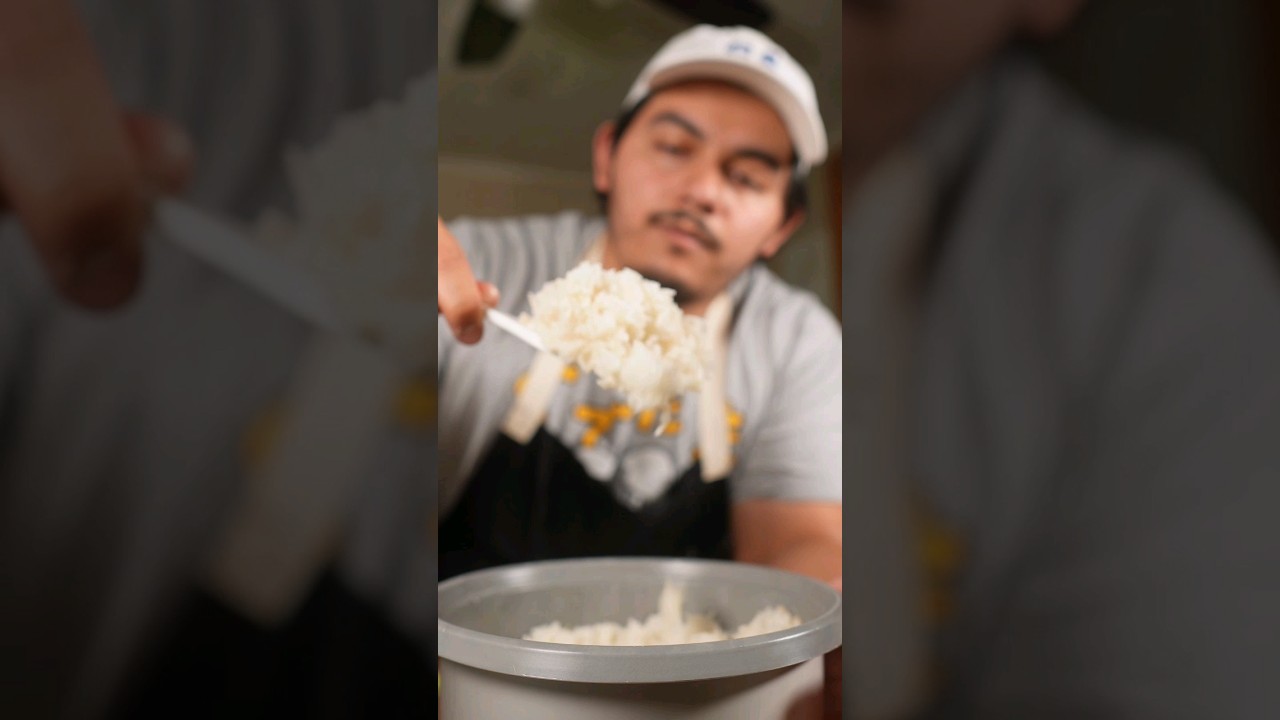
“Coconut rice should be one of the easiest dishes in your arsenal. It almost never is. Most attempts come out gummy, bland, or waterlogged — not because the recipe is hard, but because two invisible variables (the rinse and the ratio) get ignored. Fix those, and you have a dish that makes people ask what's in it when the answer is three pantry staples.”
Why This Recipe Works
Coconut rice gets dismissed as a simple side dish, which is accurate, and then gets cooked carelessly because of that dismissal, which is a mistake. The simplicity of the ingredient list is not permission to be casual with technique. Three pantry staples cooked wrong produce something forgettable. Three pantry staples cooked right produce something people ask for by name.
The Rinse Is the Recipe
Jasmine rice is a high-starch variety. That starch is exactly what gives it the slightly sticky, clingy quality that makes it excellent for eating with chopsticks and absorbing curry sauces. It is also exactly what turns coconut rice into a gummy, clumped mass if you don't rinse it first.
The surface starch on dry rice is free starch — loose, not bound to the grain. When it hits hot liquid, it gelatinizes immediately and acts like glue, bonding grains together before they've had a chance to cook individually. A full minute under cold running water washes this off. You'll see the water go from milky-white to nearly clear. That's the visual confirmation you've done enough. Stop when it runs clear, not before.
Toast First, Then Hydrate
The step that separates competent coconut rice from great coconut rice is toasting the rinsed, drained grains in coconut oil before adding any liquid. Two to three minutes over medium-high heat, stirring constantly, until the grains smell nutty and look faintly golden. What you're doing is applying a thin layer of fat to each grain — a physical barrier that moderates how quickly each grain absorbs the coconut milk. Without this step, the outer layer of each grain absorbs liquid faster than the interior can process it, resulting in grains that are soft outside and either underdone or waterlogged in the center.
This is pilaf technique, borrowed directly from French and Middle Eastern rice cookery and applied here because the physics don't care about culinary tradition.
The Aromatic Sequence
Onion, garlic, ginger — they go in that order for a reason. Onion takes the longest to soften (3-4 minutes) and releases the most moisture, which primes the pan. Garlic goes in next and cooks for exactly one minute; any longer and it starts turning bitter. Ginger last because it's the most volatile — its sharp aromatic compounds cook off quickly, and you want them present in the finished dish, not evaporated into the kitchen.
Fresh ginger is not optional. A microplane grates it finely enough that it disappears into the dish, leaving only flavor. Jarred ginger is sweeter and less sharp. Pre-minced ginger from a tube is a different ingredient entirely.
The Ratio Is a System
The 14 oz can of full-fat coconut milk plus 1.5 cups of broth for 2 cups of rice is not a casual suggestion. It is a calibrated absorption ratio. Coconut milk's fat content slows water activity slightly compared to plain water, which means the rice takes longer to fully absorb the liquid — but also means the finished grains are coated with a thin layer of coconut fat that keeps them separate and glossy instead of sticky and matted.
Do not use light coconut milk without adjusting the ratio downward. The reduced fat content changes the absorption dynamics and you'll end up with waterlogged rice.
What the Lime Does
Lime juice added at the end does more than provide brightness. The acid cuts through the richness of the coconut fat and prevents the dish from tasting heavy or cloying, which full-fat coconut milk absolutely can be without something to offset it. Two tablespoons is the amount. Not one, not three. It should be present but not identifiable as citrus — if someone can taste the lime as lime, you've added too much.
Add it after fluffing, never during the cook. Acid introduced to hot starch mid-absorption affects texture in ways that are difficult to predict and easy to regret.
Where Beginners Mess This Up
Before we start, read this. These are the 4 reasons your foolproof coconut rice (the ratio is everything) will fail:
- 1
Skipping the rinse: Jasmine rice is coated in surface starch that, if left on the grain, turns the finished dish into a sticky paste. You must rinse under cold water for a full minute until the water runs clear. This step takes 60 seconds and changes the entire texture of the dish.
- 2
Wrong liquid ratio: Coconut milk is thicker than water and behaves differently during absorption. Using the same 2:1 ratio you'd use for plain rice produces waterlogged, gummy results. The 14 oz can of coconut milk plus 1.5 cups of broth is a calibrated ratio — don't adjust it.
- 3
Lifting the lid during simmer: Steam is doing the work in the final 15-18 minutes. Breaking the seal drops the internal temperature and stalls the absorption process. You end up with uneven cooking — wet at the bottom, undercooked on top. Set the timer. Don't look.
- 4
Skipping the rest: The 5-minute covered rest after heat-off is when the residual steam finishes the top layer and redistributes moisture evenly throughout the pot. Skipping it produces rice that's slightly wet at the bottom and dry at the top. It's not optional.
The Video Reference Library
Want to see it in action? Here are the exact videos we analyzed and combined to build this foolproof recipe translation:
The source video for this technique. Clear breakdown of the rinse step, toasting the rice in aromatics, and the exact visual cues for doneness. Watch the lid discipline in the final simmer.
🛠️ Core Equipment
- Medium saucepan with tight-fitting lidThe lid seal is load-bearing. A loose lid lets steam escape and the absorption math fails. If your lid rattles, wrap it in a kitchen towel and set a heavy pan on top.
- Fine-mesh sieveFor rinsing the rice properly. A colander with large holes lets grains fall through. You need fine mesh to rinse every grain evenly without losing any.
- Microplane or box graterFor grating the fresh ginger. Pre-grated or jarred ginger lacks the sharp brightness that makes this dish register as aromatic rather than just starchy. Fresh ginger is the aromatic backbone.
- Small skilletFor toasting the shredded coconut garnish separately. It goes from raw to burnt in under a minute if you don't watch it. A dry skillet over medium heat for 2-3 minutes is the move.
Foolproof Coconut Rice (The Ratio Is Everything)
🛒 Ingredients
- ✦2 cups jasmine rice, rinsed
- ✦1 can (14 oz) full-fat coconut milk
- ✦1.5 cups vegetable broth
- ✦1 medium yellow onion, finely diced
- ✦3 cloves garlic, minced
- ✦1 tablespoon fresh ginger, grated
- ✦2 tablespoons coconut oil
- ✦1 teaspoon kosher salt
- ✦1/2 teaspoon black pepper
- ✦1/2 teaspoon turmeric powder
- ✦1 bay leaf
- ✦1/4 teaspoon white pepper
- ✦2 tablespoons fresh lime juice
- ✦2 green onions, thinly sliced
- ✦1 tablespoon unsweetened shredded coconut, toasted
👨🍳 Instructions
01Step 1
Rinse the jasmine rice under cold running water for 1 minute until the water runs clear, then drain completely.
02Step 2
Heat coconut oil in a medium saucepan over medium-high heat until shimmering, about 1 minute.
03Step 3
Add the diced onion and sauté for 3-4 minutes, stirring occasionally, until translucent and soft.
04Step 4
Add minced garlic and grated ginger. Stir constantly for 1 minute until fragrant.
05Step 5
Add the drained rice and stir continuously for 2-3 minutes, toasting the grains until they smell nutty and look slightly golden.
06Step 6
Pour in the coconut milk and vegetable broth. Add the bay leaf, turmeric, salt, black pepper, and white pepper. Stir to combine.
07Step 7
Bring to a gentle boil over medium-high heat, then immediately reduce to the lowest heat setting and cover with a tight-fitting lid.
08Step 8
Simmer without lifting the lid for 15-18 minutes until the rice is tender and all liquid is absorbed.
09Step 9
Remove from heat and let stand, still covered, for 5 minutes.
10Step 10
Fluff with a fork, remove the bay leaf, and stir in the lime juice.
11Step 11
Transfer to a serving bowl and top with sliced green onions and toasted shredded coconut.
Nutrition Per Serving
Estimates based on standard preparation. Adjustments alter macros.
🔄 Substitutions
Instead of Full-fat coconut milk...
Use Light coconut milk
Noticeably less creamy and less aromatic. You save about 60 calories per serving. Acceptable for everyday cooking, not ideal for a dish where coconut is the point.
Instead of Jasmine rice...
Use Brown jasmine rice
Increases cook time to 40-45 minutes and requires a bit more liquid (add 1/4 cup more broth). Nuttier texture, significantly more fiber. Adjust your timeline accordingly.
Instead of Coconut oil...
Use Avocado oil or extra-virgin olive oil
Loses the subtle coconut aroma from the fat layer but works functionally. Avocado oil is the more neutral choice.
Instead of Vegetable broth...
Use Water or low-sodium chicken broth
Water produces a cleaner, more coconut-forward flavor. Chicken broth adds depth but makes the dish no longer vegan.
🧊 Storage & Reheating
In the Fridge
Store in an airtight container for up to 3 days. The rice firms up when cold but softens fully when reheated.
In the Freezer
Freeze in portioned containers for up to 2 months. Thaw overnight in the fridge before reheating.
Reheating Rules
Add 1 tablespoon of water per cup of rice, cover tightly, and heat on low for 5-8 minutes on the stovetop. Microwave works in a pinch — cover with a damp paper towel to trap steam.
❓ Frequently Asked Questions
Why is my coconut rice gummy?
Two causes, in order of likelihood: you didn't rinse the rice thoroughly enough, or you used too much liquid. Surface starch left on the grains turns the dish sticky. The rinse step is non-negotiable. If you rinsed properly, check your liquid ratio — the 14 oz can plus 1.5 cups broth is calibrated for 2 cups of rice.
Can I use canned coconut cream instead of coconut milk?
You can, but dilute it first — mix half coconut cream with half water to approximate full-fat coconut milk. Undiluted coconut cream produces rice that's too rich and dense, and the high fat content can cause the bottom to scorch.
Does the toasting step really matter?
Yes. Toasting the rinsed rice in hot fat for 2-3 minutes before adding liquid creates a light coating on each grain that controls absorption rate. It's the same principle behind pilaf technique. Skipping it produces softer, stickier results.
What dishes pair well with coconut rice?
Anything with a sauce that benefits from absorption — Thai green or red curry, butter chicken, jerk chicken, grilled shrimp with lime, or any braised protein. The mild coconut sweetness bridges spicy and savory equally well.
Can I make this in a rice cooker?
Yes, but skip the aromatic sauté steps and accept a simpler result. Combine rinsed rice, coconut milk, broth, salt, and turmeric in the rice cooker and run the standard white rice cycle. You lose the toasted grain texture and the onion-garlic-ginger base, but it works.
Why add lime juice at the end instead of during cooking?
Acid cooked into rice affects the starch structure and can make the grains slightly firm and separate in an unpleasant way. Added after cooking, the lime juice brightens the flavor without affecting texture. Always finish with acid, never cook with it.
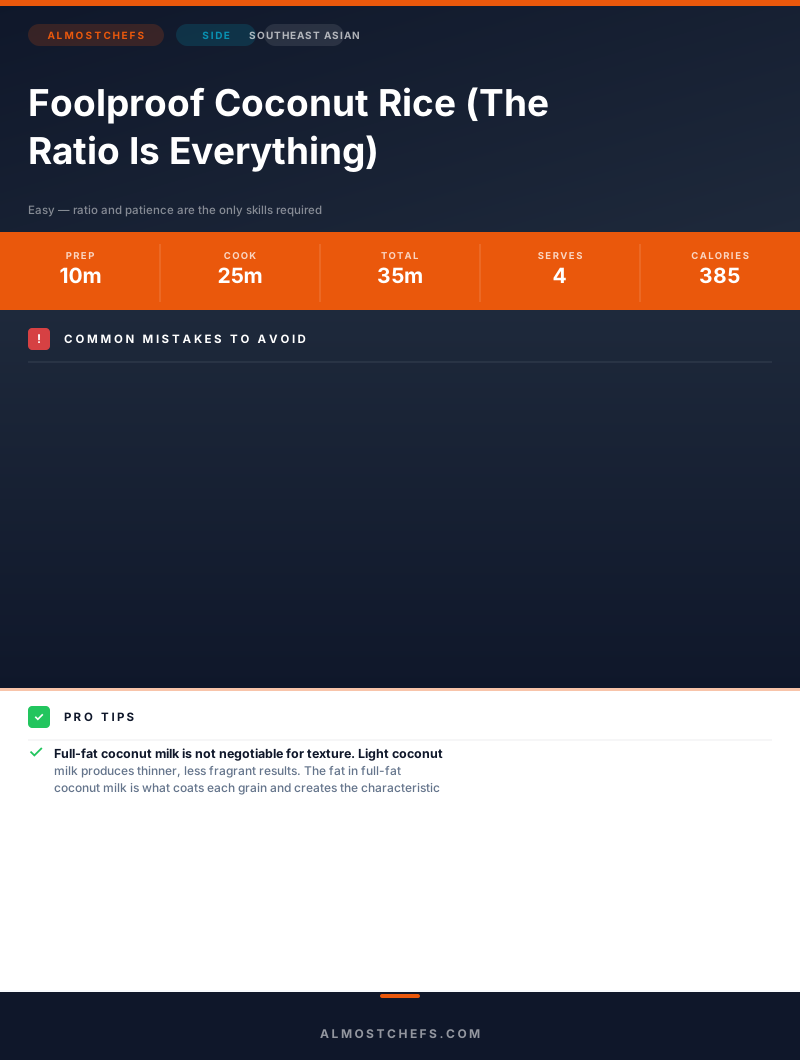
The Science of
Foolproof Coconut Rice (The Ratio Is Everything)
We turned everything on this page into a beautiful, flour-proof PDF cheat sheet. Print it out, stick it to your fridge, and never mess up your foolproof coconut rice (the ratio is everything) again.
*We'll email you the high-res PDF instantly. No spam, just perfectly cooked meals.
AlmostChefs Editorial Team
We translate the internet's most popular cooking videos into foolproof, beginner-friendly written recipes. We analyze multiple methods, test them in our kitchen, and engineer a single "Master Recipe" that gives you the best possible result with the least possible stress.