Foolproof Coconut Curry (The 40-Minute Anti-Inflammatory Fix)
A fragrant, creamy Southeast Asian curry built on full-fat coconut milk, fresh aromatics, and properly bloomed spices — ready in 40 minutes with pantry staples. We analyzed what separates flat weeknight curry from restaurant-quality results and built one technique that delivers every time.
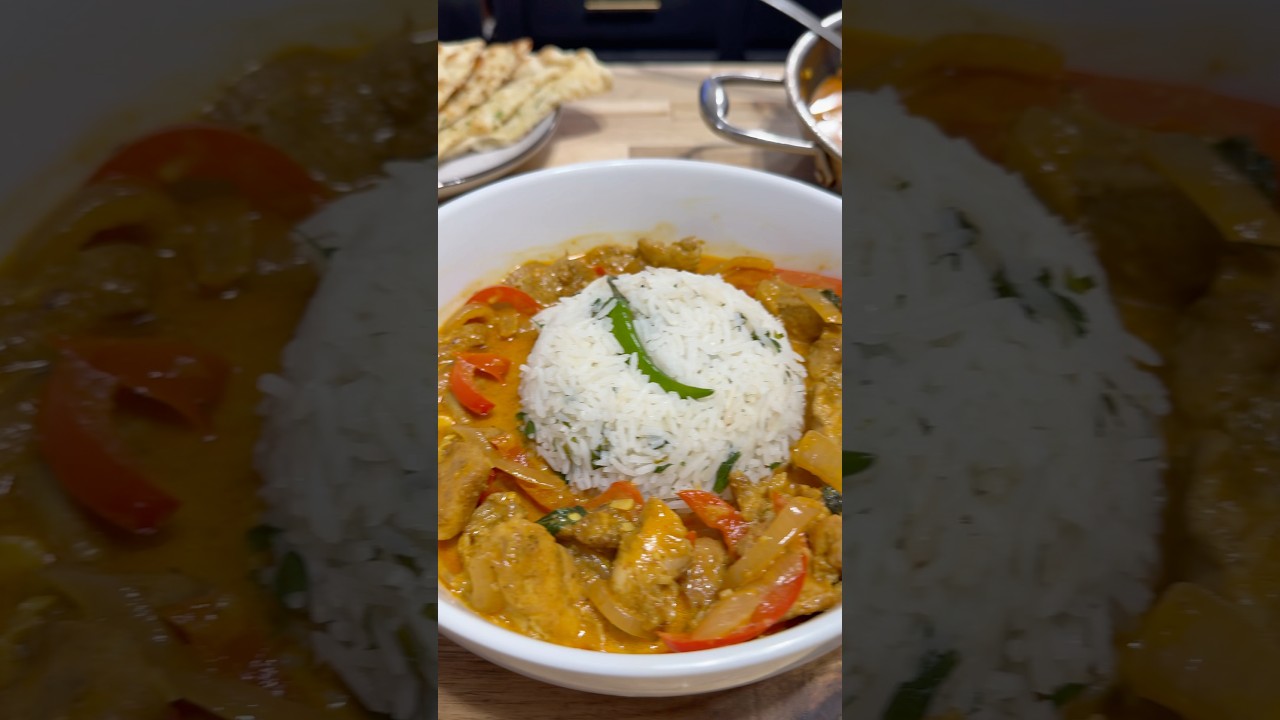
“Most weeknight curry fails at exactly the same place: the spices. Curry powder dumped straight into liquid produces a flat, one-dimensional sauce that tastes like grocery store yellow. The fix is a two-minute bloom — cooking the spices in fat before any liquid touches them — and it transforms this dish from cafeteria food into something that actually tastes like it came from a restaurant. The rest is just not screwing up the coconut milk.”
Why This Recipe Works
Coconut curry is the most forgiving dish in Southeast Asian cooking — until it isn't. The failure mode is specific, nearly universal, and has nothing to do with exotic ingredients or complicated technique. It has everything to do with what you do with curry powder in the first two minutes.
The Bloom Is Everything
Ground spices are essentially inert until they encounter fat or heat. The volatile aromatic compounds that make curry smell like curry — cineole, linalool, sabinene — are fat-soluble. Dumping curry powder into liquid suspends the particles in water without ever activating the compounds that matter. You get yellow broth that tastes vaguely of turmeric.
Blooming is the fix: curry powder, turmeric, and cumin go directly onto the softened onion-garlic-ginger mixture and cook in the residual coconut oil for a full two minutes. The pan gets dry and paste-like. The spices smell impossibly fragrant. This is correct. You are converting inert powder into actual flavor. Do not add liquid until those two minutes are up, and do not be tempted to add a splash of something to prevent sticking. The dryness is part of the process.
The Emulsion Problem
Full-fat coconut milk from a can is a fat-in-water emulsion held together by naturally occurring lecithin. It is stable at a gentle simmer. It is not stable at a rolling boil. Push the heat and the emulsion breaks: fat floats to the surface, the sauce turns grainy and oily, and no amount of stirring brings it back cleanly.
A Dutch oven solves most of the heat control problem. The mass of cast iron or enameled steel holds a steady low temperature without the heat spikes that thin pans produce when the burner cycles. In a thin stainless pot, you are fighting the burner constantly. In a Dutch oven, the pot does the regulation for you.
Aromatics on a Microplane
Fresh ginger makes a measurable difference here, and how you prepare it matters. Pre-ground ginger is dried and oxidized — the volatile oils that make fresh ginger bright and spicy are mostly gone. Grate fresh ginger on a microplane directly over the pan and the aroma that hits you will explain immediately why this matters. Coarsely chopped ginger leaves fibrous threads in the finished sauce. A microplane produces a fine paste that melts into the aromatics completely and disappears into the dish.
Acid Always Last
Lime juice and fish sauce go in off the heat. This is not a preference — it is chemistry. Lime juice added during cooking loses its brightness as volatile citrus esters evaporate at simmering temperatures. More critically, acid added to hot coconut milk destabilizes the emulsion and can cause the sauce to split. Off the heat, the sauce is stable, the lime retains its punch, and the fish sauce's fermented umami integrates cleanly without turning harsh.
Taste the curry before you add the fish sauce. It will taste slightly flat. Add the fish sauce and watch the entire bowl snap into focus. That is umami functioning exactly as intended — amplifying and connecting every other flavor simultaneously. It is not optional.
Why This Works on a Tuesday Night
The sequence of this dish is designed to minimize active attention. The aromatics soften while you prep the vegetables. The spices bloom while you open the coconut milk. The chicken cooks while the sauce does its work. The only moment that requires genuine focus is the bloom, and that is two minutes. Everything else is watching a pot that you are specifically not supposed to boil.
That is the real engineering here. Not that it's simple — but that it's designed to succeed.
Where Beginners Mess This Up
Before we start, read this. These are the 4 reasons your foolproof coconut curry (the 40-minute anti-inflammatory fix) will fail:
- 1
Skipping the spice bloom: Curry powder added directly to liquid hydrates the spice particles rather than toasting them. Blooming in hot fat activates the fat-soluble flavor compounds responsible for the deep, round aroma you get at a good Thai restaurant. Two minutes in hot oil is the difference between flat and complex. Do not skip it and do not rush it.
- 2
Using light coconut milk: The fat in full-fat coconut milk is what makes the sauce lush and coating. Light coconut milk is diluted with water — the finished sauce will be thin and watery and won't cling to vegetables or chicken. Full-fat canned coconut milk is non-negotiable for the right texture.
- 3
Boiling instead of simmering: Coconut milk is an emulsion — fat suspended in water. High heat breaks that emulsion, leaving greasy fat floating on the surface and a grainy, split sauce underneath. Maintain a gentle simmer with occasional bubbles. Rolling turbulence is a ruined dish.
- 4
Adding lime juice too early: Acid added during cooking dulls the bright citrus flavor as volatile esters evaporate at simmering temperatures. It can also destabilize the coconut milk emulsion. Always add lime juice and fish sauce off the heat, right before serving, to preserve brightness and keep the sauce intact.
The Video Reference Library
Want to see it in action? Here are the exact videos we analyzed and combined to build this foolproof recipe translation:
The source video demonstrating the spice bloom technique and showing exactly what sauce consistency should look like before and after adding the coconut milk. Clear close-ups of the bloom stage.
🛠️ Core Equipment
- Large Dutch oven or heavy-bottomed potEven heat distribution is critical when blooming spices and simmering coconut milk. A thin pot scorches the spice bloom before you can get the liquid in and creates hot spots that break the emulsion.
- Microplane or fine graterFor the fresh ginger. Pre-ground ginger is dried and oxidized — the volatile oils are mostly gone. A microplane produces a fine paste that melts into the aromatics completely without leaving fibrous threads in the sauce.
- Wooden spoonFor scraping the fond off the bottom when the coconut milk goes in. That browned layer is concentrated flavor. Dissolving it into the sauce is free depth that takes zero extra effort.
Foolproof Coconut Curry (The 40-Minute Anti-Inflammatory Fix)
🛒 Ingredients
- ✦2 tablespoons coconut oil
- ✦1 large yellow onion, finely diced
- ✦4 cloves garlic, minced
- ✦1 tablespoon fresh ginger, grated
- ✦2 tablespoons curry powder
- ✦1 teaspoon ground turmeric
- ✦1 teaspoon ground cumin
- ✦1 can (14 ounces) full-fat coconut milk
- ✦1 cup low-sodium vegetable broth
- ✦2 medium carrots, cut into 1-inch pieces
- ✦2 cups fresh broccoli florets
- ✦1 red bell pepper, chopped into bite-sized pieces
- ✦1 pound boneless, skinless chicken breast, cut into 1-inch cubes
- ✦1 tablespoon fish sauce
- ✦1 tablespoon lime juice
- ✦1 teaspoon sea salt
- ✦1/2 teaspoon black pepper
- ✦1/4 cup fresh cilantro, chopped
👨🍳 Instructions
01Step 1
Heat coconut oil in a large Dutch oven or heavy-bottomed pot over medium-high heat until shimmering, about 1 minute.
02Step 2
Add the diced onion and cook, stirring occasionally, until softened and translucent, about 4 minutes.
03Step 3
Add the minced garlic and grated ginger, stirring constantly until fragrant, about 1 minute.
04Step 4
Add the curry powder, turmeric, and cumin directly over the aromatics. Cook, stirring to coat everything evenly, for 2 full minutes to bloom the spices.
05Step 5
Pour in the coconut milk and vegetable broth, scraping up any browned bits from the bottom of the pot with a wooden spoon.
06Step 6
Add the carrots and broccoli florets. Bring to a gentle simmer over medium heat.
07Step 7
Nestle the chicken pieces into the simmering liquid, ensuring they are mostly submerged.
08Step 8
Cook uncovered for 12 minutes, stirring occasionally, until the chicken is nearly cooked through and the vegetables begin to soften.
09Step 9
Add the bell pepper and stir to combine. Continue simmering for 5 more minutes until chicken is fully cooked and vegetables are tender-crisp.
10Step 10
Remove from heat. Stir in the fish sauce and lime juice. Taste and adjust seasoning with salt and black pepper.
11Step 11
Ladle into bowls and garnish generously with fresh cilantro. Serve over brown rice or cauliflower rice with a lime wedge.
Nutrition Per Serving
Estimates based on standard preparation. Adjustments alter macros.
🔄 Substitutions
Instead of Chicken breast...
Use Extra-firm tofu or chickpeas
Creates a fully plant-based version. Press tofu for at least 20 minutes before cubing — excess moisture dilutes the sauce and prevents browning. Chickpeas need no prep and add substantial fiber.
Instead of Full-fat coconut milk...
Use Light coconut milk mixed with full-fat Greek yogurt (1:1 ratio)
Reduces calories by roughly 100 per serving and adds protein and probiotics. The sauce will be slightly thinner and tangier. Stir the yogurt in off the heat to prevent curdling.
Instead of Curry powder...
Use Fresh red or green Thai curry paste (2-3 tablespoons)
A genuine upgrade in complexity. Fry the paste in coconut oil with the aromatics for 90 seconds before adding liquid. The flavor profile shifts from Indian-spiced to distinctly Thai.
Instead of Fish sauce...
Use Tamari or coconut aminos with an extra pinch of sea salt
Keeps the dish fully gluten-free with slightly less fermented depth. Coconut aminos are lower in sodium. Add a touch more lime juice to compensate for the lost brightness.
🧊 Storage & Reheating
In the Fridge
Store in an airtight container for up to 4 days. Flavors improve significantly overnight as the spices continue to meld into the sauce.
In the Freezer
Freeze in individual portions for up to 3 months. Thaw overnight in the refrigerator. Vegetables will soften slightly upon reheating — this is expected and normal.
Reheating Rules
Reheat gently on the stovetop over low heat with a splash of vegetable broth or coconut milk to loosen the sauce. Stir frequently. Avoid the microwave — it heats coconut milk sauces unevenly and causes the emulsion to separate.
❓ Frequently Asked Questions
Why does my coconut curry taste bland?
Almost always a spice bloom failure. Curry powder needs to cook in fat for 2 full minutes before liquid is added. This activates the fat-soluble aromatic compounds responsible for depth and fragrance. If you rushed or skipped the bloom, the sauce will taste flat regardless of how much spice you use. There is no fix after the fact — the bloom has to happen at the right moment.
Can I use curry paste instead of curry powder?
Yes, and it's a genuine upgrade. Use 2-3 tablespoons of red or green Thai curry paste in place of the curry powder. Fry it in the coconut oil with the garlic and ginger for 90 seconds before adding the coconut milk. The flavor will be more vivid and the dish will read as distinctly Thai rather than pan-Asian.
Why did my coconut milk sauce turn grainy and oily?
You boiled it. Coconut milk is a fat-in-water emulsion held together by naturally occurring lecithin, and it breaks under aggressive heat. Once the coconut milk goes in, keep the heat at a gentle simmer. If it breaks, whisk in a tablespoon of cold coconut milk off the heat — it sometimes helps. Prevention is far easier than repair.
Do I have to use fish sauce?
No, but the sauce will taste flatter without it. Fish sauce provides fermented umami that amplifies and connects every other flavor in the bowl. If you skip it, substitute tamari or coconut aminos and add a touch more salt. The dish is still good — it just lacks the final layer that makes people ask what's in it.
Can I add more vegetables?
Yes. Spinach, kale, snap peas, zucchini, and cauliflower all work well. Add leafy greens in the last 2 minutes — they wilt almost immediately. Add denser vegetables like cauliflower with the carrots so they have time to cook through. Don't overcrowd the pot or the liquid temperature drops and everything stews instead of simmers.
What should I serve this with?
Brown rice is the standard and absorbs the sauce well. Cauliflower rice works for lower-carb. Naan is the correct answer if you're not counting anything. A wedge of lime on the side is non-negotiable — a squeeze over the finished bowl brightens the entire dish in a way that no amount of lime juice in the pot can replicate.
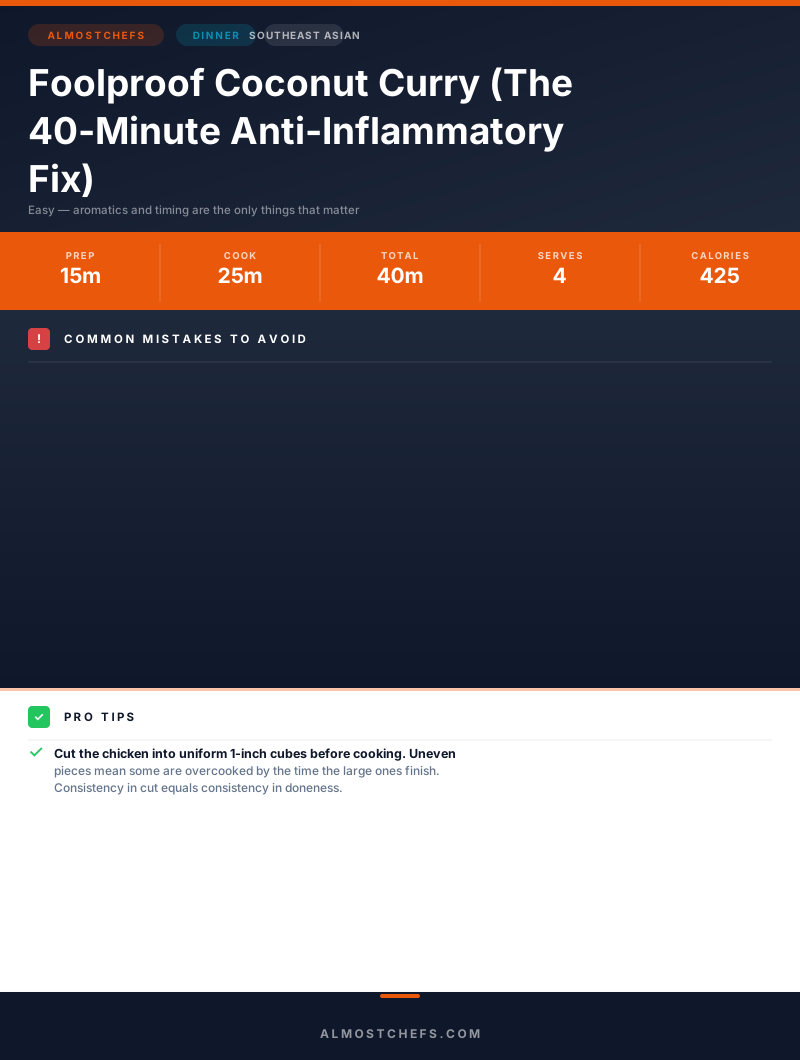
The Science of
Foolproof Coconut Curry (The 40-Minute Anti-Inflammatory Fix)
We turned everything on this page into a beautiful, flour-proof PDF cheat sheet. Print it out, stick it to your fridge, and never mess up your foolproof coconut curry (the 40-minute anti-inflammatory fix) again.
*We'll email you the high-res PDF instantly. No spam, just perfectly cooked meals.
AlmostChefs Editorial Team
We translate the internet's most popular cooking videos into foolproof, beginner-friendly written recipes. We analyze multiple methods, test them in our kitchen, and engineer a single "Master Recipe" that gives you the best possible result with the least possible stress.