Perfect Coconut Cake (Moist, Tropical, No-Fuss)
A tender, triple-coconut layer cake with shredded coconut baked into the crumb, coconut milk in the batter, and a billowy coconut-flecked frosting. We broke down the most common failures in home coconut cake to give you one reliable method that delivers a moist, flavorful slice every single time.

“Most coconut cakes fail in one of two ways: they taste like vanilla cake with coconut sprinkled on top, or they're so dense and greasy you need a glass of water just to get through a slice. Genuine coconut flavor requires coconut at every layer — in the batter, in the liquid, in the frosting. We pulled apart every major technique failure to build one clean method that actually tastes like the tropics.”
Why This Recipe Works
Coconut cake is one of the most misrepresented desserts in the American baking canon. Every grocery store bakery sells a version — thick white frosting, shredded coconut pressed decoratively on top, pale crumb underneath that tastes like vanilla sponge wearing a coconut costume. That is not coconut cake. Coconut cake is a fundamentally different thing, and the difference is architectural.
Three Sources or Nothing
The rule for genuine coconut flavor is simple: coconut has to appear three times. In the batter as shredded coconut. In the liquid as full-fat coconut milk. And in the flavor compounds as coconut extract. Each delivers a different register of coconut character. The shredded coconut contributes texture and toasted-coconut depth from the oven. The coconut milk provides the rich, fatty, tropical creaminess that soaks into the crumb as it bakes. The extract delivers the clean, high-note coconut aroma that registers immediately on the first bite. Remove any one of these and the cake falls back into the generic category.
Most recipes use one, maybe two of these sources and then wonder why the result tastes vaguely tropical at best. The triple-source approach is not overcooking it — it's the minimum required to taste like the real thing.
The Creaming Equation
Coconut cake is a butter cake, and butter cakes live or die on the creaming step. When you beat softened butter with sugar, you're not just combining two ingredients — you're mechanically forcing air into the fat matrix. Each sugar crystal cuts through the butter and creates a tiny air pocket. Three minutes of medium-speed creaming can increase the volume of your butter by 30 to 40 percent. That air is what makes the crumb light.
Cold butter is too rigid to trap air. Warm butter is too soft to hold it. Sixty-eight to seventy degrees Fahrenheit is the target — butter that holds its shape but yields easily to a fingertip. Take it out of the refrigerator at least an hour before you need it. Same rule applies to the eggs: cold eggs dropped into a warm butter-sugar mixture cause the emulsion to break and the batter to curdle, creating a lumpy, separated mix that produces dense cake regardless of how correctly you handle everything else.
The Alternate Addition Technique
Alternating dry ingredients and liquid is not a baking ritual — it's emulsion management. Cake batter is a complex emulsion of fat, water, and air. Adding all the flour at once forms too much gluten before the liquid can hydrate it, producing a tough structure. Adding all the liquid at once floods the fat matrix and breaks the emulsion. Alternating — three additions of dry, two of liquid, starting and ending with dry — keeps the balance stable at every stage.
The critical detail is what happens at the end. The moment the last flour disappears into the batter, you stop the mixer. Not ten seconds later. Immediately. Gluten development is exponential — the first few seconds of overworking do more damage than the first two minutes of proper mixing. A few remaining streaks of flour that fold in with a spatula are better than thirty extra seconds on the mixer.
The Frosting Architecture
The frosting on this cake is not decorative. It's structural and functional. Offset spatula work matters here — the goal is an even, consistent thickness across the top and sides so every slice gets the same ratio of cake to frosting. Thick swirls on top and bare spots on the sides is the default result when you rush this step.
The shredded coconut pressed onto the sides serves a second function beyond aesthetics: it adds a slight textural contrast to the smooth frosting and extends the coconut flavor into the exterior of every bite. Use unsweetened coconut here. Sweetened coconut on the exterior adds cloying sweetness to an already sweet frosting — it overwhelms rather than complements. Toast the topping coconut if you have two extra minutes. The difference in depth of flavor is not subtle.
Why It Gets Better Overnight
The shredded coconut baked into the crumb is hydrophilic — it continues absorbing ambient moisture after the cake cools. After twelve hours, the crumb around each piece of coconut softens slightly, the coconut itself becomes more tender, and the overall texture of the slice becomes noticeably more cohesive. This is not a myth or a placebo effect. It is measurable, and it is the reason bakeries almost universally bake coconut cakes the day before service. If you can bake it the evening before you need it and refrigerate overnight, you will serve a better cake than if you bake it morning-of.
Where Beginners Mess This Up
Before we start, read this. These are the 4 reasons your perfect coconut cake (moist, tropical, no-fuss) will fail:
- 1
Using sweetened coconut instead of unsweetened: Sweetened shredded coconut adds sugar but compresses during baking into sticky clumps that disrupt the crumb structure. Unsweetened coconut stays light, distributes evenly, and lets you control sweetness precisely. The difference in texture is dramatic.
- 2
Cold butter and cold eggs: Room temperature butter creams properly — it traps air in a way cold butter physically cannot. Cold eggs shock the emulsion and cause the batter to curdle, which produces a dense, gummy crumb. Both must be at room temperature before you start.
- 3
Overmixing after the flour goes in: Once you add flour, gluten development starts immediately. Every extra second of mixing builds more gluten, which tightens the crumb structure and turns a tender cake into a chewy one. Add the dry ingredients and mix on low speed just until the streaks of flour disappear.
- 4
Frosting a warm cake: Buttercream is mostly fat. Fat melts. A cake that is even slightly warm will turn your frosting into a liquid puddle that slides off the sides and soaks into the crumb. The cake must be completely cool — at least one full hour on a wire rack after turning out.
The Video Reference Library
Want to see it in action? Here are the exact videos we analyzed and combined to build this foolproof recipe translation:
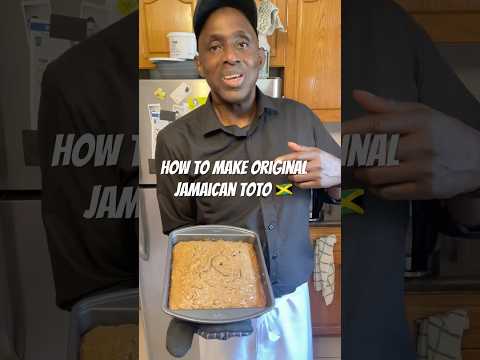
The source video for this recipe method. Covers the creaming technique, coconut milk batter, and frosting application in clear detail. Watch the batter consistency at the 4-minute mark — that's the target texture.
2. Layer Cake Assembly Basics
Fundamental layer cake techniques: leveling layers, applying a crumb coat, and getting clean frosting edges. Useful for first-time layer cake bakers.
3. Buttercream Frosting TroubleshootingCovers the most common frosting failures — grainy texture, separation, and frosting that won't hold peaks — and how to fix each one in real time.
🛠️ Core Equipment
- Two 8-inch round cake pans ↗Standard layer cake size. Smaller pans increase bake time and create taller, less stable layers. Larger pans spread the batter too thin and produce flat layers with no structural integrity for stacking.
- Electric stand or hand mixer ↗Creaming butter and sugar by hand cannot generate enough air in the time required. A mixer aerates the butter properly in 3 minutes. Under-creamed butter produces flat, dense cake.
- Offset spatula ↗For leveling batter in the pans before baking and for applying frosting cleanly. A regular spatula creates drag marks and uneven frosting thickness. The angled blade of an [offset spatula](/kitchen-gear/review/offset-spatula) is purpose-built for this task.
- Wire cooling rack ↗Allows air to circulate underneath the cake layers as they cool. Cooling on a flat plate traps steam, making the bottom of the cake soggy. A [wire cooling rack](/kitchen-gear/review/wire-cooling-rack) is non-negotiable for clean, dry layers.
Perfect Coconut Cake (Moist, Tropical, No-Fuss)
🛒 Ingredients
- ✦2 cups all-purpose flour
- ✦2 teaspoons baking powder
- ✦1 teaspoon baking soda
- ✦1 teaspoon fine sea salt
- ✦1 cup unsweetened shredded coconut
- ✦12 tablespoons unsalted butter, softened to room temperature
- ✦1 cup coconut sugar
- ✦3 large eggs, room temperature
- ✦1 teaspoon vanilla extract
- ✦1/2 teaspoon coconut extract
- ✦3/4 cup full-fat coconut milk
- ✦1/4 cup warm water
- ✦8 tablespoons unsalted butter, softened (for frosting)
- ✦1 1/2 cups powdered sugar
- ✦2 tablespoons coconut milk (for frosting)
- ✦1/2 teaspoon vanilla extract (for frosting)
- ✦1/3 cup unsweetened shredded coconut (for topping)
👨🍳 Instructions
01Step 1
Preheat your oven to 350°F and position a rack in the center.
02Step 2
Brush two 8-inch round cake pans with butter and line the bottoms with parchment paper rounds.
03Step 3
Whisk together the flour, baking powder, baking soda, and salt in a medium bowl. Fold in the shredded coconut until evenly distributed through the dry mix.
04Step 4
Cream the softened butter and coconut sugar together in a large bowl with an electric mixer on medium speed for 3 full minutes until pale and fluffy.
05Step 5
Add the eggs one at a time, beating for 20 seconds after each addition before adding the next.
06Step 6
Add the vanilla extract and coconut extract. Mix until combined.
07Step 7
Combine the coconut milk and warm water in a small measuring cup.
08Step 8
With the mixer on low, alternate adding the dry ingredient mixture and the coconut milk mixture — start with dry, end with dry. Three additions of dry and two of liquid. Mix just until combined after each addition.
09Step 9
Divide the batter evenly between the prepared pans and smooth the tops with an offset spatula.
10Step 10
Bake for 28 to 32 minutes, until a toothpick inserted in the center comes out with just a few moist crumbs.
11Step 11
Cool in the pans on a wire rack for 15 minutes, then turn out and cool completely, at least 1 hour.
12Step 12
Beat the softened frosting butter on medium speed for 2 minutes until pale and creamy.
13Step 13
Add the powdered sugar gradually on low speed, then increase to medium once incorporated. Add the coconut milk and vanilla. Beat until the frosting is fluffy and spreadable with soft peaks.
14Step 14
Place one cooled cake layer on a serving plate. Spread one-third of the frosting evenly over the top.
15Step 15
Set the second layer on top and apply the remaining frosting to the top and sides, using swirling motions for texture.
16Step 16
Scatter the reserved shredded coconut over the top and press gently onto the sides so it adheres.
Nutrition Per Serving
Estimates based on standard preparation. Adjustments alter macros.
🔄 Substitutions
Instead of Coconut sugar...
Use Monk fruit sweetener blend (3/4 cup)
Slightly less browning and moisture, but dramatically lower glycemic load with nearly identical flavor. Use 3/4 cup as monk fruit is sweeter by volume.
Instead of All-purpose flour...
Use 1 cup almond flour + 1 cup all-purpose flour
Creates a slightly more tender, nutty crumb with reduced gluten structure. The cake will be marginally denser but richer in protein and fiber.
Instead of Full-fat coconut milk...
Use Light coconut milk or carton coconut milk
Slightly less rich texture but the coconut flavor remains vibrant. Reduces saturated fat content without significantly compromising moisture.
Instead of Powdered sugar (frosting)...
Use Powdered monk fruit sweetener or erythritol blend (1 1/2 cups)
Frosting may have a subtle cooling sensation on the palate. Taste and texture are otherwise nearly identical to traditional frosting.
🧊 Storage & Reheating
In the Fridge
Store covered in the refrigerator for up to 4 days. The coconut crumb actually improves in moisture after the first 24 hours.
In the Freezer
Freeze unfrosted cake layers individually, wrapped tightly in plastic wrap and then foil, for up to 2 months. Thaw overnight at room temperature before frosting.
Reheating Rules
This cake is best served at room temperature. Remove from the refrigerator 30 minutes before serving. Do not microwave — it dries out the crumb and melts the frosting.
❓ Frequently Asked Questions
Why is my coconut cake dense instead of fluffy?
Almost always cold butter or cold eggs, or both. Cold butter cannot trap air during creaming, producing a flat, heavy batter. Cold eggs shock the emulsion and cause it to separate. Both must be genuinely room temperature before you start — not 'I left them out for five minutes.'
Can I use sweetened shredded coconut instead of unsweetened?
You can, but the cake will be significantly sweeter and the coconut tends to clump in the batter rather than distributing evenly. If sweetened is all you have, reduce the coconut sugar by 2 tablespoons to compensate.
Why did my frosting slide off the cake?
The cake was still warm. Buttercream melts at around body temperature, so even a slightly warm cake will turn frosting into a liquid. The layers need a full hour on a wire rack after turning out — no shortcuts.
Can I make this as a single-layer sheet cake instead?
Yes. Use a 9x13 inch pan, fill it with all the batter, and bake at 350°F for 35-40 minutes. Frost directly in the pan. You'll lose the dramatic layer presentation but gain ease of serving.
Do I have to use coconut extract?
If you want the cake to actually taste like coconut, yes. Coconut milk and shredded coconut alone produce a mild, background coconut note. The extract brings the flavor forward. It's the difference between a coconut cake and a cake that has some coconut in it.
How do I get the coconut to stick to the frosted sides?
Apply the coconut immediately after frosting while the buttercream is still soft. Cup a handful and press it gently against the side of the cake. Waiting even 20 minutes allows the frosting surface to crust over slightly, and the coconut won't adhere cleanly.
The Science of
Perfect Coconut Cake (Moist, Tropical, No-Fuss)
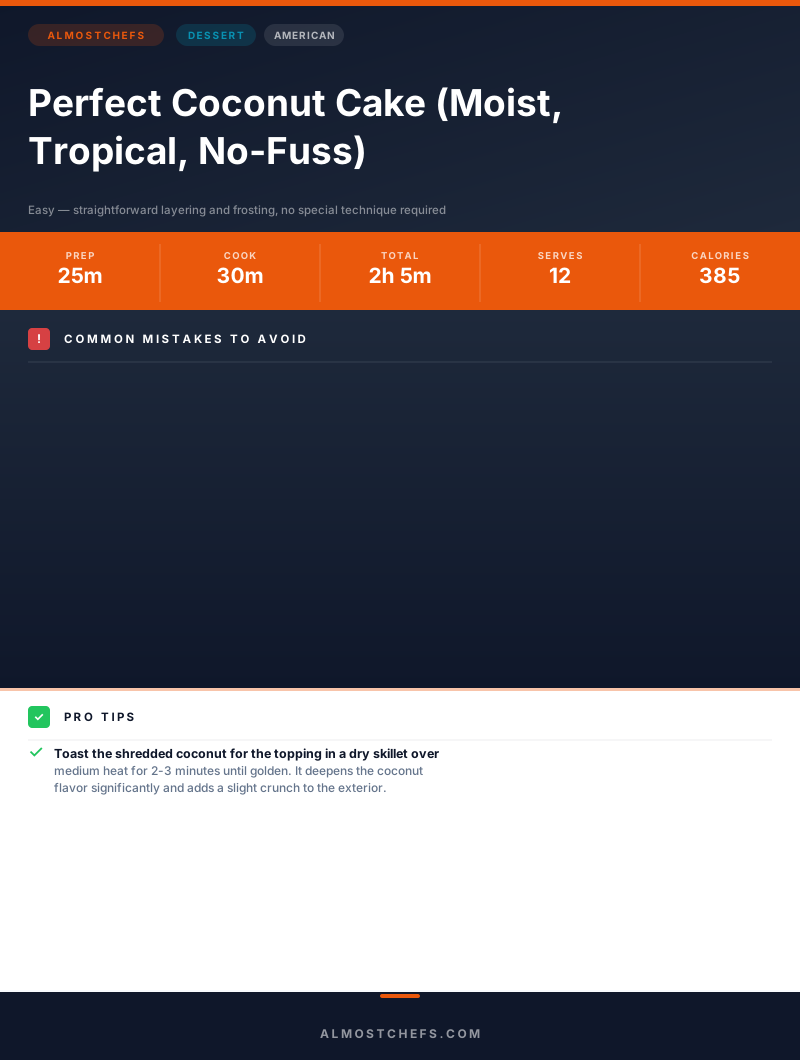
We turned everything on this page into a beautiful, flour-proof PDF cheat sheet. Print it out, stick it to your fridge, and never mess up your perfect coconut cake (moist, tropical, no-fuss) again.
*We'll email you the high-res PDF instantly. No spam, just perfectly cooked meals.
AlmostChefs Editorial Team
We translate the internet's most popular cooking videos into foolproof, beginner-friendly written recipes. We analyze multiple methods, test them in our kitchen, and engineer a single "Master Recipe" that gives you the best possible result with the least possible stress.