Authentic Roman Carbonara (No Cream, No Excuses)
A Roman pasta classic made entirely from eggs, cured guanciale, Pecorino Romano, and black pepper — no cream required. We broke down the tempering technique so you get a silky, coating sauce every single time without scrambled eggs.
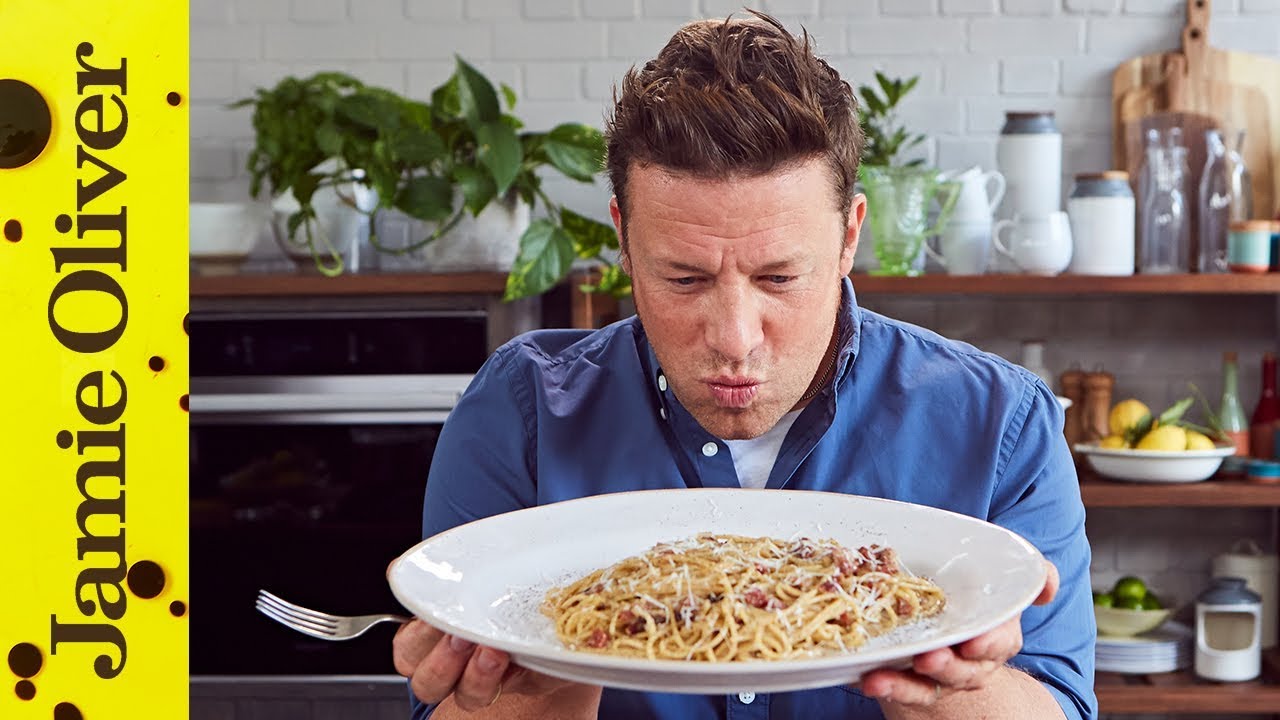
“The internet is full of carbonara recipes that call for heavy cream. Ignore every single one of them. Authentic carbonara has no cream, no butter, no shortcuts — just eggs, rendered pork fat, sharp cheese, and black pepper, combined at exactly the right temperature to form a sauce that coats pasta like velvet. The only thing standing between you and perfect carbonara is understanding one concept: off-heat tempering. Once you have that, this dish takes 30 minutes and costs almost nothing.”
Why This Recipe Works
Carbonara has two versions: the one Romans have made for decades, and the one the rest of the world invented when they couldn't figure out why their eggs kept scrambling. The cream-based version exists entirely as a workaround for not understanding heat management. This recipe is the real one.
What Carbonara Actually Is
Strip it down: carbonara is an emulsion sauce. The goal is to combine rendered pork fat, starchy pasta water, and beaten eggs into a fluid, glossy coating that clings to every strand. The emulsification happens through heat, starch, and mechanical action — constant tossing that breaks the fat into microscopic droplets suspended throughout the egg proteins. No cream. No butter. No stabilizers. Just technique.
The moment you add cream, you're not making an emulsion anymore. You're making a heavy dairy sauce with eggs dissolved into it. It's easier, it's more forgiving, and it tastes completely different — heavier, flatter, less alive. The egg-only version has a delicacy that cream physically cannot replicate.
The Temperature Problem
Eggs begin to scramble at around 160°F and finish setting at 180°F. A hot skillet fresh off the burner sits between 350°F and 400°F. If those two surfaces meet without a controlled intermediary, you have scrambled pasta within 10 seconds.
The solution is off-heat tempering. After the guanciale renders and you've tossed the pasta in the fat, the pan comes off the burner completely. Thirty seconds of cooling brings the surface temperature down to somewhere around 200°F — still hot enough to cook the eggs, but cool enough that they don't set immediately. The egg mixture goes in as a thin stream while you toss constantly, distributing the heat evenly across every surface. The starchy pasta water you hold in reserve acts as a buffer — its dissolved starch lowers the effective temperature of the sauce and gives you a wider window to work in before things go wrong.
The Guanciale Question
Guanciale is cured pork jowl. It has a higher fat-to-meat ratio than pancetta, and its curing spices — typically pepper, rosemary, and juniper — give it a deeper, more complex flavor than bacon or pancetta can approximate. When it renders, it produces a large volume of liquid fat that becomes the base of the entire sauce.
Pancetta works as a substitute. Bacon works less well — the smoking process adds a flavor dimension that competes with the Pecorino and pepper rather than supporting them. If you live somewhere guanciale is accessible, this is not the recipe to compromise on it.
The Cheese Architecture
Pecorino Romano is made from sheep's milk. It's sharper, saltier, and more aggressive than Parmesan — which is why it pairs so precisely with the sweetness of rendered pork fat and the heat of coarsely cracked black pepper. The three components form a triangle of salt, fat, and heat that is the entire flavor architecture of the dish.
The cheese must be grated fine — nearly powder-fine, not the shredded flakes that come pre-bagged. Coarse cheese clumps in the egg mixture and creates uneven pockets of saltiness in the final sauce. A fine microplane takes 90 seconds and solves this entirely.
The Pasta Water Insurance Policy
Pasta cooking water contains dissolved starch from the pasta surface. That starch functions as a natural emulsifier — the same role that lecithin plays in mayonnaise or xanthan gum plays in commercial dressings. It helps fat and water molecules stay suspended together rather than separating.
Reserve a full cup. You probably won't use all of it, but you want it available. Add it tablespoon by tablespoon after the sauce comes together, tossing after each addition, until the consistency flows off the pasta in a slow ribbon rather than sitting in a thick mass at the bottom of the bowl.
The entire dish takes 30 minutes. It requires one pan, one pot, one bowl, and attention at exactly one moment. Master the off-heat tempering and carbonara becomes one of the fastest, most impressive weeknight pastas you own.
Where Beginners Mess This Up
Before we start, read this. These are the 4 reasons your authentic roman carbonara (no cream, no excuses) will fail:
- 1
Adding the egg mixture to a hot pan: The single most common carbonara mistake. If the pan is still on the heat when you add the eggs, they scramble before they can emulsify with the pasta water. Pull the skillet completely off the heat, let it rest 30 seconds, then add the egg mixture in a thin stream while tossing constantly. Residual heat does the work.
- 2
Skipping the pasta water: Pasta cooking water is not a backup plan — it is an ingredient. The dissolved starch loosens the sauce and helps it cling to every strand. Reserve at least a cup before you drain. Use it one tablespoon at a time until you hit the right consistency. Without it, the sauce seizes into a thick paste.
- 3
Using cold eggs straight from the fridge: Cold eggs drop the pan temperature too quickly and create an uneven sauce — part scrambled, part raw, nothing right. Eggs must be at room temperature before they go into the bowl. Take them out when you start boiling the water.
- 4
Underseasoning the pasta water: Carbonara has very few components. Every one of them must be maximally flavorful. The pasta water should taste like the sea — genuinely salty, not lightly seasoned. Under-salted pasta dilutes everything else you've built.
The Video Reference Library
Want to see it in action? Here are the exact videos we analyzed and combined to build this foolproof recipe translation:
The source video for this recipe. Covers the off-heat tempering method and the exact consistency you're targeting before you plate.
🛠️ Core Equipment
- Large heavy-bottomed skilletRetains heat evenly after you pull it off the burner. The residual heat is what gently cooks the egg mixture. A thin pan drops temperature too fast and leaves the sauce underdone.
- Large pot for pastaYou need enough water volume to maintain a rolling boil when the pasta goes in. Crowded pasta sticks together and cooks unevenly.
- Fine microplane or box graterPecorino Romano must be finely grated — almost powder-fine — to dissolve into the egg mixture without leaving clumps. Pre-grated cheese contains anti-caking agents that ruin the emulsion.
- Warmed serving bowlsCarbonara seizes the moment it hits a cold surface. Warm your bowls with hot tap water and dry them right before plating. This buys you the 2-3 extra minutes you need to eat it properly.
Authentic Roman Carbonara (No Cream, No Excuses)
🛒 Ingredients
- ✦1 pound spaghetti or linguine
- ✦6 ounces guanciale (cured pork jowl), cut into ¼-inch cubes
- ✦4 large eggs, room temperature
- ✦2 ounces Pecorino Romano cheese, finely grated
- ✦1 to 2 teaspoons freshly ground black pepper, divided
- ✦1 teaspoon fine sea salt, plus more for pasta water
- ✦3 quarts water for cooking pasta
- ✦2 tablespoons reserved pasta cooking water (approximate)
👨🍳 Instructions
01Step 1
Cut the guanciale into uniform ¼-inch cubes.
02Step 2
Bring 3 quarts of water to a rolling boil in a large pot. Season aggressively with sea salt until it tastes like the ocean.
03Step 3
Place the guanciale in a large skillet over medium heat. Render slowly, stirring occasionally, until the fat is fully released and the pieces are crispy — about 8 to 10 minutes.
04Step 4
While the guanciale renders, whisk together the eggs, finely grated Pecorino Romano, and 1 teaspoon black pepper in a medium bowl until fully combined and slightly pale — about 1 minute of vigorous whisking.
05Step 5
Add the pasta to the boiling salted water and cook according to package directions until al dente — usually 9 to 12 minutes.
06Step 6
Reserve at least 1 cup of pasta cooking water in a measuring cup before draining. Do not forget this step.
07Step 7
Remove the guanciale skillet from the heat. Let it cool for 30 seconds.
08Step 8
Drain the pasta and transfer it directly into the skillet with the guanciale and rendered fat. Toss constantly for 30 seconds to coat every strand.
09Step 9
Add the egg and cheese mixture in a thin stream while tossing vigorously and continuously. The residual heat will cook the eggs gently into a sauce.
10Step 10
Continue tossing for 1 to 2 minutes until the sauce is creamy and coats the pasta evenly.
11Step 11
If the sauce is too thick, add reserved pasta water one tablespoon at a time while tossing until you reach the right consistency.
12Step 12
Taste and adjust with additional black pepper and salt. Serve immediately into warmed bowls.
Nutrition Per Serving
Estimates based on standard preparation. Adjustments alter macros.
🔄 Substitutions
Instead of Guanciale...
Use Pancetta or thick-cut bacon
Pancetta is closer — similar fat content and cured flavor. Bacon adds smokiness that isn't traditional but still works. Render the same way regardless.
Instead of Pecorino Romano...
Use Parmigiano-Reggiano
Milder and less sharp. The sauce will be slightly more buttery and less aggressive. A 50/50 blend of both is common in Rome and is a good middle ground.
Instead of Whole eggs...
Use 3 egg yolks plus 1 whole egg
Richer, more golden sauce with less chance of the whites setting unevenly. Most Roman restaurants use more yolks than whites. Slightly more forgiving technique.
Instead of Spaghetti or linguine...
Use Rigatoni or mezze rigatoni
The ridges and tubes trap sauce inside every piece. Different texture than the traditional strand pasta but structurally sound. Common in Rome alongside spaghetti.
🧊 Storage & Reheating
In the Fridge
Store in an airtight container for up to 2 days. The sauce will tighten significantly when cold.
In the Freezer
Not recommended. The egg-based sauce breaks on freezing and thawing.
Reheating Rules
Add 2 tablespoons of water to the pasta in a skillet over low heat. Toss constantly as it heats — do not let it sit still or the eggs will scramble. Microwave is not suitable for carbonara.
❓ Frequently Asked Questions
Why does my carbonara look scrambled instead of creamy?
The pan was too hot when you added the eggs. Pull it completely off the heat, wait 30 seconds, then add the egg mixture in a thin stream while tossing continuously. The residual heat is sufficient to cook the sauce — you do not need the burner on.
Can I add cream to make it easier?
You can, but it's no longer carbonara — it's a cream pasta with eggs in it. Cream masks every problem, which is why it's used, but it also flattens the flavor and changes the texture from silky to heavy. Learn the tempering method once and you won't need it.
Why does the recipe call for room temperature eggs?
Cold eggs drop the pan temperature too sharply when added, creating an uneven cook — part of the egg sets before the rest has emulsified with the fat and starch. Room temperature eggs distribute heat more evenly and give you more control over the sauce.
How do I know when the guanciale is properly rendered?
The fat should be fully liquified and the meat pieces should be golden to deep bronze — crispy on the outside with a slightly chewy center. You should see a substantial pool of clear rendered fat in the pan. If the pieces are pale or soft, keep going.
Can I make carbonara ahead of time?
No. Carbonara is a dish that exists in a 10-minute window between plating and eating. It does not reheat gracefully and it does not hold. Make it when you're ready to eat it.
Is it safe to eat the eggs if they're not fully cooked?
The residual heat from the pasta and rendered fat does cook the eggs — the sauce should reach around 160°F during the tossing process. If food safety is a concern, use pasteurized eggs. The flavor is identical.
The Science of
Authentic Roman Carbonara (No Cream, No Excuses)
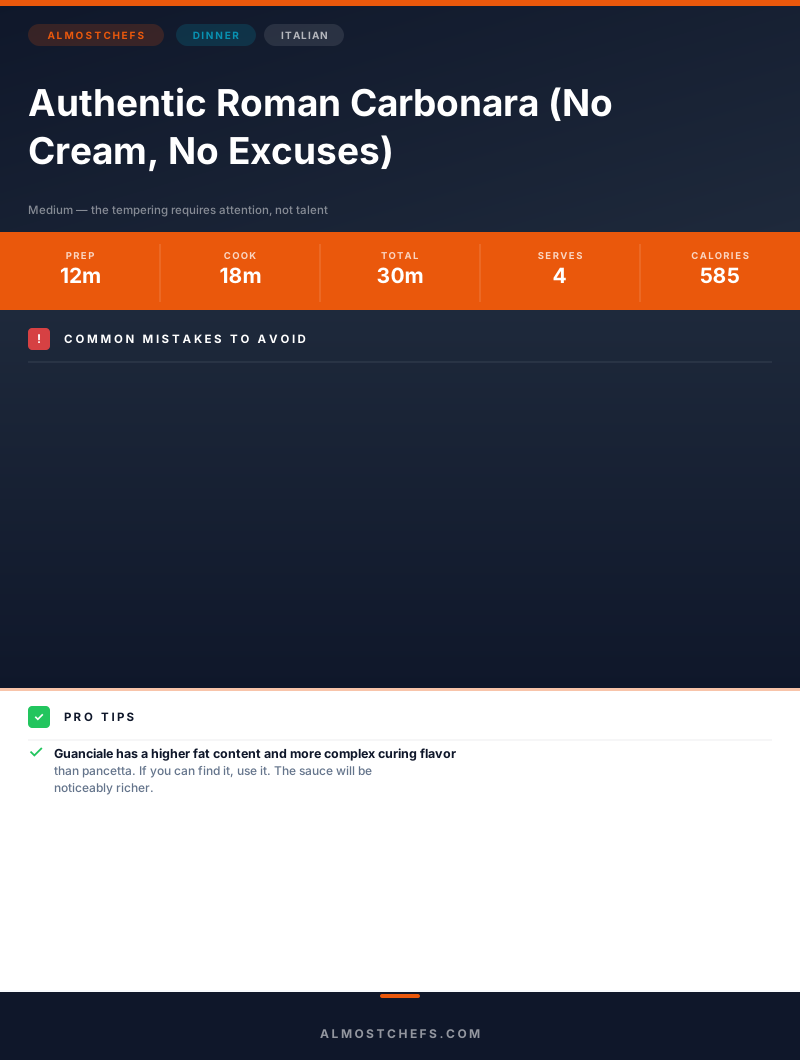
We turned everything on this page into a beautiful, flour-proof PDF cheat sheet. Print it out, stick it to your fridge, and never mess up your authentic roman carbonara (no cream, no excuses) again.
*We'll email you the high-res PDF instantly. No spam, just perfectly cooked meals.
AlmostChefs Editorial Team
We translate the internet's most popular cooking videos into foolproof, beginner-friendly written recipes. We analyze multiple methods, test them in our kitchen, and engineer a single "Master Recipe" that gives you the best possible result with the least possible stress.