New England Clam Chowder (Stop Using Canned Clams)
A silky, briny New England-style chowder built on fresh littleneck clams, smoky bacon, and Yukon gold potatoes in a rich cream base. We broke down the most common home cook failures to give you one bulletproof technique that delivers authentic seafood shack flavor in under an hour.
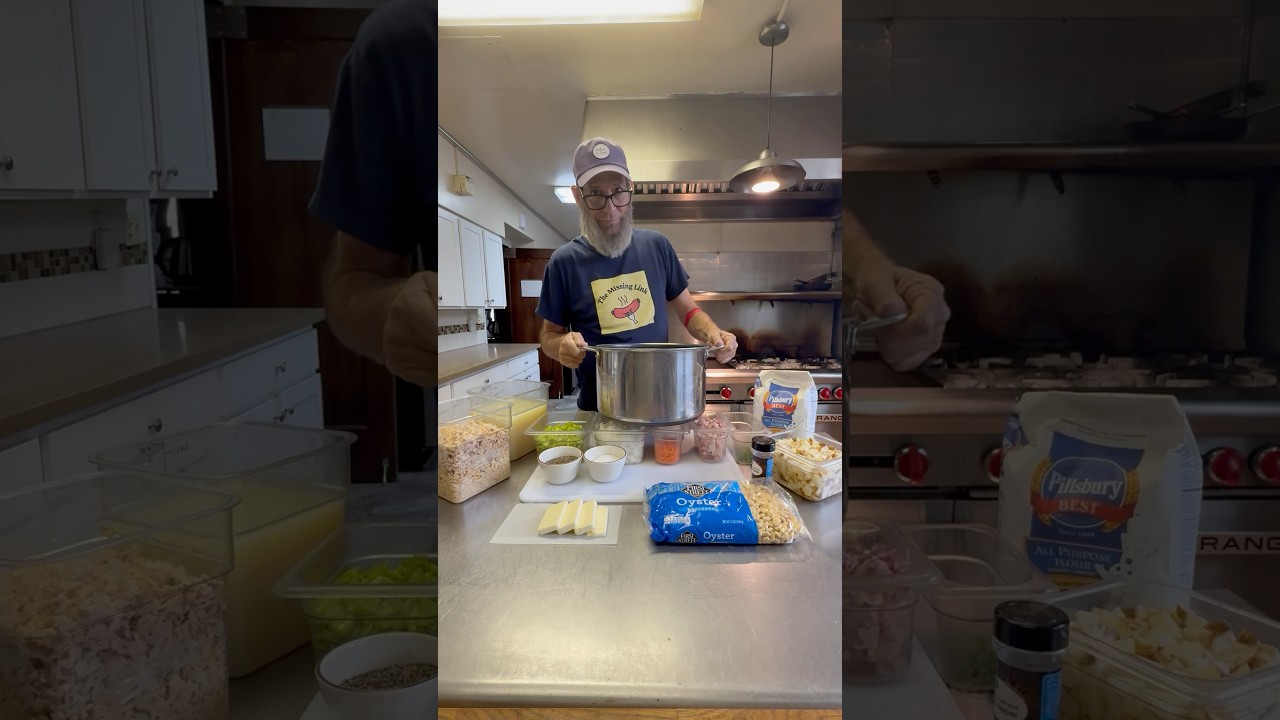
“Most homemade clam chowder is a lie. It's thick white paste with rubbery clam bits from a can, and people eat it anyway because the idea of clam chowder is better than admitting it's bad. The version that actually tastes like something — that coastal, briny, silky bowl that makes you feel like you're sitting on a dock in Maine — starts with fresh clams steamed in their own liquid. That steaming liquid is the entire point. Without it, you're just making potato cream soup.”
Why This Recipe Works
Clam chowder is one of the most requested comfort foods in American cooking and one of the most consistently disappointing when made at home. The gap between the mediocre version and the real thing comes down to a single decision made before anything hits a pan: whether you're building the soup on genuine clam steaming liquid or on an approximation of it.
The Liquid Is the Recipe
When fresh littleneck clams steam open over boiling water, they release a concentrated, briny, mineral-rich liquid that carries more flavor than any bottled clam juice you can buy. It contains the same umami compounds as the clam meat itself — glutamates, succinic acid, the specific oceanic sweetness that makes a great chowder taste like the coast rather than a cream sauce with stuff in it. This liquid is the entire flavor foundation of the dish. Everything else — the bacon, the aromatics, the cream — exists to support and frame it.
The grit problem is real, and it matters. Fresh clams carry sand in their shells and on their exteriors. If you pour the steaming liquid directly into the pot without straining, you're seasoning every bowl with a gritty texture that ruins the whole experience. The extra 30 seconds of straining through a fine-mesh sieve is not optional.
The Roux Does the Heavy Lifting
The flour-and-butter roux thickens the soup, but it also does something more important: it creates the neutral, starchy matrix that allows the cream and clam liquid to emulsify into a single cohesive body instead of sitting as separate layers. An undercooked roux leaves a floury taste that persists through the entire bowl. Two minutes of active stirring on heat is the minimum — you're watching for a faint color shift from white to pale gold and a nutty aroma that signals the raw starch has transformed.
Adding cold liquid to hot roux always risks lumps. The technique is a slow pour with a whisk moving constantly — the first cup almost in a thin stream while the whisk breaks down any clumping before it sets. Once the first cup is incorporated smoothly, the rest of the clam liquid can go in faster.
The Potato Question
Yukon gold potatoes are the correct choice and the reasoning is structural, not preferential. Their moderate starch content means they soften into fork-tender pieces at the same time they release enough starch into the surrounding liquid to naturally thicken the chowder from within. Waxy red potatoes hold their shape but contribute almost nothing to the body of the soup — you end up with a thin broth and cubes of potato floating in it. Russets go too far in the other direction, breaking down completely and turning the chowder into mashed potato soup.
The 15-18 minute simmer window lets the potatoes reach the point where their edges are just beginning to dissolve into the liquid. That's the texture signature of a great chowder: most pieces intact, with a few sacrificed to the cause of body.
The Cream Requires Respect
Heavy cream is a stable emulsion of fat and water held together by heat-sensitive proteins. When that emulsion gets too hot — above a simmer — the proteins denature, the fat separates, and the cream breaks into greasy droplets suspended in thin liquid. You cannot fix a broken cream soup by stirring harder. This is why the heat goes to low before the cream enters the pot, and stays there.
Adding the clam meat at the very end, after the cream is incorporated, is not just about texture — it's about protecting a product that is already fully cooked. Clam meat cooks in under 7 minutes of steaming. What you're doing at the end is a 90-second warm-through, nothing more. The moment the clam pieces are hot to the touch, the pot comes off the heat. Discipline here is what separates tender clams from rubber.
The 10-minute rest before serving is real and matters. The starches released by the potatoes continue to integrate, the cream and clam liquid finish merging, and the whole bowl tightens into a coherent thing. Chowder served immediately out of the pot tastes good. Chowder served after resting tastes finished.
Where Beginners Mess This Up
Before we start, read this. These are the 4 reasons your new england clam chowder (stop using canned clams) will fail:
- 1
Boiling the cream: Heavy cream breaks when it hits a hard boil. The fat separates from the protein and you get greasy, curdled soup instead of a silky emulsion. Once you add the cream, the heat goes to low and stays there. No exceptions.
- 2
Adding clams too early: Clam meat is already cooked the moment you steam it open. Every additional minute it spends in a simmering pot makes it tighter and chewier. Add the clams at the very end, stir for 90 seconds to warm through, then pull the pot off the heat immediately.
- 3
Skipping the roux cook time: A roux that isn't cooked for at least 2 minutes tastes like wet flour paste. You need to stir that butter-flour mixture on the heat long enough for the raw starch to transform — you'll smell it shift from flour to something faintly nutty. That's when it's ready.
- 4
Discarding the clam steaming liquid: The steaming liquid is where the entire flavor of the dish lives. It is more intensely flavored than any clam juice you can buy in a bottle. Pour it off carefully, leaving the grit behind, and build the soup on it. It is not optional.
The Video Reference Library
Want to see it in action? Here are the exact videos we analyzed and combined to build this foolproof recipe translation:
The primary reference video for this recipe. Demonstrates the fresh clam steaming technique and shows exactly what properly cooked roux looks and smells like before the liquid goes in.
🛠️ Core Equipment
- Large stockpot with tight-fitting lidFor steaming the clams. The lid traps steam so the clams open evenly and quickly. A pot without a lid turns a 6-minute job into a 15-minute guessing game.
- Dutch oven or heavy-bottomed potEven heat distribution is essential for building the roux and simmering without scorching. Thin pots create hot spots that burn the flour before the vegetables soften.
- Fine-mesh sieve or cheeseclothFor straining the clam steaming liquid before it goes into the chowder. Fresh clams carry grit and sand. If you skip straining, you'll taste it in every spoonful.
- WhiskNon-negotiable when adding the clam liquid to the roux. Pouring liquid into flour without constant whisking creates lumps that no amount of stirring will fix later.
New England Clam Chowder (Stop Using Canned Clams)
🛒 Ingredients
- ✦3 pounds fresh littleneck clams
- ✦6 slices bacon, diced
- ✦5 tablespoons butter
- ✦2 medium yellow onions, finely diced
- ✦3 stalks celery, diced
- ✦4 medium Yukon gold potatoes, cut into ½-inch cubes
- ✦3 tablespoons all-purpose flour
- ✦4 cups reserved clam steaming liquid
- ✦1½ cups heavy cream
- ✦2 bay leaves
- ✦1 teaspoon fresh thyme leaves (or ½ teaspoon dried)
- ✦½ teaspoon Worcestershire sauce
- ✦Sea salt to taste
- ✦Cracked black pepper to taste
- ✦¼ teaspoon hot sauce (optional)
👨🍳 Instructions
01Step 1
Rinse the clams thoroughly under cold running water, scrubbing the shells to remove any sand or debris.
02Step 2
Pour ½ cup water into a large stockpot and bring to a boil over high heat. Add the clams, cover tightly, and steam for 5-7 minutes until the shells open wide.
03Step 3
Transfer the opened clams to a colander set over a large bowl to catch the liquid. Pour the steaming liquid from the pot through a fine-mesh sieve into the bowl, leaving any grit behind.
04Step 4
Once the clams are cool enough to handle, remove the meat from the shells using a small knife. Chop into bite-sized pieces and set aside.
05Step 5
Cook the diced bacon in a [Dutch oven](/kitchen-gear/review/dutch-oven) over medium heat for 6-8 minutes, stirring occasionally, until crispy and browned.
06Step 6
Add the butter to the bacon fat and let it melt, then add the diced onions and celery. Cook for 5-6 minutes, stirring frequently, until soft and fragrant.
07Step 7
Sprinkle the flour over the vegetable mixture and stir continuously for 2 minutes until the roux turns faintly golden and smells nutty.
08Step 8
Slowly pour the reserved clam steaming liquid into the pot while whisking constantly to prevent lumps.
09Step 9
Add the diced potatoes, bay leaves, thyme, and Worcestershire sauce. Bring to a gentle simmer and cook uncovered for 15-18 minutes, stirring occasionally, until the potatoes are fork-tender.
10Step 10
Reduce heat to low. Slowly pour in the heavy cream while stirring gently. Do not let the soup boil from this point forward.
11Step 11
Fold in the reserved chopped clam meat and stir for 1-2 minutes until warmed through. Remove from heat immediately.
12Step 12
Remove bay leaves. Season with sea salt, cracked pepper, and hot sauce if using.
13Step 13
Let the chowder rest at room temperature for 10 minutes before serving. The flavors tighten and deepen significantly as it sits.
Nutrition Per Serving
Estimates based on standard preparation. Adjustments alter macros.
🔄 Substitutions
Instead of Heavy cream...
Use Half-and-half with 2 tablespoons cornstarch slurry
Slightly lighter mouthfeel. The cornstarch ensures proper thickening without separation — whisk it into cold liquid before adding. Reduces saturated fat meaningfully.
Instead of Bacon...
Use 1 teaspoon smoked paprika added to the aromatics
More plant-forward and vegetarian-friendly. You lose the rendered fat base, so start with 3 extra tablespoons of butter. Slightly less savory depth but still flavorful.
Instead of All-purpose flour...
Use Cornstarch slurry (2 tablespoons cornstarch mixed with ¼ cup cold clam liquid)
Gluten-free alternative. Creates a slightly glossier, cleaner texture. Add at the end after the cream, not at the roux stage.
Instead of Fresh littleneck clams...
Use Three 6.5-ounce cans chopped clams with juice
Use the canned juice as part of the 4-cup liquid base. The flavor is less briny and complex, but it works when fresh clams aren't available. Add canned clams at the same point — end of cooking, just to warm through.
🧊 Storage & Reheating
In the Fridge
Store in an airtight container for up to 3 days. The chowder thickens significantly when cold — this is normal. Reheat gently and thin with warm clam juice if needed.
In the Freezer
Not recommended. Cream-based soups separate when frozen and thawed, resulting in a grainy, broken texture. The potatoes also become waterlogged.
Reheating Rules
Reheat over low heat, stirring frequently, until just steaming. Do not boil. If the chowder has thickened overnight, add a splash of cream or clam juice and stir until smooth before serving.
❓ Frequently Asked Questions
Why is my chowder grainy or broken?
The cream was added to soup that was too hot, or the chowder came to a boil after the cream went in. Once cream is in the pot, the heat must stay at low. A broken chowder can sometimes be rescued by removing from heat, adding a tablespoon of cold butter, and whisking vigorously until it comes back together.
Can I use canned clams instead of fresh?
Yes, but understand the trade-off. Canned clams have been cooked twice by the time they reach your pot, which means they're already on the edge of rubbery. Add them at the absolute last moment. The bigger loss is the steaming liquid — canned clam juice is flatter and less briny. The chowder will still be good, just less intensely flavored.
My chowder is too thin. How do I fix it?
Make a small cornstarch slurry — 1 tablespoon cornstarch whisked into 2 tablespoons cold water — and stir it into the simmering chowder before you add the cream. Let it cook for 2 minutes before adding the cream. Do not add more flour at this stage.
Why are my clams rubbery?
They cooked too long. Clam meat is done the moment the shell opens during steaming. Every minute after that, the protein continues to tighten. Add the chopped clam meat at the very end of cooking, stir for 90 seconds maximum, and remove the pot from heat immediately.
Do I have to steam the clams first or can I cook them directly in the soup?
You must steam them separately. Cooking clams in the soup base means boiling them in acidic, salty liquid under direct heat — they'll toughen in minutes and the shells won't release their briny liquid into the chowder cleanly. The two-stage process exists for a reason: it gives you control over both the liquid and the clam texture.
What's the difference between New England and Manhattan clam chowder?
New England is cream-based, white, and potato-forward. Manhattan is tomato-based, red, and thinner. They share clams and aromatics but are otherwise distinct dishes with distinct regional loyalties. New England is the older tradition; Manhattan chowder emerged in the late 19th century and was initially controversial enough that a Maine legislator once tried to make it illegal.
The Science of
New England Clam Chowder (Stop Using Canned Clams)
We turned everything on this page into a beautiful, flour-proof PDF cheat sheet. Print it out, stick it to your fridge, and never mess up your new england clam chowder (stop using canned clams) again.
*We'll email you the high-res PDF instantly. No spam, just perfectly cooked meals.
AlmostChefs Editorial Team
We translate the internet's most popular cooking videos into foolproof, beginner-friendly written recipes. We analyze multiple methods, test them in our kitchen, and engineer a single "Master Recipe" that gives you the best possible result with the least possible stress.