San Francisco Cioppino (The Seafood Stew That Built a City)
A rustic Italian-American seafood stew from San Francisco's fishing docks — clams, shrimp, white fish, and calamari simmered in a garlicky white wine tomato broth. We analyzed the technique to build one foolproof method that gets every piece of seafood to the finish line at the same time.
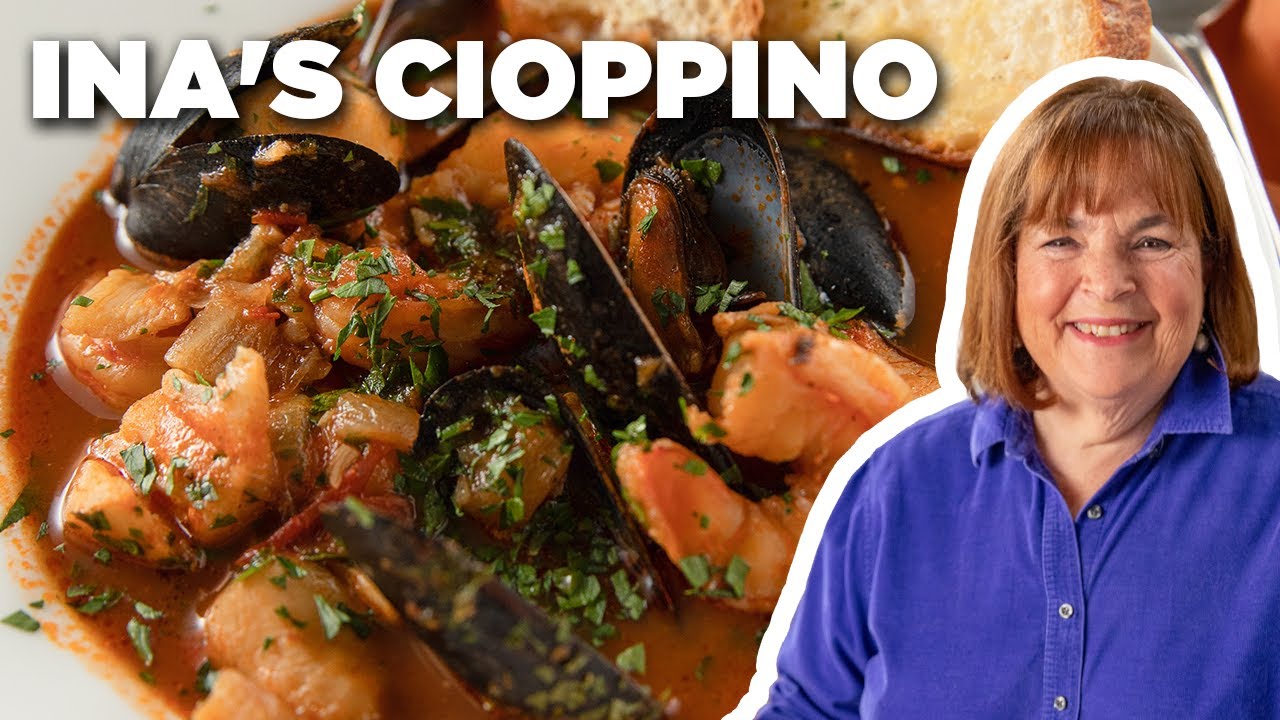
“Cioppino is the rare dish where the broth does most of the cooking — and most home cooks ruin it by treating all the seafood the same. Clams, shrimp, calamari, and white fish have completely different cook times, and adding them in the wrong order turns a transcendent stew into a bowl of rubber and sadness. This recipe sequences every addition for maximum yield.”
Why This Recipe Works
Cioppino is not soup. Call it that in earshot of a San Francisco fisherman and you'll get a lecture. It is a stew — specifically, a precision seafood stew where the broth is built in careful stages and the seafood is added in a sequence timed to the second. The difference between a great cioppino and a bowl of expensive disappointment is almost entirely about respecting that sequence.
The Broth Is Built in Layers
Every great cioppino broth starts the same way: aromatics, then wine, then tomatoes, in that order. The onion and garlic go in first because they need sustained heat to develop sweetness — raw aromatics dumped into liquid never fully caramelize, they just soften. The bell pepper adds body and a subtle sweetness that rounds out the tomato's acidity later.
The white wine goes in next, alone, for three minutes. This is not decorative. Wine contains ethanol, which is not flavor — it's sharp and medicinal in finished broth. Simmering it alone lets the alcohol cook off while the wine's actual flavor compounds — esters, acids, fruity aromatic molecules — concentrate in the pan. Rush this step and your broth will taste like it was made with a bad sangria. Give it three full minutes and it tastes like something that took all day.
The tomatoes follow last, and then the broth simmers for a full ten minutes before any seafood touches it. Those ten minutes aren't filler — they're the integration phase where the tomato's raw acidity mellows, the bay leaves and oregano bloom into the fat, and the whole base becomes something a seafood professional would be comfortable pouring over a fifty-dollar piece of halibut.
The Staged Seafood Addition
Here is where most home cooks lose the plot. Cioppino contains four types of seafood with four different cook times, and the only way to get all four right simultaneously is to add them in reverse order of cook time: slowest first, fastest last.
White fish (halibut or cod) goes in first. It needs three minutes in simmering broth to set properly without falling apart. Add it and leave it — stirring fish before it firms up turns your expensive halibut into flakes scattered throughout the pot. After three minutes, it holds its shape and can withstand gentle movement.
Shrimp and calamari go in together next, for two minutes. Shrimp is done the moment it turns pink and forms a loose C-shape. Calamari is done when it turns opaque and holds its ring shape. Both overcook at nearly the same rate, which is why they share their addition window. The moment you see pink shrimp, start your clam timer.
Clams go in last and covered, for five minutes. The steam environment is what forces the shells open — a lid is not optional here. Every shell that opens is a cooked, safe clam. Every shell that stays sealed after six minutes was dead before it hit the pot. Discard them without sentiment.
The Acid Finish
The lemon juice goes in at the very end, off or near the end of heat, for a specific reason: cooking destroys citric acid's brightness. Lemon added early tastes cooked and flat. Lemon added at the finish tastes alive. It lifts every other flavor in the pot — the briny clams, the sweet shrimp, the rich tomato — and signals to your palate that you're eating something fresh rather than something that's been sitting.
A heavy-bottomed pot is the only non-negotiable equipment investment here. The broth simmers for 10-15 minutes before any seafood is added, and an uneven pot scorches the tomatoes at the bottom while the top barely moves. Even heat means consistent simmer, consistent simmer means accurate cook times, accurate cook times mean every piece of seafood hits the bowl at exactly the right moment.
That is the entire cioppino formula. Build the broth right. Time the seafood correctly. Finish with acid. Serve immediately with something to soak up the broth, because the broth — dark, garlicky, faintly sweet, ocean-forward — is the reason people have been making this dish in San Francisco for 150 years.
Where Beginners Mess This Up
Before we start, read this. These are the 4 reasons your san francisco cioppino (the seafood stew that built a city) will fail:
- 1
Adding all the seafood at once: White fish needs 3 minutes. Shrimp and calamari need 2 minutes. Clams need 5 minutes to open. If you add them simultaneously, something is always wrong — overcooked shrimp curled into commas while the clams are still sealed. Stage every addition by cook time, not convenience.
- 2
Boiling instead of simmering the broth: A rolling boil doesn't make the stew richer faster — it makes it bitter. The tomatoes and wine need a gentle 10-minute simmer to mellow their acidity and integrate the aromatics. High heat drives off the volatile flavor compounds you want to keep.
- 3
Skipping the wine reduction: The white wine must simmer for 3 full minutes before you add the tomatoes. If you rush this step, the raw alcohol flavor lingers in the finished broth and tastes sharp against the seafood. The acid in the wine also needs time to mellow. Do not skip it.
- 4
Discarding the wrong clams: Any clam that doesn't open after 5-6 minutes of simmering in a covered pot is dead — it was dead before you bought it. Eating it is a food safety risk. Remove and discard them without exception. This is not optional.
The Video Reference Library
Want to see it in action? Here are the exact videos we analyzed and combined to build this foolproof recipe translation:
The source video for this recipe's approach. Clear demonstration of the broth-building sequence and the staged seafood additions that make the difference between every piece cooked correctly and a mixed bag of over and under.
🛠️ Core Equipment
- Large heavy-bottomed pot or Dutch ovenEven heat distribution keeps the broth at a consistent simmer without hot spots that scorch the tomatoes. A thin pot boils the bottom and barely warms the top — you cannot control seafood timing in inconsistent heat.
- Wide shallow serving bowlsCioppino needs room. Deep soup bowls trap the clams at angles, the broth spills over when you dig for shrimp, and the whole thing becomes a logistics problem. Wide and shallow lets you serve a generous cross-section of seafood in every ladle.
- Fine-mesh sieve or colanderFor rinsing the clams before they go in. Sand and grit rinsed from the shells will otherwise settle into your broth. Run them under cold water and scrub any grit from the shells before cooking.
San Francisco Cioppino (The Seafood Stew That Built a City)
🛒 Ingredients
- ✦3 tablespoons extra-virgin olive oil
- ✦1 large yellow onion, finely diced
- ✦4 garlic cloves, minced
- ✦1 red bell pepper, cut into thin strips
- ✦1 cup dry white wine
- ✦1 can (28 ounces) crushed San Marzano tomatoes
- ✦2 cups gluten-free seafood or vegetable broth
- ✦1 pound firm white fish fillets (halibut or cod), cut into 2-inch chunks
- ✦8 ounces large shrimp, peeled and deveined
- ✦8 ounces littleneck clams, cleaned and rinsed
- ✦4 ounces calamari, sliced into rings
- ✦2 bay leaves
- ✦1 teaspoon dried oregano
- ✦1/2 teaspoon red pepper flakes
- ✦1/4 cup fresh flat-leaf parsley, roughly chopped
- ✦2 tablespoons fresh basil leaves, torn
- ✦1 teaspoon sea salt
- ✦1/2 teaspoon freshly ground black pepper
- ✦Juice of 1 fresh lemon
- ✦Crusty gluten-free bread, for serving
👨🍳 Instructions
01Step 1
Heat the olive oil in a large heavy-bottomed pot over medium-high heat until shimmering.
02Step 2
Add the diced yellow onion and sauté for 4 minutes, stirring occasionally, until softened and translucent.
03Step 3
Stir in the minced garlic and red bell pepper strips. Cook for 2 minutes until fragrant.
04Step 4
Pour in the dry white wine. Let it simmer for 3 minutes until reduced by half.
05Step 5
Add the crushed tomatoes, seafood broth, bay leaves, oregano, and red pepper flakes. Stir well to combine.
06Step 6
Bring to a gentle boil, then reduce heat to medium and simmer uncovered for 10 minutes.
07Step 7
Nestle the white fish chunks into the broth. Cook undisturbed for 3 minutes.
08Step 8
Add the shrimp and calamari rings. Stir gently and cook for 2 minutes.
09Step 9
Place the cleaned clams into the simmering broth. Cover partially with a lid and cook for 5 minutes until the shells open fully.
10Step 10
Discard any clams that did not open after 6 minutes. They were dead before cooking and are not safe to eat.
11Step 11
Stir in the fresh parsley and torn basil leaves.
12Step 12
Squeeze the lemon juice over the pot. Season with sea salt and black pepper to taste. Remove the bay leaves.
13Step 13
Ladle into wide shallow bowls, distributing the seafood evenly. Serve immediately with crusty gluten-free bread.
Nutrition Per Serving
Estimates based on standard preparation. Adjustments alter macros.
🔄 Substitutions
Instead of Dry white wine...
Use Additional seafood broth or chicken broth
Loses some of the bright acidity and aromatic complexity the wine provides, but still produces a rich, seafood-forward broth. Add a teaspoon of white wine vinegar at the end to approximate the brightness.
Instead of Crushed San Marzano tomatoes...
Use Fire-roasted crushed tomatoes with no added sugar
Adds a subtle smokiness that works surprisingly well with the seafood. Slightly deeper flavor profile. Read the label — many fire-roasted varieties add sugar.
Instead of Shrimp and calamari...
Use Additional white fish and scallops
Scallops add natural sweetness and are lower in cholesterol. Add them with the white fish, not after — they need 3-4 minutes and will turn rubbery if rushed. Pat them dry before adding for better texture.
Instead of Littleneck clams...
Use Mussels
Mussels cook faster — 3-4 minutes instead of 5-6. Adjust timing accordingly. Mussels also produce more liquid as they open, which thins the broth slightly. Either is correct for cioppino.
🧊 Storage & Reheating
In the Fridge
Store broth and seafood separately if possible, for up to 2 days. Combined, the seafood continues to soften in the acidic broth. Reheat gently and briefly.
In the Freezer
Freeze the broth base only — before adding any seafood. Frozen cooked shellfish becomes mealy and unpleasant. Thaw the broth, bring to a simmer, and add fresh seafood when reheating.
Reheating Rules
Reheat the broth over medium heat until simmering, then add the pre-cooked seafood for 60-90 seconds, just enough to warm through. Do not reboil — the seafood is already cooked and only needs to reach serving temperature.
❓ Frequently Asked Questions
What wine should I use in cioppino?
A dry, unoaked white wine — pinot grigio, sauvignon blanc, or a dry vermouth. The rule is: if you wouldn't drink it, don't cook with it. Cooking wine concentrates everything, including flaws. Avoid anything labeled 'cooking wine' with added salt.
Why didn't my clams open?
A clam that doesn't open after 5-6 minutes of covered simmering was likely dead before cooking. Dead clams should be discarded — they can contain bacteria and have an unpleasant flavor even if forced open. If most of your clams didn't open, check that your broth was actually simmering and not just warm.
Can I make cioppino ahead of time?
You can make the tomato-wine broth base up to two days ahead and refrigerate it. Cook the seafood fresh when you're ready to serve. This is actually the ideal approach for dinner parties — 90% of the work is done, and the seafood takes 10 minutes from start to table.
Is cioppino actually Italian or American?
American — specifically San Franciscan. The dish was created by Italian and Portuguese immigrant fishermen in the late 1800s who would contribute whatever fish they caught that day to a communal stew. The name is believed to derive from a Genoese dialect word meaning 'to chop' or from fishermen calling out to each other to contribute to the pot. It has no direct equivalent in Italian cuisine.
My broth tastes too acidic. How do I fix it?
A pinch of sugar (1/4 teaspoon) rounds out tomato acidity without making the broth taste sweet. Alternatively, a tablespoon of cold butter stirred in at the very end adds richness that balances sharpness. Longer simmering also mellows acidity — give the broth an extra 5 minutes before adding the seafood.
Can I use frozen seafood?
Yes, with one important step: thaw it completely and pat it bone dry before adding it to the pot. Frozen seafood releases a significant amount of water as it cooks, which dilutes the broth and drops the temperature, extending cook times unpredictably. Thawed and dried frozen seafood performs nearly identically to fresh.
The Science of
San Francisco Cioppino (The Seafood Stew That Built a City)
We turned everything on this page into a beautiful, flour-proof PDF cheat sheet. Print it out, stick it to your fridge, and never mess up your san francisco cioppino (the seafood stew that built a city) again.
*We'll email you the high-res PDF instantly. No spam, just perfectly cooked meals.
AlmostChefs Editorial Team
We translate the internet's most popular cooking videos into foolproof, beginner-friendly written recipes. We analyze multiple methods, test them in our kitchen, and engineer a single "Master Recipe" that gives you the best possible result with the least possible stress.