Crispy Homemade Churros (No More Greasy, Doughy Disasters)
Classic Spanish-style fried pastry with a shatteringly crispy ridged exterior and soft, pillowy interior — coated in cinnamon sugar and served with rich chocolate sauce. We broke down the most common churro failures to give you one foolproof technique that works in any home kitchen.
“Churros look simple. Flour, water, butter, hot oil. But the ditch between crispy-outside-pillowy-inside and a greasy, doughy tube of disappointment is surprisingly easy to fall into. Oil temperature is the entire game. Not the dough. Not the piping. The oil. Get it right and churros are the fastest impressive dessert you can make. Get it wrong and you're eating raw-centered, oil-soaked flour sticks.”
Why This Recipe Works
Churros are one of those recipes where the technique is simpler than the failure rate suggests. The dough has four pantry ingredients and takes ten minutes to make. The problem isn't the dough. The problem is the oil, and the fact that most recipes treat it like background information rather than the main event.
The Oil Is the Recipe
Everything in churro cookery comes down to maintaining a 375-400°F frying window. That's a 25-degree band. Here's what happens outside it:
Below 375°F, the water in the dough doesn't flash to steam fast enough to create the internal air pockets that make the interior tender. Instead, the dough sits in the oil and absorbs it. The exterior becomes pale and greasy. The interior cooks through eventually, but by then you're eating an oil-soaked tube. This is the most common home churro failure, and it's entirely caused by impatience — starting to fry before the oil is fully up to temperature, or not waiting for it to recover between batches.
Above 400°F, the opposite happens. The exterior carbonizes before the interior has time to cook. You get a dark, bitter shell with raw dough inside. Also bad.
A candy thermometer or instant-read thermometer is not optional equipment on this recipe. It is the recipe.
The Dough Architecture
Churro dough is a pâte à choux variant — a cooked dough where starch granules are hydrated directly in hot water, creating a dense, smooth paste that pipes cleanly and holds its shape under heat. The baking powder adds a small amount of chemical lift, creating the soft interior without requiring eggs or yeast. This makes churro dough dramatically faster and more forgiving than most fried pastry doughs.
The critical window is dough temperature at piping. Warm dough (around 110-120°F) flows smoothly through the star tip and holds the ridged shape cleanly when it hits the oil. Cool dough stiffens, requiring excessive pressure on the piping bag that tears the ridges and produces uneven thickness. Pipe the dough while it's still warm from the pan — don't let it sit.
The Star Tip Is Structural
The ridged surface from the star tip isn't decorative. The ridges dramatically increase the churro's surface area-to-volume ratio compared to a smooth cylinder. More surface area means more cinnamon-sugar per bite. More surface area also means more Maillard browning — the chemical reaction that converts the flour and butter in the dough into the hundreds of flavor compounds that make the exterior taste toasted and complex rather than just fried.
A plain round tip produces something closer to a doughnut hole. Functional, but not the same thing.
The Cinnamon-Sugar Moment
Roll the churros the instant they come out of the oil. The surface oil is what bonds the sugar coating to the pastry — it's the adhesive. As churros cool, the surface oil absorbs back into the dough and the exterior dries. The coating no longer has anything to stick to. This isn't a preference or a style choice. It's physics.
Churros are a point-in-time food. There is no version of them that holds well or improves with time. Make them immediately before you serve them. Eat them hot. That's the entire strategy.
Where Beginners Mess This Up
Before we start, read this. These are the 4 reasons your crispy homemade churros (no more greasy, doughy disasters) will fail:
- 1
Oil that's too cool: Below 375°F, the churro dough absorbs oil instead of frying it. The exterior never crisps — it just turns greasy and pale. By the time the outside looks done, the inside is still raw dough. Invest in a thermometer. This is non-negotiable.
- 2
Oil that's too hot: Above 400°F, the outside burns before the interior cooks through. You get a dark, bitter crust with an underdone center. The window is 375-400°F. That's your entire operating range.
- 3
Not letting the oil recover between batches: Each batch of cold dough drops the oil temperature by 15-20 degrees. Frying immediately without waiting 2-3 minutes means batch two enters at 355°F — squarely in the grease-absorption zone. Patience between rounds is what keeps every churro consistent.
- 4
Coating churros while cold: Cinnamon sugar only adheres to hot churros. The residual surface oil is the glue. Let them cool even slightly and the coating slides right off. Roll them the second they come out of the oil.
The Video Reference Library
Want to see it in action? Here are the exact videos we analyzed and combined to build this foolproof recipe translation:
The primary reference for this recipe. Clean technique, proper oil temperature management, and clear visuals on what the dough consistency should look like before piping.
🛠️ Core Equipment
- Deep, heavy-bottomed pot or Dutch ovenA [Dutch oven](/kitchen-gear/review/dutch-oven) maintains stable oil temperature far better than a thin saucepan. Thin walls cause wild temperature swings that wreck your frying window.
- Instant-read or candy thermometerVisual cues for oil temperature are unreliable. A [thermometer](/kitchen-gear/review/instant-read-thermometer) is the only way to know you're in the 375-400°F window before you pipe the first churro.
- Pastry bag with large star tipThe star tip creates the ridged surface that makes churros churros — those ridges increase surface area for maximum cinnamon-sugar adhesion and maximum crunch. A plain round tip produces something closer to a beignet.
- Kitchen scissorsYou cannot pull the dough from a piping bag cleanly with your hands. Scissors give you controlled 4-6 inch cuts directly over the oil without stretching or tearing the dough.
Crispy Homemade Churros (No More Greasy, Doughy Disasters)
🛒 Ingredients
- ✦1 cup water
- ✦1 cup all-purpose flour
- ✦2 tablespoons unsalted butter
- ✦1/4 teaspoon fine sea salt
- ✦1/2 teaspoon baking powder
- ✦1/2 teaspoon vanilla extract
- ✦2-3 quarts vegetable oil for frying
- ✦1/2 cup granulated sugar
- ✦1 1/2 teaspoons ground cinnamon
- ✦1 tablespoon honey (optional, for chocolate sauce)
- ✦1/4 cup unsweetened cocoa powder (optional, for chocolate sauce)
- ✦Pinch of cayenne pepper (optional)
👨🍳 Instructions
01Step 1
Combine 1 cup water and 2 tablespoons butter in a medium saucepan. Heat over medium-high until the butter melts completely and the mixture reaches a gentle boil.
02Step 2
Remove from heat. Stir in the flour, salt, and baking powder all at once until a thick, smooth dough forms with no dry streaks.
03Step 3
Mix in the vanilla extract. Let the dough cool for 2-3 minutes until it's warm but comfortable to handle.
04Step 4
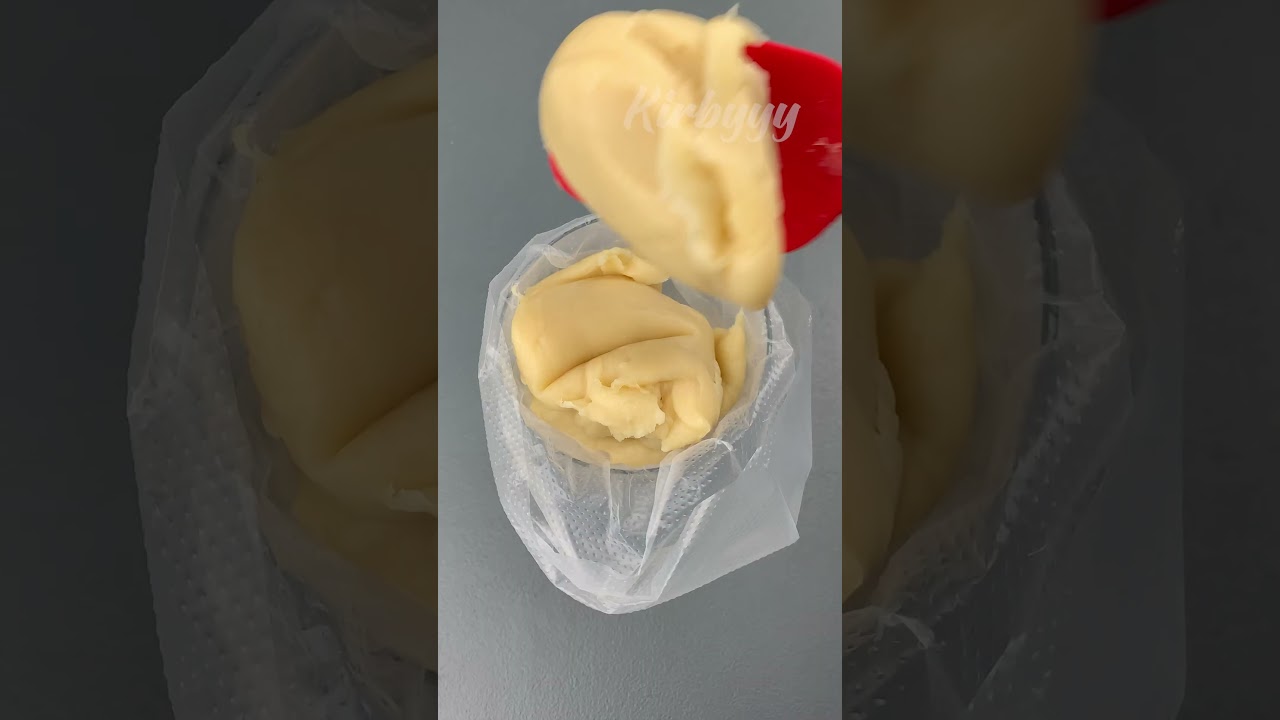
Pack the warm dough firmly into a pastry bag fitted with a large star tip, pressing out any air pockets as you load it.
05Step 5
Pour 2-3 quarts of vegetable oil into a deep heavy-bottomed pot. Heat to 375-400°F, confirmed with a thermometer.
06Step 6
Working in batches, pipe 4-6 inch lengths of dough directly into the hot oil. Use kitchen scissors to cut each churro cleanly from the tip.
07Step 7
Fry for 1-1.5 minutes until the bottom edges turn golden brown, then carefully flip each churro with tongs or a skewer.
08Step 8
Fry the second side for another 1-1.5 minutes until evenly golden brown all over and the surface looks crisp and set.
09Step 9
Remove churros with a slotted spoon and transfer to a paper towel-lined plate for 30 seconds to drain excess oil.
10Step 10
Mix the granulated sugar and cinnamon together in a shallow bowl. While churros are still hot, roll each one through the mixture, coating all sides generously.
11Step 11
Wait 2-3 minutes for the oil to return to 375-400°F before frying the next batch.
12Step 12
Serve immediately. If making chocolate sauce, whisk cocoa powder into warm water with honey and a pinch of cayenne until smooth.
Nutrition Per Serving
Estimates based on standard preparation. Adjustments alter macros.
🔄 Substitutions
Instead of Vegetable oil for frying...
Use Avocado oil or coconut oil
Avocado oil is neutral with a high smoke point — a direct swap. Coconut oil adds subtle tropical sweetness. Both fry at equivalent crispiness.
Instead of All-purpose flour...
Use Whole wheat or spelt flour
Slightly denser and nuttier. Add 1-2 tablespoons extra water to compensate for the higher fiber absorption. Noticeably different texture but still good.
Instead of Granulated sugar coating...
Use Coconut sugar or date sugar with cinnamon
Deeper, molasses-forward flavor. Slightly coarser texture on the coating. Lower glycemic index if that matters to you.
Instead of Butter...
Use Ghee or coconut oil
Ghee deepens the nuttiness of the dough. Coconut oil is dairy-free and creates a slightly lighter crumb. Either works at a 1:1 swap.
🧊 Storage & Reheating
In the Fridge
Technically up to 2 days in an airtight container, but the cinnamon-sugar coating turns sticky and the exterior loses all crunch. Not recommended.
In the Freezer
Freeze uncoated, unfried piped dough portions on a parchment-lined tray until solid, then transfer to a bag. Fry from frozen at 375°F — add 1-2 extra minutes.
Reheating Rules
If you must reheat fried churros, a 375°F oven for 5 minutes on a wire rack is your only real option. Microwaving turns them into soft sticks of sadness.
❓ Frequently Asked Questions
Why are my churros greasy instead of crispy?
The oil was below 375°F when you added them. Cool oil means the dough absorbs fat rather than crisping. Get a thermometer and confirm the temperature before every batch — including after the first batch drops the temp.
My dough is too stiff to pipe through the star tip. What happened?
Either the dough cooked too long in the pan and lost too much moisture, or the flour-to-water ratio is slightly off. Add water one teaspoon at a time and stir over low heat until it loosens. The dough should hold a soft peak when you pull a spoon through it.
Do I need a pastry bag, or can I use a zip-lock bag with a corner cut off?
A zip-lock will work in a pinch, but you lose the star tip — which means no ridges, which means less cinnamon-sugar surface area, which means less flavor per bite. The ridged shape is functional, not decorative. A proper [pastry bag](/kitchen-gear/review/pastry-bag) is worth the investment.
Can I make churros in an air fryer?
Yes, at 390°F for 10-12 minutes, flipping halfway. The interior texture is similar, but the exterior will never achieve the same shattering crispiness as deep-fried. Roughly 70% fewer calories, about 60% of the satisfaction.
Why do my churros split open or explode while frying?
Air pockets in the dough. When you pack the pastry bag, press the dough firmly to eliminate any trapped air before piping. Air pockets expand rapidly in hot oil and rupture the churro from inside.
What's the best dipping sauce?
Thick Spanish hot chocolate — almost pudding-like — is the traditional answer. The recipe's cocoa powder, warm water, and honey version is a reasonable approximation. Dulce de leche is a close second. Anything too thin will just drip off.

The Science of
Crispy Homemade Churros (No More Greasy, Doughy Disasters)
We turned everything on this page into a beautiful, flour-proof PDF cheat sheet. Print it out, stick it to your fridge, and never mess up your crispy homemade churros (no more greasy, doughy disasters) again.
*We'll email you the high-res PDF instantly. No spam, just perfectly cooked meals.
AlmostChefs Editorial Team
We translate the internet's most popular cooking videos into foolproof, beginner-friendly written recipes. We analyze multiple methods, test them in our kitchen, and engineer a single "Master Recipe" that gives you the best possible result with the least possible stress.