Better-Than-Takeout Chow Mein (Done in 35 Minutes)
A crispy-noodle Chinese-American stir-fry with tender chicken, fresh vegetables, and a savory soy-ginger sauce built for a weeknight. We broke down the wok technique, sauce timing, and vegetable sequencing so your noodles stay glossy and separated — never gummy, never dry.
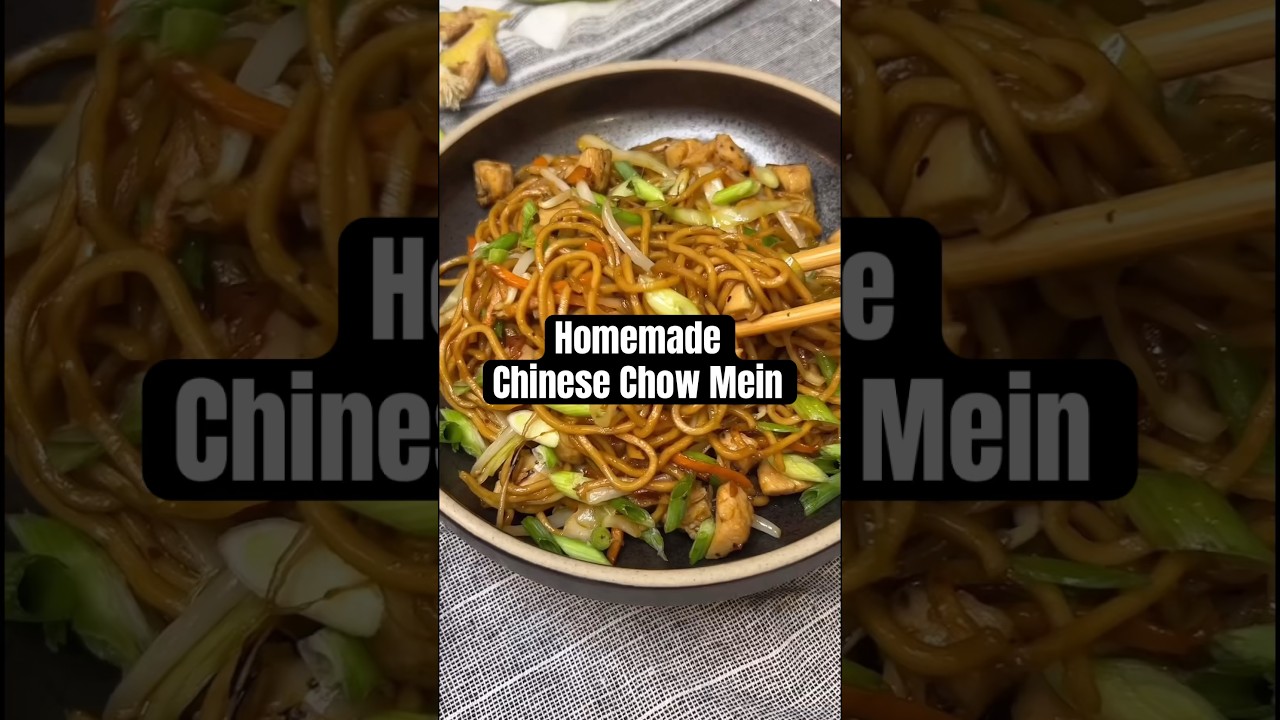
“Takeout chow mein has one advantage over your home version: a 100,000 BTU commercial wok burner. Everything else — the sauce, the vegetables, the noodles — you can do better at home. The failures people blame on the recipe are almost always failures of sequencing: wet noodles hitting a cold pan, sauce added too early, vegetables releasing water into what should be a dry, caramelized stir-fry. Fix the sequence, and you'll never order the takeout version again.”
Why This Recipe Works
Chow mein looks simple because the ingredient list is short and the cook time is under 25 minutes. That simplicity is a trap. It creates the false impression that technique doesn't matter — that you can just throw noodles, protein, and vegetables into a pan with soy sauce and arrive at something worth eating. You can't. The reason takeout chow mein tastes better than most home versions has nothing to do with secret ingredients and everything to do with sequencing, heat management, and moisture control.
The Noodle Problem
Stir-fry is a dry-heat cooking method. Its entire value proposition is the Maillard reaction — sugars and proteins browning at high temperature to create flavor compounds that don't exist in steamed or boiled food. Introduce moisture to that environment and you immediately cancel the chemistry. You get steaming instead of searing, soft instead of crisp, gray instead of golden.
Freshly boiled noodles are saturated with surface moisture. Drop them into a wok without drying them first and the pan temperature drops 40-50 degrees in seconds. The whole system collapses. Rinse with cold water to arrest the cooking, then shake the colander until almost no steam rises from the noodles. They should feel tacky, not wet. This step takes 90 extra seconds and determines whether the final dish has texture or not.
The Sequencing Logic
Every ingredient in a stir-fry has a different cook time and a different moisture content. The job of the cook is to introduce each one at the moment that maximizes its contribution without compromising the others.
Chicken goes first, alone, in a hot oiled pan. This isn't arbitrary — protein cooked in isolation can develop a sear. Protein added to a pan already crowded with vegetables releases its liquid into the vegetable water and nothing gets any color. Cook it in a single layer, pull it slightly underdone, and keep it on a plate nearby. It finishes in the sauce.
Aromatics go next, in the oil alone. Sixty seconds of garlic and ginger in hot fat builds the flavor base that every subsequent ingredient inherits. Skip this or rush it and the dish tastes flat regardless of how much soy sauce you add.
Vegetables go in order of density. Carrots and cabbage need three minutes. Mushrooms — which have high water content — go in after, on top of an already-hot vegetable bed, so their moisture evaporates quickly rather than pooling at the bottom of the pan. If you add them all at once, the pan floods and you're braising.
The Sauce Architecture
The cornstarch-based sauce is not an afterthought. It's the technical element that transforms a pile of cooked ingredients into a cohesive dish. Cornstarch activates at high heat in the presence of liquid, almost instantly forming the glossy, clingy coating that makes restaurant stir-fry look and taste the way it does.
Two things kill this: undissolved cornstarch and low pan temperature. The sauce must be whisked until completely smooth before it ever comes near the stove — any visible white clumps will cook into paste instead of gloss. And the pan must still be ripping hot when the sauce hits it. A lukewarm pan produces a thin, pale liquid that soaks into the noodles instead of coating them.
Pre-mix the sauce in a bowl with everything measured before you heat the pan. Stir-fry happens in 30-second windows. There is no time to measure while you cook.
The Equipment Reality
A large wok or wide skillet is not about authenticity — it's about surface area. You need enough room to spread 12 ounces of chicken in a single layer without pieces touching. You need sloped sides to push cooked ingredients up while new ones hit the center. A 10-inch pan forces you to batch everything, and if you're inexperienced with batch cooking, you'll either crowd the pan or lose track of timing. Go bigger than you think you need.
The fine-mesh sieve exists for the noodle-drying step. A colander with large holes lets noodles fall through when you shake it. Fine mesh holds them while still allowing aggressive shaking to shed surface water. It's a small thing that makes a real difference.
Everything else in this recipe is forgiving. The aromatics, the vegetables, the protein — all of it has reasonable margin for error. The noodle drying and the sauce mixing do not. Get those two right and the rest follows naturally.
Where Beginners Mess This Up
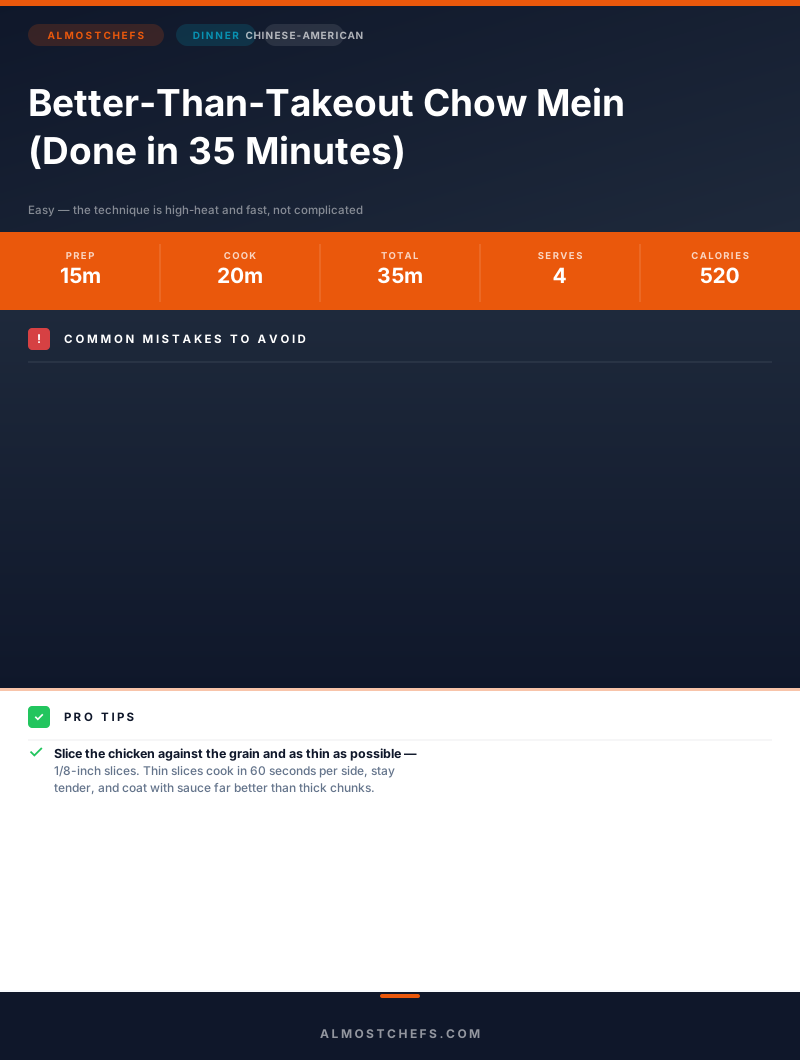
Before we start, read this. These are the 4 reasons your better-than-takeout chow mein (done in 35 minutes) will fail:
- 1
Not drying the noodles before adding them to the wok: Freshly boiled noodles are loaded with surface moisture. Drop wet noodles into a stir-fry and you immediately drop the pan temperature by 40 degrees, steam everything instead of searing it, and end up with a gummy clump. Drain, rinse briefly with cold water to stop cooking, then shake the strainer hard. The drier the noodle, the better the final texture.
- 2
Crowding the protein: Chicken needs space to sear, not steam. If you pile 12 ounces of sliced chicken into a hot wok at once, the pieces cool the pan immediately and begin releasing liquid. Cook in a single layer, let the first side set for 60-90 seconds before stirring, and transfer it out while still slightly underdone. It finishes when you return it to the sauce.
- 3
Adding the sauce too early: Sauce hit a pan that still has raw vegetables produces boiled vegetables and a thin, pale sauce. The cornstarch in the sauce needs high heat and a hot surface to activate and create that glossy, clingy coating. Let the vegetables get color first. Only then does the sauce behave the way it should.
- 4
Skipping the aromatics bloom: Garlic and ginger added to a cold pan or tossed in with the vegetables are an afterthought. Added to hot oil for 60 seconds before anything else, they bloom — their volatile compounds open up and infuse the oil itself. Everything that hits that oil afterward picks up that base flavor. That's the difference between chow mein that tastes like the restaurant and chow mein that tastes like soy sauce on noodles.
The Video Reference Library
Want to see it in action? Here are the exact videos we analyzed and combined to build this foolproof recipe translation:
The source video for this recipe. Clear demonstration of the noodle texture you're aiming for and the sequencing that keeps vegetables crisp while the sauce coats evenly.
🛠️ Core Equipment
- Large wok or wide skilletThe sloped sides of a wok let you push cooked ingredients up the sides while new ones hit the hot center. A flat skillet works but requires more batching. Either way, it must be large — at least 12 inches — or you're steaming, not stir-frying.
- Fine-mesh sieve or colanderFor draining and aggressively shaking the noodles dry. Surface moisture is the enemy of stir-fry texture. Rinse with cold water to halt cooking, then shake until almost no steam rises.
- Small bowl and whiskThe cornstarch must be fully dissolved in the liquid before it hits the hot pan. Any undissolved clumps turn into white paste. Mix the sauce in advance and keep it within reach — stir-fry moves too fast to measure on the fly.
Better-Than-Takeout Chow Mein (Done in 35 Minutes)
🛒 Ingredients
- ✦8 ounces whole wheat chow mein noodles or egg noodles
- ✦2 tablespoons sesame oil
- ✦3 cloves garlic, minced
- ✦1 tablespoon fresh ginger, grated
- ✦12 ounces boneless, skinless chicken breast, sliced thin
- ✦2 medium carrots, julienned
- ✦1 medium red bell pepper, thinly sliced
- ✦2 cups shredded green cabbage
- ✦1 cup mushrooms, thinly sliced
- ✦4 scallions, cut into 2-inch pieces
- ✦1/4 cup low-sodium soy sauce
- ✦2 tablespoons rice vinegar
- ✦1 tablespoon cornstarch
- ✦1/2 teaspoon white pepper
- ✦1/4 cup chicken broth
- ✦2 teaspoons honey
- ✦1 teaspoon sriracha or chili paste, optional
- ✦2 tablespoons vegetable oil
👨🍳 Instructions
01Step 1
Cook the noodles according to package directions, drain, rinse with cold water, and shake the colander aggressively until the noodles are as dry as possible. Set aside.
02Step 2
Whisk together the soy sauce, rice vinegar, cornstarch, white pepper, chicken broth, honey, and sriracha in a small bowl until no cornstarch lumps remain. Set next to the stove.
03Step 3
Heat 1 tablespoon of vegetable oil in a large wok or skillet over medium-high heat until shimmering and just beginning to smoke.
04Step 4
Add the chicken in a single layer. Let it sit undisturbed for 60-90 seconds to develop color, then stir and cook until cooked through and lightly golden, about 5-7 minutes total. Transfer to a plate.
05Step 5
Add the remaining tablespoon of vegetable oil and heat for 30 seconds. Add the minced garlic and grated ginger and cook, stirring constantly, for about 1 minute until fragrant and lightly golden.
06Step 6
Add the carrots, red bell pepper, and shredded cabbage. Cook, stirring constantly, for 3 minutes until the vegetables begin to soften and develop a little color at the edges.
07Step 7
Add the mushrooms and cook for another 2 minutes, stirring frequently. The mushrooms will release moisture — keep the heat high to evaporate it quickly.
08Step 8
Return the cooked chicken to the wok. Pour in the prepared sauce and stir everything together for 30-45 seconds until the sauce thickens and turns glossy.
09Step 9
Add the dried noodles and sesame oil. Toss continuously for 2-3 minutes until every strand is coated with sauce and the noodles have picked up some color.
10Step 10
Fold in the scallions and cook for just 30 seconds. You want them wilted slightly but still green.
11Step 11
Taste and adjust with additional soy sauce or white pepper as needed. Serve immediately.
Nutrition Per Serving
Estimates based on standard preparation. Adjustments alter macros.
🔄 Substitutions
Instead of Regular egg noodles...
Use Whole wheat or brown rice noodles
Slightly nuttier flavor and heartier texture. Brown rice noodles make this gluten-free. Cook 1-2 minutes longer than the package says and test early.
Instead of Regular soy sauce...
Use Low-sodium tamari or coconut aminos
Coconut aminos taste slightly sweeter and less salty. Tamari is nearly identical in depth to soy sauce with less sodium. Either reduces the salt load by roughly 40%.
Instead of Chicken breast...
Use Firm tofu or large shrimp
Shrimp cooks in 2-3 minutes instead of 7 — add it after the vegetables to avoid overcooking. Tofu should be pressed dry and pan-fried separately until golden before entering the wok.
Instead of Vegetable oil...
Use Avocado oil or ghee
Avocado oil is neutral and handles high heat well. Ghee adds a subtle buttery richness that plays surprisingly well against the soy-ginger base. Both have higher smoke points than vegetable oil.
🧊 Storage & Reheating
In the Fridge
Store in an airtight container for up to 3 days. The noodles will absorb sauce and soften — this is normal.
In the Freezer
Not recommended. Noodles become mushy and watery after freezing and thawing.
Reheating Rules
Reheat in a dry skillet over medium-high heat for 3-4 minutes, tossing frequently. Add a splash of chicken broth or water if the noodles seem dry. Avoid the microwave.
❓ Frequently Asked Questions
Why are my chow mein noodles gummy?
Surface moisture. The noodles weren't dried adequately after boiling. Rinse with cold water, then shake the colander hard for 30-60 seconds before they go into the wok. The drier the noodle, the more cleanly it crisps and coats with sauce.
Can I use spaghetti instead of chow mein noodles?
Yes, and it works better than most people expect. Cook al dente, rinse cold, dry thoroughly. The flavor is neutral enough to absorb the sauce well. The texture is slightly firmer than egg noodles, which some people actually prefer.
What is wok hei and can I get it at home?
Wok hei is the slightly smoky, charred flavor you get from extremely high heat caramelizing the food in a carbon steel wok. Most home burners can't replicate it fully. The closest approximation: use a carbon steel pan, preheat until smoking, cook in smaller batches, and don't stir constantly — let things sit and build color.
My sauce went into the pan and immediately seized into a paste. What happened?
The cornstarch hit a dry, too-hot surface without enough liquid to activate properly. This usually means the sauce wasn't whisked long enough (lumps of raw cornstarch) or the pan was too dry when the sauce hit. Add a splash of broth and stir fast — it usually recovers.
Is chow mein the same as lo mein?
No. Chow mein means 'fried noodles' — the noodles get tossed directly in the hot wok and develop some crispness. Lo mein means 'tossed noodles' — the noodles are cooked separately and combined with the sauce off-heat. Chow mein has texture contrast; lo mein is softer and saucier.
Can I make this vegetarian?
Yes. Swap the chicken for firm tofu or additional mushrooms (shiitake and oyster work especially well), use vegetable broth instead of chicken broth, and ensure your soy sauce or tamari is certified vegan. The technique is identical.
The Science of
Better-Than-Takeout Chow Mein (Done in 35 Minutes)
We turned everything on this page into a beautiful, flour-proof PDF cheat sheet. Print it out, stick it to your fridge, and never mess up your better-than-takeout chow mein (done in 35 minutes) again.
*We'll email you the high-res PDF instantly. No spam, just perfectly cooked meals.
AlmostChefs Editorial Team
We translate the internet's most popular cooking videos into foolproof, beginner-friendly written recipes. We analyze multiple methods, test them in our kitchen, and engineer a single "Master Recipe" that gives you the best possible result with the least possible stress.