Silky Chocolate Milk Dessert (The Foolproof Stovetop Method)
A rich, velvety chocolate pudding made entirely on the stovetop from whole milk, real chocolate, and a few pantry staples. We broke down the most-watched chocolate pudding videos to find the technique that delivers a silky, glossy set every single time — no oven, no water bath, no stress.
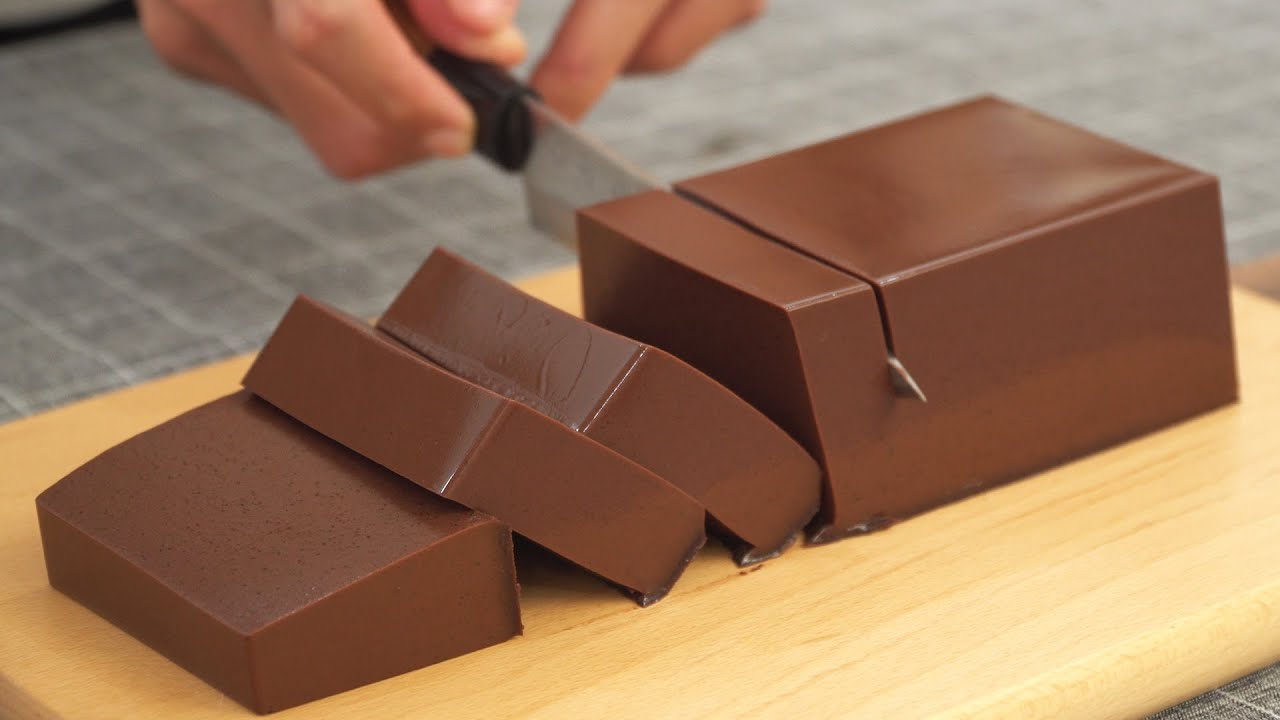
“Most homemade chocolate pudding tastes like the box mix it's trying to replace. Grainy texture, waxy finish, that faint chemical aftertaste that lingers. The difference between forgettable pudding and the kind of silky, deeply chocolatey dessert that makes people scrape the ramekin comes down to three things: the quality of your chocolate, the temperature discipline on the stove, and whether you temper the eggs properly before they hit the hot milk. We studied the most-watched methods to build one technique that eliminates every common failure.”
Why This Recipe Works
Chocolate pudding is one of those desserts that everyone has eaten and almost no one has made properly. The box mix has won so completely that most people under forty have never tasted what chocolate pudding actually is — which is a genuine shame, because a properly made stovetop chocolate pudding is one of the most satisfying things you can produce in a home kitchen with less than thirty minutes of active work.
The Chocolate Decision
This is not a recipe where the chocolate is interchangeable. The cocoa butter content in high-quality dark chocolate is the primary structural fat in this pudding, and it is also the compound responsible for that clean, melt-on-contact sensation that makes good chocolate desserts feel luxurious and cheap ones feel waxy. A 65% single-origin bar from Valrhona or Callebaut costs more per ounce than a bag of chips from the baking aisle, but it is doing fundamentally more work. The difference is not subtle — it's immediately apparent in both flavor and texture from the first spoonful.
The cocoa powder serves a supporting role here, not a lead one. It deepens the color and adds a faint bitterness that rounds out the sweetness of the sugar, but it cannot substitute for the chocolate — it has no fat, which means it contributes flavor but not body. The architecture of this pudding requires both: dark chocolate for richness and cocoa powder for depth.
Temperature Is Everything
The entire recipe is an exercise in temperature management. Milk proteins begin to coagulate at 150°F. Egg proteins scramble at 160°F. Cornstarch gelatinizes fully between 165°F and 175°F. The target window — 170°F to 175°F — is where all three processes complete simultaneously without any of them going wrong. Below that range, the starch doesn't fully cook and the pudding won't set. Above it, the eggs begin to curdle and you get lumps regardless of how much you strain.
A heavy-bottomed saucepan matters here for the same reason it matters in caramel and béchamel: thin pans concentrate heat at the bottom, creating zones where the temperature spikes well above what the rest of the mixture experiences. Hot spots mean some of the custard overcooks while the bulk of it is still coming up to temperature. An even pan means every molecule of pudding reaches the target temperature at roughly the same moment, producing a uniform texture throughout.
An instant-read thermometer is the honest tool here. "Coats the back of a spoon" is a useful visual cue, but it's imprecise and subject to interpretation. The thermometer removes all ambiguity. If you're at 168°F and something feels off, you keep cooking. If you're at 174°F and the texture looks perfect, you pull it. Numbers don't lie.
The Tempering Principle
Tempering eggs is one of those culinary techniques that sounds intimidating and is actually just physics. You can't add cold eggs to hot liquid because the sudden temperature differential causes the proteins to seize immediately into small, irreversible cooked curds. Tempering solves this by raising the egg temperature gradually, allowing the proteins to adjust without shocking them into coagulation.
The mechanics are simple: ladle hot milk into the egg bowl slowly while whisking. The eggs absorb heat from the milk, their temperature rises by 20-30 degrees, and when you pour them back into the main pot they can tolerate the remaining heat without scrambling. This takes ninety seconds. It is the difference between silk and scrambled eggs.
Why the Butter Goes In Last
Adding cold butter off the heat — a technique borrowed directly from French sauce-making — does two things simultaneously. First, it stops the cooking: the cold butter immediately drops the temperature of the pudding, preventing further starch gelatinization and egg coagulation. Second, it emulsifies into the pudding as it melts, adding a final layer of richness and creating a glossy sheen on the surface. This is the same principle behind monter au beurre in classical French cooking, and it works exactly as well in dessert as it does in a pan sauce.
The vanilla goes in at the same moment for a different reason: high heat volatilizes vanilla's aromatic compounds. Added to a boiling mixture, most of the flavor evaporates before it can bind to the fat. Added off the heat, those compounds dissolve directly into the warm cocoa butter and remain intact through chilling. The difference in aroma between pudding made with early vanilla and late vanilla is immediately noticeable.
The Set
Patience is not optional. A pudding pulled from the refrigerator after forty-five minutes is cold on the outside and still liquid in the center — and serving it then, hoping it holds its shape in a bowl, is how you end up with a puddle of chocolate soup. Two hours is the minimum for a reliable set all the way through a standard ramekin. Four hours produces a firm, clean-edged dessert that holds its shape when scooped. The next day produces something better than either.
Where Beginners Mess This Up
Before we start, read this. These are the 4 reasons your silky chocolate milk dessert (the foolproof stovetop method) will fail:
- 1
Using cocoa powder instead of real chocolate: Cocoa powder gives you chocolate flavor without chocolate fat. The fat from real chocolate — primarily cocoa butter — is what creates that glossy, melt-on-contact texture. Pudding made from cocoa powder alone is dull, matte, and noticeably less rich. Use high-quality dark chocolate with at least 60% cacao and add cocoa powder only to deepen the color, never as a substitute.
- 2
Skipping the egg tempering step: Pouring hot milk directly onto cold egg yolks scrambles them instantly. You get chocolate pudding with tiny cooked egg flecks suspended in it — technically edible, completely unacceptable. Tempering means slowly adding a ladle of hot milk to the eggs while whisking, raising their temperature gradually before combining with the full pot. This one step is the difference between velvet and scrambled eggs.
- 3
Cooking at too high a heat: Custard-based desserts set through the slow coagulation of egg proteins and the gelatinization of cornstarch. Too much heat causes both to happen simultaneously and unevenly, producing a lumpy, curdled texture. Medium-low heat is non-negotiable. The mixture should steam gently, never bubble aggressively.
- 4
Not straining before pouring into molds: Even with perfect technique, small lumps can form. Passing the hot pudding through a fine-mesh sieve takes thirty seconds and guarantees absolute smoothness. Skipping this step is the difference between a dessert that looks professional and one that looks homemade in the wrong way.
The Video Reference Library
Want to see it in action? Here are the exact videos we analyzed and combined to build this foolproof recipe translation:
The primary reference video that demonstrates the tempering technique and proper heat management from start to finish. Pay close attention to the consistency at the 12-minute mark — that's exactly what you're aiming for before removing from heat.
A detailed walkthrough of the French pots de crème approach, which uses more egg yolks and less starch for an even richer, denser set. Great for understanding how changing the egg-to-starch ratio affects final texture.
Focused on the straining and setting steps — covers why chilling time matters and how to prevent the skin from forming on top. Useful visual reference for knowing when the pudding has properly set versus when it needs more time.
🛠️ Core Equipment
- Heavy-bottomed saucepanThin pans create hot spots that cook the edges faster than the center. A [heavy-bottomed saucepan](/kitchen-gear/review/saucepan) distributes heat evenly, giving you consistent temperature control — the entire basis of this recipe.
- Fine-mesh sieveStraining the finished pudding removes any cooked egg bits, undissolved starch, or chocolate lumps. This is the final insurance policy against a grainy texture. Non-negotiable.
- Heatproof ramekins or serving glassesRamekins set the pudding in individual portions and chill faster than a large dish. Glass lets you see the texture from the side, which is visually impressive and also a great way to check the set before serving.
- Instant-read thermometerThe pudding is done when it reaches 170°F–175°F. A [thermometer](/kitchen-gear/review/instant-read-thermometer) removes all guesswork. Undercooked pudding won't set. Overcooked pudding curdles. The target window is narrow.
Silky Chocolate Milk Dessert (The Foolproof Stovetop Method)
🛒 Ingredients
- ✦2 cups whole milk
- ✦1/2 cup heavy cream
- ✦4 oz dark chocolate (60-70% cacao), finely chopped
- ✦3 large egg yolks
- ✦1/3 cup granulated sugar
- ✦3 tablespoons cornstarch
- ✦2 tablespoons unsweetened cocoa powder
- ✦1/4 teaspoon fine sea salt
- ✦2 tablespoons unsalted butter, cut into small pieces
- ✦1 teaspoon pure vanilla extract
- ✦Whipped cream or flaky sea salt for serving (optional)
👨🍳 Instructions
01Step 1
Finely chop the dark chocolate and set aside. Whisk together the egg yolks, sugar, cornstarch, cocoa powder, and salt in a medium heatproof bowl until completely smooth and pale yellow.
02Step 2
Combine the whole milk and heavy cream in a heavy-bottomed saucepan over medium heat. Heat, stirring occasionally, until the mixture just begins to steam and small bubbles form at the edges — about 4-5 minutes. Do not boil.
03Step 3
Temper the eggs: slowly pour about 1/3 cup of the hot milk mixture into the egg-sugar bowl in a thin, steady stream while whisking constantly. Add another 1/3 cup and whisk again. This gradually raises the egg temperature without scrambling them.
04Step 4
Pour the tempered egg mixture back into the saucepan with the remaining hot milk. Reduce heat to medium-low and cook, whisking continuously, until the mixture thickens noticeably and reaches 170°F–175°F on an instant-read thermometer — about 8-10 minutes.
05Step 5
Remove the saucepan from heat immediately. Add the chopped dark chocolate, butter, and vanilla extract. Stir gently until everything is fully melted and the pudding is glossy and uniform.
06Step 6
Pass the hot pudding through a fine-mesh sieve into a large measuring cup or pitcher. Press gently with a spatula to push it through. Discard any solids left in the sieve.
07Step 7
Pour the strained pudding evenly into four ramekins or serving glasses. Press a piece of plastic wrap directly onto the surface of each pudding to prevent a skin from forming.
08Step 8
Refrigerate for at least 2 hours, or until fully set and cold throughout. The pudding will continue to firm as it chills.
09Step 9
Serve directly from the ramekin. Top with a small amount of lightly whipped cream and a pinch of flaky sea salt if desired.
Nutrition Per Serving
Estimates based on standard preparation. Adjustments alter macros.
🔄 Substitutions
Instead of Heavy cream...
Use Full-fat coconut cream
Creates a dairy-free version with subtle coconut undertones that actually pair well with dark chocolate. Use the same quantity. Avoid light coconut milk — it lacks the fat content needed for proper texture.
Instead of Egg yolks...
Use 2 tablespoons additional cornstarch
Produces a vegan-friendly pudding with a slightly different mouthfeel — more gel-like, less custard-like. Works well but lacks the richness that egg fat provides. Increase vanilla to compensate.
Instead of Dark chocolate...
Use Semi-sweet chocolate chips
More accessible and slightly sweeter. Reduce added sugar by 1 tablespoon to compensate. The pudding will be less intensely flavored but still excellent. Avoid milk chocolate — it makes the pudding cloying.
Instead of Granulated sugar...
Use Coconut sugar
Adds a subtle caramel undertone that complements chocolate well. The pudding will be slightly darker in color. Use the same quantity.
🧊 Storage & Reheating
In the Fridge
Store covered in the ramekins or in an airtight container for up to 4 days. The flavor actually deepens by day two — make it ahead when possible.
In the Freezer
Freeze individual portions for up to 1 month. Thaw overnight in the refrigerator. Texture softens slightly upon thawing but remains acceptable.
Reheating Rules
Chocolate pudding is meant to be served cold. If you prefer it warm, place the ramekin in a bowl of hot water for 5 minutes — gentle indirect heat preserves the texture better than any other method.
❓ Frequently Asked Questions
Why is my pudding grainy?
Grainy texture comes from one of three sources: eggs that were not properly tempered and partially scrambled, cornstarch that was not fully dissolved before adding to the hot milk, or chocolate that was added when the mixture was too hot and seized. Strain the finished pudding through a fine-mesh sieve — it will catch most lumps. For future batches, sift the cornstarch, temper slowly, and add chocolate off the heat.
Can I make this without cornstarch?
Yes, but the result is a different dessert — closer to a French pot de crème or chocolate custard. Replace the cornstarch with two additional egg yolks and bake in a water bath at 325°F for 30-35 minutes. The texture will be denser, silkier, and more intensely eggy. Both versions are excellent; they're just different things.
Why did my pudding not set?
Either the mixture didn't reach the correct temperature during cooking (it needs to hit 170°F–175°F for the starch to fully gelatinize), or it didn't chill long enough. Two hours is the minimum — four is better. If the pudding is still liquid after four hours in the refrigerator, the starch likely didn't cook long enough. There is no fix at that point except reheating gently, whisking in 1 teaspoon additional cornstarch dissolved in cold milk, and cooking again.
How do I prevent a skin from forming on top?
Press a sheet of plastic wrap directly onto the surface of the pudding before refrigerating, ensuring no air gaps between the wrap and the pudding. The skin forms through surface evaporation and protein oxidation — direct contact with plastic wrap eliminates both.
Can I use milk chocolate instead of dark?
Technically yes, but the result will be significantly sweeter and less complex. Reduce the sugar to 2 tablespoons to avoid a cloying result. Milk chocolate also contains less cocoa butter, so the final texture may be slightly softer. Dark chocolate at 60-70% cacao is the specification this recipe was built around.
What is the best chocolate to use?
Couverture-grade chocolate — the kind sold in blocks or pistoles, not chips — gives the best results because it contains a higher percentage of cocoa butter. Brands like Valrhona, Callebaut, or Guittard are reliable. Chocolate chips often contain stabilizers that interfere with the smooth melt you need here. If chips are all you have, they work — but the pudding will be noticeably less glossy.

The Science of
Silky Chocolate Milk Dessert (The Foolproof Stovetop Method)
We turned everything on this page into a beautiful, flour-proof PDF cheat sheet. Print it out, stick it to your fridge, and never mess up your silky chocolate milk dessert (the foolproof stovetop method) again.
*We'll email you the high-res PDF instantly. No spam, just perfectly cooked meals.
AlmostChefs Editorial Team
We translate the internet's most popular cooking videos into foolproof, beginner-friendly written recipes. We analyze multiple methods, test them in our kitchen, and engineer a single "Master Recipe" that gives you the best possible result with the least possible stress.