Perfect Easy Chocolate Lava Cake (Stop Doing It Wrong)
A warm, gooey molten chocolate cake with a set exterior and flowing center — restaurant-quality drama from a 30-minute recipe. We broke down the technique so the molten center is a guarantee, not a gamble.
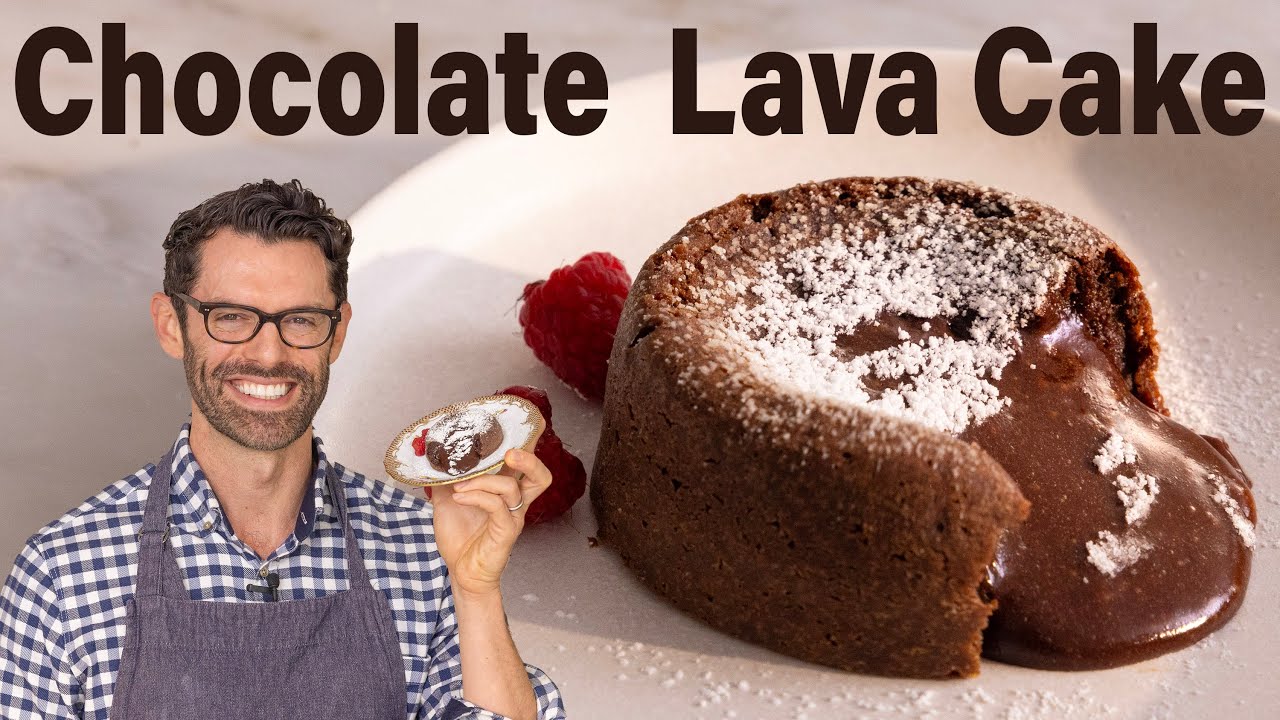
“Chocolate lava cake has a reputation for being finicky. That reputation is earned — but only because people overbake it. The entire recipe is a matter of 90 seconds. Underbake by 90 seconds and you get pudding. Overbake by 90 seconds and you get a very expensive brownie. Nail that window and you get a cake that cuts open and pours. We built this recipe around that single variable so you never miss it.”
Why This Recipe Works
Chocolate lava cake was invented by accident. The standard origin story credits Jean-Georges Vongerichten with underbaking a chocolate sponge in 1987 and serving it anyway. The accident became a dish. The dish became a global phenomenon. And somewhere along the way, a dessert that is fundamentally about a single controlled mistake became surrounded by mystique it doesn't deserve.
This is a four-ingredient cake (five if you count flour, which barely shows up). The technique is not complex. What it requires is precision — specifically, about 90 seconds of it.
The Only Variable That Matters
Every element of this recipe exists to set up one moment: the 12-14 minute window when the exterior sets and the interior does not. Everything else is prep work.
The exterior bakes via radiant heat from the oven walls and the hot ramekin. The interior heats from the outside in, conducted slowly through the batter. At 425°F, the exterior reaches doneness at around 12 minutes. The center, insulated by the surrounding batter, lags behind by exactly the right margin — still liquid at 12-14 minutes, set by 16. Your job is to pull the cakes from the oven in that four-minute window.
The jiggle test is your instrument. Shake the ramekin gently. The edges should be set and firm. The center should move as a unified mass — a slow, thick wobble, like chilled Jell-O, not a liquid ripple. If you see the whole surface ripple in a wave, it needs more time. If the center doesn't move at all, you've gone past it.
Why the Chill Matters
The refrigerator rest is the step most recipes mention but don't explain. Cold batter creates a thermal gradient inside the ramekin: the exterior, pressed against the hot ceramic and oven air, heats faster than the cold center. This amplifies the gap between interior and exterior doneness — which is exactly the gap that produces the molten center.
Room-temperature batter starts cooking more uniformly. The gradient is smaller. The window between molten and set narrows. Chilling the ramekins doesn't just develop flavor — it's structural engineering.
The Egg Stage
Three to four minutes of beating eggs and sugar to ribbon stage is non-negotiable. The air incorporated during this stage creates the lift that forms the delicate outer crumb of the cake. Without proper aeration, the exterior comes out dense rather than tender — and the contrast between the firm exterior and liquid interior is the entire point of the dish.
Fold — do not stir — when adding the chocolate and flour. Stirring collapses the air structure. Four or five deliberate folds are all that's needed. When the flour disappears, stop. Overdeveloped gluten in a cake this small makes the exterior rubbery.
The Inversion
The final step is where most home cooks lose confidence. Running the knife around the edge is essential — any spot of adhesion and the cake tears. Then invert in a single committed motion. A fine-mesh sieve for the cocoa dusting and the ramekin properly buttered before filling are the only things standing between you and a clean unmold.
Use a quality baking sheet under the ramekins — it makes transport in and out of the oven stable and prevents the individual ramekins from tipping. These are small cakes with a liquid interior. Stability matters.
The dessert takes 29 minutes start to finish. The dramatic presentation suggests hours of work. That gap between effort and result is the entire appeal of the dish — and it belongs to anyone willing to watch the jiggle test and pull the cakes at the right moment.
Where Beginners Mess This Up
Before we start, read this. These are the 4 reasons your perfect easy chocolate lava cake (stop doing it wrong) will fail:
- 1
Overbaking the center: This is the only failure mode that matters. At 425°F, the difference between molten and set is 90 seconds. The cakes are done when the edges are firm and slightly risen but the center still jiggles like Jell-O when you shake the ramekin. If the center looks set, it's already too late.
- 2
Skipping the chill: The 15-minute refrigerator rest after filling the ramekins is structural, not optional. Cold batter creates a thermal gradient in the oven — the exterior cooks faster than the center, which is exactly what you want. Room-temperature batter bakes more evenly, which means a fully set center.
- 3
Under-beating the eggs: The egg and sugar mixture needs to be pale, thick, and ribbon-like before you add anything else. This takes 3-4 minutes with an electric mixer. Under-beaten eggs produce a dense, flat cake instead of one with lift and a delicate crumb around the molten core.
- 4
Hesitating on the inversion: When you flip the ramekin onto the plate, it needs to be a single confident motion. Hovering and slowly tipping produces cakes that stick or collapse. Run the knife around the edge, place the plate face-down on the ramekin, and invert in one clean movement.
The Video Reference Library
Want to see it in action? Here are the exact videos we analyzed and combined to build this foolproof recipe translation:
Step-by-step walkthrough of the full method including the egg beating stage, chocolate folding technique, and the jiggle test for knowing exactly when to pull the cakes from the oven.
🛠️ Core Equipment
- 6-ounce ramekinsThe size dictates the bake time. Larger ramekins require longer baking, which risks setting the center. Standard 6-ounce ramekins are calibrated for 12-14 minutes at 425°F. Substituting larger vessels changes everything.
- Double boiler or heat-safe bowlDirect heat scorches chocolate. A bowl set over simmering water melts chocolate gently and evenly. The water should simmer, not boil — steam alone provides enough heat.
- Electric hand mixerBeating eggs and sugar to ribbon stage by hand is possible but takes significantly longer. A hand mixer gets there in 3-4 minutes and produces a more consistent result.
- Fine-mesh sieveFor sifting the flour into the batter and dusting cocoa powder on the finished cakes. Lumpy flour folded into the batter creates dense pockets. The sieve keeps both operations clean.
Perfect Easy Chocolate Lava Cake (Stop Doing It Wrong)
🛒 Ingredients
- ✦5 ounces unsalted butter, plus 1 tablespoon for ramekins
- ✦5 ounces dark chocolate (60-70% cocoa), chopped
- ✦2 large whole eggs, room temperature
- ✦2 large egg yolks, room temperature
- ✦1/4 cup granulated sugar
- ✦1/2 teaspoon vanilla extract
- ✦2.5 tablespoons all-purpose flour
- ✦1 pinch fine sea salt
- ✦2 tablespoons unsweetened cocoa powder, for dusting
- ✦1 tablespoon powdered sugar, for dusting
- ✦Whipped cream or vanilla ice cream for serving (optional)
👨🍳 Instructions
01Step 1
Preheat your oven to 425°F and position the rack in the center of the oven.
02Step 2
Butter four 6-ounce ramekins generously with the tablespoon of butter, then place them on a baking sheet for easy handling.
03Step 3
Combine the chopped dark chocolate and 5 ounces butter in a heat-safe bowl set over simmering water, stirring occasionally until completely melted and smooth, about 3-4 minutes.
04Step 4
Whisk together the whole eggs, egg yolks, and granulated sugar in a separate bowl using an electric mixer on medium speed until the mixture becomes pale, thick, and ribbon-like, about 3-4 minutes.
05Step 5
Fold the vanilla extract into the egg mixture using a rubber spatula with just 2-3 gentle strokes to distribute.
06Step 6
Gently pour the melted chocolate mixture into the egg mixture and fold together using slow, careful movements until just barely combined, about 4-5 folds.
07Step 7
Sift the flour and salt together over the batter and fold in with just 2-3 more gentle strokes until no visible flour streaks remain.
08Step 8
Divide the batter evenly among the four prepared ramekins, filling each about three-quarters full.
09Step 9
Chill the filled ramekins in the refrigerator for at least 15 minutes, or up to 4 hours for deeper chocolate flavor development.
10Step 10
Bake the cakes for 12-14 minutes, until the edges appear set and slightly risen but the center still jiggles slightly when the ramekin is gently shaken.
11Step 11
Remove the baking sheet from the oven and let the cakes rest for 1 minute to set the edges slightly.
12Step 12
Run a thin knife around the inside edge of each ramekin to loosen the cake, then carefully invert each ramekin onto a serving plate with a quick, confident motion.
13Step 13
Gently lift away the ramekin to reveal the cake, allowing the warm molten chocolate center to ooze onto the plate.
14Step 14
Dust each cake lightly with cocoa powder and powdered sugar using a fine-mesh sieve, then serve immediately while still warm.
15Step 15
Top with a dollop of whipped cream or a scoop of vanilla ice cream if desired, allowing the cold topping to mingle with the warm lava center.
Nutrition Per Serving
Estimates based on standard preparation. Adjustments alter macros.
🔄 Substitutions
Instead of Granulated sugar...
Use Coconut sugar or monk fruit sweetener
Coconut sugar adds a subtle caramel depth. Monk fruit is essentially neutral and reduces calories. Both work without changing the baking time.
Instead of Dark chocolate (60-70% cocoa)...
Use Dark chocolate (75-85% cocoa) with 1 tablespoon less sugar
More bitter, more intense, more complex. Reduces overall sweetness significantly. Best choice if you want a less sugary dessert without sacrificing richness.
Instead of All-purpose flour...
Use Almond flour (2 tablespoons)
Produces a slightly more tender, nuttier crumb. May need 30 seconds less baking time. Good gluten-free option that doesn't compromise the molten center.
Instead of Whole eggs and egg yolks...
Use Aquafaba (3 tablespoons) or flax eggs (2 tablespoons ground flaxseed mixed with 5 tablespoons water)
The result is slightly less rich but still achieves the molten center. Flax adds a mild nutty undertone. Best option for a fully plant-based version.
🧊 Storage & Reheating
In the Fridge
Store unbaked, filled ramekins covered with plastic wrap for up to 4 hours before baking. Baked cakes do not store well — the molten center sets completely within 10 minutes of coming out of the oven.
In the Freezer
Fill ramekins, cover tightly with plastic wrap, and freeze for up to 1 month. Bake directly from frozen at 425°F for 16-18 minutes.
Reheating Rules
Baked lava cake cannot be successfully reheated. Make fresh. The freezer-to-oven method is the best approach for making ahead.
❓ Frequently Asked Questions
Why did my lava cake come out fully set with no molten center?
You overbaked it. At 425°F, the window between molten and set is about 90 seconds. The center should jiggle like Jell-O when you shake the ramekin. If it looks set in the oven, it will be fully solid on the plate. Start checking at 12 minutes and trust the jiggle test.
Can I make these ahead of time?
Yes — fill the ramekins and refrigerate for up to 4 hours before baking. This actually improves the thermal gradient that creates the molten center. Do not bake ahead; lava cake must be served immediately.
Do I have to use ramekins?
Ramekins are strongly recommended because the 6-ounce size is calibrated to the 12-14 minute bake time. Muffin tins work as a substitute but the thinner walls mean shorter baking time — check at 8-10 minutes. Larger vessels require longer baking and risk setting the center.
Why do the eggs need to be room temperature?
Cold eggs don't aerate as efficiently, which means less lift in the exterior of the cake. More critically, cold eggs can cause the warm melted chocolate to seize and turn grainy when combined. Room temperature eggs integrate smoothly and beat to a proper ribbon stage faster.
What type of chocolate works best?
60-70% cocoa dark chocolate in bar form, not chips. Chocolate chips contain stabilizers that prevent them from melting as smoothly. A quality bar melts into a glossy, fluid consistency that produces a better texture. Valrhona, Callebaut, and Guittard are reliable choices.
Can I make this recipe dairy-free?
Yes. Substitute coconut oil or vegan butter for the butter in equal proportion. The flavor changes slightly — coconut oil adds a subtle tropical note — but the technique and timing remain identical.
The Science of
Perfect Easy Chocolate Lava Cake (Stop Doing It Wrong)
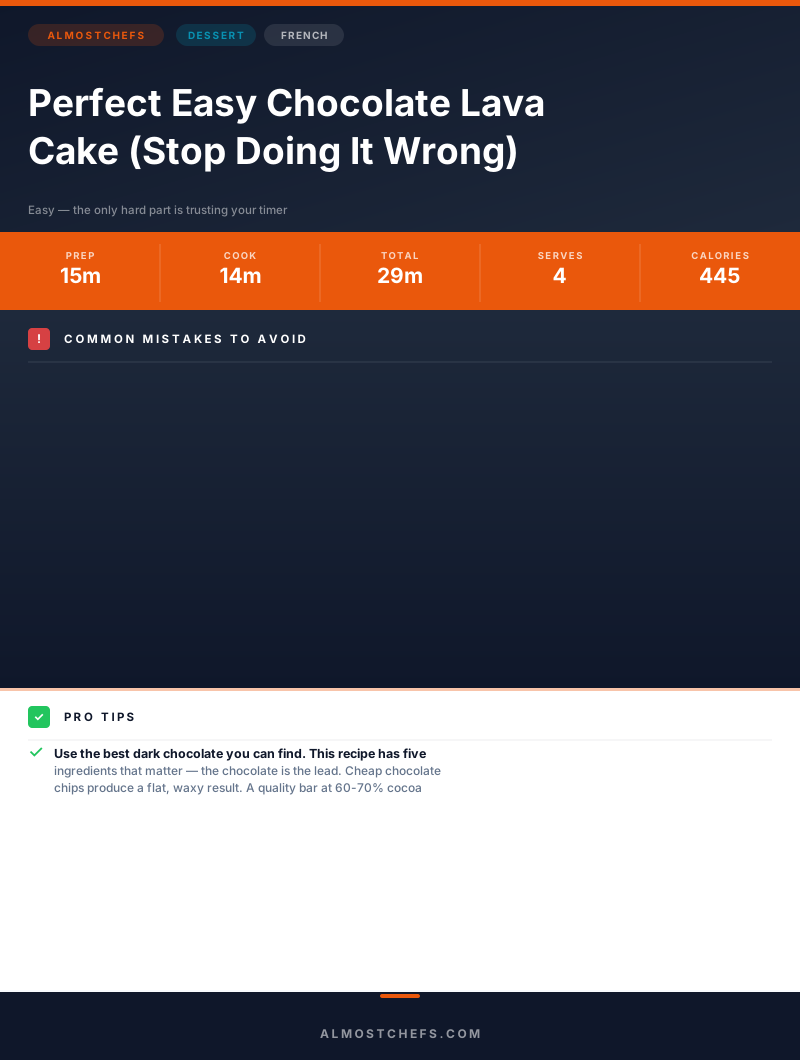
We turned everything on this page into a beautiful, flour-proof PDF cheat sheet. Print it out, stick it to your fridge, and never mess up your perfect easy chocolate lava cake (stop doing it wrong) again.
*We'll email you the high-res PDF instantly. No spam, just perfectly cooked meals.
AlmostChefs Editorial Team
We translate the internet's most popular cooking videos into foolproof, beginner-friendly written recipes. We analyze multiple methods, test them in our kitchen, and engineer a single "Master Recipe" that gives you the best possible result with the least possible stress.