Bakery-Style Chocolate Donuts (The Fry Temperature Is Everything)
Rich, pillowy yeast-raised chocolate donuts with a glossy chocolate glaze — the kind that shatter slightly on the outside and give way to a tender, airy crumb. We broke down the most-watched donut tutorials to nail the one variable that destroys every home batch: oil temperature control.
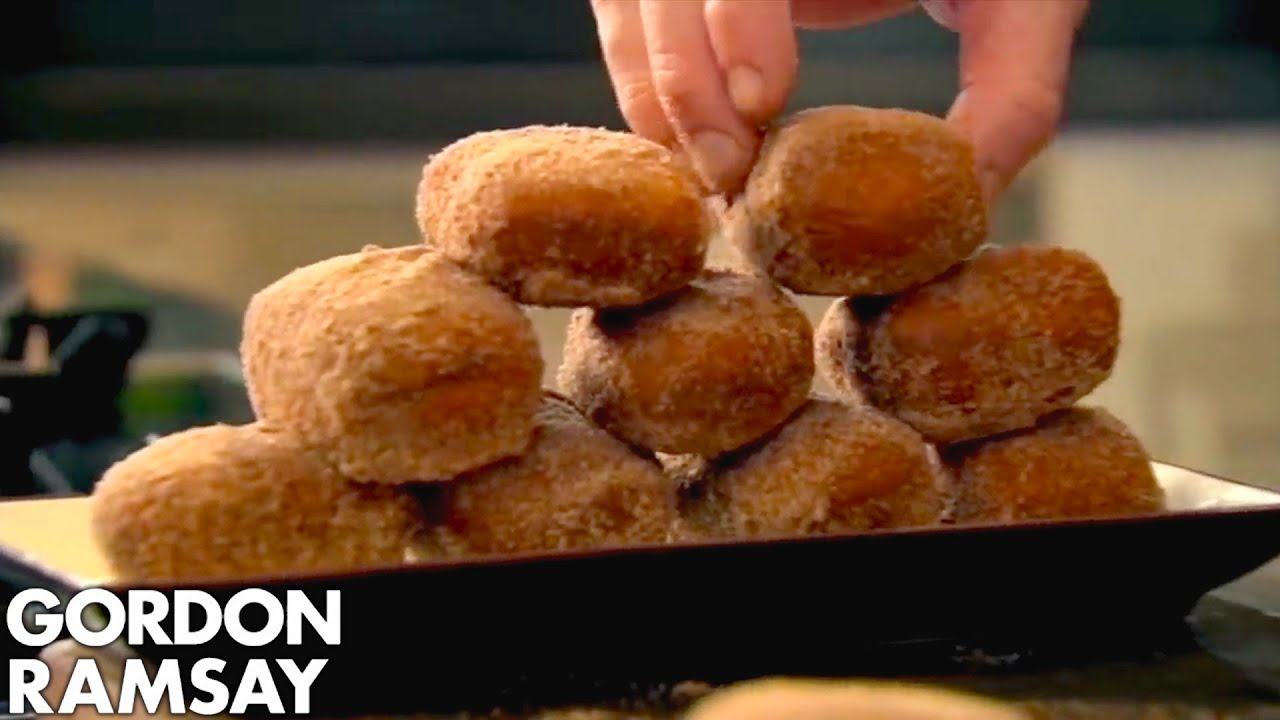
“Most homemade donuts fail in one of two ways: they come out greasy and dense, or they puff up unevenly and taste like fried bread with chocolate paint on top. The difference between a donut worth eating and a donut worth making again comes down to three things: the cocoa ratio in the dough, the proof time, and keeping your oil locked at 375°F for every single batch. We tested the most-viewed YouTube methods to find the approach that consistently produces a bakery-quality result at home.”
Why This Recipe Works
A chocolate donut is not a complicated object. It is flour, fat, cocoa, and heat — four things humans have been combining for thousands of years. And yet the gap between a mediocre homemade donut and the kind you find at a serious bakery is enormous, and almost entirely explained by two things: the cocoa strategy and the oil temperature. Everything else is execution.
The Cocoa Problem
Most chocolate donut recipes call for a single type of cocoa powder and leave it at that. This is a mistake that produces flat, monochromatic chocolate flavor — technically chocolate, but without the complexity that makes you reach for a second one. The solution is to blend cocoa types: two-thirds Dutch-process for depth, darkness, and that distinctive fudgy backbone, combined with one-third natural cocoa for its acidic brightness and the Maillard-reactive compounds that help the dough develop color and lift during frying.
Dutch-process cocoa has been treated with an alkali to neutralize its natural acidity. This makes it darker, smoother, and more soluble, but it also strips out the reactive molecules that interact with leavening. Natural cocoa is sharper, fruitier, and slightly acidic — qualities that can be aggressive on their own but that round out beautifully when blended. The ratio of two-to-one Dutch to natural is the sweet spot: enough natural cocoa to add dimension without making the donut taste like unsweetened baking cocoa.
The Yeast Architecture
These are yeast-raised donuts, which means the leavening is entirely biological — no baking powder, no baking soda, no shortcuts. This is what gives bakery donuts their characteristic airy, pillowy crumb and the slight chewiness that separates them categorically from cake donuts. It also means the dough requires time, which is non-negotiable.
The butter goes in last, after the dough has already formed. This is the same technique used for brioche and enriched French breads — by adding fat after gluten development begins, you allow the flour proteins to link up properly before the butter coats them and impedes further bonding. A stand mixer with a dough hook is the right tool here, not because you can't do it by hand, but because the 6–8 minutes of sustained medium-speed mixing that this dough requires is genuinely exhausting to do manually and produces inconsistent results.
The Temperature Physics
Frying is heat transfer, and oil is the medium. At 375°F, the surface of the donut reaches its boiling point within seconds of contact, rapidly driving off surface moisture and setting the exterior into a thin, crisp shell. This shell is what traps the steam generated by the dough's internal moisture, creating the pressure that makes the donut puff dramatically in the oil. Below 365°F, this process slows enough that oil begins to penetrate the dough before the shell can form — and you get a heavy, greasy result that no amount of draining will fix.
A candy thermometer clipped to the side of your Dutch oven is not an optional accessory. It is the entire point. The oil temperature drops 15–20 degrees every time a cold batch of dough hits the surface, and it takes 2–3 minutes to recover. Skipping the wait and rushing straight to the next batch means every subsequent donut fries at progressively lower temperatures. The first batch is perfect; the fifth is a dense, oil-logged disc.
The Glaze Logic
The chocolate glaze should behave like warm caramel: fluid enough to self-level after dipping, thick enough to form a defined coat that doesn't run off entirely. The ratio of powdered sugar to cocoa to milk is calibrated so the glaze sets to a slightly matte finish at room temperature — shiny when fresh, firm within 10 minutes, and dry enough to stack after 20. The melted butter is what provides gloss and prevents the sugar from crystallizing into a sandy coating.
Temperature at dipping time matters. A donut that's too hot creates steam beneath the glaze, which causes it to bubble, slide, and never adhere properly. Let them cool on a wire rack for at least 10 minutes — the surface should be warm to the touch but not generating visible steam. This is when the glaze bonds properly, sets cleanly, and produces the bakery finish that makes the effort worthwhile.
The donut holes are the real prize. Fry them first, eat them immediately, and use them to calibrate your oil temperature and glaze consistency before you commit to the full batch. This is not a tip. It is protocol.
Where Beginners Mess This Up
Before we start, read this. These are the 4 reasons your bakery-style chocolate donuts (the fry temperature is everything) will fail:
- 1
Frying in oil that's too cold: Below 365°F, donuts absorb oil before the exterior sets. The result is heavy, greasy, and dense — the opposite of what you want. The dough needs to hit hot fat fast so the outside crusts immediately while the inside stays trapped steam. Use a thermometer. Not a guess.
- 2
Over-proofing the shaped donuts: A properly proofed donut looks noticeably puffed and jiggles gently when you shake the tray. An over-proofed donut looks almost balloon-like and will collapse the moment it hits the oil, spreading flat instead of rising tall. Second proof should take 45 minutes max at room temperature.
- 3
Using Dutch-process cocoa only: Dutch-process cocoa is alkalized, which means it doesn't react with baking powder or yeast the same way natural cocoa does. Using only Dutch-process in a yeast dough results in flat, heavy donuts with a muddy flavor. The formula: two-thirds Dutch-process for depth, one-third natural cocoa for lift and brightness.
- 4
Glazing donuts while they're hot: Chocolate glaze applied to a hot donut slides off, pools at the bottom, and never sets properly. Cool your donuts on a wire rack for at least 10 minutes — they should be warm to the touch but not steaming. The glaze should coat, set, and stay.
The Video Reference Library
Want to see it in action? Here are the exact videos we analyzed and combined to build this foolproof recipe translation:
The anchor video. Clear demonstration of dough consistency, shaping, proofing cues, and frying technique. Pay close attention to the section on reading the proof — this is where most home bakers go wrong.
Strong primer on yeast donut fundamentals including how to test oil temperature without a thermometer and the right glaze consistency for clean coating.
Deep dive into the chemistry of frying dough — why fat temperature matters, how gluten structure affects rise, and what over-proofing looks like in real time.
🛠️ Core Equipment
- Candy or deep-fry thermometerOil temperature is the single most important variable in frying. Visual cues (shimmering, a dropped bread cube browning in 30 seconds) are unreliable. A digital probe thermometer is non-negotiable for consistent results batch after batch.
- Dutch oven or heavy-bottomed potA [Dutch oven](/kitchen-gear/review/dutch-oven) holds heat better than a thin saucepan, which means the oil temperature recovers quickly between batches. Thin pots spike and drop erratically, which means each batch fries at a different temperature.
- Donut cutter or two round cuttersA 3-inch cutter for the outer ring and a 1-inch for the hole. Press straight down — don't twist. Twisting seals the cut edge and prevents the donut from rising evenly.
- Wire cooling rack set over a sheet panDonuts resting on paper towels trap steam underneath and go soggy on the bottom. A rack allows air circulation on all sides, keeping the exterior dry while excess oil drips away cleanly.
Bakery-Style Chocolate Donuts (The Fry Temperature Is Everything)
🛒 Ingredients
- ✦3 cups all-purpose flour, plus more for dusting
- ✦1/3 cup Dutch-process cocoa powder
- ✦3 tablespoons natural unsweetened cocoa powder
- ✦2 1/4 teaspoons active dry yeast (one standard packet)
- ✦1/3 cup granulated sugar
- ✦1 teaspoon fine sea salt
- ✦1/2 cup whole milk, warmed to 110°F
- ✦1/4 cup warm water (110°F)
- ✦2 large eggs, room temperature
- ✦3 tablespoons unsalted butter, softened
- ✦1 teaspoon pure vanilla extract
- ✦Neutral oil for frying (canola, vegetable, or peanut), about 4 cups
- ✦**For the chocolate glaze:**
- ✦1 1/2 cups powdered sugar, sifted
- ✦4 tablespoons Dutch-process cocoa powder
- ✦5–6 tablespoons whole milk
- ✦1 tablespoon unsalted butter, melted
- ✦1/2 teaspoon vanilla extract
- ✦Pinch of sea salt
👨🍳 Instructions
01Step 1
Combine warm milk, warm water, and yeast in a small bowl. Add a pinch of sugar and stir gently. Let sit for 8–10 minutes until foamy and fragrant.
02Step 2
In the bowl of a stand mixer fitted with the dough hook, whisk together flour, both cocoa powders, sugar, and salt.
03Step 3
Add the yeast mixture, eggs, and vanilla to the flour mixture. Mix on low for 2 minutes until a shaggy dough forms.
04Step 4
Increase to medium and add the softened butter one tablespoon at a time, waiting until each piece is fully incorporated before adding the next. Mix for 6–8 minutes until the dough is smooth, soft, and pulls cleanly away from the bowl sides.
05Step 5
Form the dough into a ball and place in a lightly oiled bowl. Cover tightly with plastic wrap and let rise at room temperature for 1 to 1.5 hours until doubled in size.
06Step 6
Turn the risen dough out onto a lightly floured surface. Roll to 1/2-inch thickness. Use a 3-inch round cutter to cut circles, then a 1-inch cutter for the holes. Press straight down without twisting.
07Step 7
Arrange the cut donuts on lightly floured sheet pans, spaced at least 2 inches apart. Cover loosely with plastic wrap and proof for 40–45 minutes at room temperature until visibly puffed and jiggling when the tray is gently shaken.
08Step 8
While donuts proof, pour oil into a Dutch oven to a depth of 3 inches. Heat over medium to 375°F, monitoring with a thermometer throughout the frying session.
09Step 9
Working in batches of 2–3 donuts at a time, gently lower donuts into the oil using a slotted spoon or spider. Fry 60–75 seconds per side until the exterior is set and slightly matte. The donuts should float immediately and puff within 30 seconds of hitting the oil.
10Step 10
Transfer fried donuts to a wire rack set over a sheet pan. Let cool for at least 10 minutes before glazing.
11Step 11
Make the glaze: Whisk together sifted powdered sugar and cocoa powder. Add melted butter, vanilla, salt, and milk one tablespoon at a time, whisking until the glaze is smooth, glossy, and thick enough to coat a spoon but fluid enough to drip slowly off it.
12Step 12
Dip each donut face-down into the glaze, hold for 3 seconds, lift, and let the excess drip back into the bowl. Flip right-side up onto the rack and let the glaze set for 5–10 minutes before serving.
Nutrition Per Serving
Estimates based on standard preparation. Adjustments alter macros.
🔄 Substitutions
Instead of Active dry yeast...
Use Instant yeast
Use the same quantity. Instant yeast can be added directly to the dry ingredients without proofing in liquid first. Rise time may be 15–20 minutes shorter.
Instead of Whole milk (in dough)...
Use Oat milk or full-fat coconut milk
Oat milk is nearly neutral in flavor and works well. Coconut milk adds a subtle richness that pairs nicely with chocolate. Avoid low-fat plant milks — they don't provide enough fat for a tender crumb.
Instead of Unsalted butter...
Use Refined coconut oil
Use the same quantity, softened to room temperature. Produces a slightly different crumb — a touch chewier — but the flavor difference is minimal once the chocolate dominates.
Instead of All-purpose flour...
Use Bread flour
Higher protein content produces a chewier, slightly denser donut. Some prefer this texture. Reduce by 2 tablespoons to compensate for the increased gluten strength.
🧊 Storage & Reheating
In the Fridge
Glazed donuts keep in an airtight container at room temperature for up to 1 day. Refrigerating them dries them out faster — avoid unless necessary.
In the Freezer
Freeze unglazed donuts in a single layer, then transfer to a zip bag for up to 1 month. Thaw at room temperature for 20 minutes, then glaze fresh.
Reheating Rules
Warm unglazed donuts in a 300°F oven for 5–6 minutes. Do not microwave — it makes the crumb rubbery and destroys the exterior texture.
❓ Frequently Asked Questions
Why are my donuts greasy?
Oil temperature dropped below 365°F during frying. The dough absorbed fat before the exterior could set. Keep a thermometer in the oil at all times and allow it to recover fully between batches.
Can I bake these instead of frying?
Technically yes, but the result is a chocolate muffin in a donut shape — not a donut. The Maillard reaction in hot oil creates a distinct crust and flavor that an oven cannot replicate. If you want a baked version, look for a cake donut recipe designed for baking.
Why did my donuts come out flat?
Either the yeast was dead (didn't foam during proofing), the dough was over-proofed and collapsed in the oil, or the donuts were flattened when handled before frying. Always lift and transfer shaped donuts gently — deflating them before they hit the oil ruins the rise.
How do I know when the donuts are done frying?
60–75 seconds per side at 375°F. The exterior should look set and slightly matte rather than raw and shiny. The interior will continue cooking from residual heat on the rack. If you cut one open and see raw dough, your oil was too hot — the outside browned before the inside cooked.
Can I make the dough the night before?
Yes. After the first knead, place the dough in an oiled bowl, cover tightly, and refrigerate overnight instead of doing the first proof at room temperature. The cold slow-rises the dough. The next day, pull it out, let it come to room temperature for 30 minutes, then roll, cut, and proceed with the second proof.
My glaze is too thick — how do I fix it?
Add warm milk half a teaspoon at a time, whisking between each addition. Do not add cold milk — it can cause the melted butter in the glaze to seize and turn grainy. Warm milk incorporates smoothly every time.

The Science of
Bakery-Style Chocolate Donuts (The Fry Temperature Is Everything)
We turned everything on this page into a beautiful, flour-proof PDF cheat sheet. Print it out, stick it to your fridge, and never mess up your bakery-style chocolate donuts (the fry temperature is everything) again.
*We'll email you the high-res PDF instantly. No spam, just perfectly cooked meals.
AlmostChefs Editorial Team
We translate the internet's most popular cooking videos into foolproof, beginner-friendly written recipes. We analyze multiple methods, test them in our kitchen, and engineer a single "Master Recipe" that gives you the best possible result with the least possible stress.