Foolproof Chocolate Decorations (Tempering Finally Explained)
Professional-grade chocolate decorations — curls, shards, bark, and dipped garnishes — built on one skill most home bakers skip: proper tempering. We broke down the most-watched chocolate decoration tutorials to give you a single repeatable method that produces glossy, snap-perfect chocolate every time.
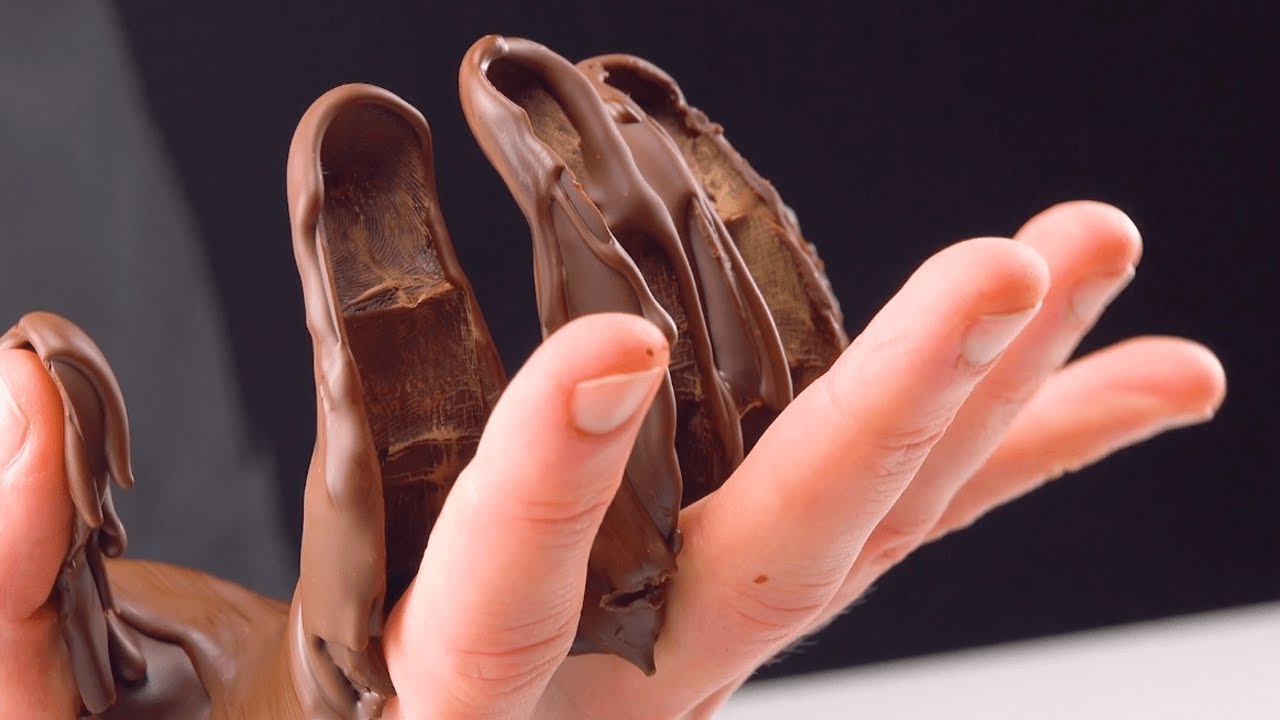
“Every professional pastry chef has one skill that separates their plated desserts from everyone else's. It isn't a secret sauce or an expensive ingredient. It's tempering. Chocolate that hasn't been properly tempered blooms gray, bends instead of snapping, and melts the moment it touches a warm plate. Chocolate that has been tempered correctly is glossy, rigid, and audibly crisp. The gap between those two outcomes is about fifteen degrees and a little patience.”
Why This Recipe Works
Chocolate decorations are the point where baking stops and craft begins. You can produce a perfect génoise, nail a mirror glaze, and still send a dessert to the table that looks unfinished because the garnish was an afterthought — a chip pressed into frosting, a dusting of cocoa powder applied without intention. The decorations are the last thing a guest sees before they eat. They are the argument for everything else on the plate.
What Tempering Actually Is
Most recipes tell you to temper chocolate without explaining why, which is roughly as helpful as telling someone to tune an instrument without explaining what pitch means. Tempering is the process of guiding molten chocolate through a precise temperature sequence to encourage the formation of a specific type of cocoa butter crystal — Form V, out of six possible crystal forms. Form V crystals are the ones responsible for everything desirable about high-quality chocolate: the glossy surface, the sharp snap, the clean release from a mold, and the resistance to melting at room temperature.
When you melt chocolate carelessly and allow it to cool on its own schedule, you get a random mixture of crystal forms. The result is visually dull, structurally weak, and has a melt point at or just below skin temperature — meaning it starts softening the moment it touches a warm plate or a guest's fingers. The same chocolate, properly tempered, behaves like a completely different material. The difference is not ingredients. It is structure.
The Three-Stage Protocol
Tempering dark chocolate follows three temperatures in sequence, and none of them are negotiable. First, full melt at 115°F — every crystal form that was previously present in the chocolate must be dissolved. Second, cooling to 82°F — at this temperature, stable Form V crystals begin nucleating, but so do some unwanted lower-form crystals. Third, reheat to 90°F — this final stage melts out all the unstable crystal forms that formed during cooling, leaving only the Form V network intact.
The seeding method — where you stir in reserved chopped chocolate to cool and seed the melt — is the most reliable technique for home kitchens. The chopped chocolate you add is already in temper, meaning it introduces pre-formed Form V crystals that act as templates for the rest of the melt to crystallize around. This is why the reserved chocolate must be finely chopped: surface area determines how quickly and evenly the seeding works. Large chunks create temperature inconsistency in the bowl and uneven crystal distribution.
The Acetate Advantage
There is a reason professional chocolate work is done on acetate sheets rather than parchment. When tempered chocolate contracts as it sets, it releases cleanly from non-porous surfaces and takes on the surface finish of whatever it was poured onto. Acetate is optically smooth, producing a mirror-gloss underside on every shard and bark piece. Parchment is micro-textured, leaving a matte finish. Both are functional — but if you are placing decorations on a finished cake where a guest will see them up close, the difference between acetate-finish and parchment-finish chocolate is immediately visible to anyone who knows what to look for.
An offset spatula is the other non-negotiable tool for spread work. The angled blade allows you to skim across the surface of the chocolate at a consistent height without dragging the tool through the chocolate and disturbing the setting layer below. Consistent thickness — that 3mm target — is what gives you predictable snap behavior when you break the set sheet. Thick patches snap unpredictably; thin patches shatter and produce too many unusably small fragments.
Shards, Curls, and the Timing Window
Every decoration type has a specific window during the chocolate's setting process where it can be shaped. Shards require fully set chocolate — you are working with a rigid material and using controlled breaks. Curls require partially set chocolate — the material needs enough structural integrity to hold a rolled form but enough flexibility to curl without cracking. The window for curls is narrow: roughly 5 to 10 minutes after spreading, depending on ambient temperature and chocolate thickness.
A bench scraper held at a firm 45-degree angle and pushed along the chocolate sheet generates the friction and pressure needed to roll the chocolate back on itself. The angle matters — too shallow and the tool slides over the surface; too steep and it digs in and breaks the sheet. This is the kind of skill that takes three or four practice batches to internalize, and every failed curl is just chocolate you can re-melt and temper again. The material is forgiving. The technique rewards repetition.
When Decoration Becomes Design
The final element is restraint. A single bold shard on a slice of mousse cake communicates confidence. Seven irregularly sized shards arranged with no clear intention communicate confusion. Think about height, angle, and negative space before you place anything. Edible gold dust applied with a dry brush catches light in a way that draws the eye to exactly the part of the plate you want guests to notice first.
The chocolate does the work. Your job is to put it in the right place.
Where Beginners Mess This Up
Before we start, read this. These are the 4 reasons your foolproof chocolate decorations (tempering finally explained) will fail:
- 1
Using chips instead of couverture: Chocolate chips contain stabilizers specifically designed to prevent melting — which means they also resist proper tempering. They hold shape in a cookie but they will never produce a glossy, high-snap decoration. You need couverture chocolate with a cocoa butter content above 31%. Bar chocolate labeled 'baking chocolate' or 'couverture' is what you're after.
- 2
Skipping the thermometer: Tempering is a temperature-controlled process, not a visual one. Dark chocolate must reach 115°F to melt fully, cool to 82°F to form stable crystals, then reheat to 90°F for working temperature. Guessing at these stages produces bloom — the grayish-white streaks and mottled surface that signal unstable cocoa butter crystallization.
- 3
Working in a humid or warm environment: Chocolate is hydrophobic — any water contact causes it to seize into a grainy, unworkable paste. More than 70% humidity in your kitchen will cause surface condensation during the cooling phase. Work in a cool, dry environment and avoid refrigerating chocolate decorations directly, as fridge condensation causes bloom.
- 4
Spreading too thick or too thin: Chocolate decorations spread thinner than 2mm crack unpredictably and shatter during handling. Thicker than 5mm takes too long to set and risks bloom. The 3mm sweet spot gives you clean, confident snaps and enough structural integrity to handle without gloves.
The Video Reference Library
Want to see it in action? Here are the exact videos we analyzed and combined to build this foolproof recipe translation:
A comprehensive walkthrough covering curls, shards, and piped decorations with clear close-ups of proper chocolate consistency at each tempering stage.
Deep dive into the science of cocoa butter crystallization with visual comparisons between properly tempered and bloomed chocolate at each stage.
Stripped-back tutorial focused on shards and bark for first-timers. Builds confidence with the tempering process before moving to more complex shapes.
🛠️ Core Equipment
- Digital instant-read thermometerNon-negotiable for tempering. The entire process is three specific temperatures in sequence. An analog candy thermometer is too slow to catch the narrow working window. Digital reads in 2-3 seconds — fast enough to catch the exact moment you need to act.
- Offset spatulaFor spreading melted chocolate into thin, even sheets on parchment. A standard spatula creates drag and uneven thickness. The angled blade of an offset spatula lets you skim across the surface without disturbing the chocolate below.
- Acetate sheets or parchment paperChocolate releases cleanly from acetate and produces a mirror-gloss finish on the underside of decorations. Parchment works but leaves a matte texture. For shards and curls displayed on plated desserts, acetate is the professional standard.
- Bench scraperFor the tabling method — spreading chocolate across a marble surface to cool it rapidly. Also useful for cutting clean shards from set chocolate sheets. The straight edge creates precise, angular cuts.
Foolproof Chocolate Decorations (Tempering Finally Explained)
🛒 Ingredients
- ✦14 oz high-quality dark couverture chocolate (70% cacao), finely chopped
- ✦4 oz white chocolate, finely chopped (for contrast decorations)
- ✦2 oz milk chocolate, finely chopped (optional, for marbling)
- ✦1 tablespoon coconut oil (optional, for added sheen)
- ✦1/4 teaspoon flaky sea salt
- ✦2 tablespoons freeze-dried raspberries, crushed (optional garnish)
- ✦1 tablespoon edible gold dust or luster powder (optional)
- ✦Acetate sheets or parchment paper for setting
👨🍳 Instructions
01Step 1
Finely chop the dark couverture chocolate and place two-thirds (about 9 oz) into a heatproof bowl. Reserve the remaining one-third.
02Step 2
Melt the two-thirds portion using a bain-marie or microwave in 30-second bursts, stirring between each burst, until the chocolate reaches 115°F for dark chocolate. Do not exceed 120°F.
03Step 3
Remove from heat and stir in the reserved one-third of chopped chocolate a handful at a time, stirring continuously. This is called seeding — it introduces stable cocoa butter crystals into the melt.
04Step 4
Continue stirring until the mixture cools to 82°F. This may take 4-6 minutes depending on your kitchen temperature.
05Step 5
Gently reheat the chocolate to 90°F (the working temperature for dark chocolate) by briefly returning it to the bain-marie or warming in 5-second microwave bursts. The chocolate is now in temper.
06Step 6
For shards: Pour the tempered chocolate onto an acetate sheet and spread to an even 3mm thickness using an offset spatula. Work quickly — you have about 4 minutes before the chocolate begins to set.
07Step 7
For marbling: Drop small amounts of melted white or milk chocolate onto the still-wet dark chocolate surface and drag a toothpick or skewer through both layers in S-curves to create a marbled pattern.
08Step 8
Sprinkle optional garnishes — flaky sea salt, crushed freeze-dried raspberries, or edible gold dust — over the chocolate before it sets.
09Step 9
Allow the chocolate to set at room temperature for 20-30 minutes. Do not refrigerate during this stage.
10Step 10
For shards: Lift the set chocolate sheet and break it by hand into irregular angular pieces, or use a bench scraper and ruler to cut precise geometric shapes.
11Step 11
For curls: While the chocolate is still slightly pliable (5-10 minutes into setting), use a bench scraper held at a 45-degree angle and push firmly across the surface to roll the chocolate into cylinders.
12Step 12
Store finished decorations layered between parchment paper in an airtight container at a cool room temperature (65-68°F) away from light and humidity.
Nutrition Per Serving
Estimates based on standard preparation. Adjustments alter macros.
🔄 Substitutions
Instead of Couverture dark chocolate...
Use High-quality dark chocolate bars (Valrhona, Callebaut, or similar)
Must have a cocoa butter content above 31%. Check the label. Grocery store baking bars often work; store-brand chips do not.
Instead of Acetate sheets...
Use Parchment paper
Produces a matte rather than glossy finish on the chocolate surface. Functional but less elegant for presentation-focused decorations.
Instead of Freeze-dried raspberries...
Use Crushed pistachios, toasted coconut flakes, or dried rose petals
Any dry, low-moisture garnish works. Avoid fresh fruit — moisture causes bloom and the decorations won't hold.
Instead of Dark couverture...
Use Ruby chocolate
Ruby chocolate (RB1 variety) tempers similarly to dark and produces naturally pink decorations without food coloring. Temper to 88°F working temperature.
🧊 Storage & Reheating
In the Fridge
Not recommended for finished decorations — humidity causes condensation bloom. If you must refrigerate, seal in an airtight container with a silica gel packet and allow to come to room temperature before opening.
In the Freezer
Freeze in an airtight container for up to 3 months. Thaw unopened in the fridge overnight, then allow to fully reach room temperature before opening to prevent condensation.
Reheating Rules
Not applicable — serve at room temperature. If decorations soften in a warm environment, return to a cool space for 10 minutes to firm up.
❓ Frequently Asked Questions
Why is my chocolate turning gray and streaky after it sets?
That's bloom — either fat bloom (cocoa butter migrating to the surface due to improper tempering) or sugar bloom (surface moisture dissolving and recrystallizing sugar). Fat bloom means the chocolate wasn't tempered correctly. Sugar bloom means it was exposed to humidity or temperature fluctuation. Both are cosmetically imperfect but still edible.
Do I have to use a thermometer?
If you want consistent results, yes. The tempering window for dark chocolate spans only 8 degrees. Experienced chocolatiers can feel these temperatures by touching a small amount to their lower lip, but that skill takes months to develop. A digital thermometer costs less than a ruined batch of couverture and removes all the guesswork.
Can I re-melt and re-temper chocolate that didn't set correctly?
Yes. Let it set completely, chop it up, and restart the tempering process from the beginning. Chocolate is patient — it does not degrade from repeated tempering cycles.
Why did my chocolate seize into a clumpy paste?
Water contact. Even a drop of water — from steam, a wet spatula, or a damp bowl — causes the cocoa butter and sugar particles to clump around the water molecules in a process called seizing. Prevention is the only cure. If it happens, you can actually add more water (a tablespoon at a time) to convert seized chocolate into a ganache, but it won't work for decorations.
How far in advance can I make chocolate decorations?
Properly tempered chocolate decorations stored in a cool, dry environment last 2-3 weeks without any quality loss. Many professional pastry chefs make large batches at the start of the week and store them for service.
What's the difference between tempering and just melting chocolate?
Melted chocolate that cools without tempering forms disorganized cocoa butter crystals — specifically an unstable mix of Forms I through VI. Tempered chocolate encourages the formation of Form V crystals exclusively. Form V has a higher melting point, contracts as it sets (releasing cleanly from molds), and reflects light evenly (the glossy finish). Untempered chocolate melts at finger temperature, looks dull, and bends rather than snaps.

The Science of
Foolproof Chocolate Decorations (Tempering Finally Explained)
We turned everything on this page into a beautiful, flour-proof PDF cheat sheet. Print it out, stick it to your fridge, and never mess up your foolproof chocolate decorations (tempering finally explained) again.
*We'll email you the high-res PDF instantly. No spam, just perfectly cooked meals.
AlmostChefs Editorial Team
We translate the internet's most popular cooking videos into foolproof, beginner-friendly written recipes. We analyze multiple methods, test them in our kitchen, and engineer a single "Master Recipe" that gives you the best possible result with the least possible stress.