Fudgy Chocolate Brownies (The Texture Is the Whole Point)
Dense, glossy-topped, crackle-crusted chocolate brownies built around one non-negotiable truth: the ratio of fat to flour is everything. We broke down the most-watched brownie videos on YouTube to decode exactly why some batches turn out fudgy and others turn into dry cake squares.
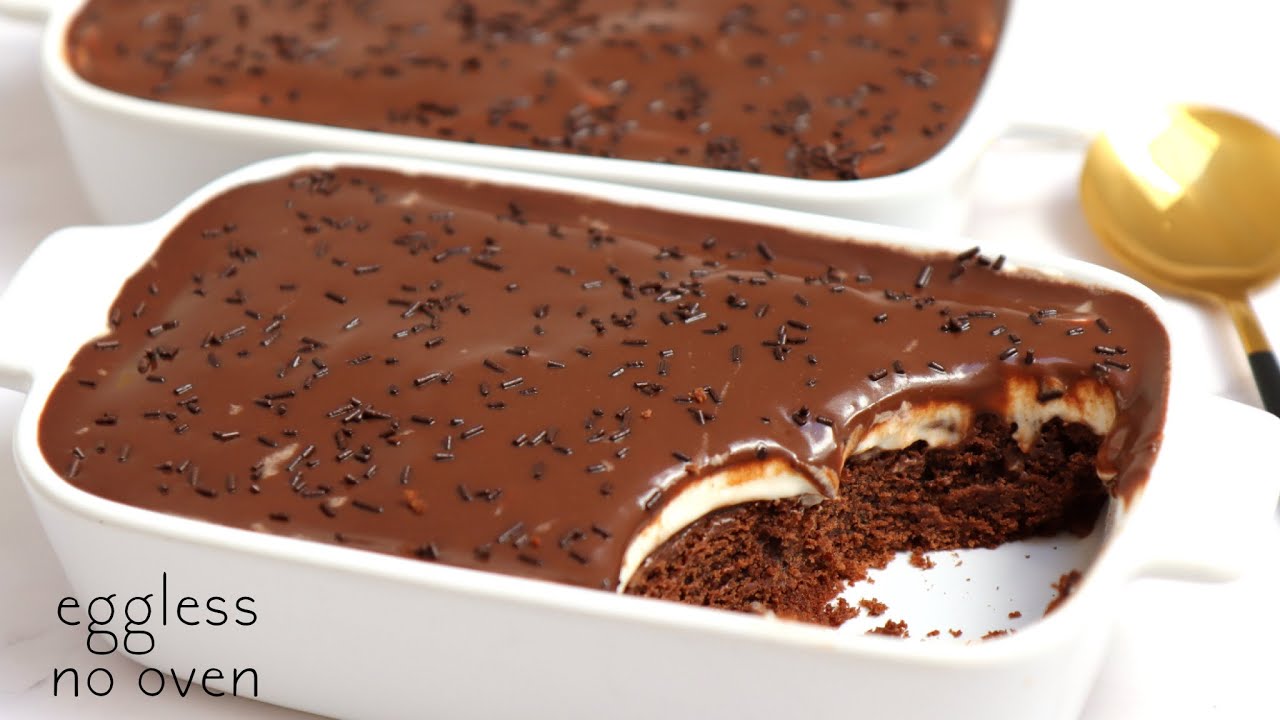
“Brownies look simple. One pan, a handful of ingredients, thirty minutes in the oven. But the internet is full of cakey, dry, or flavorless brownies made by people who followed a recipe and still got it wrong. The difference between a brownie that makes people grab a second piece and one that gets politely left on the tray comes down to fat ratio, sugar type, and the exact moment you pull the pan from the oven. We analyzed the most-watched brownie tutorials to find the variables that actually matter.”
Why This Recipe Works
A brownie is not a failed cake. This distinction sounds obvious but it explains every bad brownie ever made. Cake batter is engineered for lift, aeration, and a tender crumb. Brownie batter is engineered for density, fat saturation, and a chew that resists your teeth slightly before giving way. The moment you apply cake logic to brownie chemistry — more eggs for structure, more flour for body, more leavening for rise — you've built a chocolate cake in a square pan and called it something it isn't.
Fat Is the Architecture
The defining characteristic of a fudgy brownie is its fat-to-flour ratio, and this recipe sits at the extreme end of that spectrum. There is nearly as much fat (from butter and chocolate combined) as there is flour by weight. That is not a mistake. In cake baking, that ratio would produce a greasy, structureless disaster. In brownie baking, it produces the dense, glossy interior that makes people go quiet mid-bite.
The source of the fat matters as much as the quantity. Butter alone produces a softer, more tender brownie with good flavor. Chocolate alone adds fat but also solids, cocoa butter, and emulsifiers that create a different mouth feel. Together, they produce a brownie with depth of flavor that neither achieves independently. The dark chocolate carries the bitter, complex top notes. The butter carries the round, fatty finish. You need both.
This is also why using a digital kitchen scale is non-negotiable. Adding 30% extra flour by accident through imprecise cup scooping doesn't just make the brownie slightly drier — it fundamentally shifts the fat-to-flour ratio and turns fudgy into cakey. The recipe math only works at the right proportions.
The Sugar Dissolution Problem
Most home bakers treat sugar as a sweetener. In brownies, it's a structural component and a surface treatment. Granulated white sugar, when whisked vigorously into warm melted fat, partially dissolves. The dissolved portion migrates to the surface during baking, where it crystallizes as the heat evaporates the moisture — forming that shiny, papery, crinkled top that is the visual signature of a well-made brownie.
This reaction requires three things: warm fat (not hot, not cold), vigorous agitation for at least 60 full seconds, and a second round of whisking after the eggs are added. Room temperature eggs are not optional here — cold eggs hit warm fat and cause it to seize slightly, disrupting the emulsion and preventing the sugar from distributing evenly. The minute you spend whisking is the minute your brownies develop that bakery-quality surface. Skip it and you get a matte, flat top that looks homemade in the wrong way.
Chocolate Depth Without Bitterness
Using both melted chocolate and cocoa powder is the structural decision most recipes get wrong by choosing one or the other. Dutch-process cocoa has been alkalized to neutralize its natural acidity, which produces a rounder, deeper chocolate flavor without the sharp bite of raw cacao. It reinforces the chocolate intensity of the melted dark chocolate without adding more fat, which would tip the ratio too far. The combination creates a layered chocolate flavor — the immediate intensity from the cocoa, the lingering complexity from the real chocolate, and the slight bitterness that keeps the whole thing from tasting like candy.
The optional instant espresso powder is worth mentioning here because it is one of the most misunderstood tricks in baking. It does not make brownies taste like coffee. What it does is activate taste receptors on the tongue that are sensitive to bitter-savory compounds, which in turn amplifies how intensely you perceive the chocolate. It's the difference between chocolate flavor that sits at the front of your mouth and chocolate flavor that fills your whole palate. Add a tablespoon. You won't taste coffee. You'll taste more brownie.
The Bake Window Is Narrow
The most important skill in brownie baking is knowing when to pull the pan. The correct internal state — a glossy, barely-set center with a fully-formed edge — exists for approximately four minutes. Before that window, the center is raw batter. After that window, the brownie is a cake. Most home bakers have been trained to look for a clean toothpick and to interpret any wetness as underdone. Both instincts are wrong here.
The correct test is the wobble. Shake the pan gently at the 28-minute mark. The edges should be completely still — set, firm, pulling slightly from the pan sides. The center should move as a single unit, like a very thick custard. That movement means the fat matrix is still fluid and will solidify into fudge as it cools. A stationary center means the structure has set all the way through — you've made a cake. Use a heatproof oven mitt to grip the pan and give it a confident, small shake. Trust what you see, not what you expect.
Patience in the cooling phase is not optional either. The brownie is still cooking via carryover heat for the first 20 minutes out of the oven. The fat is still liquid. The sugar is still settling. Cut into it before the 90-minute mark and you get a molten, shapeless square that falls apart and tastes greasy. Wait the full time and you get a clean-edged, dense, glossy-centered piece of chocolate architecture that justifies every minute you spent making it.
Where Beginners Mess This Up
Before we start, read this. These are the 4 reasons your fudgy chocolate brownies (the texture is the whole point) will fail:
- 1
Using the wrong chocolate-to-cocoa ratio: Cocoa powder alone produces a dry, bitter crumb. Real chocolate alone produces a greasy, dense brick. The magic is the combination: melted dark chocolate provides fat, depth, and gloss, while a measured amount of cocoa powder reinforces the chocolate intensity without adding more fat. Skip one or the other and you've already lost.
- 2
Overmixing after adding flour: Flour develops gluten the moment it meets liquid and agitation. Every extra stroke of the spatula after the flour goes in builds more gluten — and more gluten means more cake, less fudge. Fold until the flour just disappears. Streaks are fine. A completely uniform batter means you've gone too far.
- 3
Overbaking by five minutes: Brownies look underdone when they're actually done. The center should still wobble slightly when you shake the pan. A toothpick inserted 1 inch from the edge should come out with moist crumbs, not wet batter. If the toothpick comes out clean, you baked it too long. Brownies firm up dramatically as they cool — what looks raw at 30 minutes is perfect at room temperature.
- 4
Skipping the rest period: Cutting hot brownies is the fastest way to guarantee a greasy, shapeless mess. The structure hasn't set yet. The fat is still liquid. Let the pan cool completely — at least 90 minutes at room temperature — before you cut. If you refrigerate for 30 minutes after cooling, the edges become clean and the center firms to that perfect dense chew.
The Video Reference Library
Want to see it in action? Here are the exact videos we analyzed and combined to build this foolproof recipe translation:
A deep-dive into brownie texture variables with clear before-and-after comparisons of under- and over-baked pans. Best watch for understanding exactly what the wobble test looks like in practice.
Strips brownie technique down to its minimum viable steps without sacrificing fudginess. Useful for understanding which steps are actually load-bearing and which are theatrical.
Focused entirely on the shiny, crackled surface that separates great brownies from average ones. Explains the sugar dissolution science and why hand-whisking the eggs matters.
🛠️ Core Equipment
- 8x8 inch metal baking panMetal conducts heat faster and more evenly than glass, which means the edges set while the center stays fudgy. Glass pans run cooler and produce a softer, less defined edge. Do not substitute.
- Heatproof mixing bowlYou'll melt butter and chocolate together over a double boiler or in short microwave bursts. Glass or stainless steel handles heat without warping or leaching chemicals into your batter.
- Digital kitchen scaleCup measurements for flour vary by as much as 30% depending on how you scoop. At the fat-to-flour ratios brownies require, 30% more flour is the difference between fudgy and cakey. Weigh everything.
- Parchment paperLine the pan with an overhang on two sides to create a sling. You can lift the entire brownie block out before cutting, which means clean edges and no fighting with a spatula at the corners.
Fudgy Chocolate Brownies (The Texture Is the Whole Point)
🛒 Ingredients
- ✦170g (6 oz) dark chocolate (70% cacao), roughly chopped
- ✦115g (1/2 cup) unsalted butter, cut into pieces
- ✦200g (1 cup) granulated white sugar
- ✦50g (1/4 cup) light brown sugar, packed
- ✦3 large eggs, room temperature
- ✦2 teaspoons pure vanilla extract
- ✦85g (3/4 cup) all-purpose flour
- ✦30g (1/4 cup) Dutch-process cocoa powder
- ✦1/2 teaspoon fine sea salt
- ✦1/4 teaspoon baking powder
- ✦100g (2/3 cup) semi-sweet chocolate chips or chunks (optional)
👨🍳 Instructions
01Step 1
Preheat oven to 350°F (175°C). Line an 8x8 inch metal baking pan with parchment paper, leaving a 2-inch overhang on two opposite sides to create a lifting sling.
02Step 2
Combine the chopped dark chocolate and butter in a heatproof bowl. Melt together either in 30-second microwave intervals, stirring between each, or over a double boiler on low heat. Stir until completely smooth and glossy. Set aside to cool for 5 minutes.
03Step 3
Whisk both sugars into the warm chocolate-butter mixture until fully incorporated. The batter will look grainy at first — keep whisking for 60 full seconds. This step partially dissolves the sugar and is what creates the crinkle top.
04Step 4
Add the eggs one at a time, whisking vigorously after each addition. Add the vanilla with the last egg. Whisk for another 60 seconds after all eggs are in — the batter should look glossy and slightly ribbony.
05Step 5
Sift the flour, cocoa powder, salt, and baking powder directly into the bowl. Using a rubber spatula, fold gently until no dry streaks remain — approximately 20-25 strokes. Stop immediately when the flour disappears.
06Step 6
Fold in the chocolate chips or chunks if using. Transfer the batter to the prepared pan and spread into an even layer with the spatula.
07Step 7
Bake for 28-32 minutes. The edges should be set and pulling slightly from the sides of the pan. The center should still have a subtle wobble when you shake the pan gently. A toothpick inserted 1 inch from the edge should come out with moist crumbs attached — not wet batter, not clean.
08Step 8
Remove from oven and place the pan on a wire rack. Do not cut. Do not poke. Do not move it to speed up cooling. Let it rest at room temperature for a minimum of 90 minutes.
09Step 9
Once fully cooled, lift the brownie block out of the pan using the parchment sling. Place on a cutting board and use a sharp chef's knife to cut into 16 squares. Wipe the blade clean between cuts for sharp edges.
Nutrition Per Serving
Estimates based on standard preparation. Adjustments alter macros.
🔄 Substitutions
Instead of Unsalted butter...
Use Refined coconut oil
Use the same weight. Produces a slightly chewier, denser brownie with a faint coconut undertone. Does not brown the way butter does, so skip the browning technique if substituting.
Instead of Dark chocolate (70%)...
Use Semi-sweet chocolate chips (60%)
Slightly sweeter and less intense. Reduce granulated sugar by 25g to compensate. The texture remains similar but the chocolate flavor is milder.
Instead of All-purpose flour...
Use 1:1 gluten-free flour blend
Works well in brownies because the low flour ratio means gluten was never doing much structural work to begin with. Add 1/4 teaspoon xanthan gum if your blend doesn't already include it.
Instead of Eggs...
Use Flax eggs (1 tablespoon ground flaxseed + 3 tablespoons water per egg, rested 5 minutes)
Produces a denser, fudgier brownie with slightly less lift. The crinkle top may be less pronounced. Use cold flax eggs — warm ones can interact oddly with the chocolate fat.
🧊 Storage & Reheating
In the Fridge
Store in an airtight container at room temperature for up to 4 days. Do not refrigerate — cold air dries out brownies and makes them crumbly.
In the Freezer
Wrap individual squares in plastic wrap, then place in a zip-lock bag. Freeze for up to 3 months. Thaw at room temperature for 30-45 minutes — they return almost exactly to their original texture.
Reheating Rules
Microwave a single square for 10-12 seconds on 50% power to restore the fudgy, warm interior. Full power turns them rubbery. If reheating from frozen, let thaw completely first.
❓ Frequently Asked Questions
Why are my brownies cakey instead of fudgy?
Either your flour ratio is too high, or you added too many eggs, or both. Cakey brownies come from excess structure — more gluten from extra flour or more air from extra beaten egg whites. This recipe is calibrated for fudgy. Don't add eggs, don't increase flour, and don't overmix.
Why didn't my brownies get a shiny crinkle top?
The crinkle top forms when dissolved sugar crystallizes on the surface during baking. It requires vigorous whisking of the sugar into the warm fat before the eggs go in, and room-temperature eggs that emulsify cleanly. If either step is skipped or rushed, the top bakes matte.
Can I double the recipe and use a 9x13 pan?
Yes, but adjust the bake time upward by 8-12 minutes. A larger volume of batter takes longer to set in the center. Use the wobble test — the center should still move slightly when done. Start checking at 35 minutes.
My brownies sank in the middle. What happened?
Most likely the baking powder or the eggs introduced too much air, which then collapsed as the structure couldn't support it. For maximum fudginess, you can eliminate the baking powder entirely — it's a minor ingredient here. The brownies will be slightly denser but won't sink.
How do I get clean cuts without the brownie crumbling?
Two things: fully cool the brownie before cutting (minimum 90 minutes), and use a sharp knife wiped clean between cuts. For the cleanest edges, refrigerate for 20 minutes after cooling. A warm or room-temperature brownie tears under a blade — a cold one holds its shape.
Is Dutch-process cocoa important or can I use natural cocoa?
It matters. Dutch-process has been alkalized to a neutral pH, which produces a deeper, more chocolatey flavor and darker color. Natural cocoa is acidic, which can react with the baking powder and create slight off-flavors. If substituting natural cocoa, omit the baking powder entirely to avoid the reaction.

The Science of
Fudgy Chocolate Brownies (The Texture Is the Whole Point)
We turned everything on this page into a beautiful, flour-proof PDF cheat sheet. Print it out, stick it to your fridge, and never mess up your fudgy chocolate brownies (the texture is the whole point) again.
*We'll email you the high-res PDF instantly. No spam, just perfectly cooked meals.
AlmostChefs Editorial Team
We translate the internet's most popular cooking videos into foolproof, beginner-friendly written recipes. We analyze multiple methods, test them in our kitchen, and engineer a single "Master Recipe" that gives you the best possible result with the least possible stress.