Copycat Chipotle Sofritas (Better Than the Restaurant)
Smoky, spiced crumbled tofu cooked in a chipotle-adobo paste with caramelized onions and vegetable broth. We reverse-engineered Chipotle's cult vegan protein using toasted whole spices and a blended chile paste to deliver the same bold, complex flavor at home — with lower sodium and full control over heat.
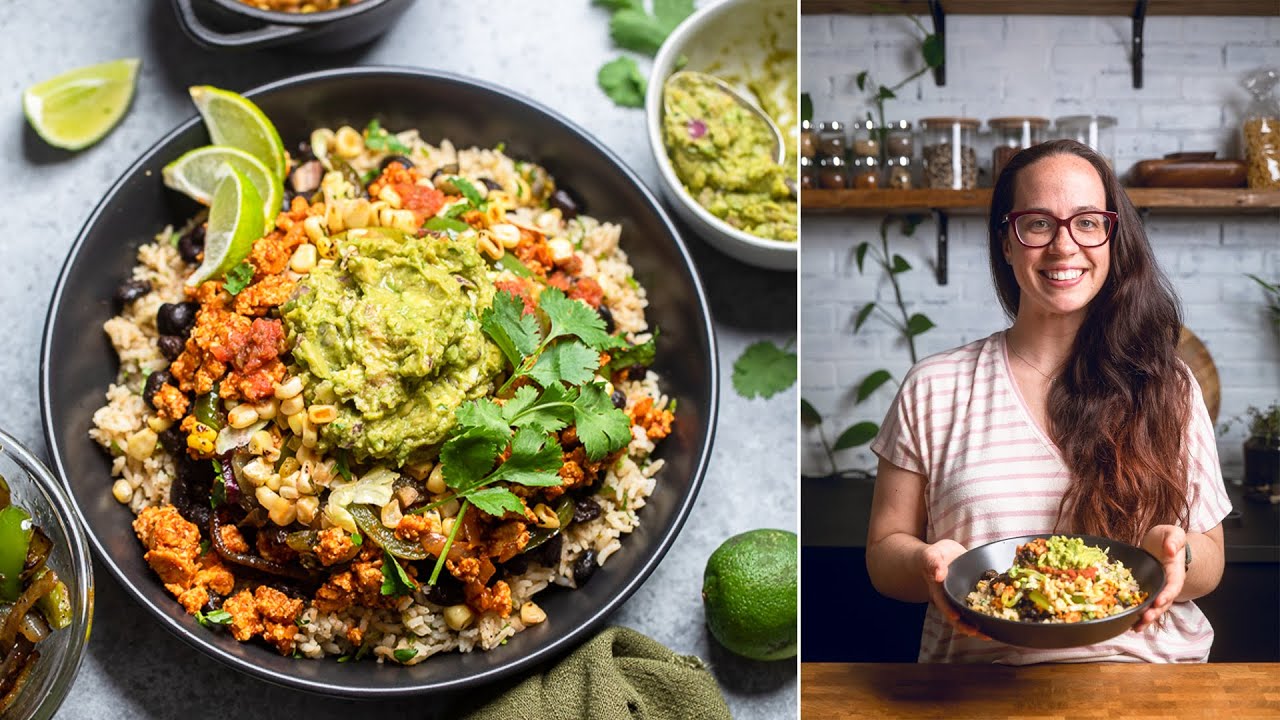
“Chipotle's Sofritas have a devoted following because they actually taste like something — smoky, complex, with real heat and savory depth. Most copycat versions miss because they skip two steps: toasting the dry spices before blending, and letting the tofu sear undisturbed long enough to build a crust. Do those two things right and this version is better than the original.”
Why This Recipe Works
Sofritas is the vegan protein option that actually converted meat eaters. Not because tofu is secretly better than carnitas — it isn't — but because whoever developed Chipotle's version understood that tofu is a flavor delivery system, not a flavor itself. The smoky chipotle paste, the caramelized base, the long simmer: those are the flavors. The tofu is the vehicle. Get that relationship right and you get a dish that belongs on the menu next to the brisket.
The Moisture Problem
Tofu is mostly water. Fresh out of the package, extra-firm tofu is still 70-80% liquid by weight. Put wet tofu in a hot pan and you don't get a sear — you get a steam. The exterior blanches white, stays soft, and refuses to hold onto sauce. The pressing step isn't optional prep-work housekeeping. It's the entire foundation of texture.
Fifteen minutes under pressure removes enough surface and internal moisture that the tofu's protein matrix can make direct contact with the hot pan. That contact — without steam in the way — triggers the Maillard reaction and creates the light golden crust that gives each cube structural integrity. Without that crust, the pieces dissolve into the sauce within minutes of simmering. With it, they hold their shape through 10 minutes of braising and still have something to chew.
The Paste Architecture
Most copycat recipes blend the chipotle peppers with the other sauce ingredients and call it done. Two minutes of spice-toasting changes everything. Ground cumin, smoked paprika, and dried oregano are packed with volatile aromatic oils that exist in a kind of suspended state at room temperature. Dry heat at 300-350°F triggers those oils, initiating Maillard reactions that create hundreds of new flavor compounds while simultaneously driving off the flat, slightly bitter top notes that raw ground spices carry.
The toasted spices go directly into the food processor with the chipotle peppers, adobo sauce, garlic, lime, and apple cider vinegar. The acid in that mix brightens and sharpens the smoke character of the chipotles. The maple syrup rounds the heat without sweetening the dish. The result is a paste with genuine complexity — not just heat and smoke, but layers that develop differently across the palate.
The Sear-First Sequence
The order of operations in this dish is deliberate. Onions go first to build an aromatic base in the oil. Tofu cubes go in next and sit untouched for a full 2-3 minutes. Only then does the paste go over the tofu — after the crust has already formed. If you add the wet paste before the sear, you eliminate the possibility of a crust entirely. The moisture content of the paste immediately drops the pan temperature and steams the tofu instead.
After the paste, the vegetable broth goes in and the heat drops to medium. This is the absorption phase — 8-10 minutes where the tofu shifts from being coated on the outside to actually tasting like something on the inside. Porous protein fibers draw the liquid in as they absorb heat. Cut this short and you get surface flavor only. Run it the full time and the seasoning penetrates.
The cornstarch slurry at the end is a finishing move, not a rescue. It tightens whatever braising liquid remains into a glaze that clings to each piece. Use a cast iron skillet throughout for even heat distribution — thin pans create hot spots that burn the paste on one side of the pan while the other side stays underdone.
Why It Gets Better Overnight
Fresh out of the pan, these sofritas are good. Twenty-four hours later, refrigerated in the same sauce, they're noticeably better. As the tofu cools, the protein matrix contracts slightly and then re-expands as it reheats — drawing more of the surrounding sauce deeper into the structure each cycle. This is why restaurant sofritas made in large batches and held throughout the day taste richer than the first batch of the morning.
Make this on a Sunday. Portion it into four containers. You'll have a meal prep week that doesn't taste like meal prep.
Where Beginners Mess This Up
Before we start, read this. These are the 4 reasons your copycat chipotle sofritas (better than the restaurant) will fail:
- 1
Skipping the tofu press: Wet tofu doesn't sear — it steams. The surface stays pale, soft, and refuses to hold onto the sauce. You need to press both blocks for at least 15 minutes to remove enough moisture that the exterior can develop actual color in the pan. Paper towels and a heavy skillet on top works fine. A dedicated tofu press works better.
- 2
Stirring the tofu too soon: Tofu needs 2-3 uninterrupted minutes of contact heat to form a crust. If you stir immediately after adding it to the pan, you break every piece before it sets. Let it sit. Resist. The golden crust is what gives each piece structural integrity when the sauce goes in.
- 3
Skipping the spice toast: Cumin, smoked paprika, and oregano in their raw ground form taste flat and slightly bitter when blended directly into the sauce. Toasting them for 60-90 seconds in a dry skillet triggers the Maillard reaction in the oils and transforms them into something rounder and more complex. It takes less than two minutes and doubles the flavor depth.
- 4
Undersimming the sauce: The tofu needs 8-10 minutes in the broth-and-paste mixture to actually absorb flavor, not just get coated in it. Cutting the simmer short gives you tofu that tastes like sauce on the outside and nothing on the inside. The cornstarch slurry at the end thickens what's left — but only after the absorption phase is complete.
The Video Reference Library
Want to see it in action? Here are the exact videos we analyzed and combined to build this foolproof recipe translation:
The source video for this recipe — clear technique on building the chile paste and getting the tofu texture right. Good close-ups of the sauce consistency before and after the cornstarch slurry.
🛠️ Core Equipment
- Tofu press or heavy skilletPressing removes the excess water that prevents browning. A dedicated press applies even pressure without supervision. A skillet stacked with canned goods works as a free alternative.
- Food processor or high-powered blenderThe chipotle paste needs to be completely smooth before hitting the pan. A chunky paste means uneven seasoning — some bites are incendiary, others are bland. A blender achieves better emulsification than a food processor if you have one.
- Large heavy-bottomed skilletYou need even heat across a wide surface to sear all the tofu cubes simultaneously. A [cast iron skillet](/kitchen-gear/review/cast-iron-skillet) or [stainless steel pan](/kitchen-gear/review/stainless-steel-pan) gives you the browning power without the hot spots a thin pan creates.
- Small dry skillet for toastingToasting spices requires a separate vessel with no oil, no moisture, and direct heat. Doing it in the same pan as the onions means the spices steam instead of toast. Two minutes on a separate burner is worth the extra dish.
Copycat Chipotle Sofritas (Better Than the Restaurant)
🛒 Ingredients
- ✦2 blocks extra-firm organic tofu (28 oz total)
- ✦3 chipotle peppers in adobo sauce
- ✦3 tablespoons adobo sauce from the can
- ✦2 tablespoons olive oil
- ✦1 medium yellow onion, diced
- ✦4 cloves garlic, minced
- ✦1 cup low-sodium vegetable broth
- ✦1 teaspoon ground cumin
- ✦1 teaspoon smoked paprika
- ✦1/2 teaspoon dried oregano
- ✦1/4 teaspoon cayenne pepper
- ✦2 tablespoons lime juice
- ✦1 tablespoon maple syrup
- ✦1 teaspoon sea salt
- ✦1/2 teaspoon black pepper
- ✦1 tablespoon cornstarch
- ✦2 tablespoons water
- ✦1 teaspoon apple cider vinegar
👨🍳 Instructions
01Step 1
Press both blocks of extra-firm tofu between paper towels or in a tofu press for 15 minutes to remove excess moisture.
02Step 2
Cut the pressed tofu into 1/2-inch cubes and set aside on a clean kitchen towel to absorb any remaining surface moisture.
03Step 3
Toast the cumin, smoked paprika, and oregano in a small dry skillet over medium heat for 1-2 minutes, stirring constantly, until fragrant. Transfer immediately to a food processor.
04Step 4
Add the chipotle peppers, adobo sauce, garlic, lime juice, maple syrup, sea salt, black pepper, and apple cider vinegar to the food processor with the toasted spices. Blend until completely smooth.
05Step 5
Heat olive oil in a large skillet over medium-high heat. Add the diced onion and sauté for 3-4 minutes until softened and lightly caramelized.
06Step 6
Add the tofu cubes to the skillet in a single layer. Cook without stirring for 2-3 minutes until they develop a light golden exterior on the bottom.
07Step 7
Pour the chipotle-spice paste over the tofu and stir gently to coat all pieces evenly.
08Step 8
Reduce heat to medium. Add the vegetable broth and simmer for 8-10 minutes, stirring occasionally, to allow the tofu to absorb the flavors.
09Step 9
Whisk the cornstarch and water together in a small bowl until no lumps remain. Add the slurry to the skillet and stir to combine.
10Step 10
Continue cooking for 2-3 minutes until the sauce thickens to a glossy coating consistency that clings to each piece.
11Step 11
Taste and adjust — more lime juice for brightness, more cayenne for heat, a pinch of salt if needed.
12Step 12
Serve immediately over rice, as a taco filling, or as the protein in a grain bowl.
Nutrition Per Serving
Estimates based on standard preparation. Adjustments alter macros.
🔄 Substitutions
Instead of Canned adobo sauce...
Use Homemade chile sauce from dried chipotles, tomato paste, vinegar, and spices
Reduces sodium by roughly 40% and eliminates preservatives. Deeper, more complex smoke character. Worth the extra effort if you want to dial in the heat level precisely.
Instead of Maple syrup...
Use Blackstrap molasses or coconut sugar
Molasses adds mineral depth and iron. Coconut sugar brings a caramel note with a lower glycemic impact. Both work in the same quantity as maple syrup.
Instead of Regular extra-firm tofu...
Use Organic sprouted tofu or chickpea tofu
Chickpea tofu has higher protein content and a firmer, meatier bite. Sprouted tofu has enhanced nutrient bioavailability and a slightly lighter flavor. Both press and sear the same way.
Instead of Store-bought vegetable broth...
Use Homemade vegetable broth or mushroom-vegetable broth
Homemade eliminates added sodium and preservatives. Mushroom broth adds umami depth that reinforces the savory profile of the chipotle paste.
🧊 Storage & Reheating
In the Fridge
Store in an airtight container for up to 4 days. Flavor improves overnight as the tofu continues absorbing the sauce.
In the Freezer
Freeze in portion-sized containers for up to 2 months. Thaw overnight in the refrigerator before reheating.
Reheating Rules
Reheat in a skillet over medium heat with a splash of vegetable broth to loosen the sauce. Microwave works but dries the exterior — add a tablespoon of water and cover with a damp paper towel if using.
❓ Frequently Asked Questions
Why is my tofu mushy instead of firm?
Two likely causes: you didn't press it long enough, or you stirred too soon after adding it to the pan. Tofu needs 15 minutes of pressing to shed enough moisture to sear properly, and 2-3 minutes of undisturbed contact heat to form a crust. Both steps are non-negotiable.
Can I use silken or soft tofu instead of extra-firm?
No. Soft tofu will disintegrate the moment it hits a hot pan. Extra-firm is the minimum. The higher the protein density of the tofu, the better it holds up under heat and sauce.
How do I make this less spicy?
Reduce the chipotle peppers to one or two instead of three, and omit the cayenne. The adobo sauce alone provides smokiness without significant heat. You can also seed the chipotle peppers before blending — most of the heat lives in the seeds and membranes.
What's the difference between these sofritas and the actual Chipotle version?
Chipotle uses a proprietary spice blend and commercial-scale cooking equipment that creates consistent caramelization at high volume. This version compensates with toasted whole spices and a sear-first technique. The result is comparable in flavor and arguably better in texture because you control the tofu pressing time.
Can I make this ahead for meal prep?
Yes — and it's better that way. Make a full batch on Sunday and refrigerate in portions. The tofu continues absorbing the sauce overnight, and by day two the flavor is noticeably deeper. It holds well for four days and reheats quickly.
Do I have to use cornstarch to thicken the sauce?
No. Arrowroot powder works as a 1:1 substitute and is the better choice if you're avoiding corn. You can also skip the thickener entirely and simply simmer the sauce an extra 4-5 minutes to reduce it naturally — the texture is slightly thinner but equally good.
The Science of
Copycat Chipotle Sofritas (Better Than the Restaurant)
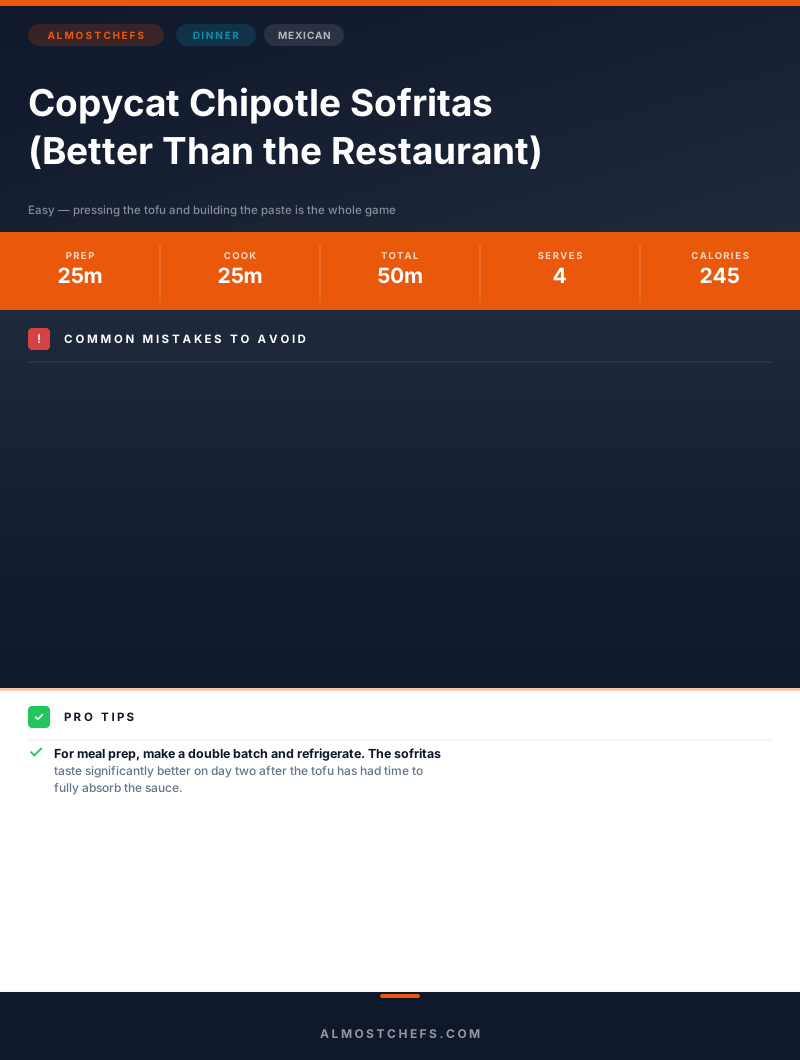
We turned everything on this page into a beautiful, flour-proof PDF cheat sheet. Print it out, stick it to your fridge, and never mess up your copycat chipotle sofritas (better than the restaurant) again.
*We'll email you the high-res PDF instantly. No spam, just perfectly cooked meals.
AlmostChefs Editorial Team
We translate the internet's most popular cooking videos into foolproof, beginner-friendly written recipes. We analyze multiple methods, test them in our kitchen, and engineer a single "Master Recipe" that gives you the best possible result with the least possible stress.