Creamy Vegan Chipotle Queso (Cashew Base, Roasted Peppers)
A smoky, velvety cashew-based queso with charred poblanos, chipotle in adobo, and nutritional yeast. No dairy, no compromise. The blending duration and poblano char are the two non-negotiables — the science explains why both matter.
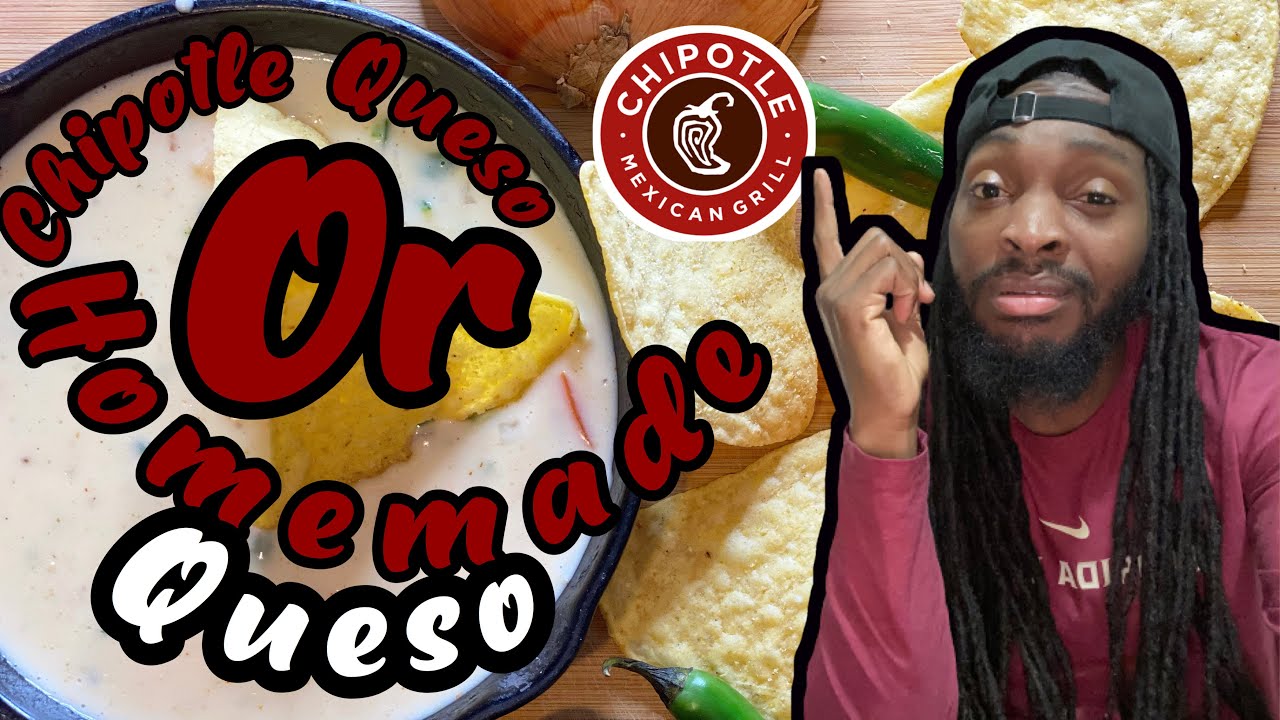
“Chipotle's queso has a cult following for good reason — it's smoky, rich, and hits every savory note at once. The problem is it's also loaded with inflammatory dairy and costs more each time you order it. This cashew-based version isn't a sad substitute. Blend it long enough, roast the peppers properly, and it's the kind of dip people ask you to make again before they've finished the bowl.”
Why This Recipe Works
Chipotle's queso became famous because it solved a specific problem: most restaurant queso is nacho cheese sauce wearing a costume. It's processed, aggressively salty, and tastes the same at every temperature. Chipotle's version uses real peppers, real smoke, and a flavor profile that actually tastes like someone made it. The problem is the dairy — and the recurring expense of ordering it every time you want a bowl.
This cashew-based version isn't a compromise. It's an upgrade in specific ways that matter.
The Cashew Cream Foundation
Cashews have an unusual fat composition — roughly 75% monounsaturated and polyunsaturated fats — that makes them behave more like a neutral dairy cream than any other nut when blended. The key is cell wall disruption, and the only way to achieve it fully is extended soaking followed by extended blending. Two hours in hot water softens the cell walls. Three to four minutes in a high-powered blender destroys them. The result is an emulsified cream that's indistinguishable in texture from heavy cream-based cheese sauces.
Skip either step and the physics fail. Under-soaked cashews resist breaking down. Under-blended cashews produce detectable granularity that telegraphs "this is not cheese" to anyone who has ever eaten cheese. Both problems are easy to avoid. Neither is forgivable if you know they exist.
Roasting the Peppers Correctly
The poblano roast is the single technique that separates this recipe from grocery-store salsa. Raw poblanos taste vegetal and slightly bitter — pleasant, but flat. A properly charred poblano — skin blackened all over, steamed in a bag for ten minutes, skin peeled away — tastes like fire. The char penetrates the flesh, not just the skin. That smoke becomes the flavor backbone of the entire dip.
The steaming step matters. The trapped heat inside the bag loosens the charred skin and continues cooking the flesh gently, deepening the sweetness. Five minutes of steaming turns a good roasted pepper into a great one. Ten minutes is the sweet spot. Beyond fifteen and the flesh starts to go soft and loses structure.
The Adobo Equation
Chipotle peppers in adobo sauce come as a unit, and that's how this recipe treats them. The canned chipotles provide smoke and heat. The adobo sauce — the dark, vinegary, spiced liquid in the can — provides acidity, depth, and a tomato-forward complexity that ties the whole dip together. Three tablespoons of adobo sauce is not a lot of liquid, but it's an enormous amount of flavor.
Most copycat recipes use only the peppers and discard the sauce. This is a critical error. The sauce is where the fermented, complex, slightly sweet notes live. Use both.
Nutritional Yeast as the Umami Driver
Nutritional yeast contains naturally occurring glutamates — the same compounds responsible for the savory, mouthwatering quality of aged cheese. A full quarter cup in this recipe isn't decoration; it's the primary mechanism for making the dip taste like it contains dairy when it doesn't. Reduce it and the queso tastes like cashews and peppers. Keep it at the full amount and the umami depth reads as cheese to the palate.
The simmer after combining the cashew cream and pepper mixture is where everything becomes coherent. Eight to ten minutes on medium-low heat fuses the components — the fat from the cashews absorbs the aromatic compounds from the peppers, the nutritional yeast integrates fully, and the adobo acid rounds off. Pull it early and the dip tastes assembled. Finish the simmer and it tastes made.
Where Beginners Mess This Up
Before we start, read this. These are the 4 reasons your creamy vegan chipotle queso (cashew base, roasted peppers) will fail:
- 1
Under-soaking the cashews: Two hours minimum in hot water is non-negotiable. Under-soaked cashews don't break down fully in the blender — you get a grainy, chalky dip instead of the smooth, velvety texture that makes this work. If you're in a hurry, pour boiling water over them and soak for at least 45 minutes. Cold water soaks require 4+ hours.
- 2
Blending for too short: Three to four minutes in a high-powered blender. Most people stop at 90 seconds when the mixture looks smooth — but the real smoothness develops over the full run time as the cashew cell walls fully break down. Under-blended queso has texture. Properly blended queso is silk.
- 3
Skipping the poblano char: The blackened skin on roasted poblanos isn't the point — the smoke that penetrates the flesh during charring is. A lightly toasted poblano tastes like a green pepper. A properly blackened one tastes like the Mexican grill you've been trying to recreate. Don't pull them early.
- 4
Not simmering long enough after combining: The 8-10 minute simmer after combining the cashew cream and pepper mixture is where the flavors fuse. Skip it and the queso tastes like two separate components — cashew cream on one hand, spiced peppers on the other. The simmer marries them into something coherent.
The Video Reference Library
Want to see it in action? Here are the exact videos we analyzed and combined to build this foolproof recipe translation:
The source video for this recipe — demonstrates the cashew soaking technique and blending sequence clearly. Watch the consistency check at the end to understand what properly blended cashew cream looks like before combining.
🛠️ Core Equipment
- High-powered blenderA standard blender won't fully break down the cashews even after soaking. You need a high-speed blender to achieve the ultra-smooth texture. A food processor can work in a pinch but requires longer processing time and produces a slightly grainier result.
- Heavy-bottomed saucepanFor even heat distribution during the simmer phase. Thin pans create hot spots that scorch the bottom while the top stays cold. A [Dutch oven](/kitchen-gear/review/dutch-oven) or heavy saucepan keeps the heat consistent and prevents the cashew base from sticking.
- Gas burner or broilerThe only two methods that actually char poblano skin. An electric burner won't get hot enough to blacken the exterior before the pepper cooks through. If you only have electric, use your oven broiler on high — rack at the top position, 5-7 minutes per side.
- Fine-mesh sieve or colanderFor draining the soaked cashews thoroughly. Excess soak water dilutes the blended cream and throws off the consistency. Drain well, then rinse with fresh water to remove any starchy residue.
Creamy Vegan Chipotle Queso (Cashew Base, Roasted Peppers)
🛒 Ingredients
- ✦2 cups raw cashews, soaked 2 hours in hot water
- ✦1 can (14 oz) fire-roasted diced tomatoes
- ✦2 poblano peppers, roasted and diced
- ✦1 jalapeño pepper, minced
- ✦2 chipotle peppers in adobo sauce, minced
- ✦3 tablespoons adobo sauce (from the can)
- ✦1/4 cup nutritional yeast
- ✦2 tablespoons olive oil
- ✦1 tablespoon smoked paprika
- ✦1 teaspoon cumin
- ✦1/2 teaspoon garlic powder
- ✦1/2 teaspoon onion powder
- ✦1/4 teaspoon cayenne pepper
- ✦2 tablespoons fresh lime juice
- ✦1 cup vegetable broth
- ✦1 teaspoon sea salt
- ✦1/2 teaspoon black pepper
- ✦2 tablespoons fresh cilantro, chopped
- ✦1/4 cup red onion, finely diced
👨🍳 Instructions
01Step 1
Soak the raw cashews in hot water for at least 2 hours. Drain and rinse thoroughly with fresh water.
02Step 2
Roast the poblano peppers directly over a gas flame or under the broiler, turning occasionally, until the skin is blackened all over — about 5-7 minutes per side.
03Step 3
Transfer the roasted poblanos to a sealed plastic bag or covered bowl and let them steam for 10 minutes. Peel away the charred skin, remove seeds, and dice the flesh.
04Step 4
Heat olive oil in a heavy-bottomed saucepan over medium heat. Add the minced jalapeño and diced roasted poblano and sauté for 2-3 minutes until fragrant.
05Step 5
Add the minced chipotle peppers, adobo sauce, fire-roasted tomatoes, smoked paprika, cumin, garlic powder, onion powder, and cayenne. Stir well to combine and cook for 2 minutes.
06Step 6
Combine the drained cashews, nutritional yeast, vegetable broth, and lime juice in a high-powered blender. Blend on high for 3-4 full minutes until completely smooth and creamy.
07Step 7
Pour the cashew cream into the saucepan with the pepper mixture, stirring constantly to fully incorporate.
08Step 8
Simmer over medium-low heat for 8-10 minutes, stirring occasionally, until the queso thickens slightly and the flavors meld.
09Step 9
Taste and adjust seasoning with sea salt, black pepper, and additional lime juice as needed.
10Step 10
Transfer to a serving bowl and garnish with fresh cilantro and diced red onion. Serve immediately.
Nutrition Per Serving
Estimates based on standard preparation. Adjustments alter macros.
🔄 Substitutions
Instead of Raw cashews...
Use Raw sunflower seeds or hemp seeds
Nut-free alternative that blends to similar creaminess. Slightly less rich flavor. Hemp seeds add a mild earthiness that pairs well with the chipotle.
Instead of Vegetable broth...
Use Unsweetened oat milk or full-fat coconut milk
Oat milk adds subtle sweetness and prebiotic fiber. Coconut milk adds richness and a faint sweetness — use light coconut milk if you want to stay neutral. Both produce a creamier final texture than broth.
Instead of Nutritional yeast...
Use 1 tablespoon white miso paste
Delivers deeper umami complexity and adds live probiotics. Slightly saltier — reduce sea salt by a quarter teaspoon to compensate. Dissolve in the blender with the cashew cream, not in the sauté pan.
Instead of Jalapeño pepper...
Use Serrano pepper or habanero
Serrano adds a moderate heat increase with a cleaner bite. Habanero raises the heat significantly and contributes fruity citrus notes that play well with the lime. Use half a habanero if you're heat-sensitive.
🧊 Storage & Reheating
In the Fridge
Store in an airtight container for up to 4 days. Stir in a splash of vegetable broth when reheating — the queso thickens considerably in the fridge.
In the Freezer
Freeze in portioned containers for up to 2 months. Thaw overnight in the fridge. Re-blend briefly after thawing if the texture has separated.
Reheating Rules
Reheat gently in a saucepan over low heat, adding vegetable broth by the tablespoon to restore consistency. Microwave works but stir every 30 seconds and expect slightly grainier texture.
❓ Frequently Asked Questions
Why is my queso grainy instead of smooth?
The cashews weren't soaked long enough, or the blending time was too short. Both problems have the same fix: when in doubt, blend longer. Run the blender for the full 3-4 minutes even if it looks smooth at 90 seconds. If it's still grainy after fully blending, the cashews needed more soak time — cover and refrigerate the dip, then re-blend the next day after the cashews have hydrated further in the sauce.
Can I make this without a high-powered blender?
A food processor can work, but requires 5-6 minutes of processing and produces a slightly less smooth result. A standard blender is not recommended — it can't break down the cashew cell walls fully and you'll get a chalky, uneven texture no matter how long you run it.
How do I roast poblanos if I have an electric stove?
Use the broiler on high with the rack positioned at the top. Line a baking sheet with foil, place the poblanos directly on it, and broil for 5-7 minutes per side until deeply charred. It takes slightly longer than the open-flame method but delivers the same result.
Is this recipe actually anti-inflammatory?
The main anti-inflammatory players are the cashews (monounsaturated fats), olive oil (oleocanthal), and the capsaicin in the peppers. Replacing dairy removes a common inflammatory trigger for people with dairy sensitivities. The nutritional yeast adds B vitamins. It's a functional dip, not a supplement — but compared to the dairy original, the inflammation profile is meaningfully better.
Can I use canned chipotle peppers in a different sauce?
Chipotle peppers in adobo sauce is a specific canned product — the peppers and sauce are inseparable in this recipe. The adobo sauce carries vinegar, tomato, and spice notes that balance the smokiness. Using plain smoked chipotle powder as a substitute loses the sauce entirely; add a splash of apple cider vinegar and tomato paste to approximate it.
Why does my queso taste flat even with all the ingredients?
Acid is almost always the issue. Add lime juice one teaspoon at a time at the end until the dip lifts and brightens. Salt and acid work together to bring flavors into focus — a dip that tastes muddy usually needs more of one or both. Taste after every adjustment.
The Science of
Creamy Vegan Chipotle Queso (Cashew Base, Roasted Peppers)
We turned everything on this page into a beautiful, flour-proof PDF cheat sheet. Print it out, stick it to your fridge, and never mess up your creamy vegan chipotle queso (cashew base, roasted peppers) again.
*We'll email you the high-res PDF instantly. No spam, just perfectly cooked meals.
AlmostChefs Editorial Team
We translate the internet's most popular cooking videos into foolproof, beginner-friendly written recipes. We analyze multiple methods, test them in our kitchen, and engineer a single "Master Recipe" that gives you the best possible result with the least possible stress.