Copycat Chipotle Pico de Gallo (The Ratio Is Everything)
A fresh, smoky homemade pico de gallo that reverse-engineers Chipotle's signature version using Roma tomatoes, red onion, cilantro, and chipotle in adobo. We broke down what makes the restaurant version work — and built a no-cook formula that nails the balance of acidity, heat, and smokiness every time.
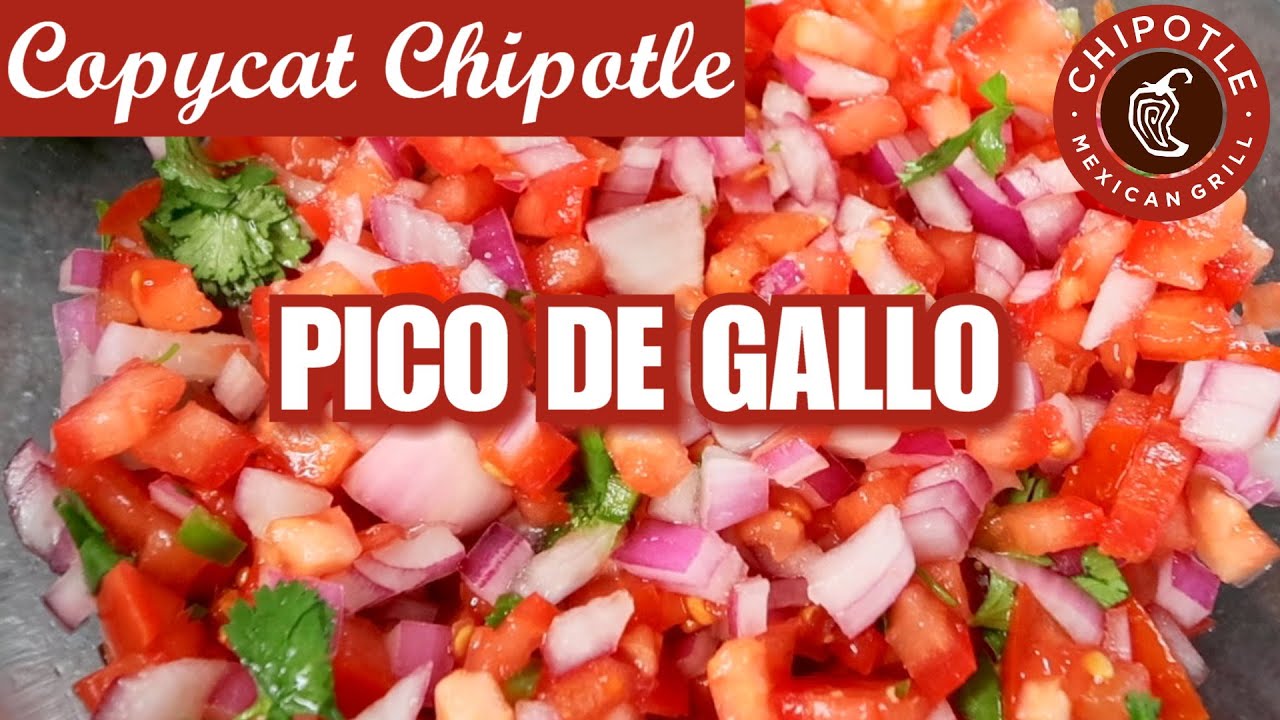
“Most homemade pico de gallo tastes like a tomato salad with lime squeezed over it. Chipotle's version doesn't. It has a low-frequency smokiness underneath the brightness that makes you keep reaching for chips. That depth comes from one ingredient — chipotle in adobo — used in a very specific quantity. Too little and you don't taste it. Too much and it bulldozes everything else. The recipe below gets the ratio right.”
Why This Recipe Works
Pico de gallo is the most deceptively simple thing in Mexican cooking. Five ingredients, no heat, ten minutes. And yet almost every homemade version lands somewhere between watery tomato salad and aggressive onion bomb — competent, technically correct, completely forgettable.
Chipotle's version is different. There's a smokiness that sits underneath the brightness, a depth that makes you reach for the bowl again after you've already had enough. That character comes from a single ingredient used in a very specific way: one minced chipotle pepper from a can of chipotles in adobo, plus exactly one teaspoon of the sauce itself.
This is the detail most copycat recipes miss. They add the pepper. They skip the sauce — or they dump in three tablespoons of it and turn the whole bowl muddy. The pepper delivers concentrated heat and smoke. The adobo sauce delivers a different kind of smoke: deeper, more complex, slightly sweet from the tomato base it's packed in. Together, in these proportions, they create the tonal foundation that makes this pico taste like it came from somewhere.
The Tomato Question
Roma tomatoes are non-negotiable here, and the reason is structural. A standard vine tomato is roughly 40% water by usable weight. Romas run closer to 30%. That ten-point difference means the difference between a pico that holds its texture for twenty minutes and one that turns into tomato broth before you've finished the first bowl.
The dice size matters for the same reason. Uniform 1/4-inch cubes maximize the surface area-to-volume ratio in a way that lets the lime juice and salt penetrate without collapsing the cell structure. Bigger chunks stay dry in the center and watery at the cut edges. Smaller than 1/4 inch and you've essentially made a rough purée.
The Onion Correction
Raw red onion is the sharpest thing in this recipe and the most likely to overwhelm it. The fix is fast and often skipped: a quick cold water rinse of the minced onion before it goes into the bowl. Thirty seconds under the tap removes the most volatile sulfur compounds — the ones responsible for that acrid, eye-watering raw onion bite — while leaving the underlying sweetness and color intact. It costs you nothing and changes the finished dish meaningfully.
Why Resting Is Not Optional
The fifteen to twenty minute rest at room temperature is where this recipe actually happens. Osmosis pulls liquid from the tomatoes. The lime acid works into the onion and mellows it. The cumin and smoked paprika — both fat-soluble — begin to dissolve into the olive oil and distribute through the bowl. The chipotle smoke migrates outward from the pepper pieces into the surrounding tomato.
Mix and immediately serve and you get a bowl of disconnected ingredients that happen to be in the same container. Rest it properly and you get a unified condiment with a coherent flavor arc — bright acid up front, herbal cilantro in the middle, smoke and heat at the finish.
A sharp chef's knife isn't a luxury here — it's the difference between clean-cut tomato cells and crushed ones. Crushed cells weep water immediately. Clean cuts hold their moisture until the rest period draws it out deliberately. This is why prep equipment matters even for no-cook recipes.
The Smoke Architecture
The layering of chipotle pepper, adobo sauce, smoked paprika, and cumin creates smoke at three distinct intensity levels. Cumin is the most restrained — earthy and slightly bitter, barely registers as smoke but adds a savory floor. Smoked paprika is the middle register: identifiably smoky, not spicy, bridges the fresh tomato to the chipotle. The chipotle itself is the ceiling: hot, intensely smoky, funky from the adobo fermentation process.
Without all three layers, the smoke reads as a single note. With them, it reads as texture — something that develops as you eat rather than announcing itself immediately and fading.
That's the gap between this and the version you've been making.
Where Beginners Mess This Up
Before we start, read this. These are the 4 reasons your copycat chipotle pico de gallo (the ratio is everything) will fail:
- 1
Using watery tomatoes: Beefsteak and vine tomatoes have high water content that turns your pico into a soup within minutes of mixing. Roma tomatoes are the standard for a reason — their flesh-to-juice ratio is higher, which means you get body and chew instead of a puddle. Seed them if you want it even less watery.
- 2
Skipping the rest time: Fresh pico mixed and immediately served tastes raw and disconnected — the tomato, onion, lime, and chipotle are all performing separately. Fifteen to twenty minutes at room temperature lets osmosis pull moisture from the tomatoes and the acid from the lime work into the onion. The result is a coherent, unified flavor. Do not skip this step.
- 3
Over-mincing the cilantro: Cilantro that's been chopped into a paste releases chlorophyll and turns bitter. You want rough, irregular pieces — just enough to break up the leaves so they release aroma, not so much that you're making herb paste. A few confident strokes of the knife, then stop.
- 4
Misreading the chipotle heat: The chipotle pepper and the adobo sauce are two different intensity levels. The pepper itself is intensely smoky and moderately hot. The sauce is smokier, more concentrated, and saltier. This recipe uses both deliberately — remove the pepper's seeds before mincing if you want smoke without the full burn.
The Video Reference Library
Want to see it in action? Here are the exact videos we analyzed and combined to build this foolproof recipe translation:
The source video for this technique — clear breakdown of the chipotle-to-adobo ratio and how the resting period changes the final flavor profile.
🛠️ Core Equipment
- Sharp chef's knifeUniform small dice is the entire texture strategy in pico. A dull knife crushes tomato cells instead of cutting them cleanly, releasing excess water and turning your salsa soupy before it even rests.
- Citrus juicerHand-squeezing lime rarely extracts full juice and introduces seeds into the bowl. A simple handheld juicer doubles the yield per lime and keeps the seeds out.
- Medium mixing bowlWide enough to fold ingredients without crushing the tomato dice. You need lateral movement, not vertical pressing — a deep bowl forces you to stir from the top and bruise everything at the bottom.
Copycat Chipotle Pico de Gallo (The Ratio Is Everything)
🛒 Ingredients
- ✦4 medium Roma tomatoes, finely diced
- ✦1/2 cup red onion, finely minced
- ✦1/4 cup fresh cilantro, roughly chopped
- ✦2 tablespoons fresh lime juice
- ✦1 chipotle pepper in adobo sauce, minced
- ✦1 teaspoon adobo sauce from the can
- ✦1 jalapeño pepper, seeded and minced
- ✦1 clove garlic, minced
- ✦1/4 teaspoon sea salt
- ✦1/8 teaspoon black pepper
- ✦1 tablespoon extra virgin olive oil
- ✦1/2 teaspoon cumin
- ✦1/4 teaspoon smoked paprika
- ✦1 tablespoon diced serrano pepper (optional)
- ✦2 tablespoons fresh corn kernels (optional)
👨🍳 Instructions
01Step 1
Wash the Roma tomatoes under cool running water and pat dry.
02Step 2
Core each tomato and dice into uniform 1/4-inch pieces, collecting any accumulated juice in a separate small bowl.
03Step 3
Peel and finely mince the red onion.
04Step 4
Wash the cilantro, pat dry, strip the leaves from the stems, and chop roughly into small but not pulverized pieces.
05Step 5
Squeeze limes to collect 2 tablespoons of fresh juice, straining out seeds.
06Step 6
Remove one chipotle pepper from the can using a fork. Slice it open, scrape out most of the seeds, then mince finely. Measure 1 teaspoon of the adobo sauce separately.
07Step 7
Slice the jalapeño lengthwise, remove the white membrane and seeds with the tip of your knife, then dice into small pieces.
08Step 8
Peel the garlic clove, press it flat with the side of your knife blade, then mince finely.
09Step 9
In a medium mixing bowl, combine the diced tomatoes with their juices, red onion, cilantro, minced chipotle, and adobo sauce.
10Step 10
Add the lime juice, jalapeño, garlic, salt, black pepper, and olive oil. Sprinkle in the cumin and smoked paprika.
11Step 11
Fold all ingredients together gently using a wooden spoon or wide spatula. Do not stir vigorously — you are combining, not crushing.
12Step 12
Taste and adjust: more lime for brightness, more salt for depth, more adobo sauce for smoke.
13Step 13
If using serrano or corn, fold them in now.
14Step 14
Transfer to a serving bowl and let rest at room temperature for 15-20 minutes before serving.
15Step 15
Serve as a topping for burrito bowls, alongside tortilla chips, or as a condiment for grilled proteins.
Nutrition Per Serving
Estimates based on standard preparation. Adjustments alter macros.
🔄 Substitutions
Instead of Red onion...
Use White onion plus 1 tablespoon red wine vinegar
Milder and slightly sweeter. The vinegar reintroduces the complexity and acidity the red onion naturally carries. Works well if you find raw red onion too sharp.
Instead of Chipotle in adobo...
Use Smoked dried chipotle pepper rehydrated in hot water for 20 minutes
Lower sodium and full control over the spice level. The dried version has a cleaner, more concentrated smoke. Skip the adobo sauce and add 1/4 teaspoon extra smoked paprika to compensate for the missing depth.
Instead of Sea salt...
Use 1 tablespoon nutritional yeast
Cuts sodium by roughly 35% while adding umami and B vitamins. The flavor shift is subtle but noticeable — slightly nuttier. Works well if you're watching sodium intake.
Instead of Roma tomatoes...
Use Heirloom or locally-sourced tomatoes at peak season
When heirlooms are genuinely in season, they're superior in flavor complexity and antioxidant content. Off-season heirlooms from a supermarket are often worse than Romas — don't substitute just to substitute.
🧊 Storage & Reheating
In the Fridge
Store in an airtight container for up to 3 days. The flavors peak around 24 hours. Drain off accumulated liquid before serving if it's been sitting.
In the Freezer
Not recommended. Freezing collapses the tomato cells and turns the texture to mush on thaw. Fresh pico does not freeze well.
Reheating Rules
No reheating needed or appropriate. Serve cold or at room temperature directly from the fridge.
❓ Frequently Asked Questions
Why does my pico de gallo get watery so fast?
Salt draws moisture out of the tomatoes through osmosis, and so does lime juice. This is unavoidable — but you can manage it. Use Roma tomatoes (lower water content), seed them before dicing, and don't mix in the salt until close to serving time. Draining the accumulated liquid before serving also helps significantly.
Is this actually what Chipotle uses?
The flavor profile is a close approximation built from their publicly available ingredient lists and the dominant YouTube reverse-engineering attempts. Chipotle's actual prep ratios are proprietary. What this recipe nails is the smoky-acid balance that distinguishes their version from generic pico — which is the part that actually matters.
Can I make this without chipotle pepper and just use jalapeño?
Technically yes, but you'll get a completely different condiment. The chipotle is what gives this pico its low smoky undertone. Without it, you have a fresh jalapeño salsa — good, but not the same character. If you don't want the heat, use just the adobo sauce (1 teaspoon) and skip the minced pepper. You get the smoke with much less burn.
How fine should the dice be?
Roughly 1/4 inch on all components. You want each chip scoop to contain a little of everything — tomato, onion, cilantro, pepper — which requires uniformity. Larger chunks mean some bites are all tomato, others are a mouthful of raw onion. Smaller than 1/4 inch and you're heading toward a paste.
Do I need the olive oil?
It's not traditional in most pico recipes, but it's here for a reason. Fat carries fat-soluble flavor compounds — including the capsaicin from the chipotle and the terpenes in the cumin — across the entire bowl rather than leaving them concentrated in their original ingredients. One tablespoon is enough to do the job without making the salsa oily.
Can I use this on tacos, not just bowls?
It's better on tacos than Chipotle's intended use case. The smokiness pairs particularly well with grilled fish tacos and carne asada. The lime and cilantro cut through fatty proteins more effectively than a cooked salsa roja.
The Science of
Copycat Chipotle Pico de Gallo (The Ratio Is Everything)
We turned everything on this page into a beautiful, flour-proof PDF cheat sheet. Print it out, stick it to your fridge, and never mess up your copycat chipotle pico de gallo (the ratio is everything) again.
*We'll email you the high-res PDF instantly. No spam, just perfectly cooked meals.
AlmostChefs Editorial Team
We translate the internet's most popular cooking videos into foolproof, beginner-friendly written recipes. We analyze multiple methods, test them in our kitchen, and engineer a single "Master Recipe" that gives you the best possible result with the least possible stress.