Copycat Chipotle Guacamole (The Smoky Secret They Don't Tell You)
A fresh, smoky, restaurant-quality guacamole that nails Chipotle's signature blend of ripe avocados, chipotle peppers in adobo, and lime. We reverse-engineered the exact balance of heat, smoke, and brightness — and it turns out the secret is embarrassingly simple.
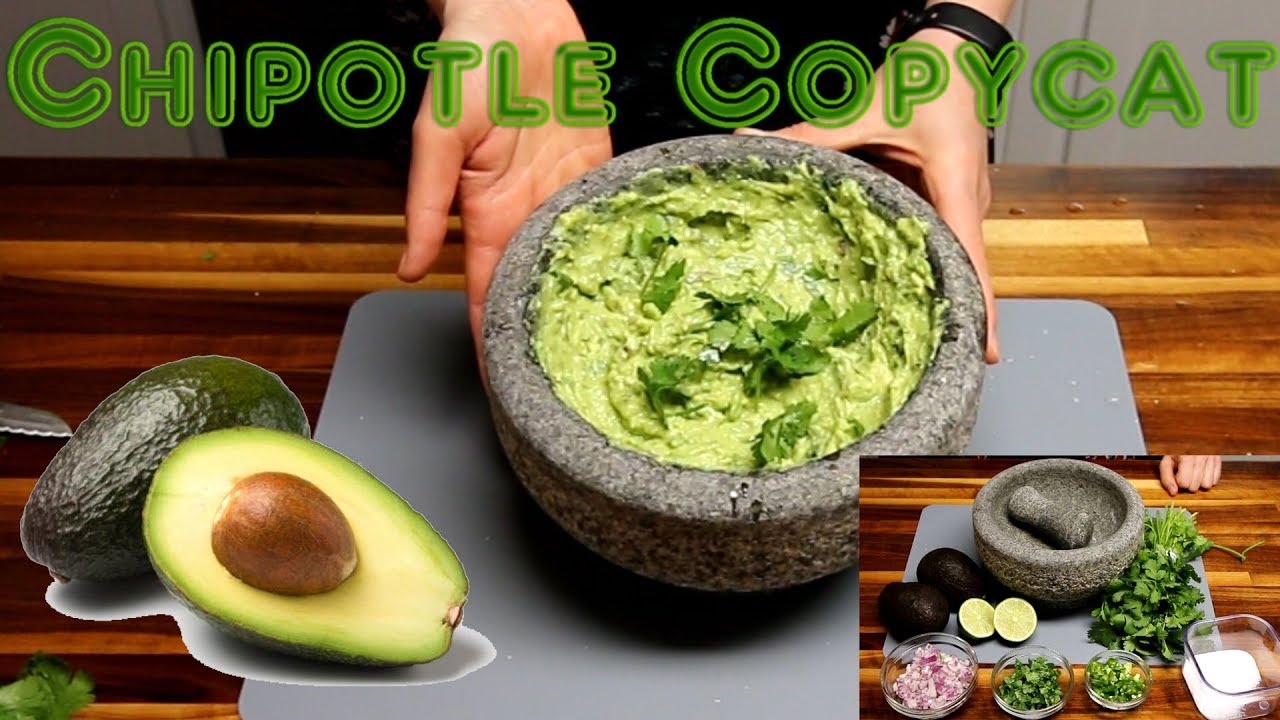
“Most homemade guacamole tastes like avocado with lime. Chipotle's guacamole tastes like a decision was made. That decision is adobo sauce — specifically, the dark, smoky liquid from a can of chipotle peppers that most recipes throw away. Add that one tablespoon and the whole thing snaps into focus. This is the copycat recipe that actually tastes like the one that costs $2.75 extra.”
Why This Recipe Works
Guacamole is not complicated. What makes Chipotle's version feel different from the bowl you throw together at home is one ingredient most copycat recipes discard: the adobo sauce.
The Adobo Advantage
Chipotle peppers come packed in adobo — a dark, vinegary sauce of dried chilis, tomato, garlic, and spices that's been reducing and concentrating for weeks in the can. Most recipes call for mincing the pepper and dumping the liquid down the drain. That's where the recipe goes wrong.
That one tablespoon of adobo sauce is carrying layers of umami, smoke, and subtle heat that the pepper alone can't deliver. It thins the guacamole slightly and coats every piece of avocado with complexity from the first fold. Without it, you have avocado salsa. With it, you have something that tastes like it came from a professional prep kitchen.
Avocado Selection Is Half the Battle
No technique saves an underripe avocado. The flesh of an unripe Hass is starchy, faintly bitter, and refuses to mash into anything creamy — it just breaks into waxy chunks that sit in the bowl looking defeated. Ripe avocados yield to gentle thumb pressure, peel cleanly from their skin, and mash with almost no effort into the slightly rough, chunky texture Chipotle actually uses.
The mistake most people make is buying avocados on the day they plan to make guacamole. Buy them two days ahead and leave them on the counter. Refrigeration halts ripening — it does not accelerate it. If your avocados went into the fridge early, they may never reach proper ripeness, which means your guacamole was already lost at the grocery store.
The Texture Decision
Chipotle's guacamole is not smooth. It's not whipped. It's not processed. It's deliberately chunky — you can see individual pieces of tomato and onion and avocado throughout. This matters because texture contrast is what makes each bite interesting. When everything is the same consistency, the palate flatlines.
The fork is the right tool here. A molcajete is better if you have one — the volcanic rock surface ruptures avocado cells differently than metal tines, producing a creamier base while still leaving visible chunks. A food processor is the wrong tool entirely: it homogenizes everything in four seconds and turns guacamole into a smooth paste that tastes blander than the sum of its parts.
The Honey Question
Half a teaspoon of honey appears in this recipe and immediately raises eyebrows. Chipotle's publicly released recipe doesn't list it. But their guacamole has a subtle smoothness — a rounded quality that raw lime and salt alone don't produce. A trace of honey closes the gap between sharp and balanced, between aggressively acidic and genuinely craveable. You should not taste sweetness. If you do, you used too much.
Oxidation Is Inevitable — Manage It
Avocados brown because of enzymatic oxidation: the moment the flesh is exposed to oxygen, polyphenol oxidase enzymes react with phenolic compounds to produce brown pigments. Lime juice slows this by lowering the pH and disrupting enzyme activity — but it doesn't stop it. The only reliable prevention during storage is eliminating air contact entirely, which means pressing plastic wrap directly onto the surface of the dip, not loosely over the bowl.
Make this fresh and serve it within two hours. Guacamole is not a make-ahead dish. It is a make-now dish. Plan accordingly.
Where Beginners Mess This Up
Before we start, read this. These are the 4 reasons your copycat chipotle guacamole (the smoky secret they don't tell you) will fail:
- 1
Using underripe avocados: An underripe avocado is not guacamole waiting to happen — it's a lost cause. The flesh is starchy, bitter, and won't mash to a creamy consistency no matter how hard you work it. Hass avocados should yield to gentle thumb pressure, not firm up like a tennis ball. If they're not ready, leave them on the counter for 24-48 hours. Do not refrigerate them to rush the process.
- 2
Skipping the adobo sauce: Most copycat recipes call for the minced chipotle pepper and ignore the sauce. That's the mistake. The adobo sauce is where the deep, smoky complexity lives — it's been absorbing chili, tomato, vinegar, and garlic flavor for weeks. One tablespoon transforms this from avocado salsa into something that actually tastes like Chipotle. Do not skip it.
- 3
Overmixing into a paste: Chipotle's guacamole has texture — you can see the chunks of avocado, tomato, and onion. If you mash everything into a uniform paste, you lose the contrast that makes each bite interesting. Mash the avocado first, then fold everything else in with a spatula. Fold, don't stir.
- 4
Making it too far in advance: Guacamole oxidizes fast. The lime juice slows this down but doesn't stop it. Make it maximum two hours ahead, press plastic wrap directly onto the surface to eliminate air contact, and don't add the tomato until you're ready to serve — tomato liquid accelerates browning.
The Video Reference Library
Want to see it in action? Here are the exact videos we analyzed and combined to build this foolproof recipe translation:
The source video for this recipe. Clear technique for achieving the right mash texture and guidance on balancing the chipotle heat without overwhelming the avocado.
🛠️ Core Equipment
- Medium mixing bowlWide enough to mash and fold without flinging avocado across your kitchen. Shallow and wide beats deep and narrow here.
- Fork or potato masherA fork gives you more control over texture than a food processor, which turns guacamole into baby food in seconds. Mash in short strokes and stop when you still see visible chunks.
- Molcajete (optional)The traditional volcanic rock mortar crushes avocado differently than a fork — it ruptures the cell walls more evenly, creating a creamier base. Not required, but the texture difference is real.
Copycat Chipotle Guacamole (The Smoky Secret They Don't Tell You)
🛒 Ingredients
- ✦3 ripe Hass avocados
- ✦2 tablespoons fresh lime juice
- ✦1 tablespoon minced fresh cilantro
- ✦1 chipotle pepper in adobo sauce, minced
- ✦1 tablespoon adobo sauce from the can
- ✦1/4 cup red onion, finely diced
- ✦1/4 cup Roma tomato, finely diced
- ✦2 cloves garlic, minced
- ✦1/2 teaspoon sea salt
- ✦1/4 teaspoon black pepper
- ✦1/8 teaspoon cumin
- ✦1 pinch cayenne pepper
- ✦2 tablespoons diced jalapeño (optional)
- ✦1 tablespoon finely chopped fresh parsley
- ✦1/2 teaspoon honey
👨🍳 Instructions
01Step 1
Cut the avocados in half lengthwise, remove the pit, and scoop the flesh into a medium bowl.
02Step 2
Add the fresh lime juice immediately to the bowl and mash the avocados to your desired consistency, leaving it slightly chunky rather than completely smooth.
03Step 3
Finely mince the chipotle pepper from the adobo can and add it along with one tablespoon of the adobo sauce to the mashed avocados.
04Step 4
Fold in the diced red onion, Roma tomato, minced garlic, cilantro, and parsley until evenly distributed throughout the guacamole.
05Step 5
Sprinkle the sea salt, black pepper, cumin, and cayenne pepper over the mixture and gently fold to combine without overmixing.
06Step 6
Taste and adjust the lime juice, salt, or chipotle heat to your preference. Flavors develop slightly as it sits, so slightly under-seasoned is correct at this stage.
07Step 7
If using jalapeño for extra heat, add it now and fold gently to incorporate.
08Step 8
Stir in the honey to balance the smoky heat and round out the flavors.
09Step 9
Transfer to a serving bowl. Serve immediately with tortilla chips, or cover tightly with plastic wrap pressed directly onto the surface of the guacamole and refrigerate for up to two hours.
10Step 10
If making ahead, nestle the avocado pit in the center of the guacamole to help slow surface browning until ready to serve.
Nutrition Per Serving
Estimates based on standard preparation. Adjustments alter macros.
🔄 Substitutions
Instead of Sea salt...
Use Potassium chloride salt substitute (1/4 teaspoon)
Slightly different mineral taste profile but meaningfully lower sodium. Good option for anyone managing blood pressure.
Instead of Red onion...
Use Green onion or scallion (3 tablespoons)
Softer, milder flavor that's easier to digest. Less pungent in the finished dip. Good swap for anyone who finds raw red onion overpowering.
Instead of Adobo sauce...
Use Smoked paprika (1/2 teaspoon) plus extra lime juice (1 teaspoon)
A workable substitute when you don't have chipotles in adobo. Provides smokiness without the heat. The flavor is flatter and less complex, but it holds the dish together.
Instead of 3 Hass avocados...
Use 2 Hass avocados plus 1/2 cup Greek yogurt
Reduces calorie density while adding protein and probiotics. Slightly tangier, fluffier texture that pairs well with the smoky chipotle. The modification version of this recipe.
🧊 Storage & Reheating
In the Fridge
Press plastic wrap directly onto the surface of the guacamole — not over the bowl, onto the dip itself — to eliminate air contact. Stores for up to 2 hours before browning becomes noticeable. Best eaten fresh.
In the Freezer
Guacamole does not freeze well. The avocado cell structure breaks down when frozen and thawed, producing a watery, grainy mess. Don't attempt it.
Reheating Rules
No reheating needed or recommended. This is a cold dip served at room temperature. If refrigerated, let it sit out for 10 minutes before serving to take the chill off.
❓ Frequently Asked Questions
Why does my guacamole turn brown so fast?
Browning is oxidation — avocado flesh reacts with oxygen the moment the skin is broken. Lime juice slows it significantly (the acid disrupts the enzymatic reaction), but pressing plastic wrap directly onto the surface of the dip is the only reliable way to prevent it during storage. The avocado pit trick helps but is mostly folklore — it only protects the area directly under the pit.
How much chipotle pepper should I use if I don't like heat?
Start with a quarter of one chipotle pepper — or skip the pepper entirely and use only the adobo sauce. The sauce carries the smoky flavor with significantly less heat than the pepper itself. Taste as you go and add more in small increments.
Can I make this without cilantro?
Yes. For roughly 10% of people, cilantro tastes like soap due to a specific genetic variant in olfactory receptors. Substitute flat-leaf parsley in equal amounts — it provides the fresh green flavor without the polarizing soapy note. The recipe already includes parsley as a secondary herb, so simply increase that amount.
Is there actually honey in Chipotle's guacamole?
Chipotle's official recipe, which they've released publicly, does not list honey. But their guacamole has a subtle roundness and sweetness that plain lime and salt don't account for. A small amount of honey — less than half a teaspoon — replicates this without tasting sweet. You can omit it if you prefer a sharper, more acidic profile.
Why is my guacamole watery?
Two likely culprits: overripe avocados that have gone past their peak, or tomatoes with high water content. Use Roma tomatoes, dice them small, and blot them briefly on a paper towel before adding. If your avocados are very soft, reduce the lime juice slightly — overripe fruit needs less acid to achieve the right consistency.
How do I know if an avocado is ripe enough?
Hold the avocado in your palm and apply gentle pressure with your thumb. A ripe avocado yields slightly — like pressing the fleshy base of your thumb. If it's firm with no give, it needs 1-2 more days. If it feels mushy or the skin indents deeply, it's overripe and the flesh will be stringy or brown inside. Check under the stem nub: if it pulls off easily and reveals green underneath, you're good.
The Science of
Copycat Chipotle Guacamole (The Smoky Secret They Don't Tell You)
We turned everything on this page into a beautiful, flour-proof PDF cheat sheet. Print it out, stick it to your fridge, and never mess up your copycat chipotle guacamole (the smoky secret they don't tell you) again.
*We'll email you the high-res PDF instantly. No spam, just perfectly cooked meals.
AlmostChefs Editorial Team
We translate the internet's most popular cooking videos into foolproof, beginner-friendly written recipes. We analyze multiple methods, test them in our kitchen, and engineer a single "Master Recipe" that gives you the best possible result with the least possible stress.