Copycat Chipotle Fajita Veggies (Better Than the Real Thing)
Bell peppers and onions sautéed in a smoky chipotle spice blend with charred edges, caramelized sweetness, and a hit of lime — built to taste exactly like the restaurant version but at home, cheaper, and with less sodium. We reverse-engineered the technique so you get the char without the guesswork.
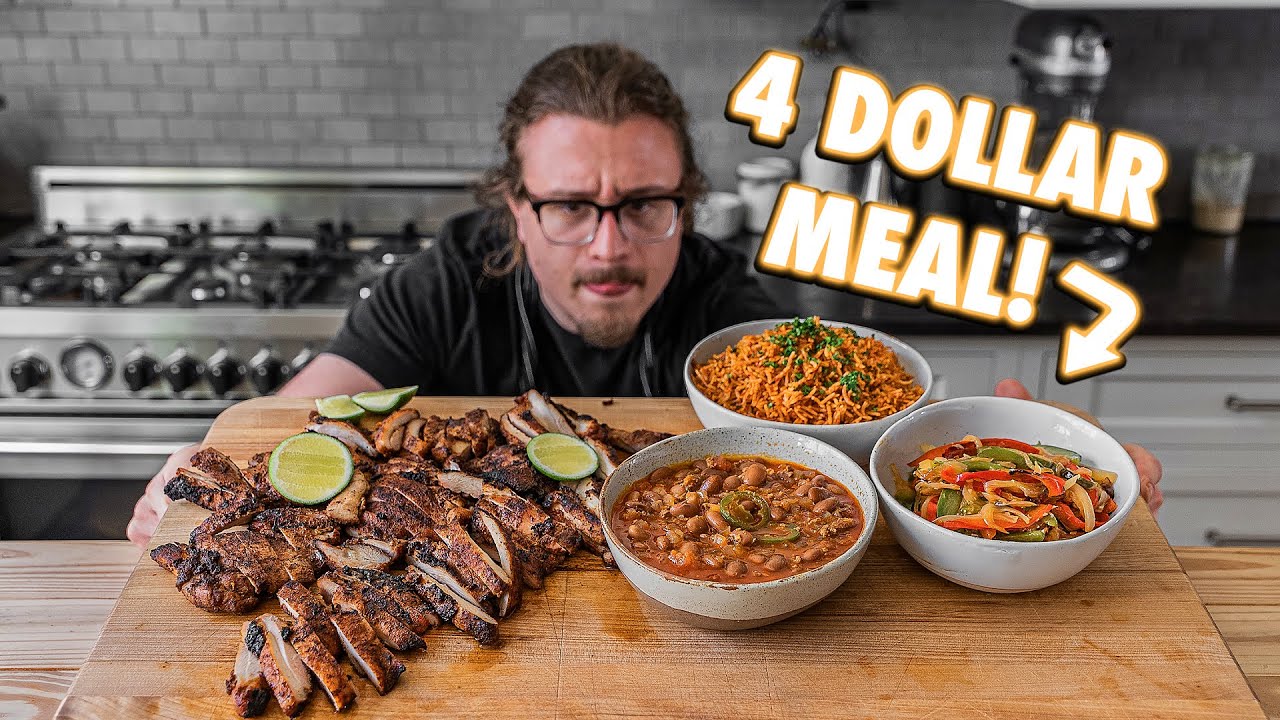
“Chipotle's fajita veggies are not complicated. They are peppers and onions. But somehow, every home attempt comes out either soggy and steamed or burnt and bitter — never that specific tender-crisp, charred-at-the-edges result that makes you want to eat them straight from the bowl. The secret is not a special ingredient. It's knowing when to touch the pan and when to leave it alone.”
Why This Recipe Works
Chipotle's fajita veggies have three million copycat recipes on the internet and almost all of them miss the point. They get the ingredient list right — peppers, onion, some chipotle spice — and still produce something that tastes like cafeteria stir-fry. The gap between the restaurant version and the home version is not about what goes in the pan. It's about how the pan is managed.
The Char Is Not Optional
The signature of Chipotle's fajita veggies is the slightly blackened edges. Not burnt. Not uniformly browned. Charred at the tips and corners while the center stays tender-crisp. This texture gradient only happens one way: sustained high heat, minimum contact, and patience.
Most home cooks keep the heat at medium and stir constantly because they're afraid of burning things. This is the correct instinct for scrambled eggs. It is the wrong instinct for vegetables. At medium heat, the moisture inside the peppers and onions evaporates faster than the surface can brown, and you get gray, steamed vegetables with no flavor development. You need the pan hot enough that moisture evaporates instantly on contact, allowing the Maillard reaction to proceed uninterrupted.
Set the heat to medium-high. Heat the oil until it shimmers. Add the vegetables and leave them alone. The sound should be aggressive — a continuous, loud sizzle. If it sounds polite, the pan is too cold. If it sounds like it's about to catch fire, reduce slightly. Loud, sustained sizzle is correct.
Why the Spice Blend Goes in Last
Chipotle powder and smoked paprika are two of the most heat-sensitive spices in a standard pantry. Added at the start of a high-heat cook, they burn before the vegetables have time to develop any char. Burnt cumin tastes like ash. Burnt chipotle tastes like regret.
The solution is counterintuitive: cook the vegetables first, then add the spices. By the time the spice blend goes in, the vegetables are already coated in oil and have given up most of their surface moisture. The spices bloom in the residual oil — becoming fragrant and toasted rather than burnt — and coat every piece evenly.
This is a different technique from most spiced vegetable recipes, which incorporate dry spices into a raw marinade. Here, the spices are a finish, not a foundation. The difference in flavor is significant.
The Acid Architecture
Lime juice and apple cider vinegar go in off the heat, and this is non-negotiable. Both are volatile — their active aromatic compounds evaporate quickly at cooking temperatures. Added to a screaming hot pan, the brightness disappears in seconds and all you're left with is residual acidity without flavor.
Off the heat, the acid clings to the oil-coated vegetables and stays there. The lime zest — which contains concentrated essential oils from the lime skin — reinforces the citrus note in a form that doesn't evaporate. Together they cut through the smokiness of the chipotle and paprika, creating the contrast that makes the dish taste balanced rather than one-dimensionally spiced.
A cast iron skillet makes this entire sequence easier. Cast iron retains heat so aggressively that even after you turn off the burner, the pan stays hot enough to slightly wilt the cilantro garnish. The residual heat helps the acid absorb without actively cooking off the aromatics.
Vegan Without Compromise
This recipe happens to be vegan, but that's structural, not aspirational. Bell peppers and onions cooked at high heat in good oil with a well-built spice blend do not need dairy or meat to taste complete. The depth comes from the char, the spice bloom, and the acid finish — techniques, not ingredients.
The health advantages are real: lower sodium than the restaurant version, high antioxidant load from the multi-colored bell peppers, and anti-inflammatory compounds from cumin, garlic, and the chipotle pepper itself. But none of that matters at the table. What matters is that the char is there, the spices are fragrant, and the lime makes you reach for more.
Where Beginners Mess This Up
Before we start, read this. These are the 4 reasons your copycat chipotle fajita veggies (better than the real thing) will fail:
- 1
Crowding the pan: This is the single reason most home fajita veggies turn out soggy. When peppers and onions overlap, the moisture they release has nowhere to go — it pools in the pan and steams the vegetables instead of searing them. You need a large skillet and enough space for a single layer. If your pan isn't big enough, cook in two batches.
- 2
Stirring too early: The char is the flavor. It only develops when the vegetables make uninterrupted contact with a hot surface for 2-3 minutes. Stirring constantly keeps moving the vegetables off the hot spots, preventing any browning at all. Add them to the pan, press them down slightly, and walk away.
- 3
Adding spices too early: Ground spices burn quickly at high heat. Adding the spice blend at the start of the cook means the chipotle powder and paprika turn acrid before the vegetables have a chance to char. Add the spice blend after the initial char is established — the vegetables are already coated with oil and will pick up the spices evenly without burning.
- 4
Skipping the acid finish: The apple cider vinegar and lime juice go in off the heat, not during cooking. Added while the pan is hot, the acid evaporates instantly and you lose the brightness that cuts through the smoky spice. Off-heat, it coats the vegetables and stays there.
The Video Reference Library
Want to see it in action? Here are the exact videos we analyzed and combined to build this foolproof recipe translation:
The source video that nails the spice balance and char technique. Pay close attention to when the spices go in and the immediate off-heat acid finish.
🛠️ Core Equipment
- Large cast iron skillet or heavy stainless steel panThis dish lives and dies by even, sustained high heat. Thin non-stick pans can't hold temperature when cold vegetables hit them — they drop immediately and you lose the char. Cast iron retains heat aggressively and gives you the restaurant-grade sear.
- Wide spatula or tongsYou need to toss the vegetables quickly and evenly after the initial char without mashing them. Tongs give you control without crushing the peppers.
- Small mixing bowlPre-mixing the spice blend before the cook means you can add everything in one pass. Measuring individual spices directly into a screaming hot pan is a recipe for burnt cumin.
Copycat Chipotle Fajita Veggies (Better Than the Real Thing)
🛒 Ingredients
- ✦2 large red bell peppers, sliced into ¼-inch strips
- ✦2 large yellow bell peppers, sliced into ¼-inch strips
- ✦1 large yellow onion, sliced into ¼-inch strips
- ✦2 tablespoons extra virgin olive oil
- ✦2 cloves garlic, minced
- ✦1 teaspoon chipotle powder
- ✦1 teaspoon smoked paprika
- ✦¾ teaspoon cumin
- ✦½ teaspoon garlic powder
- ✦½ teaspoon onion powder
- ✦½ teaspoon dried oregano
- ✦¼ teaspoon cayenne pepper
- ✦1 teaspoon sea salt
- ✦½ teaspoon black pepper
- ✦1 tablespoon apple cider vinegar
- ✦2 tablespoons fresh lime juice
- ✦½ teaspoon lime zest
- ✦1 tablespoon fresh cilantro, chopped
👨🍳 Instructions
01Step 1
Slice the red and yellow bell peppers in half lengthwise, remove seeds and membranes, and cut into ¼-inch thick strips. Peel the onion, halve lengthwise, and slice into ¼-inch strips.
02Step 2
In a small bowl, combine the chipotle powder, smoked paprika, cumin, garlic powder, onion powder, dried oregano, cayenne pepper, salt, and black pepper. Set aside.
03Step 3
Heat olive oil in a large cast iron skillet or heavy pan over medium-high heat until the oil shimmers and just begins to smoke at the edges.
04Step 4
Add the minced garlic and cook for 30 seconds, stirring constantly, until fragrant but not browned.
05Step 5
Add the sliced bell peppers and onions in a single layer. Press them down lightly with a spatula and leave them completely undisturbed for 2-3 minutes.
06Step 6
Stir the vegetables thoroughly and continue cooking for another 3-4 minutes, stirring occasionally, until the peppers and onions are softened with visible caramelized edges.
07Step 7
Sprinkle the spice mixture evenly over the vegetables and toss well to coat. Cook for 2-3 more minutes, stirring frequently, until the spices bloom and turn fragrant.
08Step 8
Remove the pan from heat. Immediately add the apple cider vinegar, lime juice, and lime zest. Toss gently to combine.
09Step 9
Taste and adjust seasoning with additional salt, pepper, or lime juice as needed.
10Step 10
Transfer to a serving bowl and garnish with fresh cilantro. Serve immediately.
Nutrition Per Serving
Estimates based on standard preparation. Adjustments alter macros.
🔄 Substitutions
Instead of Extra virgin olive oil...
Use Avocado oil
Higher smoke point than olive oil — better for the aggressive high-heat sear this recipe demands. Neutral flavor won't compete with the spice blend.
Instead of Chipotle powder...
Use Smoked paprika (increase to 2 teaspoons) plus ¼ teaspoon ancho chili powder
Less heat, similar smokiness. Good option if you're cooking for people sensitive to spice. The flavor profile shifts slightly earthier.
Instead of Apple cider vinegar...
Use Fresh lemon juice
Brighter, sharper acid. Works well but loses the subtle fermented depth that apple cider vinegar brings. Use the same quantity.
Instead of Red and yellow bell peppers...
Use Orange bell pepper and poblano pepper
Poblano adds mild, earthy heat and a slightly thicker texture that holds up well to high-heat cooking. The color contrast is less vivid but the flavor is more complex.
🧊 Storage & Reheating
In the Fridge
Store in an airtight container for up to 4 days. The flavors actually deepen overnight as the spices continue to permeate the vegetables.
In the Freezer
Freeze in a single layer on a baking sheet first, then transfer to a freezer bag for up to 2 months. Texture will soften after thawing — best used in cooked applications like quesadillas or egg scrambles rather than served as a standalone side.
Reheating Rules
Reheat in a hot dry skillet for 2-3 minutes, tossing occasionally. The skillet re-establishes some of the char. Microwave works but produces steamed, soft results — not the same dish.
❓ Frequently Asked Questions
Why do my fajita veggies always come out soggy?
Two causes, usually in combination: the pan wasn't hot enough before the vegetables went in, and the vegetables were crowded and overlapping. Both result in the vegetables steaming in their own moisture instead of searing. Use a large skillet, heat the oil until shimmering, and cook in a single layer without touching for the first 2-3 minutes.
Can I make this without chipotle powder?
Yes. Substitute with extra smoked paprika plus a small amount of ancho chili powder. You'll lose some heat and the specific smoky-earthy note that chipotle brings, but the result is still a solid fajita-seasoned vegetable. Avoid using regular chili powder — it's a blend that introduces cumin and other flavors you've already added separately.
What's the best pan for this recipe?
A [cast iron skillet](/kitchen-gear/review/cast-iron-skillet) is ideal. It holds heat extremely well when cold vegetables hit it, which is the critical moment where other pans fail. Heavy stainless steel is a close second. Non-stick pans technically work but can't reach the temperatures needed for proper char.
Can I prep the vegetables ahead of time?
Yes — slice the peppers and onions up to 24 hours ahead and store covered in the fridge. Pre-mix the dry spice blend and keep in a small jar. When ready to cook, the whole recipe takes 12 minutes. Don't add the vinegar or lime juice until after cooking.
Is this actually what Chipotle uses?
Chipotle's official ingredient list for fajita veggies includes bell peppers, onion, rice bran oil, chipotle pepper, and a few basic spices. This recipe approximates the flavor using more accessible pantry ingredients and adds acid for brightness. The char technique and spice ratios are what make it taste right — not a secret proprietary ingredient.
How do I make this oil-free?
Replace the olive oil with 3 tablespoons of vegetable broth. Heat the broth until it reduces slightly before adding the garlic and vegetables. You won't get the same char, but the vegetables will cook through with some caramelization. Add an extra splash of broth if the pan dries out during cooking.
The Science of
Copycat Chipotle Fajita Veggies (Better Than the Real Thing)
We turned everything on this page into a beautiful, flour-proof PDF cheat sheet. Print it out, stick it to your fridge, and never mess up your copycat chipotle fajita veggies (better than the real thing) again.
*We'll email you the high-res PDF instantly. No spam, just perfectly cooked meals.
AlmostChefs Editorial Team
We translate the internet's most popular cooking videos into foolproof, beginner-friendly written recipes. We analyze multiple methods, test them in our kitchen, and engineer a single "Master Recipe" that gives you the best possible result with the least possible stress.