Crispy Chipotle Carnitas (The Copycat That Actually Works)
Slow-cooked pork shoulder rubbed in chipotle-adobo paste, braised until fall-apart tender, then crisped hard in cast iron for that signature dual texture. We analyzed the technique behind Chipotle's most popular protein and built a leaner, restaurant-quality version you can make at home in one vessel.
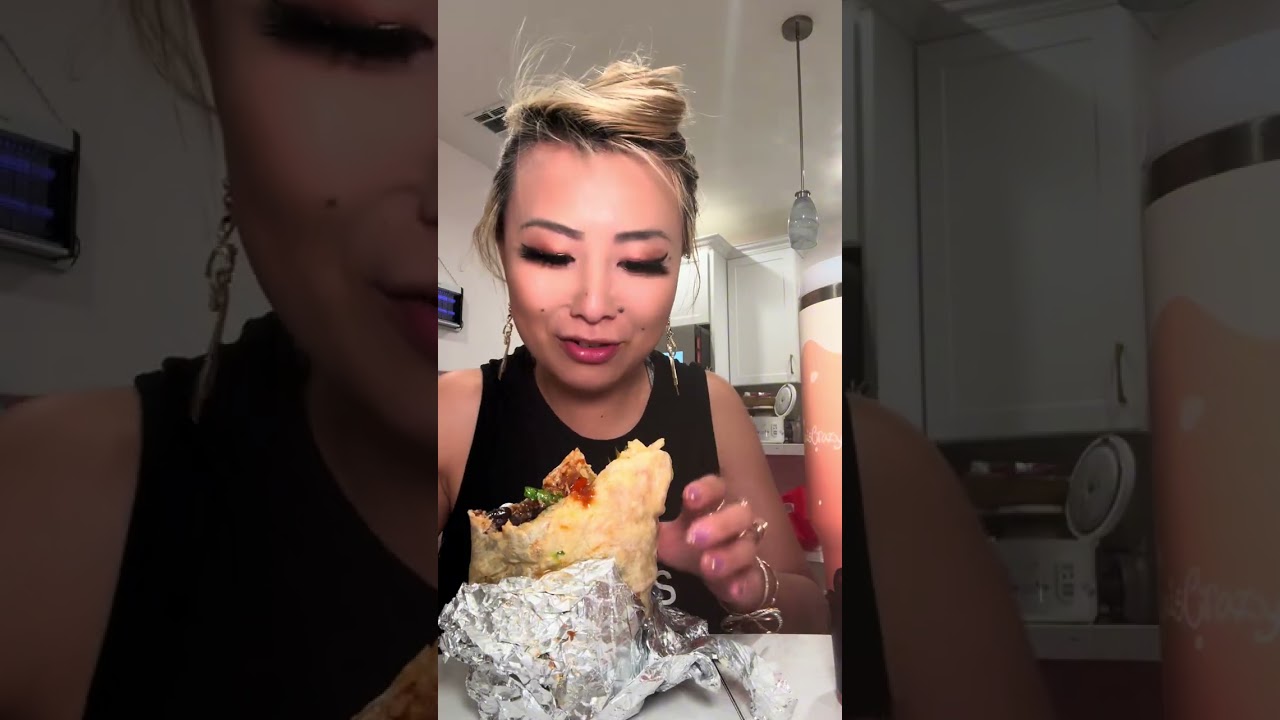
“Chipotle's carnitas outsell every other protein on the menu for a reason. The texture is engineered: shredded pork that's simultaneously tender inside and crackling-crisp at the edges. Most copycat recipes get one or the other. The secret is two-phase cooking — low and slow to break down collagen, followed by a screaming-hot cast iron finish that nobody skips. We also trimmed the sodium by nearly 40% without touching the flavor architecture.”
Why This Recipe Works
Carnitas is a test of restraint. The technique is almost insultingly simple — season pork, braise it for hours, shred it, crisp it — but every step has a failure mode that most recipes don't warn you about. Understanding why each stage works is what separates genuinely great carnitas from the dry, flat, one-dimensional versions that make people think they need to go to a restaurant to get it right.
The Cut Is Non-Negotiable
Pork shoulder contains roughly 30% connective tissue by weight, primarily collagen. This is the ingredient most home cooks see as a problem (the meat looks fatty and uneven) but is actually the entire point. When held at temperatures between 180°F and 205°F for several hours, collagen hydrolyzes into gelatin — a silky, moisture-retaining protein that coats every fiber and makes the pork feel rich and juicy rather than dry and mealy.
Pork loin has almost none of this connective tissue. It's lean, uniform, and completely wrong for carnitas. By hour three in a 300°F oven, pork loin is sawdust. Pork shoulder at the same time is just getting interesting.
Two-Phase Cooking Is the Whole Game
The braising phase and the crisping phase accomplish opposite things, and you need both. The braise breaks down collagen and renders fat slowly, producing pork that's tender all the way through. The cast iron finish dehydrates the surface rapidly through the Maillard reaction, creating the crackling exterior that makes each bite interesting.
Skip the crisping stage and you have pulled pork — which is fine, but it's not carnitas. The texture contrast is structural to the dish, not decorative. A cast iron skillet is ideal here because it holds its temperature when cold pork hits the surface. A thin pan drops 50 degrees on contact and you never recover the sear.
The Adobo Paste Architecture
Chipotle peppers in adobo sauce carry three flavor dimensions simultaneously: smoke from the drying process, heat from the capsaicin, and fermented umami from the tomato-vinegar base of the adobo. Mincing the peppers and combining them with the sauce into a paste ensures the flavors distribute evenly across every piece of pork rather than concentrating around the whole peppers.
The dry spice rub underneath the paste matters for the same reason layers matter in biryani or barbecue: depth. The oregano, cumin, and smoked paprika bloom against the hot meat surface during the braise. The adobo paste stays wetter and penetrates more slowly. Two layers, two flavor timelines, one coherent result.
The Braising Liquid Is Not a Byproduct
After 8-10 hours in the slow cooker, what's left in the vessel is concentrated pork gelatin, rendered fat, chipotle smoke, garlic, and onion. Most recipes tell you to drain the pork and move on. That's wrong. Reserve a cup of that liquid, toss it back with the shredded meat along with a splash of apple cider vinegar, and you've just given the carnitas a flavor bath that makes every strand cohesive rather than dry.
The apple cider vinegar is critical here too. Fat without acid tastes heavy and monotone. The vinegar cuts through the richness and creates the brightness that makes carnitas immediately craveable. It's a small addition with outsized impact.
Patience at the Skillet
The final crisping step is where most home cooks destroy the work they've spent 8 hours building. The instinct is to stir. The science says don't. Contact time between the pork and the hot cast iron skillet surface is what creates crust. Break that contact in the first three minutes and you've released steam that was building into char. The pork then steams itself soft again before the exterior can set.
Work in batches. Give each piece maximum surface contact. Walk away for three minutes. Then stir, give it two more minutes, and pull. The result is the dual-texture profile that makes this dish worth the time investment — tender in the center, crackling at the edges, deeply savory throughout.
Where Beginners Mess This Up
Before we start, read this. These are the 4 reasons your crispy chipotle carnitas (the copycat that actually works) will fail:
- 1
Skipping the dry rub before the adobo paste: The spice rub — oregano, cumin, smoked paprika, garlic powder — needs direct contact with the meat before the adobo paste goes on. If you mix everything together and slather it on at once, the dried spices never bloom properly and the flavor stays surface-level. Season the pork first, then coat with the chipotle paste.
- 2
Pulling the pork before it's truly fall-apart: Pork shoulder needs to reach an internal temperature of around 205°F for the collagen to fully convert to gelatin. At 190°F it pulls apart with effort but stays stringy. At 205°F it yields to a fork with zero resistance. If it resists at all, put it back. Another hour won't hurt it.
- 3
Crisping wet pork in a crowded pan: Steam is the enemy of crust. If you dump all the shredded pork into the skillet at once, the moisture can't escape and the meat steams instead of sears. Work in batches. Single layer, max contact with the pan, no stirring for the first 3 minutes. This is the step most people rush and ruin.
- 4
Discarding all the braising liquid: The cooking liquid is concentrated pork gelatin, chipotle smoke, and rendered fat. Reserving a cup and tossing it back with the shredded meat before crisping keeps the carnitas from drying out between the braising and serving stages. Throw all of it away and your final product will be dry.
The Video Reference Library
Want to see it in action? Here are the exact videos we analyzed and combined to build this foolproof recipe translation:
Inside look at the technique behind Chipotle's most popular protein. Key details on the braising liquid composition and the two-stage cook that creates their signature texture.
🛠️ Core Equipment
- Dutch oven or slow cookerThe pork needs to braise in a sealed, moist environment for 4-10 hours depending on method. A [Dutch oven](/kitchen-gear/review/dutch-oven) at 300°F gives you better browning potential and more flavor development than a slow cooker, but either works.
- Cast iron skilletNothing else produces the same crust. A [cast iron skillet](/kitchen-gear/review/cast-iron-skillet) retains heat across the entire surface so the pork sears immediately on contact. Stainless steel works. Non-stick will not — it can't hold the temperature needed.
- Fine-mesh strainerFor separating the braising liquid from the solids cleanly and quickly. You want pure, clear liquid, not onion pulp.
- Two forks or meat clawsShred while the pork is still hot — it tears along the grain more cleanly and evenly. Cold pork shreds into chunks, not strands.
Crispy Chipotle Carnitas (The Copycat That Actually Works)
🛒 Ingredients
- ✦3 pounds pork shoulder, cut into 3-inch chunks
- ✦2 teaspoons dried oregano
- ✦1.5 teaspoons ground cumin
- ✦1 teaspoon smoked paprika
- ✦1 teaspoon garlic powder
- ✦0.5 teaspoon ground black pepper
- ✦1 teaspoon sea salt
- ✦2 chipotle peppers in adobo sauce, minced
- ✦2 tablespoons adobo sauce from the can
- ✦1 medium onion, quartered
- ✦4 garlic cloves, smashed
- ✦1 cup low-sodium chicken broth
- ✦2 bay leaves
- ✦1 tablespoon apple cider vinegar
- ✦1 tablespoon olive oil for crisping
- ✦0.5 teaspoon cumin seeds for garnish
- ✦Lime wedges for serving
- ✦Fresh cilantro for garnish
👨🍳 Instructions
01Step 1
Pat the pork shoulder chunks completely dry with paper towels. Season all sides generously with dried oregano, cumin, smoked paprika, garlic powder, black pepper, and sea salt.
02Step 2
In a small bowl, combine the minced chipotle peppers with adobo sauce to form a thick paste.
03Step 3
Rub the chipotle-adobo paste evenly over all pork chunks, coating every surface thoroughly.
04Step 4
Add the quartered onion, smashed garlic cloves, bay leaves, and chicken broth to your slow cooker or Dutch oven.
05Step 5
Nestle the seasoned pork chunks into the aromatics, ensuring the broth partially covers the meat. Cover tightly.
06Step 6
Cook until the pork is completely fall-apart tender — it should yield to a fork with zero resistance. Remove from the cooking liquid and rest for 10 minutes.
07Step 7
Shred the pork using two forks while still hot, discarding any large pieces of fat. Pull along the grain for long, even strands.
08Step 8
Strain the cooking liquid through a fine-mesh strainer, reserving 1 cup and discarding the solids.
09Step 9
Return the shredded pork to the vessel with the reserved liquid and apple cider vinegar. Stir gently to combine.
10Step 10
Heat 1 tablespoon olive oil in a large cast iron skillet over medium-high heat until shimmering and nearly smoking.
11Step 11
Working in batches, spread carnitas in a single layer in the hot skillet. Cook for 3-4 minutes undisturbed, then stir and cook another 2-3 minutes until edges are golden brown and crispy.
12Step 12
Transfer the crisped carnitas to a serving bowl and repeat with remaining batches.
13Step 13
Garnish with fresh cilantro, toasted cumin seeds, and serve immediately with lime wedges.
Nutrition Per Serving
Estimates based on standard preparation. Adjustments alter macros.
🔄 Substitutions
Instead of Pork shoulder...
Use Pork butt (Boston butt)
Nearly identical cut — pork butt is actually the upper shoulder. Same cooking time, same texture. Interchangeable.
Instead of Chipotle peppers in adobo...
Use 1 tablespoon smoked paprika plus 0.5 teaspoon cayenne and 1 tablespoon tomato paste
Lacks the specific smoky complexity of dried jalapeños but approximates the heat level and color. Acceptable substitution in a pinch.
Instead of Low-sodium chicken broth...
Use Homemade pork or chicken bone broth
Adds gelatin that makes the braising liquid richer and gives the final carnitas a slightly lacquered quality. Upgrade, not just a swap.
Instead of Slow cooker or Dutch oven...
Use Instant Pot on slow cook setting
The pressure cook setting is NOT a substitute — it produces different texture. Use the slow cook function at low for 8-10 hours for comparable results.
🧊 Storage & Reheating
In the Fridge
Store in an airtight container with a few tablespoons of braising liquid for up to 4 days. The liquid keeps the pork from drying out.
In the Freezer
Freeze shredded, uncrisped pork in braising liquid for up to 3 months. Freeze in flat portions for faster thawing.
Reheating Rules
Re-crisp in a dry cast iron skillet over medium-high heat from cold. No oil needed — the fat in the pork is sufficient. Do not microwave if you value the texture.
❓ Frequently Asked Questions
Why is my carnitas dry and stringy instead of juicy?
Two likely causes: the pork didn't cook long enough for collagen to fully convert to gelatin, or you discarded all the braising liquid before shredding. The reserved liquid is what keeps the shredded meat moist between the braise and the crisp. Always add it back.
Can I make this in an Instant Pot?
Yes, but use the slow cook setting on low, not the pressure cook function. Pressure cooking produces a different fiber structure — the meat becomes soft throughout but never develops the same pull-apart quality that makes carnitas carnitas. If you're short on time, pressure cook at high for 90 minutes with a natural release, but the texture will be slightly different.
How do I get crispier edges?
Three things: make sure the pork is well-drained before it hits the skillet, work in small batches so moisture can escape, and don't stir for the first 3 minutes. A screaming-hot pan and patience are the only tools you need.
Is pork shoulder the same as pork butt?
They're from the same region of the animal — the upper front leg. Pork butt (Boston butt) is slightly higher up and contains a bit more fat marbling. Either works for carnitas and the cooking time is identical.
How close is this to the actual Chipotle recipe?
Very close on flavor, nearly identical on technique. Chipotle uses a proprietary spice blend that includes juniper berries, which most copycat recipes omit. Add 4-5 crushed juniper berries to the braising liquid if you want to close that gap.
Can I use a leaner cut like pork loin?
You can, but you shouldn't. Pork loin has almost no connective tissue or intramuscular fat, so it doesn't benefit from low-and-slow cooking the same way shoulder does. It will dry out significantly by hour 4. If loin is all you have, reduce braising time to 2.5 hours at 300°F and check frequently.
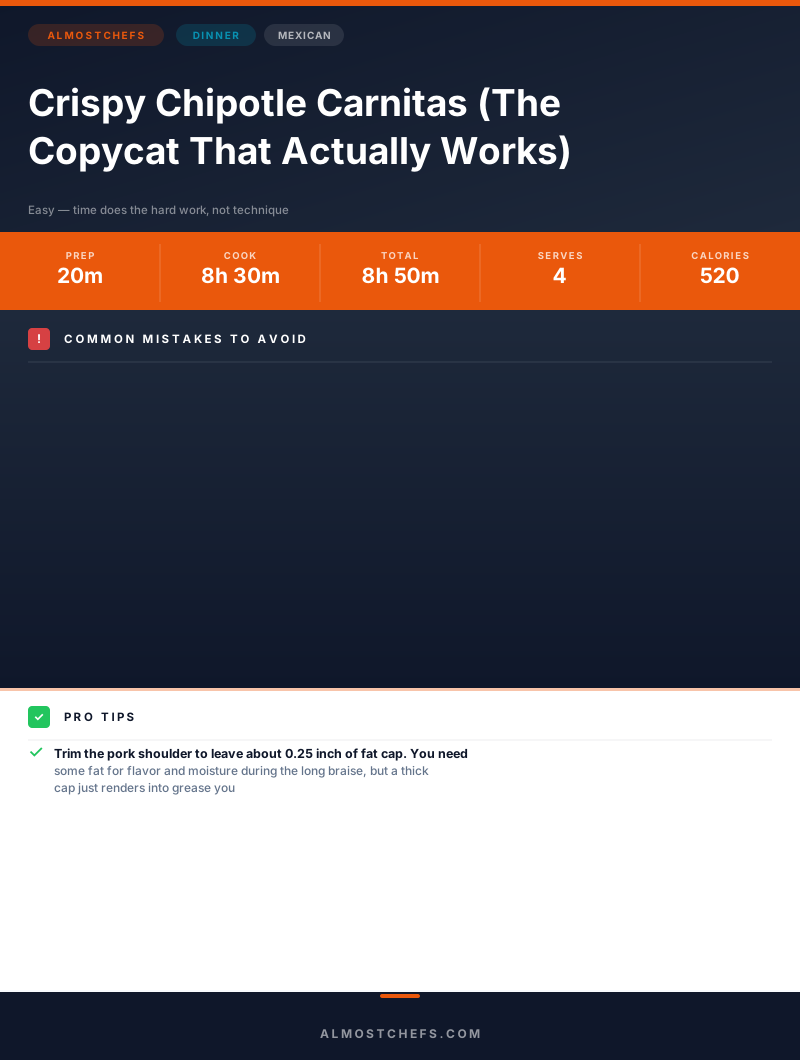
The Science of
Crispy Chipotle Carnitas (The Copycat That Actually Works)
We turned everything on this page into a beautiful, flour-proof PDF cheat sheet. Print it out, stick it to your fridge, and never mess up your crispy chipotle carnitas (the copycat that actually works) again.
*We'll email you the high-res PDF instantly. No spam, just perfectly cooked meals.
AlmostChefs Editorial Team
We translate the internet's most popular cooking videos into foolproof, beginner-friendly written recipes. We analyze multiple methods, test them in our kitchen, and engineer a single "Master Recipe" that gives you the best possible result with the least possible stress.