Crispy Chilli Paneer (The Indo-Chinese Appetizer You'll Make on Repeat)
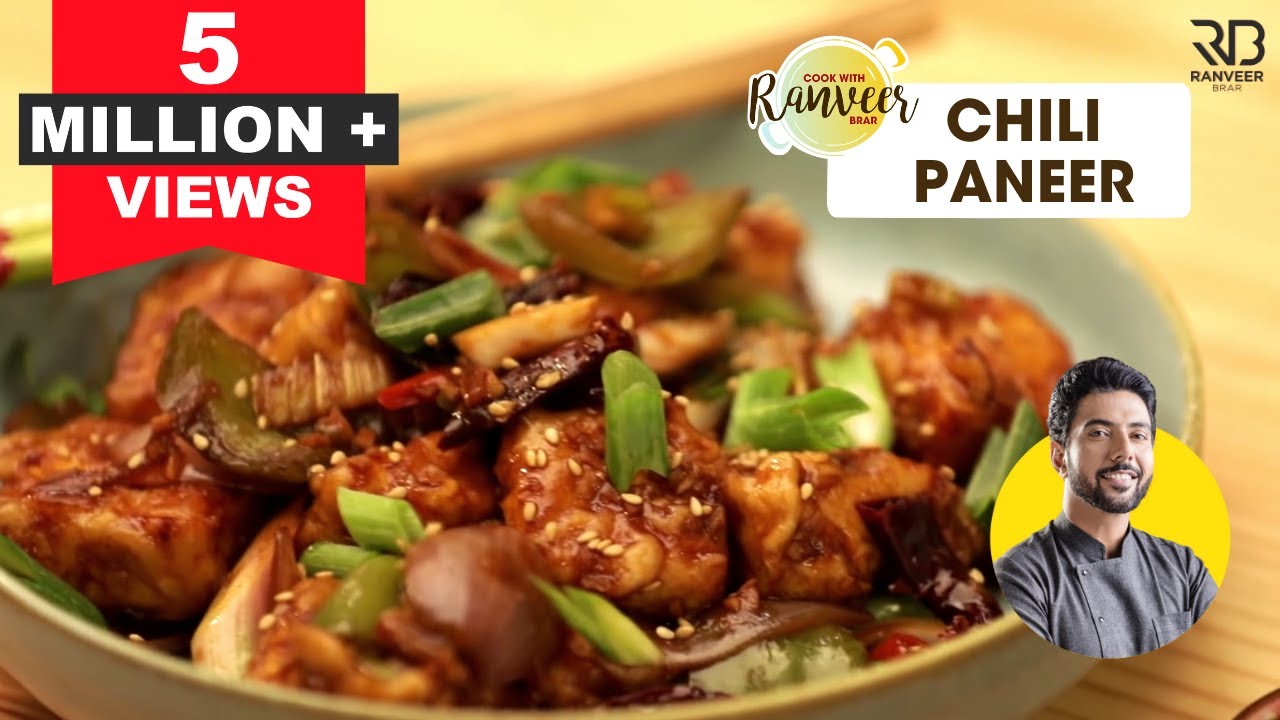
Crispy golden paneer cubes tossed in a tangy, spicy Indo-Chinese sauce with bell peppers, garlic, and soy. We broke down the technique behind restaurant-quality results — and it turns out the whole thing is under 30 minutes if you stop overcrowding the pan.
“Chilli Paneer is one of those dishes that looks deceptively simple and then punishes everyone who treats it that way. The sauce glazes perfectly in a restaurant wok and turns into a watery mess at home. The paneer crisps beautifully in the first batch and steams into rubber in the second. The fix for both problems is the same: heat management. Get that right and the rest of the dish takes care of itself.”
Why This Recipe Works
Chilli Paneer occupies a strange middle ground — it's Indian in origin, Chinese in technique, and fully its own thing on the table. The dish emerged from the Hakka Chinese community in Calcutta, who adapted their wok cooking to Indian ingredients and palates. What you get is a flavor profile that doesn't exist anywhere else: the heat of green chilies, the umami depth of soy sauce, the tang of rice vinegar, and the milky sweetness of paneer, all unified by high-heat caramelization. It works because the components were built to work together, not because someone accidentally combined them.
The Paneer Problem
Paneer is not tofu. It doesn't have tofu's structural integrity when fried, and it doesn't have the porousness that lets tofu absorb sauce deeply. What paneer has is a delicate, creamy interior and a surface that, when properly dried and heat-treated, develops a genuine crust. That crust is the technical goal of this entire recipe.
The failure mode is almost always moisture. Fresh paneer sold in plastic packaging often sits in liquid, which saturates the surface. Pat it dry — aggressively — and let it come to room temperature before it touches the oil. Cold, wet paneer hitting a hot pan creates instant steam, which prevents browning and causes the cubes to stick, tear, and fall apart before you can get them out.
The cornstarch coating is thin armor. A light dusting creates a barrier between the paneer's moisture and the hot oil, giving the surface time to brown before the interior heats up. Without it, you're racing against the paneer's own water content — and you lose.
Wok Discipline
The rest of this dish is a lesson in heat management. A carbon steel wok holds heat better than almost anything else in a home kitchen, which is why it's the right tool. The sequence — onions, aromatics, peppers, sauce — requires the pan to stay hot through each addition. Every ingredient that goes in is cooler than the pan, which drops the temperature. A thin pan never recovers; a heavy wok does.
The sauce addition is the moment most home cooks lose the dish. By the time the aromatics are done, the instinct is to lower the heat so nothing burns. Don't. Raise it. The soy sauce, ketchup, and vinegar need to hit a ripping-hot surface to caramelize and concentrate in seconds rather than minutes. That brief, aggressive reduction is what transforms a loose liquid into a glossy, clingy glaze. Do it on low heat and you just have wet paneer.
The Kasuri Methi Factor
Dried fenugreek leaves are the bridge between the Chinese sauce technique and the Indian flavor profile. They add a distinctive bitter-sweet, slightly mapley note that is immediately recognizable as subcontinental cooking. It's a finishing herb — it goes in at the end, off the heat, where its volatile oils are preserved rather than driven off. Skip it and the dish tastes like a competent stir-fry. Add it and it tastes like Chilli Paneer.
The same logic applies to the sesame oil. It's a fragrance, not a fat. Drizzle it after the heat is off, let it sit for thirty seconds, then serve immediately. These are the details that separate a dish that tastes good from one that tastes exactly right.
Where Beginners Mess This Up
Before we start, read this. These are the 4 reasons your crispy chilli paneer (the indo-chinese appetizer you'll make on repeat) will fail:
- 1
Crowding the pan when frying paneer: Paneer releases moisture as it heats. When cubes are packed together, that moisture has nowhere to go and the paneer steams instead of sears. You get soft, pale cubes with no crust. Fry in two batches with space between each piece — the first batch will be done before the second one touches the pan.
- 2
Adding sauce to a cold or wet wok: The soy-ketchup-vinegar sauce needs a screaming-hot surface to reduce and cling. If the wok has cooled down or has residual water from the vegetables, the sauce pools at the bottom instead of coating. Crank the heat back to maximum before you pour in the sauce.
- 3
Skipping the cornstarch coating: The cornstarch is listed as optional but functionally it isn't — it creates the thin, crackly skin that lets the sauce stick without making the paneer soggy. Without it, the sauce slides off and pools. A light, even dusting is all you need.
- 4
Overcooking the bell peppers: The peppers should have crunch — not raw crunch, but the kind that gives way with a little resistance. Two to three minutes maximum over high heat. Soft, limp peppers lose their color, their sweetness, and the textural contrast that makes this dish interesting.
The Video Reference Library
Want to see it in action? Here are the exact videos we analyzed and combined to build this foolproof recipe translation:
The source video for this recipe. Demonstrates the correct oil temperature for paneer frying and the high-heat sauce reduction technique that most home cooks skip.
🛠️ Core Equipment
- Carbon steel wok or large cast iron skilletHigh heat retention is the entire game here. A thin non-stick pan can't sustain the temperature needed to sear paneer and reduce the sauce simultaneously. A [carbon steel wok](/kitchen-gear/review/carbon-steel-wok) gets ripping hot and holds it.
- Paper towelsFor patting the paneer completely dry before coating. Surface moisture is the enemy of crispiness — it creates steam that prevents browning and causes oil to spit aggressively.
- Spider strainer or slotted spatulaAllows you to transfer the fried paneer quickly without dragging oil into the sauce wok. Speed matters — every extra second in residual heat keeps the paneer cooking.
Crispy Chilli Paneer (The Indo-Chinese Appetizer You'll Make on Repeat)
🛒 Ingredients
- ✦300g paneer (Indian cottage cheese), cut into ¾-inch cubes
- ✦2 medium bell peppers (1 red, 1 green), cut into ¾-inch pieces
- ✦2 medium yellow onions, finely diced
- ✦4 cloves garlic, minced
- ✦1 tablespoon fresh ginger, minced
- ✦3 green chilies, minced (adjust to taste)
- ✦3 tablespoons low-sodium soy sauce
- ✦3 tablespoons vegetable oil, divided
- ✦2 tablespoons tomato ketchup
- ✦1½ tablespoons rice vinegar
- ✦½ teaspoon black pepper
- ✦Salt to taste
- ✦1½ tablespoons cornstarch (for light coating)
- ✦3 green onions (scallions), chopped
- ✦½ teaspoon kasuri methi (dried fenugreek leaves)
- ✦½ teaspoon sesame oil (optional, for finishing)
👨🍳 Instructions
01Step 1
Pat the paneer cubes completely dry with paper towels, then toss lightly in cornstarch until each cube has a thin, even coating. Shake off any excess.
02Step 2
Heat 2 tablespoons vegetable oil in a wok or large skillet over medium-high heat until shimmering and just beginning to smoke.
03Step 3
Fry the paneer in two batches — do not crowd the pan. Cook 2-3 minutes per side until deep golden brown and a visible crust has formed. Transfer to a paper towel-lined plate.
04Step 4
Add the remaining 1 tablespoon oil to the same wok over medium-high heat. Sauté the diced onions for 3-4 minutes, stirring frequently, until translucent with lightly caramelized edges.
05Step 5
Add the minced garlic, ginger, and green chilies. Cook for 1-2 minutes, stirring constantly, until fragrant and the raw edge is gone.
06Step 6
Add the bell pepper pieces and cook for 2-3 minutes over high heat, keeping the vegetables slightly crunchy.
07Step 7
Crank the heat to maximum. Pour in the soy sauce, tomato ketchup, and rice vinegar all at once. Stir vigorously for 30-45 seconds to combine and let the sauce reduce slightly against the hot wok surface.
08Step 8
Return the fried paneer cubes to the wok. Toss gently to coat every piece in the sauce, about 1-2 minutes. The sauce should cling and glaze — not pool at the bottom.
09Step 9
Sprinkle with black pepper and kasuri methi. Taste and adjust salt. The soy sauce carries significant sodium — you may not need any additional salt at all.
10Step 10
Drizzle with sesame oil if using, then remove from heat immediately.
11Step 11
Transfer to a serving platter and garnish generously with chopped green onions. Serve immediately.
Nutrition Per Serving
Estimates based on standard preparation. Adjustments alter macros.
🔄 Substitutions
Instead of Paneer...
Use Extra-firm tofu, pressed and cubed
Press the tofu for at least 30 minutes under a weight to remove maximum moisture. Fries similarly to paneer but with a slightly firmer, less creamy bite. Significantly less saturated fat.
Instead of Vegetable oil...
Use Avocado oil or olive oil (1.5-2 tablespoons)
Use slightly less — avocado and olive oils have lower smoke points than refined vegetable oil at these temperatures. Slightly lighter mouthfeel.
Instead of Tomato ketchup...
Use Fresh tomato paste (1 tablespoon) mixed with 1 teaspoon honey
Tangier and less sweet. Better for blood sugar control. Adjust the honey to taste — you want a hint of sweetness to balance the soy and vinegar.
Instead of Low-sodium soy sauce...
Use Tamari or coconut aminos
Tamari is wheat-free and slightly richer. Coconut aminos is lower in sodium with a naturally sweet umami character. Use the same quantities — both work well in the sauce.
🧊 Storage & Reheating
In the Fridge
Store in an airtight container for up to 2 days. The paneer crust will soften overnight — this is unavoidable.
In the Freezer
Not recommended. Paneer's texture degrades significantly after freezing and thawing, becoming grainy and dry.
Reheating Rules
Reheat in a hot dry skillet over medium-high heat for 3-4 minutes, tossing occasionally. This revives some crispness. Microwave reheating produces rubbery paneer — avoid it.
❓ Frequently Asked Questions
Why is my sauce watery and not clinging to the paneer?
Two causes: the wok wasn't hot enough when you added the sauce, or the vegetables released too much moisture into the pan. Crank the heat to maximum before adding the sauce and keep it there while you toss. The rapid evaporation is what concentrates and thickens the glaze.
Can I bake the paneer instead of frying it?
Yes. Toss cornstarch-coated paneer in 1 tablespoon oil and bake at 425°F (220°C) for 20 minutes, flipping halfway. The crust won't be as deep, but it's a workable lower-fat method. Proceed with the sauce as written.
My paneer broke apart in the pan — what went wrong?
Either the paneer was too cold (causes thermal shock), too wet (steam breaks the crust before it forms), or you moved it too early. Let it develop a full sear before touching it — it will release from the pan cleanly when the crust is set.
How spicy is this dish?
With 3 green chilies, it's medium-hot. Remove the seeds for mild heat, use 1 chili for very mild, or increase to 5 for restaurant-level heat. The ketchup and soy sauce are already slightly sweet, which tempers the chilies significantly.
What's the difference between dry and gravy Chilli Paneer?
Dry style has a concentrated glaze — the sauce reduces completely and coats each piece. Gravy style has a pourable sauce, typically thickened with a cornstarch slurry, and is served over rice. This recipe makes dry style. Add 4 tablespoons water and 1 teaspoon cornstarch dissolved in water before the paneer returns to the pan for gravy style.
Can I prep any components ahead of time?
Yes — the paneer can be fried up to 2 hours ahead and held at room temperature. The sauce ingredients can be pre-mixed in a bowl. The actual wok cooking takes under 10 minutes once everything is prepped, making this efficient for entertaining.
The Science of
Crispy Chilli Paneer (The Indo-Chinese Appetizer You'll Make on Repeat)
We turned everything on this page into a beautiful, flour-proof PDF cheat sheet. Print it out, stick it to your fridge, and never mess up your crispy chilli paneer (the indo-chinese appetizer you'll make on repeat) again.
*We'll email you the high-res PDF instantly. No spam, just perfectly cooked meals.
AlmostChefs Editorial Team
We translate the internet's most popular cooking videos into foolproof, beginner-friendly written recipes. We analyze multiple methods, test them in our kitchen, and engineer a single "Master Recipe" that gives you the best possible result with the least possible stress.