Crispy Baked Buffalo Wings (The Baking Powder Secret)
Oven-baked chicken wings that shatter like deep-fried without a drop of frying oil. A strategic dry rub with baking powder raises the pH of the skin, forcing it to brown and crisp at lower temperatures. We analyzed the top methods to build one bulletproof technique.
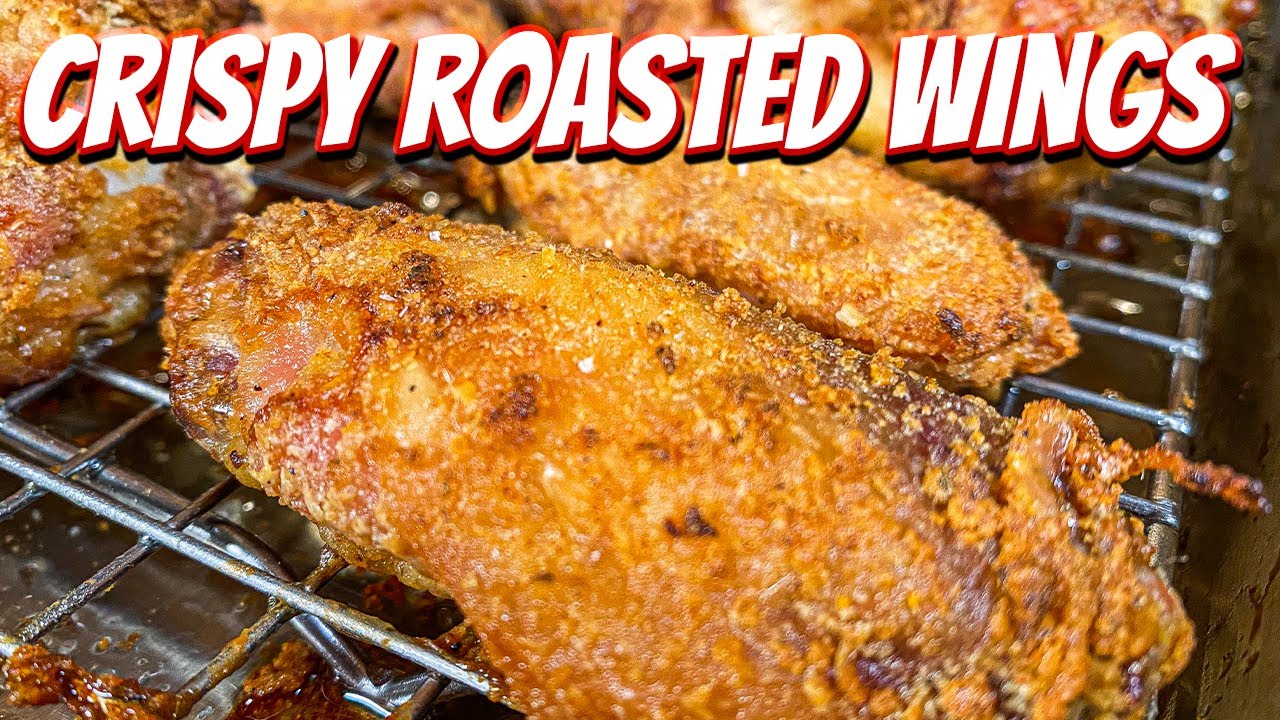
“Most baked wings taste like sad, chewy compromise. The skin flaps. The sauce slides off. You end up wishing you'd just ordered out. The fix isn't a different sauce or a hotter oven — it's a half teaspoon of baking powder in the dry rub. That one ingredient changes the chemistry of the skin and produces a shatter-crisp exterior that most restaurants can't match with a deep fryer.”
Why This Recipe Works
Buffalo wings are one of the most democratized foods in American cooking — every bar, every gas station, every frozen food aisle has a version. And almost every version is wrong. Either the skin is rubbery, the sauce is a puddle on the plate, or the wings are deep-fried in oil that hasn't been changed since the last administration. The baked wing has a reputation for compromise. That reputation is based on bad technique, not bad physics.
The Baking Powder Mechanism
The secret ingredient is not secret anymore — but most people still don't understand why it works. Baking powder is alkaline. When you coat chicken skin in it and apply sustained dry heat, two things happen simultaneously. First, the cornstarch in the baking powder pulls residual moisture from the surface, creating a desiccated micro-layer that crisps almost immediately in a hot oven. Second, the alkaline pH accelerates the Maillard reaction — the same chemical process responsible for the brown crust on seared steak — at temperatures a home oven can actually reach.
The result is skin that behaves more like deep-fried skin than baked: tight, blistered, lacquered. The baking powder doesn't make the wings taste like baking powder any more than salt makes them taste salty. At the right concentration — one teaspoon per two and a half pounds — it's invisible in the final flavor. What it leaves behind is texture.
The Geometry of Crispiness
Crispy skin requires three things: dry surface, hot circulating air, and time. A wire rack over a rimmed baking sheet provides the second condition. Without elevation, the bottom of each wing rests in a pool of rendered fat and released moisture. That surface steams instead of roasts. You get a crispy top and a soft, flabby bottom — the baked wing's original sin.
The wire rack lifts every surface into the convection current. Hot air hits top, bottom, and sides simultaneously. The fat drips away instead of collecting. By 35 minutes at 425°F, you have wings that shatter when you bite them — not from breading, not from frying, just from physics and patience.
Sauce Timing Is Not Optional
Buffalo sauce is an emulsion: fat (butter) suspended in an acidic liquid (hot sauce). Emulsions are temperature-sensitive. Too cold and the butter seizes into greasy clumps. Too hot and the emulsion breaks, leaving you with separated butter floating on a pool of vinegar. The window where the sauce is cohesive, warm, and adhesive is narrow — and it overlaps almost perfectly with the moment the wings come out of the oven.
The wings need to be scorching hot when the sauce hits them. The heat keeps the emulsion fluid long enough to coat every surface. As the wings cool slightly during the five-minute rest, the sauce sets against the skin. By the time they hit the table, each wing is wearing a thin, even, lacquered coating that doesn't slide off when you bite it.
Toss cold wings in warm sauce and you get wet wings. Toss hot wings in cold sauce and the butter hardens on contact. The timing is the technique.
Why This Version Is Lighter
Traditional deep-fried wings absorb oil during the fry. A single serving of restaurant wings can carry 26-30 grams of fat before the sauce. The baked version here lands at 21 grams — not because anything was removed from the recipe, but because the cooking method doesn't add oil to the equation. The fat in this dish comes from the chicken itself and the butter in the sauce, both of which contribute flavor along with calories.
The smoked paprika in the dry rub is doing double duty: it adds the red-tinged color people associate with crispy wings and contributes a low-grade smokiness that partially compensates for the missing fry-oil flavor. It's not identical to deep-fried. Nothing baked is. But it's close enough that most people — when they're not told — assume the wings came out of a fryer.
That's the goal. Not healthy wings. Not diet wings. Just wings that are worth making at home, twice a week, without guilt and without a vat of oil on your stovetop.
Where Beginners Mess This Up
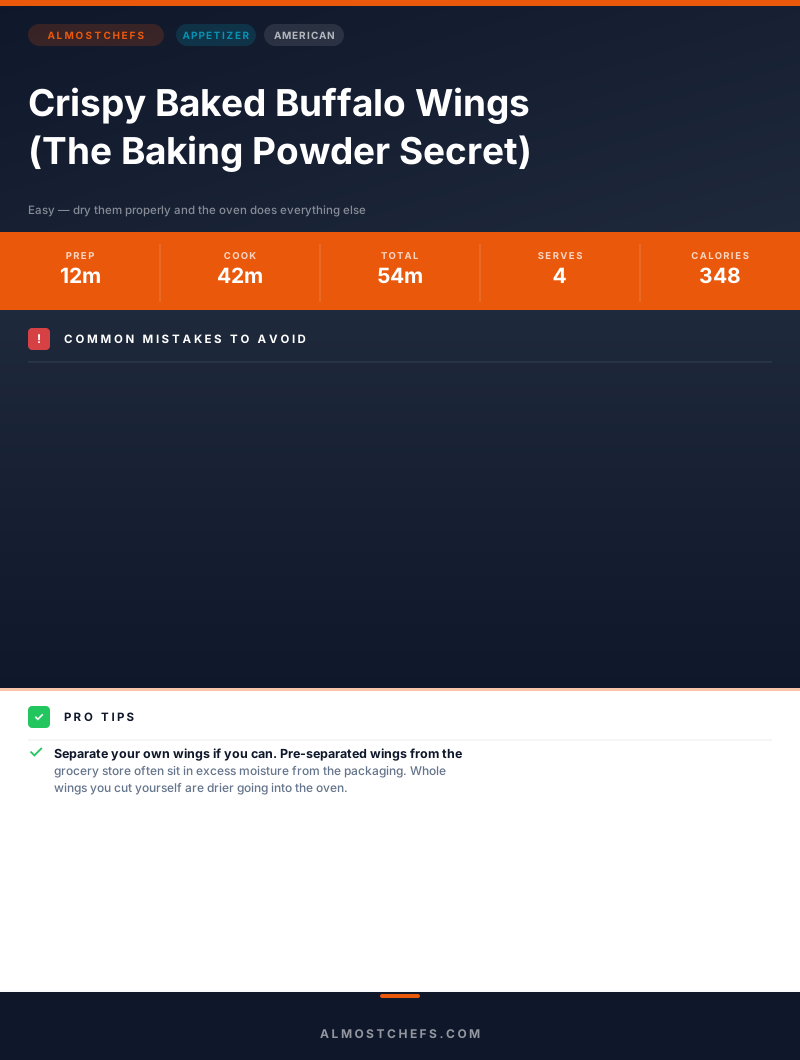
Before we start, read this. These are the 4 reasons your crispy baked buffalo wings (the baking powder secret) will fail:
- 1
Skipping the pat-dry step: Surface moisture is the enemy of crispy skin. Water on the surface of the wing must evaporate before the skin can brown — and while it's evaporating, the wing is steaming, not roasting. Paper towels aren't optional here. Dry every surface of every wing until it looks almost chalky.
- 2
Using baking soda instead of baking powder: Baking soda is four times stronger and will give your wings a chemical, soapy aftertaste. Baking powder contains both baking soda and cornstarch, which is exactly the combination that works. They are not interchangeable. Double-check the label.
- 3
Overlapping the wings on the rack: Wings touching each other create steam pockets. The touching surfaces never crisp — they stay pale and soft while the exposed sides brown. Single layer, space between each piece. A crowded rack is a guarantee of uneven, chewy skin.
- 4
Tossing in sauce too late or too early: Sauce goes on immediately after the wings come out of the oven, while they're scorching hot. The residual heat sets the sauce coating and bonds it to the skin. Wait even five minutes and the skin starts to cool and steam — the sauce slides instead of clings.
The Video Reference Library
Want to see it in action? Here are the exact videos we analyzed and combined to build this foolproof recipe translation:
The source video for this recipe's baking powder technique. Clear walkthrough of the dry rub ratios and rack setup that deliver consistent crispiness without deep frying.
🛠️ Core Equipment
- Wire rack over a rimmed baking sheetElevating the wings lets hot air circulate underneath. Without a rack, the bottom of each wing sits in pooled fat and moisture and never crisps. The rimmed sheet catches drippings and prevents smoke.
- Instant-read thermometerWings are done at 165°F internal temperature, but crispy skin requires sustained high heat beyond that threshold. Knowing where you are lets you push the bake confidently without guessing.
- Small saucepanThe buffalo sauce requires gentle, controlled heat to bloom the garlic and emulsify the butter into the hot sauce. A saucepan gives you control that a microwave cannot.
Crispy Baked Buffalo Wings (The Baking Powder Secret)
🛒 Ingredients
- ✦2.5 pounds chicken wings, separated into flats and drumettes
- ✦1 teaspoon baking powder
- ✦1.5 teaspoons kosher salt
- ✦0.75 teaspoon freshly ground black pepper
- ✦1.5 teaspoons smoked paprika
- ✦0.25 teaspoon cayenne pepper
- ✦2 tablespoons extra virgin olive oil
- ✦0.75 cup Frank's RedHot sauce or similar hot sauce
- ✦5 tablespoons unsalted butter
- ✦4 cloves fresh garlic, minced
- ✦2 tablespoons honey
- ✦1.5 tablespoons Worcestershire sauce
- ✦Fresh parsley for garnish, optional
👨🍳 Instructions
01Step 1
Preheat oven to 425°F. Pat the chicken wings completely dry with paper towels, pressing firmly on every surface.
02Step 2
Whisk together the baking powder, salt, black pepper, smoked paprika, and cayenne in a small bowl until evenly combined.
03Step 3
Toss the dried wings in the dry spice mixture in a large bowl, coating each piece thoroughly. Shake off any excess.
04Step 4
Drizzle olive oil over the seasoned wings and toss again until each piece has a light, even sheen.
05Step 5
Arrange the wings in a single layer on a wire rack set over a rimmed baking sheet. No pieces touching.
06Step 6
Bake at 425°F for 35-40 minutes, flipping once halfway through, until the skin is deep golden brown and visibly crispy.
07Step 7
While the wings bake, melt butter in a small saucepan over medium heat. Add the minced garlic and cook for 1 minute, stirring constantly, until fragrant but not browned.
08Step 8
Add the hot sauce, honey, and Worcestershire sauce. Stir to combine and heat through for 2 minutes. Remove from heat and let cool for 1 minute.
09Step 9
Transfer the hot wings directly from the oven to a large bowl. Pour the sauce over immediately and toss energetically for 1-2 minutes until every piece is fully coated.
10Step 10
Rest for 5 minutes on the rack before serving. This lets the coating set.
11Step 11
Transfer to a serving platter, garnish with fresh parsley if desired, and serve with ranch dressing and celery sticks.
Nutrition Per Serving
Estimates based on standard preparation. Adjustments alter macros.
🔄 Substitutions
Instead of Unsalted butter...
Use Ghee or clarified butter
Higher smoke point and a nuttier, richer flavor. The sauce will taste more complex. Works especially well if you're pushing the garlic further.
Instead of Honey...
Use Pure maple syrup
Earthier, less floral sweetness. Slightly thinner consistency, so the sauce may be a little looser. Still adhesive enough to coat.
Instead of Frank's RedHot sauce...
Use Homemade blend — cayenne pepper, apple cider vinegar, garlic
Brighter and tangier with less sodium. Heat level will be less consistent than a commercial sauce, so taste and adjust cayenne before tossing.
Instead of Baking method...
Use Air fryer at 380°F for 18-20 minutes
Equivalent crispiness with faster cook time. Work in batches — crowding the air fryer basket produces the same steaming problem as crowding an oven rack.
🧊 Storage & Reheating
In the Fridge
Store in an airtight container for up to 3 days. The skin will soften as the sauce soaks in, but the flavor improves.
In the Freezer
Freeze unsauced wings for up to 2 months. Sauce after reheating for best texture.
Reheating Rules
Spread on a wire rack and bake at 400°F for 8-10 minutes. Avoid the microwave — it turns crispy skin into rubbery bark.
❓ Frequently Asked Questions
Why baking powder and not baking soda?
Baking powder contains baking soda plus cornstarch and cream of tartar. The cornstarch absorbs surface moisture and the alkaline environment from the baking soda raises the skin's pH, accelerating the Maillard reaction and producing deeper browning at oven temperatures. Baking soda alone is too concentrated and leaves a metallic aftertaste.
Can I use frozen wings?
Yes, but thaw completely and pat extremely dry before proceeding. Frozen wings release significantly more water during cooking. Any residual ice or moisture on the surface will steam the skin before it can crisp. Thawing overnight in the fridge is the most reliable method.
My wings are cooked through but not crispy — what happened?
Two likely causes: the wings were wet going in, or the rack was crowded. Surface moisture and trapped steam are the only things standing between you and crispy skin at 425°F. Drier wings, more space, longer bake if needed.
Can I make the sauce ahead of time?
Yes. The buffalo sauce keeps in the fridge for up to a week. Reheat gently before tossing — you want it warm enough to bond with the hot wings, not cold enough to seize the butter.
How do I make these less spicy for kids?
Cut the cayenne from the dry rub and reduce the hot sauce to 0.25 cup, replacing the rest with melted butter. You still get the buffalo flavor profile with significantly less heat. Add a tablespoon of honey to compensate for the acidity reduction.
Wire rack vs. no wire rack — does it actually matter?
Dramatically. Wings sitting flat on a sheet pan cook in their own rendered fat and moisture. The underside never crisps and the wings effectively confit rather than roast. A rack is the single biggest structural improvement you can make to a baked wing recipe.
The Science of
Crispy Baked Buffalo Wings (The Baking Powder Secret)
We turned everything on this page into a beautiful, flour-proof PDF cheat sheet. Print it out, stick it to your fridge, and never mess up your crispy baked buffalo wings (the baking powder secret) again.
*We'll email you the high-res PDF instantly. No spam, just perfectly cooked meals.
AlmostChefs Editorial Team
We translate the internet's most popular cooking videos into foolproof, beginner-friendly written recipes. We analyze multiple methods, test them in our kitchen, and engineer a single "Master Recipe" that gives you the best possible result with the least possible stress.