Crispy Chicken Tacos (The Street-Style Method You've Been Missing)
Juicy, spice-rubbed chicken thighs seared to a crispy edge, layered into warm tortillas with charred salsa, pickled onions, and fresh cilantro. We broke down the most-watched YouTube methods to isolate the technique that delivers authentic street-taco flavor at home — no taqueria equipment required.
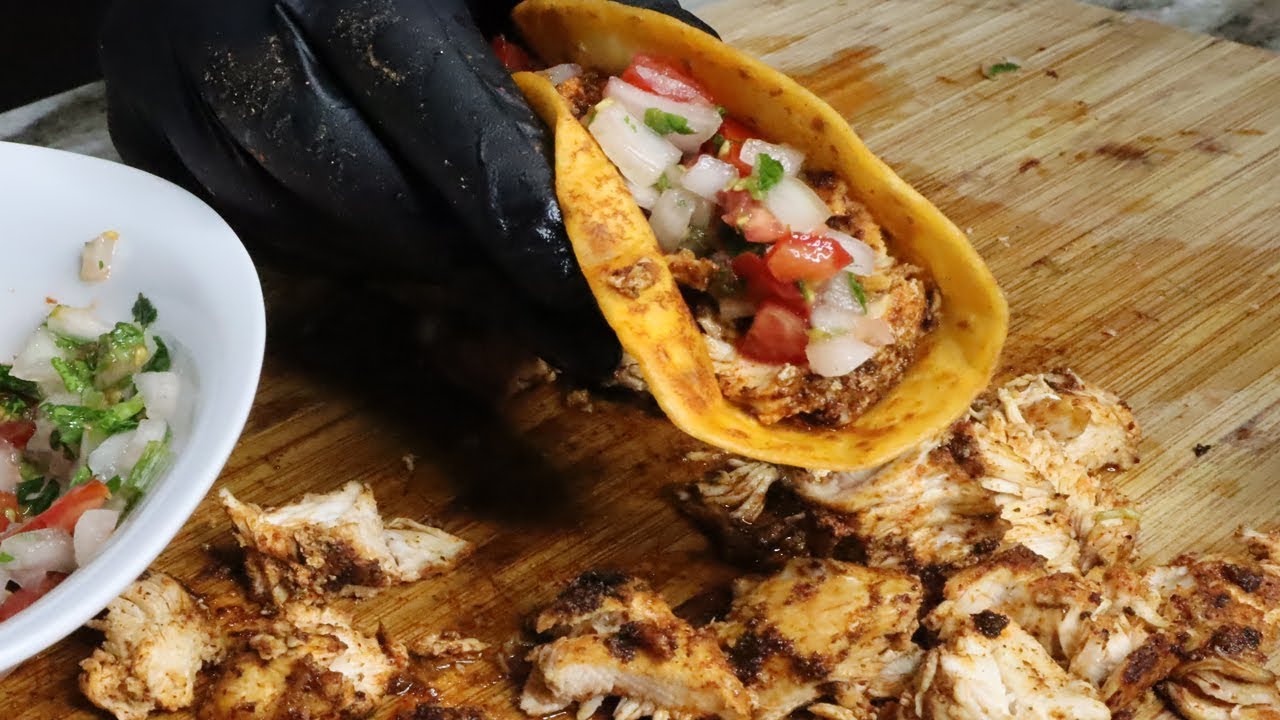
“Most homemade chicken tacos are an apology for the real thing. Pale, steamed chicken buried under shredded cheese and sour cream, wrapped in a soft tortilla that disintegrates on contact. The reason street tacos taste like they do isn't a secret recipe — it's three controllable variables: dry rub timing, cast iron heat, and charring the tortilla directly over flame. We analyzed the top-performing YouTube methods to find the combination that actually delivers.”
Why This Recipe Works
A chicken taco is the simplest argument in cooking, and the most frequently lost. Two tortillas, some protein, a sauce, a few toppings, a squeeze of acid. The ingredients list is short enough to memorize. The technique is learnable in an afternoon. And yet the gap between a forgettable homemade taco and a great one is enormous — not because the recipe is complicated, but because every step has a failure mode that is both easy to fall into and almost never explained.
The Cut Is Not Negotiable
Chicken thigh is the only correct answer. This is not a preference or a suggestion — it is a structural requirement of the dish. Chicken thigh contains intramuscular fat that bastes the meat from within during the high-heat sear required to build a crust. Chicken breast contains none of that fat, which means at the temperatures necessary for Maillard browning, it dries out in under four minutes. If you insist on breast, you are committing to constant vigilance with a thermometer, a shorter sear window, and a significantly less forgiving process. Thighs are more flavored, more juicy, more forgiving, and cheaper. There is no category where breast wins.
Why the Sear Temperature Matters More Than the Seasoning
You can have the perfect spice blend and still produce pale, gray, mediocre chicken if your pan isn't hot enough. The Maillard reaction — the chemical process responsible for the brown, savory, complex crust that makes seared meat taste fundamentally different from boiled meat — requires surface temperatures above 300°F, with ideal browning occurring between 280°F and 330°F. A cast iron skillet preheated for 2-3 minutes over high heat reaches and maintains this range far more reliably than any nonstick or thin stainless pan, which lose temperature the moment cold chicken touches the surface and immediately begin steaming the meat in its own released moisture.
The press-and-hold technique during the first 30 seconds of the sear ensures full contact between the chicken and the pan. Chicken thighs are irregular in thickness and naturally curl when heat hits the edges. Any gap between the meat and the pan surface is a gap that produces no crust. Use tongs, press firmly, and hold. The chicken will release on its own when it's ready.
The Architecture of a Good Taco
Street tacos are double-wrapped in corn tortillas for a reason that has nothing to do with aesthetics. A single corn tortilla is structurally fragile — it cracks under tension, absorbs moisture from wet fillings rapidly, and tears apart within 60 seconds of contact with salsa. Two tortillas stacked together behave like laminated material: each reinforces the other, the inner layer absorbs moisture while the outer layer stays intact, and the result holds together through the entire taco without disintegrating. This is why every taco stand from Tijuana to Oaxaca doubles them, and why your homemade tacos fall apart if you don't.
The charred salsa is the flavor backbone of the entire dish. Char is not burning — it is controlled Maillard reaction applied to vegetables, concentrating sugars into complex bitter-sweet compounds that raw or simmered tomatoes never develop. The guajillo chili adds layered smokiness and a subtle, non-aggressive heat that builds slowly rather than spiking. Together they create a sauce that does something no store-bought salsa can replicate: it tastes like it was made in the same kitchen as the meat, on the same fire, at the same moment.
Acid Is the Final Ingredient
The squeeze of lime at the end is not garnish. Acid contracts and brightens every other flavor in the taco — it cuts through the fat of the avocado, lifts the earthiness of the charred salsa, and amplifies the spice notes in the chicken rub. The pickled onions serve the same function structurally, contributing vinegar brightness while simultaneously adding crunch and a pop of color that signals freshness. Without acid, a taco tastes heavy, flat, and one-dimensional, no matter how technically correct everything else is. The lime wedge is the last adjustment, not the afterthought.
Where Beginners Mess This Up
Before we start, read this. These are the 4 reasons your crispy chicken tacos (the street-style method you've been missing) will fail:
- 1
Using chicken breast without adjusting technique: Chicken breast is lean, which means zero fat to baste itself during the sear. Without modification — either a marinade with oil or constant basting — it dries out in minutes at the high heat required to get a proper crust. Chicken thighs are the correct cut here. The higher fat content means they stay juicy through the sear and beyond.
- 2
Skipping the dry rest after seasoning: Applying the spice rub and immediately throwing the chicken in the pan guarantees pale, steamed meat. The salt in the rub needs 15 minutes minimum to draw surface moisture out, then reabsorb it back into the meat as a brine. This is the difference between a spice crust that stays on the chicken and one that ends up in the pan.
- 3
Not getting the pan hot enough: The Maillard reaction — the browning that creates flavor — requires surface temperatures above 300°F. A pan that's only medium-hot produces gray, boiled-looking chicken with no crust. You need the pan screaming hot before the chicken touches it. If it doesn't sizzle violently on contact, it's not ready.
- 4
Warming tortillas in the microwave: Microwaved tortillas are soft, damp, and structurally useless. They collapse under the filling and fall apart by the second bite. Corn tortillas belong directly over a gas flame or in a dry cast iron skillet until they develop char spots and flex without cracking. That char is flavor, and there is no substitute.
The Video Reference Library
Want to see it in action? Here are the exact videos we analyzed and combined to build this foolproof recipe translation:
The foundational video that covers the dry rub method, cast iron searing technique, and charred salsa assembly. Demonstrates exactly what color the chicken crust should be before you pull it off the heat.
Focused walkthrough of the tortilla charring technique and pickled onion prep. Clear demonstration of the two-tortilla doubling method used by street vendors to prevent structural collapse under wet fillings.
Beginner-friendly breakdown of the full assembly sequence — salsa, chicken, toppings — and why the order matters for texture and structural integrity. Good reference for first-timers building confidence with the technique.
🛠️ Core Equipment
- Cast iron skilletHolds heat at a consistent high temperature unlike nonstick or thin stainless pans. The mass of cast iron prevents temperature drop when the cold chicken hits the surface — which is what causes steaming instead of searing. Essential for the crust.
- Instant-read thermometerChicken thighs are safe and juicy at 165°F internal temperature. Guessing means either undercooking or drying them out. A thermometer removes all ambiguity and costs less than a single taqueria order.
- TongsFor pressing the chicken firmly against the pan during the first 30 seconds of searing and for flipping without tearing the crust. A spatula drags and destroys the bark you just built.
- Small saucepan or open flameFor charring the tortillas. Gas burners are ideal — you lay the tortilla directly on the grate over medium flame and flip with tongs every 20 seconds. No gas? A dry cast iron skillet on maximum heat achieves the same result.
Crispy Chicken Tacos (The Street-Style Method You've Been Missing)
🛒 Ingredients
- ✦1.75 pounds boneless skinless chicken thighs
- ✦2 tablespoons avocado oil, divided
- ✦1.5 teaspoons smoked paprika
- ✦1 teaspoon ground cumin
- ✦1 teaspoon garlic powder
- ✦1/2 teaspoon onion powder
- ✦1/2 teaspoon dried oregano
- ✦1/2 teaspoon chili powder
- ✦1/4 teaspoon cayenne pepper
- ✦1 teaspoon kosher salt
- ✦1/2 teaspoon freshly ground black pepper
- ✦12 small corn tortillas
- ✦4 Roma tomatoes, halved
- ✦3 dried guajillo chilies, stems and seeds removed
- ✦4 garlic cloves, unpeeled
- ✦1 large red onion, half thinly sliced for pickling, half rough-chopped for salsa
- ✦1/4 cup white wine vinegar
- ✦1 teaspoon sugar
- ✦1 cup fresh cilantro leaves and tender stems
- ✦2 limes, cut into wedges
- ✦1 avocado, sliced or smashed
- ✦Flaky sea salt for finishing
👨🍳 Instructions
01Step 1
Combine smoked paprika, cumin, garlic powder, onion powder, oregano, chili powder, cayenne, salt, and pepper in a small bowl. Pat chicken thighs dry with paper towels, then coat all sides evenly with the spice rub.
02Step 2
Let the seasoned chicken rest uncovered at room temperature for 15-20 minutes. The salt will draw out surface moisture, then reabsorb it as a light brine.
03Step 3
While the chicken rests, make the pickled onions. Combine the sliced red onion with white wine vinegar, sugar, and a pinch of salt in a small bowl. Toss well and let sit for at least 20 minutes, tossing occasionally. The onions will turn vivid pink.
04Step 4
Make the charred salsa. Place tomato halves cut-side down in a dry cast iron skillet over high heat. Add the unpeeled garlic cloves and rough-chopped onion. Cook without moving for 4-5 minutes until deeply charred. Flip tomatoes and garlic, char the other side.
05Step 5
While the vegetables char, toast the dried guajillo chilies in the same pan for 30 seconds per side until fragrant and pliable. Submerge in hot water for 10 minutes to rehydrate.
06Step 6
Transfer charred tomatoes, peeled garlic, onion, and drained guajillo chilies to a blender. Pulse to a coarse salsa — not smooth. Season with salt and a squeeze of lime. Set aside.
07Step 7
Heat a cast iron skillet over high heat for 2-3 minutes until it begins to smoke slightly. Add 1 tablespoon avocado oil and swirl to coat.
08Step 8
Lay chicken thighs flat in the skillet without crowding. Press down firmly with tongs for the first 30 seconds to ensure full contact. Sear undisturbed for 5-6 minutes until a deep mahogany crust forms.
09Step 9
Flip each thigh and cook for an additional 4-5 minutes until the internal temperature reads 165°F on an instant-read thermometer.
10Step 10
Transfer chicken to a cutting board and rest for 5 minutes. Slice thinly against the grain, then roughly chop into taco-sized pieces.
11Step 11
Char the tortillas directly over a gas flame, turning every 20 seconds with tongs until blistered with char spots on both sides. Alternatively, heat a dry cast iron skillet to maximum heat and char 30 seconds per side.
12Step 12
Double up two tortillas per taco (the street vendor method). Spread a spoonful of salsa on the base, layer with chopped chicken, pickled onions, avocado, and cilantro. Finish with a squeeze of lime and a pinch of flaky salt.
Nutrition Per Serving
Estimates based on standard preparation. Adjustments alter macros.
🔄 Substitutions
Instead of Chicken thighs...
Use Chicken breast
Slice breast thin and reduce sear time to 3-4 minutes per side. The lower fat content means it dries out faster — watch the thermometer more carefully and pull at exactly 165°F.
Instead of Corn tortillas...
Use Flour tortillas
Flour tortillas don't require doubling and are more forgiving structurally. The flavor profile changes significantly — less earthy, more neutral. Still char them over flame for best results.
Instead of Guajillo chilies...
Use 1 chipotle pepper in adobo sauce
Delivers smoke and heat in a single ingredient without rehydrating. Slightly spicier and more aggressive — use half first, taste, then add more.
Instead of Avocado...
Use Crema or Greek yogurt thinned with lime juice
Adds creaminess without the fat-heavy richness of avocado. Works well if the avocados at your grocery store are aggressively unripe, which they always are.
🧊 Storage & Reheating
In the Fridge
Store the chicken filling separately from tortillas and toppings in an airtight container for up to 3 days. The salsa actually improves overnight as the charred flavors meld.
In the Freezer
Freeze the cooked chicken filling in portions for up to 2 months. Thaw overnight in the fridge and reheat in a dry skillet over medium heat to revive the crust texture.
Reheating Rules
Reheat chicken in a cast iron skillet over medium heat with a small splash of water, covered, for 3-4 minutes. Microwave reheating steams the chicken and destroys any remaining texture — avoid.
❓ Frequently Asked Questions
Why do my chicken tacos always taste bland?
Two likely causes. First, you used chicken breast without compensating for the lack of fat — breast needs aggressive seasoning and high heat to develop flavor. Second, you skipped the dry rest after applying the spice rub. The salt needs time to work into the meat. Apply the rub 15-20 minutes before cooking, minimum.
Can I use pre-made taco seasoning?
You can, but most pre-made blends contain fillers, anti-caking agents, and proportions tuned for ground beef, not chicken thighs. Making your own spice blend takes 90 seconds and produces a noticeably cleaner, more intentional flavor. The from-scratch route is worth it here.
My tortillas keep cracking when I fold them. What's wrong?
Corn tortillas crack when they're cold and dry. They need heat to become pliable — either direct flame, a dry skillet, or a brief wrap in a damp paper towel in the microwave (30 seconds maximum). Char them right before assembly, not in advance.
How do I keep the tacos from getting soggy?
Two rules. First, pat the chicken dry before seasoning — excess moisture steams instead of sears, producing wet filling. Second, assemble tacos immediately before eating, not in advance. The salsa and avocado release moisture over time. If you're serving a crowd, set out the components separately and let people build their own.
Do I have to make the charred salsa from scratch?
No. A good quality store-bought salsa — specifically one labeled 'fire-roasted' or 'roasted tomato' — is a legitimate shortcut. What you lose is the brightness from the fresh char and the guajillo complexity. It's the difference between excellent and very good. On a weeknight, very good is fine.
Can I grill the chicken instead of using a cast iron?
Yes, and it's arguably better. A charcoal or gas grill running at high heat produces similar char and Maillard reaction products as cast iron, plus smokiness from the grill itself. Cook thighs 5-6 minutes per side over direct heat. Let rest before chopping. Same principles apply.

The Science of
Crispy Chicken Tacos (The Street-Style Method You've Been Missing)
We turned everything on this page into a beautiful, flour-proof PDF cheat sheet. Print it out, stick it to your fridge, and never mess up your crispy chicken tacos (the street-style method you've been missing) again.
*We'll email you the high-res PDF instantly. No spam, just perfectly cooked meals.
AlmostChefs Editorial Team
We translate the internet's most popular cooking videos into foolproof, beginner-friendly written recipes. We analyze multiple methods, test them in our kitchen, and engineer a single "Master Recipe" that gives you the best possible result with the least possible stress.