Homemade Chicken Shawarma (Better Than the Cart Outside Your Office)
Yogurt-marinated chicken with a seven-spice blend, pan-seared to a golden crust and sliced thin against the grain — the same tender, aromatic result as a vertical spit, without the vertical spit. We broke down the technique so the weeknight version doesn't taste like a compromise.
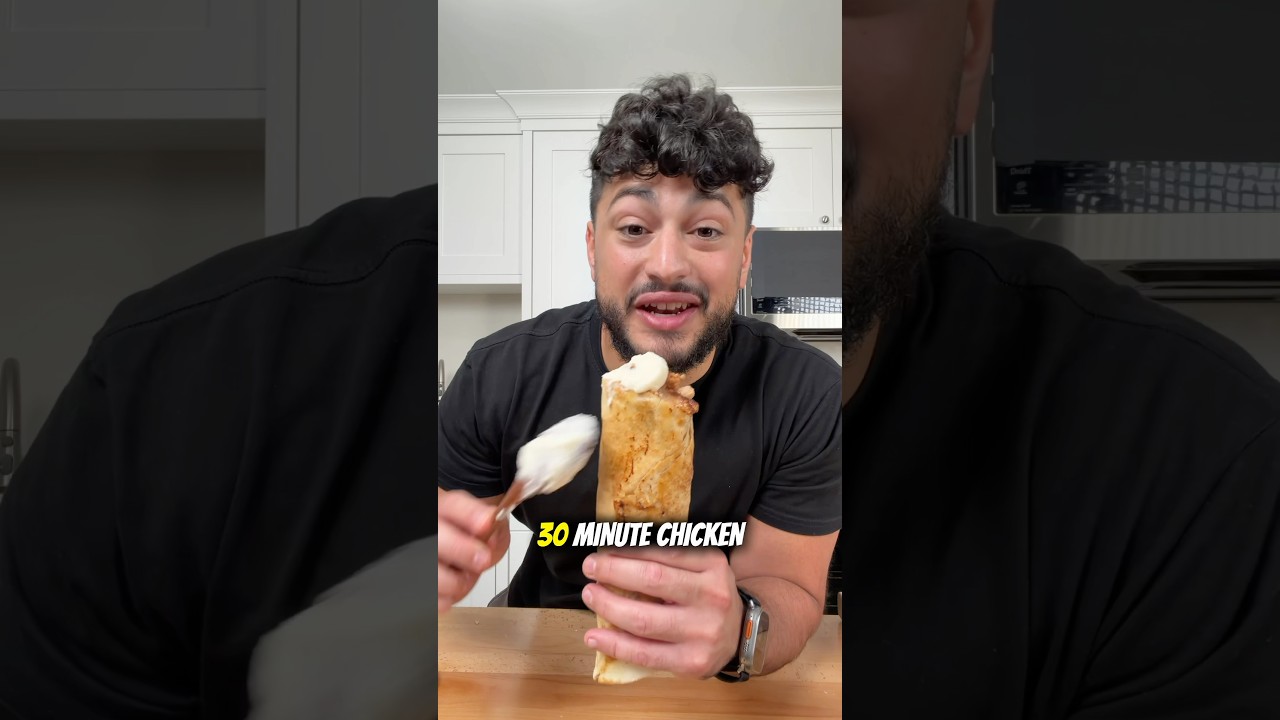
“Street shawarma gets its flavor from two things: a spice-forward marinade that penetrates the meat overnight, and the Maillard reaction from high, direct heat. The rotisserie is just a delivery mechanism. A screaming-hot cast iron skillet does the same job — and if you actually marinate the chicken for four hours instead of skipping straight to the pan, nobody at the table will know the difference.”
Why This Recipe Works
Shawarma is a cooking technique masquerading as a recipe. The vertical rotisserie spit — the towering cone of stacked, marinated meat that rotates slowly against radiant heat — is just a mechanism for applying continuous high heat to a large mass of seasoned protein. What matters is not the equipment. What matters is the marinade, the heat, and the cut.
The Marinade Is the Recipe
Seven spices. Yogurt. Acid. Fat. That's the entire formula. The yogurt does something that pure citrus marinades can't: it delivers flavor slowly and gently, using lactic acid instead of citric acid to denature the surface proteins without the aggressive breakdown that turns chicken to mush if left too long. The spice blend — smoked paprika, cumin, coriander, turmeric, cayenne, cinnamon — isn't decorative. Each spice dissolves into the yogurt fat and penetrates the meat over hours, building a flavor gradient from the crust inward.
The cinnamon is the move most home cooks balk at. Don't. It's present in tiny quantities and it doesn't make the chicken taste like dessert. It rounds the warm spice profile and adds a background complexity that's almost impossible to identify but immediately noticeable when it's missing. This is the spice that makes people ask "what is that flavor?"
The Pan as Rotisserie Substitute
A cast iron skillet preheated over medium-high heat reaches 400–450°F at the surface — hot enough to trigger rapid Maillard browning the moment cold-ish chicken hits it. This is the stovetop version of the rotisserie char. The difference is the rotisserie applies heat from all sides simultaneously. Your skillet only hits one side at a time, which is why the no-moving rule matters: you need uninterrupted contact time to build a proper crust before the flip.
The batch cooking rule is not fussiness. It's physics. A 12-inch skillet at 425°F has a fixed thermal mass. Lay five chicken cutlets in it simultaneously and you've introduced 2+ pounds of 70°F protein at once. The pan temperature crashes. Steam accumulates. You're poaching.
Slicing Against the Grain
This is the step that separates shawarma texture from generic seared chicken texture. Chicken breast is composed of long, parallel muscle fiber bundles running lengthwise through the meat. Slice with the grain and each piece you eat requires your jaw to sever those fibers — chewy, stringy, and tough. Slice perpendicular to the grain and you've already pre-shortened those fibers. The result is the characteristic tender, yielding bite that makes street shawarma addictive.
Use a sharp chef's knife and cut at a slight bias angle — not straight across, but at about 45 degrees to the surface. This increases the surface area of each slice and produces pieces that lay flat and stack cleanly in the pita. This single adjustment does more for texture than any seasoning choice.
The Assembly Is Load-Bearing
Sauce goes first, against the pita, where it acts as moisture barrier and adhesive simultaneously. Then chicken. Then onion. Tomato and cucumber on top, where their moisture drips down rather than soaking directly into the bread. This is not aesthetic — it's structural engineering for a wrap that holds together through the last bite without dissolving into your hand.
The tahini sauce should be loose enough to drip slowly from a spoon. If it's the consistency of peanut butter, thin it with water one teaspoon at a time. Thick tahini sauce clumps and doesn't distribute evenly. You want it coating every surface of the chicken, not sitting in one sticky mass in the center.
Shawarma is a confidence dish. The marinade is simple. The technique is repeatable. The only variable is whether you give it enough time. Give it the time.
Where Beginners Mess This Up
Before we start, read this. These are the 4 reasons your homemade chicken shawarma (better than the cart outside your office) will fail:
- 1
Rushing the marinade: The yogurt-acid marinade needs a minimum of 4 hours to penetrate past the surface of the chicken. A 30-minute marinade produces bland interior meat with a flavorful crust — technically seared chicken with spices on it, not shawarma. The overnight marinade is the recipe. Everything else is logistics.
- 2
Crowding the pan: Shawarma flavor comes from browning, not steaming. When you pile too many chicken pieces into the skillet, the surface moisture has nowhere to go and the temperature drops immediately. The chicken poaches in its own liquid instead of searing. Work in batches. Leave space between pieces. The crust is not optional.
- 3
Skipping the rest before slicing: Three to five minutes of resting after cooking lets the muscle fibers relax and reabsorb their juices. Slice immediately and all that moisture runs onto your cutting board. Rest it, then slice against the grain into thin strips — this is what gives you the characteristic tender, pull-apart shawarma texture.
- 4
Cold chicken straight from the fridge: Cold meat hits the hot pan and drops the surface temperature dramatically, killing your sear before it starts. Pull the chicken out 30 minutes before cooking. Room-temperature meat browns faster, more evenly, and finishes cooking all the way through without the outside overcooking while the center catches up.
The Video Reference Library
Want to see it in action? Here are the exact videos we analyzed and combined to build this foolproof recipe translation:
The source video for this recipe. Covers the marinade ratios, searing temperature, and the slicing technique that produces authentic shawarma texture on a stovetop.
🛠️ Core Equipment
- Large cast iron or stainless steel skilletYou need a pan that holds heat when cold chicken hits it. Non-stick pans can't get hot enough and lose heat too fast. Cast iron retains temperature through the thermal shock of cold meat and gives you the high-heat Maillard browning that defines shawarma's crust.
- Instant-read thermometerChicken breast at 165°F is the difference between juicy and dry. The window is narrow — two minutes past done and you're eating rubber. Don't guess. A thermometer is the only honest answer.
- Sharp chef's knifeSlicing cooked chicken against the grain into thin strips requires a sharp blade. A dull knife drags and tears, shredding the meat instead of cutting clean. Clean slices hold together in the pita and have better texture.
Homemade Chicken Shawarma (Better Than the Cart Outside Your Office)
🛒 Ingredients
- ✦2.5 pounds boneless, skinless chicken breasts, cut into 1-inch thick cutlets
- ✦1 cup plain Greek yogurt
- ✦4 tablespoons fresh lemon juice
- ✦7 cloves garlic, minced
- ✦2 teaspoons smoked paprika
- ✦1.75 teaspoons ground cumin
- ✦1 teaspoon ground coriander
- ✦0.75 teaspoon ground turmeric
- ✦0.25 teaspoon cayenne pepper
- ✦0.25 teaspoon ground cinnamon
- ✦4 tablespoons extra virgin olive oil, divided
- ✦1.5 teaspoons kosher salt
- ✦0.5 teaspoon freshly ground black pepper
- ✦6 pita breads
- ✦1 medium yellow onion, thinly sliced
- ✦2 medium beefsteak tomatoes, diced
- ✦1 medium English cucumber, julienned
- ✦3 tablespoons tahini paste
- ✦2 tablespoons water
- ✦2 tablespoons fresh cilantro, chopped (optional garnish)
👨🍳 Instructions
01Step 1
Combine Greek yogurt, lemon juice, minced garlic, smoked paprika, cumin, coriander, turmeric, cayenne, cinnamon, 3 tablespoons olive oil, salt, and black pepper in a large bowl. Mix until fully incorporated.
02Step 2
Add the chicken cutlets to the marinade, pressing each piece to coat thoroughly on both sides.
03Step 3
Cover with plastic wrap and refrigerate for at least 4 hours, preferably overnight.
04Step 4
Remove the chicken from the refrigerator 30 minutes before cooking to bring it to room temperature.
05Step 5
While the chicken tempers, prepare the components: whisk tahini with water, 1 minced garlic clove, and a pinch of salt until smooth. Arrange sliced onion, diced tomatoes, and julienned cucumber on a serving platter.
06Step 6
Heat the remaining 1 tablespoon of olive oil in a large cast iron or stainless skillet over medium-high heat until it shimmers and begins to haze slightly, about 2 minutes.
07Step 7
Working in batches to avoid crowding, place marinated chicken cutlets in the hot skillet. Sear without moving for 5–6 minutes until the bottom is deep golden brown.
08Step 8
Flip each piece and cook the second side for 5–6 minutes until the internal temperature reads 165°F on an instant-read thermometer.
09Step 9
Transfer the cooked chicken to a cutting board and rest for 3–5 minutes.
10Step 10
Slice the rested chicken against the grain into thin strips.
11Step 11
Warm the pita breads in a dry skillet over medium heat, about 30 seconds per side, or wrap in a damp kitchen towel and microwave for 20–30 seconds.
12Step 12
Spread tahini sauce on each pita, top with sliced chicken, onions, tomatoes, cucumber, and cilantro if using. Serve immediately.
Nutrition Per Serving
Estimates based on standard preparation. Adjustments alter macros.
🔄 Substitutions
Instead of Greek yogurt...
Use Plain nonfat yogurt or coconut yogurt
Slightly thinner marinade consistency but the same tenderizing action. Coconut yogurt adds a faint sweetness that works surprisingly well with the warm spice blend.
Instead of Chicken breast...
Use Boneless, skinless chicken thighs
More forgiving — thighs have more fat and stay juicy past 165°F, making them harder to ruin. The flavor is richer. Slightly longer cook time: 6–7 minutes per side instead of 5–6.
Instead of Pita bread...
Use Whole wheat pita or large lettuce leaves
Whole wheat adds nuttiness and fiber. Lettuce wraps work well for a low-carb version — butter lettuce or romaine hold up best to the weight of the filling.
Instead of Tahini sauce...
Use Greek yogurt thinned with lemon and garlic
Lighter, higher in protein, with a tangier flavor profile. Add a pinch of cumin to bring it closer to the original tahini character.
🧊 Storage & Reheating
In the Fridge
Store sliced chicken separately from the vegetables and pita in an airtight container for up to 3 days. Pre-assembled pitas go soggy within hours — always assemble to order.
In the Freezer
Freeze the cooked, sliced chicken in portions for up to 2 months. Thaw overnight in the refrigerator. The texture holds well.
Reheating Rules
Reheat chicken in a dry cast iron skillet over medium-high heat for 90 seconds per side. This re-crisps the exterior and is significantly better than microwaving. Microwave only if you have no other option.
❓ Frequently Asked Questions
Can I skip the overnight marinade and just do 30 minutes?
Technically yes, but you'll taste the difference. Thirty minutes flavors the surface. Four hours gets the spices into the interior of the meat. The yogurt needs time to work as a tenderizer and flavor carrier — it's not instantaneous. If you're truly short on time, score the chicken cutlets with shallow cuts before marinating to increase surface area and speed up penetration.
Why is my chicken dry even though I hit 165°F?
You likely pulled it off heat at 165°F but then let it sit in a hot pan. Carryover cooking can push the internal temperature another 5–8 degrees after you remove it from heat. For chicken breast, pull it at 160°F and let resting bring it the rest of the way. Also check your thermometer calibration — an inaccurate thermometer is the silent killer of weeknight chicken.
How do I get more char on pan-seared shawarma?
Three options: broil on high for the last 2 minutes, use a grill pan with ridges to create contact char marks, or finish in a very hot cast iron skillet with a press on top of the chicken to maximize crust contact. The char is mostly Maillard reaction — more heat, more contact, more crust.
Can I make this on the grill instead of a skillet?
Yes, and it's arguably better. Grill over direct high heat for 5–6 minutes per side. The open flame creates actual char that no skillet fully replicates. Make sure the grates are clean and well-oiled — yogurt marinades stick.
My tahini sauce is bitter. What went wrong?
Raw garlic in tahini sauce can turn sharp and bitter as it sits, especially if the garlic was old or the sauce was made hours ahead. Use fresh garlic, add it just before serving, and balance any bitterness with an extra squeeze of lemon. Some tahini brands are also more bitter than others — look for pale-colored tahini made from hulled sesame seeds.
What's the difference between shawarma and gyro?
Both use a vertical rotisserie and thin-sliced meat wrapped in flatbread — the technique is nearly identical. The difference is the spice profile and the sauce. Shawarma uses warm spices (cumin, coriander, turmeric, cinnamon) with tahini or garlic sauce. Gyro uses Greek seasoning (oregano, thyme, rosemary) with tzatziki. Same architecture, different flavor continent.
The Science of
Homemade Chicken Shawarma (Better Than the Cart Outside Your Office)
We turned everything on this page into a beautiful, flour-proof PDF cheat sheet. Print it out, stick it to your fridge, and never mess up your homemade chicken shawarma (better than the cart outside your office) again.
*We'll email you the high-res PDF instantly. No spam, just perfectly cooked meals.
AlmostChefs Editorial Team
We translate the internet's most popular cooking videos into foolproof, beginner-friendly written recipes. We analyze multiple methods, test them in our kitchen, and engineer a single "Master Recipe" that gives you the best possible result with the least possible stress.