The One-Pan Chicken and Potato Skillet (Stop Babysitting Your Stove)
Tender seared chicken thighs, golden Yukon Gold potatoes, and a bright herb pan sauce — all in a single skillet in under an hour. We reverse-engineered the most-watched YouTube versions to eliminate the two mistakes that make this dish bland: under-searing the chicken and skipping the fond.

“This dish appears in some variation on every food channel, every mom blog, and every weeknight rotation in America. Most versions are fine. A few are genuinely good. The difference is almost never the ingredients — it's whether the cook actually sears the chicken before braising and whether they deglaze the pan properly. Skip either step and you get beige, one-dimensional comfort food. Do both and you get something people ask for by name.”
Why This Recipe Works
This dish exists in a thousand forms across every food culture on earth. Every cuisine has its version of braised protein with starch in a savory liquid — French fricassee, Spanish pollo con patatas, American chicken-and-potato skillet. The core principle is always the same: sear for flavor, braise for tenderness, finish with acid and fresh herbs to wake it up. Most home cooks understand the braise. Almost none execute the sear correctly, and that single failure flattens the entire dish.
The Sear Is the Dish
Before any liquid goes into this pan, the chicken needs to develop a proper Maillard crust. This is not about cooking the chicken through — it's about generating flavor compounds that cannot be created any other way. The Maillard reaction produces hundreds of aromatic molecules that exist only at temperatures above 280°F. Simmering in broth never reaches those temperatures. If the chicken goes straight into liquid, those molecules never form, and no amount of herbs or seasoning can compensate.
The conditions for a proper sear: dry surface, hot enough oil (shimmering, not smoking), and patience. The chicken tells you when it's ready to flip — it releases cleanly from the pan when the crust has formed. Forcing it early tears the surface and leaves half the crust behind. Four minutes minimum. Five is better.
The Fond Is the Sauce
After the chicken sears, there's a layer of caramelized proteins stuck to the pan bottom. In most weeknight recipes, this gets covered up by liquid added carelessly. In this recipe, it's the foundation of the entire sauce.
When white wine hits that hot pan and you scrape with a wooden spoon, those solids dissolve back into the liquid. This process — deglazing — concentrates everything the sear created and incorporates it into the braising liquid. Skip it, or pour the broth in without scraping, and you leave the most flavorful component of the dish stuck to the pan to be scrubbed off later.
Potatoes That Hold Their Shape
Yukon Golds are waxy potatoes with lower starch content than russets. In a 30-minute braise, they soften without falling apart — you get distinct, creamy cubes that have absorbed the herb-and-garlic broth without becoming a thickener. Russets have high starch content and will dissolve into the sauce during a braise this long. If you want a stew, use russets. If you want a skillet with defined pieces, Yukons are the only choice.
Cut size matters as much as variety. Pieces larger than 3/4 inch will still be firm in the center when the chicken is done. Pieces smaller than 1/2 inch turn mushy. Uniform size ensures uniform cooking — inconsistent cuts mean the smaller pieces are porridge while the larger ones are still underdone. This is a knife skill, not a recipe skill, but it determines the outcome.
The Dijon Principle
One teaspoon of Dijon mustard is easy to dismiss as trivial. It is not. Mustard contains lecithin, a natural emulsifier, which keeps the fat from the chicken and oil suspended in the broth rather than separating to the surface. Without it, the finished dish looks greasy and flat. With it, the sauce has body and coats every piece evenly. The flavor contribution is subtle — a background sharpness that you wouldn't identify as mustard if you weren't looking for it — but the textural contribution is significant.
Acid at the End
The lemon juice goes in at the finish, not during cooking. Acidity added early mellows and flattens during the braise. Added at the end, it hits the palate directly and lifts every other flavor in the dish — the herbs, the garlic, the fond-based sauce. This is the same principle behind finishing pasta with lemon, finishing soup with vinegar, or finishing a braise with wine reduction: the acid is a brightness tool, not a flavor. It makes everything else taste more like itself.
This is a straightforward dish executed with precision. That precision is the entire point.
Where Beginners Mess This Up
Before we start, read this. These are the 4 reasons your the one-pan chicken and potato skillet (stop babysitting your stove) will fail:
- 1
Not drying the chicken before searing: Surface moisture is the enemy of browning. If the chicken goes into the pan wet, it steams instead of sears — you get pale, gray meat with no crust and no Maillard-reaction flavor. Pat every piece thoroughly dry with paper towels and let it sit uncovered for 2 minutes before it hits the oil.
- 2
Skipping the fond deglaze: The brown bits stuck to the pan after searing contain more concentrated chicken flavor than almost anything else in this recipe. When you add white wine or broth and scrape them loose, they dissolve into the sauce and become its backbone. Pouring the broth in gently without scraping leaves the best part behind.
- 3
Overcrowding the skillet: Chicken pieces touching each other trap steam between them. Trapped steam equals no browning. Work in two batches if needed — the extra 4 minutes is worth it. A [12-inch skillet](/kitchen-gear/review/cast-iron-skillet) is the minimum for this quantity.
- 4
Cutting the potatoes too large: 3/4-inch cubes sound small but they're the maximum, not the target. Larger cubes stay hard in the center while the chicken overcooks around them. Uniform size matters as much as the size itself — inconsistent cuts mean some pieces are mushy while others are still chalky.
The Video Reference Library
Want to see it in action? Here are the exact videos we analyzed and combined to build this foolproof recipe translation:
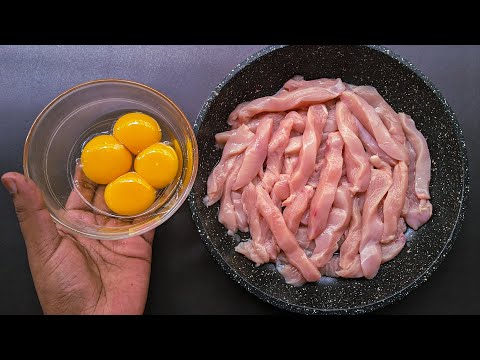
The source video with 325K+ requests — demonstrates the core one-pan method and shows exactly how golden the potatoes should look before adding the broth. Pay attention to the color of the fond in the pan after the chicken sears.
2. Placeholder Reference
Alternative weeknight skillet technique with emphasis on fond development and proper deglazing. Useful for understanding how much liquid to add and why the simmer temperature matters.
3. Placeholder ReferenceFocused on potato prep — uniform cutting, why Yukon Golds outperform russets in braised dishes, and how to test for doneness without breaking the pieces apart.
🛠️ Core Equipment
- 12-inch heavy skillet with lid ↗A wide base gives every piece of chicken room to sear without touching. The lid is essential for the covered braise that finishes the potatoes. Cast iron or stainless steel — not non-stick, which can't handle the high sear temperature and won't develop proper fond.
- Wooden spoon or flat spatula ↗For deglazing — you need something with a firm edge that can scrape the caramelized bits off the pan bottom without scratching. Metal works fine on stainless, but wood is safer on most surfaces.
- Paper towels ↗Non-negotiable for patting the chicken dry before searing. This single step is the difference between a golden crust and gray, steamed meat. Keep a stack next to the cutting board.
- Sharp chef's knife ↗For uniform 3/4-inch potato cubes. Inconsistent cuts produce inconsistent cooking. A dull knife makes clean potato cubes difficult and dangerous.
The One-Pan Chicken and Potato Skillet (Stop Babysitting Your Stove)
🛒 Ingredients
- ✦1.5 pounds boneless, skinless chicken thighs, cut into bite-sized pieces
- ✦1.25 pounds Yukon Gold potatoes, cubed into 3/4-inch pieces
- ✦3 tablespoons extra virgin olive oil
- ✦1 large yellow onion, finely diced
- ✦4 cloves garlic, minced
- ✦1 cup low-sodium chicken broth
- ✦1/2 cup dry white wine or additional broth
- ✦2 teaspoons fresh thyme leaves
- ✦1 teaspoon fresh rosemary, finely chopped
- ✦2 bay leaves
- ✦1 teaspoon sea salt
- ✦1/2 teaspoon freshly cracked black pepper
- ✦1/4 teaspoon red pepper flakes
- ✦2 medium carrots, sliced into half-moons
- ✦1 cup low-sodium vegetable broth
- ✦2 tablespoons fresh parsley, chopped
- ✦1 teaspoon Dijon mustard
- ✦Juice of half a fresh lemon
👨🍳 Instructions
01Step 1
Pat the chicken thighs dry with paper towels and season generously with salt and black pepper on both sides. Let rest uncovered for 2 minutes.
02Step 2
Heat the olive oil in a large skillet over medium-high heat until it shimmers, about 2 minutes.
03Step 3
Add the chicken to the hot skillet in a single layer without crowding. Sear for 4-5 minutes per side until deeply golden brown. Work in batches if needed. Transfer to a clean plate.
04Step 4
Reduce heat to medium. Add the diced onion to the same skillet and sauté until translucent and softened, about 4 minutes.
05Step 5
Stir in the minced garlic and cook for 1 minute until fragrant. Do not let it brown.
06Step 6
Pour in the white wine and scrape the bottom of the skillet firmly with a wooden spoon to release all the browned fond. Let reduce for 2 minutes.
07Step 7
Add the cubed potatoes and sliced carrots, stirring to coat them with the oil and pan juices.
08Step 8
Return the seared chicken to the skillet. Add the chicken broth, vegetable broth, thyme, rosemary, bay leaves, red pepper flakes, and Dijon mustard. Stir to combine.
09Step 9
Bring to a gentle simmer, then reduce heat to medium-low and cover with a lid.
10Step 10
Simmer for 25-30 minutes until the potatoes are fork-tender and the chicken is cooked through, stirring occasionally.
11Step 11
Remove the bay leaves. Stir in the fresh lemon juice and chopped parsley.
12Step 12
Taste and adjust seasoning with additional salt and pepper as needed. Serve directly from the skillet.
Nutrition Per Serving
Estimates based on standard preparation. Adjustments alter macros.
🔄 Substitutions
Instead of Chicken thighs...
Use Skinless chicken breasts
Reduce cook time to 18-20 minutes to prevent drying out. Breasts have less fat and will tighten quickly. Watch the internal temp — pull at 165°F, not by the clock.
Instead of Yukon Gold potatoes...
Use 50/50 cauliflower florets and Yukon Golds
Cuts carb load significantly. Cauliflower breaks down faster than potato — add it 10 minutes after the potatoes so it doesn't turn to mush.
Instead of Dry white wine...
Use 1 tablespoon apple cider vinegar plus extra broth
Tangier and more pronounced. The vinegar provides the acidity that wine deglazes with. Start with 1 tablespoon — taste before adding more.
Instead of Extra virgin olive oil...
Use Avocado oil
Higher smoke point makes searing cleaner. Neutral flavor lets the herbs and fond come through more clearly. Use the same quantity.
🧊 Storage & Reheating
In the Fridge
Store in an airtight container for up to 4 days. The flavors deepen overnight as the potatoes absorb the sauce.
In the Freezer
Freeze in individual portions for up to 2 months. The potatoes will soften slightly on reheating but hold their shape reasonably well.
Reheating Rules
Add 2-3 tablespoons of broth or water, cover the pan, and reheat on medium-low for 10 minutes. The added liquid prevents the potatoes from drying out and restores the sauce consistency.
❓ Frequently Asked Questions
Why are my potatoes still hard after 30 minutes?
Two likely causes: the pieces are too large (larger than 3/4 inch takes significantly longer), or the simmer temperature is too low. The liquid should be maintaining a visible gentle simmer — small bubbles breaking the surface steadily. If it's barely moving, raise the heat slightly and add another 10 minutes covered.
Can I use dried herbs instead of fresh?
For the thyme and rosemary that go in during cooking, yes — use one-third the quantity (dried herbs are more concentrated). For the parsley at the end, dried is not a substitute. Fresh parsley at the finish is about brightness and color; dried adds neither.
Why does my sauce look thin and greasy?
The Dijon mustard emulsifies the sauce — if you skipped it or reduced it, the fat and broth separate. A second fix: whisk in an extra half-teaspoon of Dijon at the end, off the heat, and stir vigorously. The lecithin in the mustard will pull it back together.
Can I make this in a Dutch oven instead of a skillet?
Yes, and it works well. A [Dutch oven](/kitchen-gear/review/dutch-oven) retains heat more evenly and the slightly deeper walls make the covered braise more efficient. Reduce the liquid by about 1/4 cup since less evaporation occurs.
Do I need to peel the potatoes?
No. Yukon Gold skin is thin and becomes tender during the braise. Leaving it on adds texture and a small amount of additional fiber. If you prefer peeled, it's purely cosmetic.
How do I know the chicken is fully cooked?
The most reliable method is a meat thermometer reading 165°F at the thickest piece. Visual check: the juices should run clear when you cut into a piece, and there should be no translucent pink in the center. After 25-30 minutes of covered braise, properly sized pieces will always be done.
The Science of
The One-Pan Chicken and Potato Skillet (Stop Babysitting Your Stove)
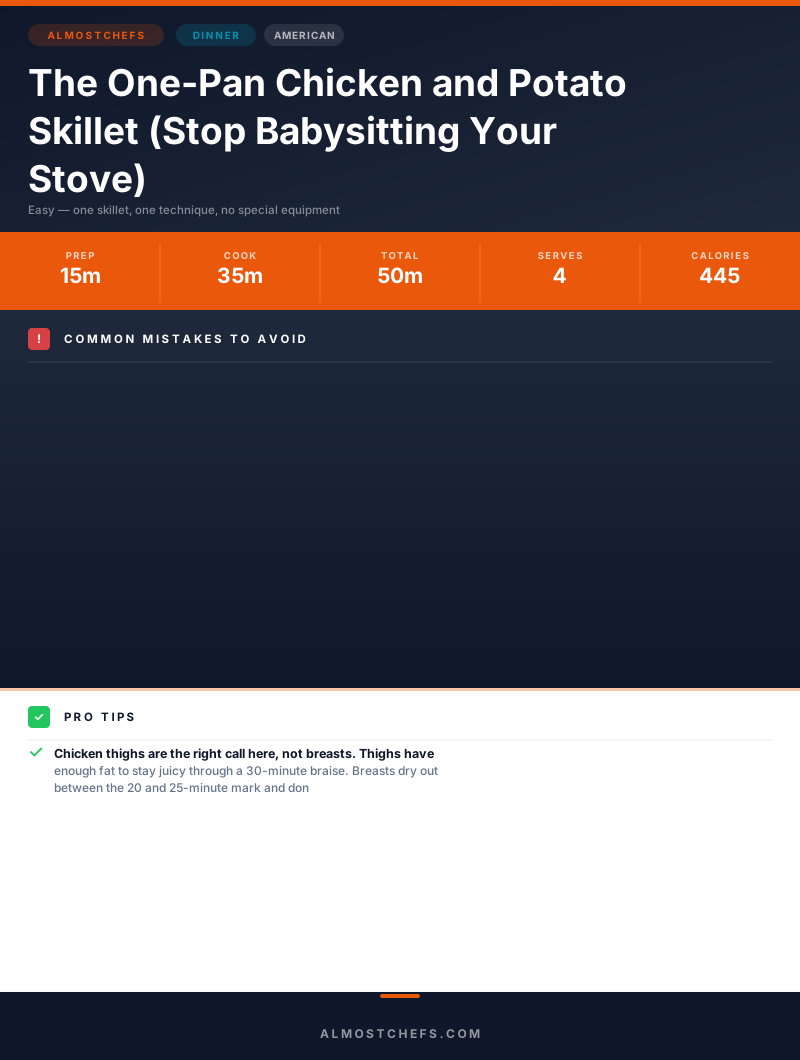
We turned everything on this page into a beautiful, flour-proof PDF cheat sheet. Print it out, stick it to your fridge, and never mess up your the one-pan chicken and potato skillet (stop babysitting your stove) again.
*We'll email you the high-res PDF instantly. No spam, just perfectly cooked meals.
AlmostChefs Editorial Team
We translate the internet's most popular cooking videos into foolproof, beginner-friendly written recipes. We analyze multiple methods, test them in our kitchen, and engineer a single "Master Recipe" that gives you the best possible result with the least possible stress.