Crispy Chicken Piccata (The 30-Minute Italian You'll Actually Make)
Tender chicken breasts pounded thin, seared golden, and finished with a bright lemon-caper butter sauce. We analyzed the technique failures that turn this 30-minute classic into a soggy, bland disappointment — and built the version that gets it right every time.
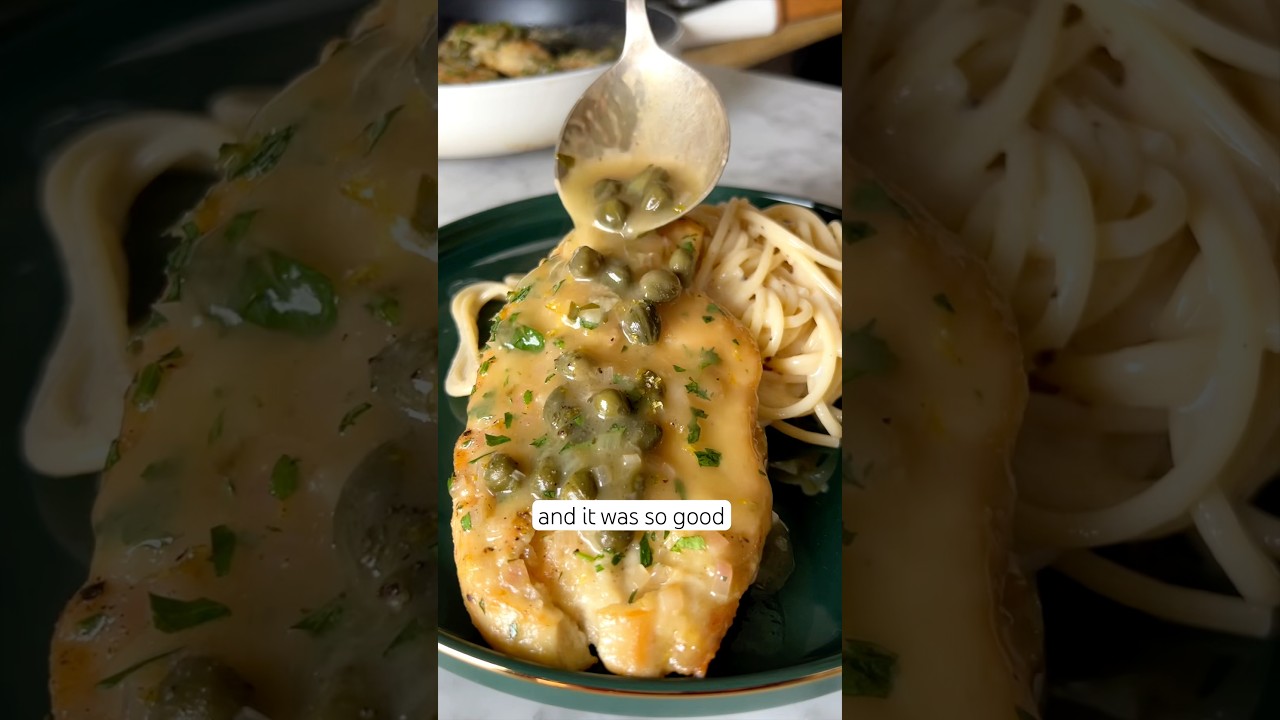
“Chicken piccata has four ingredients in the sauce. Four. And yet most home versions produce either a watery, flavorless liquid or an overly rich butter bomb that buries the brightness the dish depends on. The secret is in the sequence: you deglaze, reduce, and mount the butter in the right order, at the right temperature. Get that right and you have a restaurant sauce. Get it wrong and you have expensive lemon water on a chicken breast.”
Why This Recipe Works
Chicken piccata is three things: a pounded cutlet, a quick sear, and a pan sauce. Every word of that sentence matters. Restaurants serve it in 15 minutes because they understand each step precisely. Home cooks produce disappointing results because they treat the whole thing as one continuous operation instead of three distinct technical moments.
The Pound Is Not Optional
A chicken breast is not a uniform object. The natural taper from thick to thin means you cannot cook it evenly without intervention. Left unpounded, by the time the thick end reaches 165°F, the thin end has been at 200°F for two minutes and has the texture of a gym towel. Pounding to 1/4-inch thickness is not a restaurant affectation — it is the physical prerequisite for the dish to work at all.
Use a meat mallet and work from the center outward. The goal is uniform thickness, not pulverized meat. Light, controlled strikes spread the breast laterally. Aggressive pounding tears the muscle fibers and creates a ragged, falling-apart cutlet that won't hold its flour coating through the sear.
The Sear Is a Separate Operation
Many piccata recipes tell you to sear all four breasts simultaneously. In a home kitchen, this is almost always wrong. A standard 12-inch skillet has enough surface area for two properly pounded breasts without crowding. Add a third or fourth and you drop the pan temperature below the threshold for Maillard browning — roughly 280°F at the surface — and the chicken steams instead of sears.
The visual difference is obvious: properly seared chicken is golden brown with visible crust. Overcrowded chicken is pale grey with a soft, damp exterior. The flavor difference is enormous. Batch cooking adds four minutes to the total time. It is always worth it.
The Sauce Is Three Distinct Steps
This is where piccata either succeeds or collapses. Most failed versions blur these together:
Step one: deglaze. After the chicken is out and the heat is reduced, the white wine goes in and you scrape the fond — the dark, caramelized bits on the pan bottom — into the liquid. This is not aesthetic housekeeping. Fond is the concentrated result of the Maillard reaction: proteins and sugars that have transformed into complex, savory flavor compounds. Every bit you leave on the pan bottom is flavor you're leaving behind.
Step two: reduce. The broth and lemon juice simmer uncovered until the sauce drops in volume by roughly a third. This concentrates the flavor, cooks off the raw alcohol, and builds the viscosity that lets the sauce coat the chicken instead of pooling at the bottom of the plate. Skipping this step — adding the chicken back before the sauce has reduced — is the single most common cause of watery piccata.
Step three: finish. The parsley and lemon zest go in off the heat, at the very end. Lemon zest contains aromatic oils in the peel that are volatile — they evaporate quickly at cooking temperatures. Adding zest during simmering gives you almost nothing. Adding it after the pan comes off the heat means those oils stay in the dish, giving you that bright, electric citrus lift that makes the sauce taste alive rather than flat.
The Caper Question
Capers are not a garnish. They are a structural component of the sauce. Their job is to provide salt, brine, and a slight fermented funk that creates contrast against the lemon's brightness and the butter's richness. A sauce without capers is not balanced piccata — it's just lemon butter chicken, which is fine, but it's a different dish.
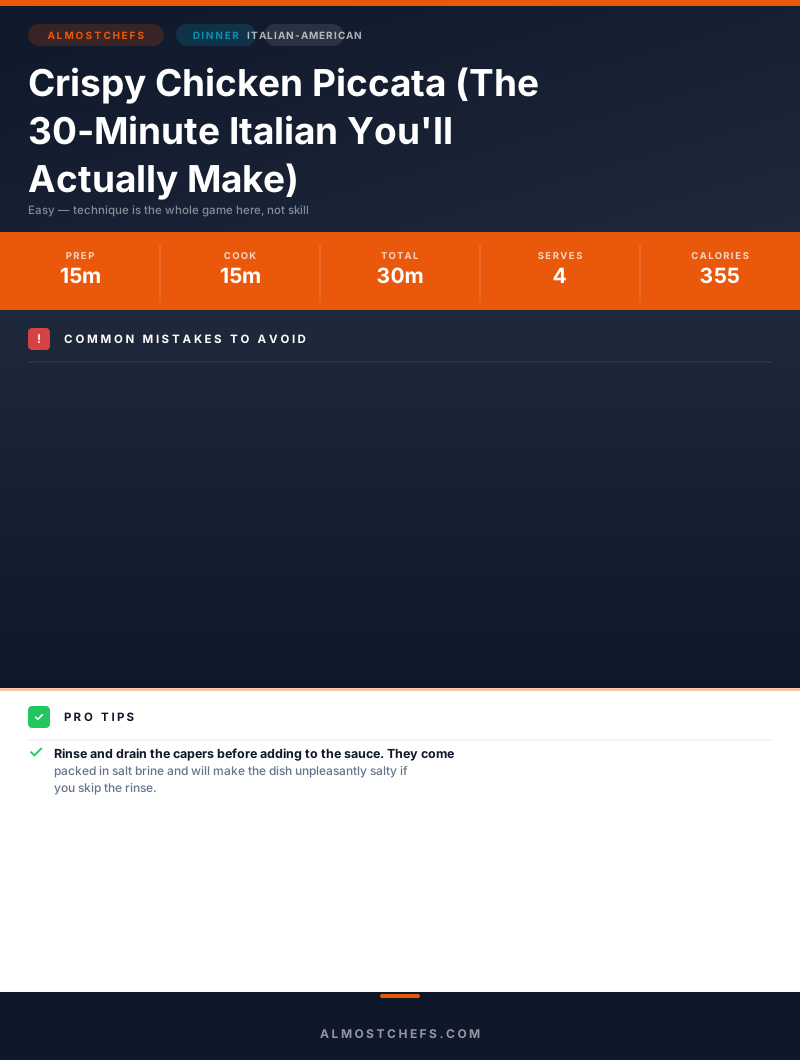
Rinse them before adding. Capers packed in brine are aggressively salted, and adding them unrinsed will make the sauce taste like the ocean. One rinse under cold water takes ten seconds and preserves all the flavor while removing the excess salt.
A stainless steel skillet is the right tool for this entire operation. It develops fond that non-stick pans cannot, it handles the temperature swings from searing to sauce-building without warping, and it lets you see the sauce reducing and changing color clearly. This is one of the few dishes where the pan choice materially affects the outcome. Choose accordingly.
Where Beginners Mess This Up
Before we start, read this. These are the 4 reasons your crispy chicken piccata (the 30-minute italian you'll actually make) will fail:
- 1
Skipping the pound: Chicken breasts are naturally thick on one end and thin on the other. Cooking an uneven breast means the thin end overcooks to leather before the thick end is safe to eat. You must pound to an even 1/4-inch thickness. This is not optional — it's why piccata cooks in 4 minutes per side instead of 20.
- 2
Overcrowding the pan: Pack too many chicken pieces into the skillet and you drop the pan temperature below the Maillard threshold. Instead of searing to a golden crust, the chicken steams in its own moisture and comes out pale, soft, and sad. Work in batches. Every time.
- 3
Adding butter to a screaming-hot pan: After searing the chicken, you must reduce the heat to medium before adding butter. Butter burns at 300°F — well below the 400°F+ you need for searing. Butter in an overheated pan turns brown instantly and tastes bitter, not nutty. Let the pan cool down, then build the sauce.
- 4
Not reducing the sauce: The broth and wine need 3-4 minutes of open simmering to reduce by about a third. Many cooks add the chicken back before the sauce concentrates, resulting in a thin liquid that slides off the plate. Wait for it to coat the back of a spoon before anything goes back in.
The Video Reference Library
Want to see it in action? Here are the exact videos we analyzed and combined to build this foolproof recipe translation:
The source video for this recipe. Clear technique walkthrough covering the pounding method, searing sequence, and sauce-building steps that most recipes gloss over.
🛠️ Core Equipment
- Large stainless steel or cast iron skilletYou need a pan that retains high heat for searing and responds quickly when you drop to medium for the sauce. Non-stick pans don't develop the fond — the browned bits on the pan bottom — that deglaze into the sauce's backbone flavor.
- Meat malletEven thickness is the entire premise of the dish. A rolling pin or heavy skillet works in a pinch, but a [meat mallet](/kitchen-gear/review/meat-mallet) gives you controlled, uniform pressure without tearing the meat fibers.
- Shallow bowl or plate for dredgingYou need a wide, flat surface to coat the chicken evenly in flour. A deep bowl traps excess flour in the corners and creates uneven coating. Wide and flat lets you control exactly how much flour stays on each piece.
- Wooden spoon or flat spatulaFor scraping the fond off the pan bottom when you deglaze. A rigid edge gets every caramelized bit. This step is where a full third of the sauce flavor comes from — don't skip it.
Crispy Chicken Piccata (The 30-Minute Italian You'll Actually Make)
🛒 Ingredients
- ✦4 boneless, skinless chicken breasts (about 6 oz each)
- ✦1/2 cup all-purpose flour
- ✦1 teaspoon sea salt
- ✦1/2 teaspoon freshly ground black pepper
- ✦3 tablespoons extra virgin olive oil
- ✦2 tablespoons unsalted butter
- ✦4 cloves garlic, minced
- ✦1/2 cup dry white wine
- ✦1 cup low-sodium chicken broth
- ✦1/3 cup fresh lemon juice
- ✦3 tablespoons capers, drained and rinsed
- ✦1 tablespoon fresh lemon zest
- ✦2 tablespoons fresh flat-leaf parsley, chopped
- ✦1/4 teaspoon red pepper flakes (optional)
- ✦2 tablespoons capers packed in brine, reserved for garnish
👨🍳 Instructions
01Step 1
Place each chicken breast between two sheets of plastic wrap and pound with a meat mallet to an even 1/4-inch thickness throughout.
02Step 2
Combine flour, salt, and pepper in a shallow bowl. Dredge each chicken breast in the mixture and shake off the excess.
03Step 3
Heat olive oil in a large skillet over medium-high heat until it shimmers and moves freely across the pan.
04Step 4
Working in batches to avoid overcrowding, sear the chicken 4-5 minutes per side until golden brown and cooked through. Transfer to a clean plate.
05Step 5
Reduce heat to medium. Add butter to the same skillet and let it melt, then add the minced garlic and cook for 1 minute until fragrant and just turning light golden.
06Step 6
Pour in the white wine and scrape the browned bits from the pan bottom with a wooden spoon.
07Step 7
Add chicken broth and fresh lemon juice. Stir to combine and bring to a simmer.
08Step 8
Add the rinsed capers and red pepper flakes if using. Taste and adjust seasoning. Simmer uncovered for 3-4 minutes until the sauce reduces slightly and coats the back of a spoon.
09Step 9
Return the chicken to the skillet and nestle into the sauce. Simmer together for 3-4 minutes until everything is heated through and the sauce clings to the chicken.
10Step 10
Remove from heat. Stir in the fresh parsley and lemon zest.
11Step 11
Plate the chicken and spoon the piccata sauce generously over each piece. Garnish with the reserved brined capers.
Nutrition Per Serving
Estimates based on standard preparation. Adjustments alter macros.
🔄 Substitutions
Instead of All-purpose flour...
Use Whole wheat pastry flour or chickpea flour
Whole wheat adds a slightly nuttier edge. Chickpea flour adds plant protein and a crisper exterior. Either works — just shake off excess more carefully as both absorb oil faster.
Instead of Unsalted butter...
Use Grass-fed ghee or additional extra virgin olive oil
Ghee produces a cleaner, more focused richness with a higher smoke point — easier to control. Olive oil makes the dish fully dairy-free but removes the classic butter-sauce richness.
Instead of Dry white wine...
Use Additional lemon juice with vegetable broth, or alcohol-free white grape juice
The wine's job is acidity and deglazing, not flavor complexity. Additional lemon juice plus broth replicates the function. White grape juice adds sweetness — use sparingly.
Instead of Boneless, skinless chicken breasts...
Use Chicken thighs or wild-caught halibut fillets
Thighs stay more moist and forgive slight overcooking. Halibut turns this into fish piccata — a legitimate Italian preparation. Reduce cook time for halibut to 3 minutes per side.
🧊 Storage & Reheating
In the Fridge
Store in an airtight container with the sauce for up to 3 days. The chicken will absorb some sauce overnight — this is fine, and many people prefer day-two piccata.
In the Freezer
Not recommended. The lemon butter sauce separates when frozen and thawed, and the chicken texture suffers. Make fresh.
Reheating Rules
Reheat gently in a covered skillet over low heat with a splash of chicken broth to loosen the sauce. High heat breaks the butter emulsion and turns the sauce greasy.
❓ Frequently Asked Questions
Why is my piccata sauce watery and thin?
You didn't reduce it long enough. After adding the broth and lemon juice, the sauce needs 3-4 minutes of open simmering to cook off excess water and concentrate. It should visibly thicken and coat a spoon before the chicken goes back in. If you skip this step, you get broth on a plate.
Can I make this without wine?
Yes. Replace the wine with an equal amount of additional chicken broth plus an extra tablespoon of lemon juice. The wine's function is acidity and deglazing — lemon juice handles the first job and broth handles the second.
Why does my chicken stick to the pan?
Either the pan wasn't hot enough before the chicken went in, or you tried to flip too early. Properly seared chicken releases naturally from stainless steel when the crust has formed. If you're forcing it, give it another 60-90 seconds.
Do I have to use capers? I don't like them.
You can omit them, but understand that they aren't just a garnish — they provide the briny, savory contrast that balances the lemon's acidity and the butter's richness. Without capers, you have lemon butter chicken, which is good, but it's not piccata.
Can I use lemon from a bottle instead of fresh?
No. Bottled lemon juice is pasteurized, which destroys the volatile aromatic compounds that make fresh lemon bright and sharp. It also often contains preservatives that turn bitter in a hot pan. Fresh lemon juice and zest are non-negotiable in this dish.
What should I serve with chicken piccata?
Thin spaghetti or linguine tossed in the excess sauce is the classic pairing. Steamed or roasted asparagus works well for a lighter plate. Crusty bread to mop the sauce is mandatory regardless of what else you serve.
The Science of
Crispy Chicken Piccata (The 30-Minute Italian You'll Actually Make)
We turned everything on this page into a beautiful, flour-proof PDF cheat sheet. Print it out, stick it to your fridge, and never mess up your crispy chicken piccata (the 30-minute italian you'll actually make) again.
*We'll email you the high-res PDF instantly. No spam, just perfectly cooked meals.
AlmostChefs Editorial Team
We translate the internet's most popular cooking videos into foolproof, beginner-friendly written recipes. We analyze multiple methods, test them in our kitchen, and engineer a single "Master Recipe" that gives you the best possible result with the least possible stress.