Masterclass: Easy Homemade Chicken Pasta (Stop Doing It Wrong)
Tender golden-seared chicken in a creamy tomato sauce over perfectly al dente pasta, finished with Parmesan and fresh herbs. We dissected the most-viewed village-style pasta videos to isolate the three technique decisions that separate a silky, restaurant-worthy sauce from a greasy, broken one.

“Chicken pasta is everywhere, and most of it is mediocre. The chicken is dry, the sauce is either thin or cloying, and the pasta sits in a puddle rather than being coated. The gap between a forgettable bowl and one that makes you clean the pan with bread comes down to three decisions: how you sear the chicken, when you add the pasta water, and how you finish with Parmesan. None of them are hard. All of them are skipped constantly.”
Why This Recipe Works
Chicken pasta is the most-cooked dinner in the English-speaking world and one of the most consistently disappointing. The chicken is overcooked. The sauce is either thin as broth or thick as wallpaper paste. The pasta sits in a puddle of oil at the bottom of the bowl. None of these failures are inevitable. All of them trace back to the same three moments in the recipe where technique diverges from habit.
The Sear Is the Foundation
Everything that happens after the chicken leaves the pan depends on what happens during the sear. Specifically, it depends on the fond — the layer of caramelized proteins and sugars that accumulate on the bottom of the skillet as the chicken cooks. That fond is not a mess to be cleaned. It is concentrated flavor waiting to be dissolved into the sauce.
To get a proper fond, the chicken surface must be completely dry before it hits the oil. Moisture prevents the Maillard reaction from starting — instead of browning, you get steaming, which produces a pale, soft exterior with no flavor contribution to the pan. Pat the chicken dry until the surface feels almost tacky. This takes 30 seconds and changes the entire dish.
Then leave it alone. The chicken will stick briefly, then release cleanly once the crust forms. Moving it early tears the surface and leaves the crust behind on the pan. Six to seven minutes per side over medium-high produces the deep golden color you want. When the chicken transfers to the cutting board, what remains in the pan is the sauce's backbone.
The Sauce Is Built in Layers
The onion-garlic foundation is not background noise — it's 40% of the sauce's flavor. The onion goes in first and needs to soften completely before anything else happens. Four to five minutes, stirring often, until it's translucent and just starting to turn golden at the edges. Then garlic for exactly one minute with constant stirring. One minute. Not two. Garlic moves from fragrant to acrid faster than most people expect, and burnt garlic is a flavor you cannot cook out.
The tomato and broth go in next, and this is where impatience causes damage. The simmer phase — 5 to 7 minutes — is when the raw tomato edge burns off and the flavors concentrate. Rushing this produces a sauce that tastes flat and slightly metallic. The cream goes in after, just long enough to thicken slightly. Then the chicken returns to the pan to heat through, not to continue cooking.
Pasta Water Is the Real Finishing Tool
The single most powerful tool in Italian cooking costs nothing and gets poured down the drain by most home cooks. Pasta water is starchy, salty, and slightly viscous — it emulsifies fat and water together in a way that neither water nor cream alone can replicate. Adding it gradually, while tossing, transforms a sauce that coats the pasta into one that clings to it at a molecular level.
The key word is gradually. Start with a quarter cup, toss, evaluate. Add more if the sauce needs to loosen. The target is fluid and glossy, not pooled at the bottom of the bowl. You may not need all of it.
The Parmesan finish requires the same patience as the pasta water. Off heat — or very low heat — gives the cheese time to melt without seizing. Stir for 30 seconds. The sauce will tighten visibly as the proteins integrate. The lemon juice goes in last, and it matters more than it seems: a small hit of acid cuts through the fat and makes every other flavor in the bowl sharper and more distinct.
Why These Steps Get Skipped
Because they feel slow. The dry pat, the patient sear, the full simmer, the gradual pasta water — none of them are technically difficult. All of them require resisting the impulse to speed up. That resistance is the actual skill here. A heavy-bottomed skillet helps with even heat. A large pasta pot gives the pasta room to cook properly. But no equipment compensates for lifting the chicken too early or flooding the sauce with pasta water all at once.
Follow the steps in order. Don't rush the simmer. Add the cheese off heat. The whole dish takes 50 minutes, and 40 of those minutes are mostly waiting. Make peace with the waiting and the result takes care of itself.
Where Beginners Mess This Up
Before we start, read this. These are the 4 reasons your masterclass: easy homemade chicken pasta (stop doing it wrong) will fail:
- 1
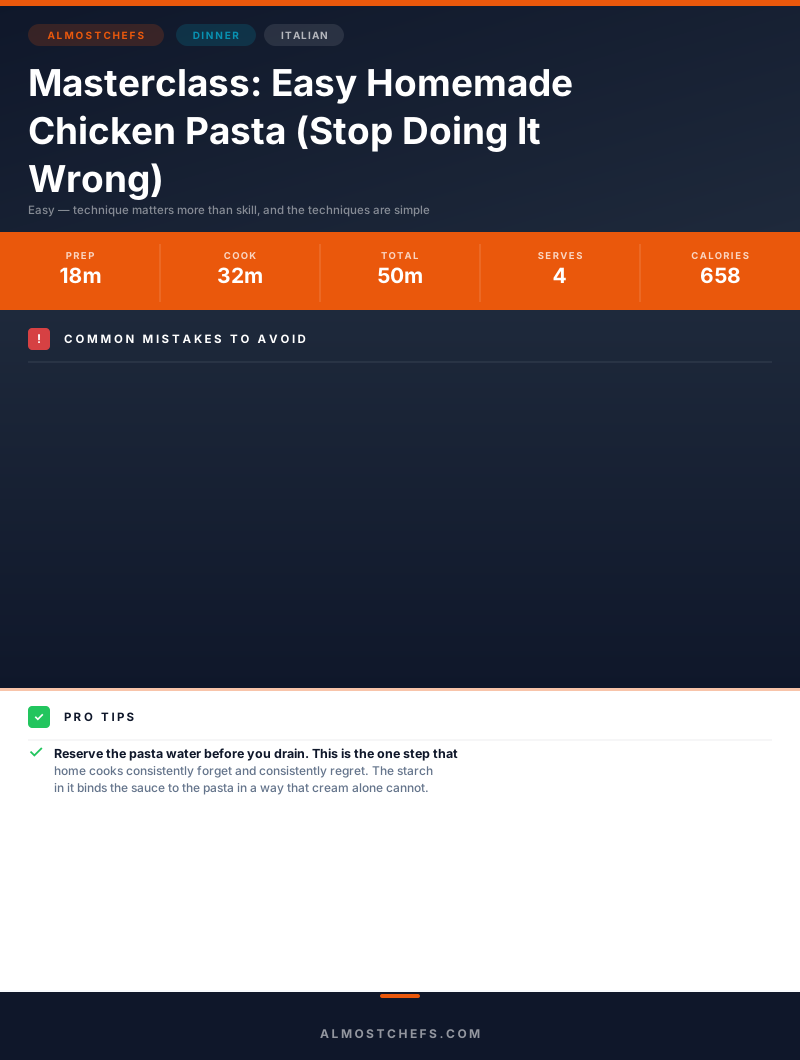
Skipping the dry pat before searing: Moisture on the surface of chicken prevents browning. Steam forms instead of a sear, and you get pale, rubbery chicken with no crust and no fond. Pat dry with paper towels until the surface feels almost tacky — that's when you'll get the golden crust that adds color and flavor to the entire dish.
- 2
Dumping the pasta water all at once: Pasta water is starchy and thick, and too much of it floods the sauce into soup. Add it in increments — start with a quarter cup, toss, assess. The sauce should coat the pasta and move fluidly, not pool at the bottom. Restraint here is the difference between creamy and watery.
- 3
Adding Parmesan to a screaming-hot pan: Parmesan added to high heat doesn't melt — it seizes into rubbery clumps and releases its fat separately, creating a greasy, gritty sauce. Pull the pan off the burner or drop the heat to low before stirring in the cheese. Residual heat is enough. Patience finishes the job.
- 4
Cooking the garlic too long: Garlic goes from fragrant to acrid in under 90 seconds over medium heat. It should be added after the onions are soft and translucent, then cooked for exactly one minute with constant stirring. Burnt garlic cannot be rescued — it flavors everything it touches.
The Video Reference Library
Want to see it in action? Here are the exact videos we analyzed and combined to build this foolproof recipe translation:
The source video that inspired this recipe. Village-style preparation emphasizing simple technique and quality ingredients over complexity. Worth watching for the sauce-building sequence.
🛠️ Core Equipment
- Large heavy-bottomed skilletA wide, heavy skillet gives you even heat for searing the chicken and enough surface area to toss pasta without ingredients flying out. Thin skillets create hot spots that burn the fond before you can build the sauce on top of it.
- Large pasta potPasta needs room to move. A crowded pot drops the water temperature when pasta is added, leading to uneven cooking and sticky clumps. Use the largest pot you own and salt the water aggressively — it should taste like mild seawater.
- Fine-mesh sieve or colanderFor draining pasta quickly while reserving the starchy cooking water. Set a measuring cup in the sink before you drain — it's easy to forget, and pasta water is the single best sauce-finishing tool in Italian cooking.
- Large heavy-bottomed skillet (also)Even heat distribution for the sear and enough surface area to toss pasta without making a mess. Thin pans create hot spots that burn the fond before you can build the sauce.
- Large pasta potPasta needs room to move or it cooks unevenly and sticks. Use the biggest pot you own and salt the water until it tastes like mild seawater.
- Fine-mesh sieve or colanderSet a measuring cup in the sink before draining — you need to capture at least one cup of starchy pasta water. It's the most important sauce tool in Italian cooking and the easiest to forget.
- Instant-read thermometerChicken breasts are done at 165°F internal. Without a thermometer you're guessing, and guessing leads to either undercooked centers or overcooked dry edges. One tool, no more slicing to check.
Masterclass: Easy Homemade Chicken Pasta (Stop Doing It Wrong)
🛒 Ingredients
- ✦1.25 pounds boneless, skinless chicken breasts
- ✦1 pound dried pasta (penne, fettuccine, or spaghetti)
- ✦4 tablespoons extra virgin olive oil, divided
- ✦4 cloves garlic, minced
- ✦1 medium yellow onion, finely diced
- ✦1 cup heavy cream or whole milk
- ✦0.75 cup freshly grated Parmesan cheese
- ✦1 teaspoon kosher salt, plus more to taste
- ✦0.5 teaspoon freshly ground black pepper
- ✦1 can (14 ounces) crushed tomatoes or 2 cups fresh tomatoes, chopped
- ✦0.75 cup low-sodium chicken broth
- ✦2 teaspoons dried Italian seasoning
- ✦3 tablespoons unsalted butter
- ✦2 tablespoons fresh lemon juice
- ✦0.25 teaspoon red pepper flakes
- ✦0.25 cup fresh basil or parsley, chopped
👨🍳 Instructions
01Step 1
Pat the chicken breasts thoroughly dry with paper towels and season both sides generously with salt and black pepper.
02Step 2
Heat 2 tablespoons of olive oil in a large skillet over medium-high heat until shimmering, about 2 minutes.
03Step 3
Sear the chicken breasts undisturbed for 6-7 minutes per side until deep golden brown, then transfer to a cutting board and rest for 5 minutes.
04Step 4
Slice or cube the rested chicken into bite-sized pieces and set aside.
05Step 5
Bring a large pot of heavily salted water to a boil. Cook the pasta until just al dente — still slightly firm — then drain and reserve 1 cup of the starchy pasta water.
06Step 6
In the same skillet over medium heat, add the remaining 2 tablespoons of olive oil and 2 tablespoons of butter.
07Step 7
Add the diced onion and sauté for 4-5 minutes until softened and translucent, stirring frequently.
08Step 8
Add the minced garlic and cook for exactly 1 minute, stirring constantly. Do not let it brown.
09Step 9
Pour in the crushed tomatoes and chicken broth. Add the Italian seasoning and red pepper flakes. Simmer for 5-7 minutes, stirring occasionally.
10Step 10
Stir in the heavy cream and bring to a gentle simmer for 2-3 minutes until slightly thickened.
11Step 11
Add the sliced chicken back to the skillet and stir to coat, heating through for 2-3 minutes.
12Step 12
Add the cooked pasta and toss to combine, adding reserved pasta water a quarter cup at a time until the sauce coats every strand fluidly.
13Step 13
Remove from heat or reduce to low. Stir in the grated Parmesan until fully melted and incorporated, then add the fresh lemon juice.
14Step 14
Taste and adjust seasoning with salt, pepper, or lemon juice.
15Step 15
Divide among bowls and garnish with fresh basil or parsley.
Nutrition Per Serving
Estimates based on standard preparation. Adjustments alter macros.
🔄 Substitutions
Instead of Heavy cream...
Use Greek yogurt or sour cream
Tangier flavor, lighter mouthfeel, lower saturated fat. Add off-heat to prevent curdling — high heat causes dairy proteins to seize.
Instead of Boneless chicken breasts...
Use Bone-in, skin-on chicken thighs
Richer, more forgiving result — thighs stay moist longer. Add 10-12 minutes of cooking time per side. Worth the extra effort for flavor.
Instead of Unsalted butter...
Use Olive oil or ghee
Olive oil adds anti-inflammatory benefits; ghee works well but produces a slightly less rich sauce. Use the same quantity.
Instead of Parmesan cheese...
Use Pecorino Romano or nutritional yeast
Pecorino is sharper and saltier — use slightly less. Nutritional yeast is vegan with a nutty, cheesy profile and added B vitamins.
🧊 Storage & Reheating
In the Fridge
Store in an airtight container for up to 3 days. The sauce thickens as it sits — add a splash of water or broth when reheating.
In the Freezer
Freeze without the pasta for up to 2 months. Pasta texture degrades significantly when frozen and thawed. Cook fresh pasta when serving from frozen sauce.
Reheating Rules
Reheat in a skillet over low heat with 2-3 tablespoons of water or broth, stirring gently to re-emulsify the sauce. Microwave works but tends to separate the cream sauce — use low power in 30-second intervals.
❓ Frequently Asked Questions
Why is my pasta sauce watery?
One of two reasons: you added too much pasta water at once, or you didn't simmer the tomatoes long enough for the excess liquid to evaporate. Add pasta water in quarter-cup increments and always simmer the tomato-broth base for the full 5-7 minutes before adding cream.
Why did my Parmesan clump instead of melt?
The pan was too hot when you added the cheese. Parmesan added to high heat seizes immediately and releases its fat separately. Pull the pan off the burner completely before stirring in the cheese — residual heat will melt it smoothly within 30 seconds of stirring.
Can I use chicken thighs instead of breasts?
Yes, and the result will be richer and more forgiving. Thighs have more fat and collagen, so they stay moist even if slightly overcooked. Add about 10-12 minutes total cooking time and expect a more golden fond in the pan.
Do I have to use heavy cream?
No. Whole milk works and produces a lighter sauce. Greek yogurt or sour cream adds a pleasant tang with less fat, but must be added off heat to prevent curdling. Half-and-half is the easiest middle ground — more body than milk, less richness than cream.
Why does my chicken come out dry?
Most likely one of two things: you didn't let it rest before slicing (juices run out immediately on cut), or the chicken was overcooked past 165°F internal. An instant-read thermometer eliminates the guesswork entirely.
What pasta shape works best?
Penne and rigatoni hold chunky sauces well in their ridges and tubes. Fettuccine and spaghetti work better with thinner, cream-forward sauces. Any shape works here — use what you have, but match the sauce weight to the pasta thickness for best results.
The Science of
Masterclass: Easy Homemade Chicken Pasta (Stop Doing It Wrong)
We turned everything on this page into a beautiful, flour-proof PDF cheat sheet. Print it out, stick it to your fridge, and never mess up your masterclass: easy homemade chicken pasta (stop doing it wrong) again.
*We'll email you the high-res PDF instantly. No spam, just perfectly cooked meals.
AlmostChefs Editorial Team
We translate the internet's most popular cooking videos into foolproof, beginner-friendly written recipes. We analyze multiple methods, test them in our kitchen, and engineer a single "Master Recipe" that gives you the best possible result with the least possible stress.