The Only Chicken Noodle Soup Recipe You Need (Built for Real Flavor)
Homemade chicken noodle soup with tender poached chicken, sautéed aromatics, and fresh herb-infused broth. We broke down the technique to fix the two reasons most versions taste like hot water with chicken floating in it.
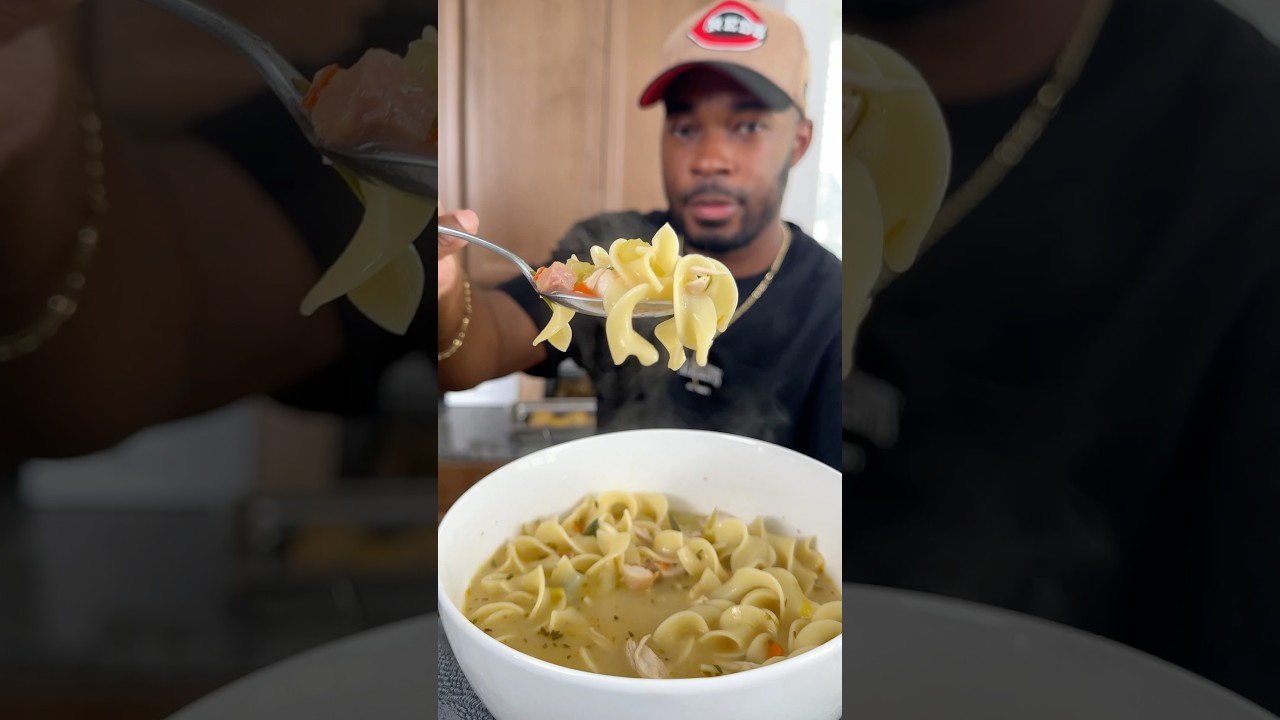
“Most chicken noodle soup fails at the same two points: the broth tastes flat because nobody built a proper flavor base, and the noodles turn to paste because they cooked in the soup and kept absorbing liquid long after dinner. Fix those two things and every other variable takes care of itself. This recipe fixes both.”
Why This Recipe Works
Chicken noodle soup has been reduced by decades of convenience culture to something you open from a can when you feel bad. That's a shame, because good chicken noodle soup — made properly — tastes nothing like tinned broth and soft vegetable mush. It tastes like something someone actually cooked for you.
The gap between mediocre and exceptional is not exotic ingredients or complicated technique. It's two decisions made in the first fifteen minutes of cooking.
Build the Flavor Base First
Raw vegetables simmered in broth produce thin, vegetable-water soup. It has no depth, no savory backbone, nothing to anchor the broth or make it feel like it has weight. Seven minutes of sautéing onion, carrot, and celery in a Dutch oven before any liquid enters the pot changes everything.
At sustained heat, the surface sugars in the onion begin caramelizing. The cellulose in the carrots softens, releasing their natural sweetness. The garlic, added last and cooked briefly, goes from sharp and raw to mellow and fragrant. These are not aesthetic improvements. They are chemical transformations that produce entirely new flavor compounds — the same reason seared meat tastes different from boiled meat. The Maillard reaction is doing work that broth alone cannot.
This step takes seven minutes. It is the entire difference between soup that tastes homemade and soup that tastes like hot water with things floating in it.
Separate the Noodles from the Soup
This is the rule most recipes ignore and most home cooks learn the hard way. Egg noodles cooked directly in soup release amylose starch into the broth, turning it progressively cloudier and thicker until what you have is less soup and more pasta sauce. More critically, noodles keep absorbing liquid after the heat goes off — so by the next morning, the broth is gone and you're left with a dense noodle brick.
Cook the noodles in a separate pot of generously salted water. Drain them through a fine-mesh sieve when they're just shy of done. Add them to individual bowls at serving time and ladle the hot soup over them. The broth stays clear. The noodles stay al dente. Leftovers remain actual soup rather than a casserole that needs excavating.
The Poaching Temperature Is Not Optional
Chicken breast is unforgiving above 165°F. A hard boil toughens the protein fibers almost instantly, turning breast meat from tender and juicy to dry and stringy. The fix is maintaining a true gentle simmer — small, lazy bubbles breaking the surface every few seconds, not a rolling boil. Partially cover the pot to concentrate heat without agitation.
Fifteen to eighteen minutes at a gentle simmer produces chicken that shreds cleanly along natural grain lines and stays moist throughout. It's the same technique used for poached chicken breast in professional kitchens, and it requires nothing but patience and a thermometer if you're uncertain.
The Lemon at the End
Fresh lemon juice added at serving is not a garnish. It's a brightness lever. A half teaspoon of acid wakes up every other flavor in the bowl — the thyme, the parsley, the savory depth of the broth — in a way that more salt cannot. It doesn't make the soup taste like lemon. It makes the soup taste more like itself. This is what restaurant soups have that home versions typically miss: a final acid adjustment just before service that makes the whole bowl pop.
Use it.
Where Beginners Mess This Up
Before we start, read this. These are the 4 reasons your the only chicken noodle soup recipe you need (built for real flavor) will fail:
- 1
Skipping the vegetable sauté: Dumping raw onion, carrot, and celery straight into broth produces thin, one-dimensional soup. Seven minutes of sautéing in hot oil triggers the Maillard reaction and begins caramelizing the natural sugars in the aromatics — that's where the savory depth comes from. Raw vegetables in broth is not soup. It's steamed vegetables in broth.
- 2
Cooking the noodles in the broth: Egg noodles cooked directly in soup release starch into the broth, turning it cloudy and gluey. They also keep absorbing liquid after the heat is off, so leftovers become a solid block. Cook noodles separately in salted water, drain them, and add to the bowl at serving time. The broth stays clear. The noodles stay al dente.
- 3
Simmering too hard: A hard boil agitates the proteins and fat in the broth, creating an emulsion that turns grey and murky. The chicken also toughens at rolling-boil temperatures. Keep it at a gentle simmer — small, lazy bubbles breaking the surface. Low and slow preserves the clarity of the broth and keeps the chicken tender.
- 4
Under-seasoning until the end: Soup needs salt added in stages, not as a final correction. Season the sauté, season the broth when it goes in, taste again after the chicken cooks. A single salt dump at the end sits on the surface of the soup instead of integrating into the flavor architecture.
🛠️ Core Equipment
- Dutch oven or heavy-bottomed potEven heat distribution prevents the base from scorching during the vegetable sauté and maintains a steady simmer without hot spots. A thin pot creates uneven heat that either burns the bottom or barely simmers the top.
- Separate pot for noodlesNon-negotiable. Cooking noodles separately keeps the broth clear and prevents starch-clouded, gummy soup. It also means leftovers stay soup instead of turning into a solid noodle mass overnight.
- Fine-mesh sieve or colanderFor draining noodles cleanly and quickly. Every extra second they sit in hot water, they continue cooking. Drain fast, stop the cook.
- TongsFor removing poached chicken cleanly without disturbing the broth. A spoon breaks the meat surface and muddies the liquid.
The Only Chicken Noodle Soup Recipe You Need (Built for Real Flavor)
🛒 Ingredients
- ✦2 tablespoons olive oil
- ✦2 medium yellow onions, finely diced
- ✦3 medium carrots, cut into ¼-inch rounds
- ✦3 celery stalks, chopped into ½-inch pieces
- ✦3 garlic cloves, minced
- ✦1.5 pounds boneless, skinless chicken breasts
- ✦9 cups chicken broth (preferably low-sodium)
- ✦2 cups water
- ✦2 bay leaves
- ✦1 teaspoon dried thyme
- ✦1.5 teaspoons kosher salt, plus more to taste
- ✦½ teaspoon freshly cracked black pepper
- ✦3 cups dried egg noodles
- ✦¼ cup fresh flat-leaf parsley, chopped
- ✦1 teaspoon fresh lemon juice (optional)
👨🍳 Instructions
01Step 1
Heat olive oil in a large Dutch oven or heavy-bottomed pot over medium heat until it shimmers, about 1 minute.
02Step 2
Add the diced onions, carrots, and celery. Sauté, stirring occasionally, until the vegetables soften and the onions turn translucent, about 7-8 minutes.
03Step 3
Stir in the minced garlic and cook, stirring constantly, until fragrant, about 1 minute.
04Step 4
Pour in the chicken broth and water. Carefully nestle the chicken breasts into the liquid so they're fully submerged.
05Step 5
Add the bay leaves and dried thyme. Bring to a gentle simmer over medium-high heat.
06Step 6
Reduce heat to medium-low and maintain a gentle simmer, partially covered, for 15-18 minutes until the chicken is cooked through with no pink inside.
07Step 7
Remove the chicken breasts with tongs and place on a cutting board to cool for 5 minutes.
08Step 8
While the chicken cools, bring a separate pot of generously salted water to a rolling boil. Cook the egg noodles until just al dente per package directions, about 8-10 minutes.
09Step 9
Drain the noodles in a colander and set aside. Do not rinse — you want to keep the light starch coating that helps sauce cling.
10Step 10
Shred or dice the cooled chicken into bite-sized pieces using two forks or a knife.
11Step 11
Return the shredded chicken to the simmering broth. Season with salt and cracked black pepper, tasting and adjusting.
12Step 12
Add the cooked noodles to individual bowls first, then ladle the hot soup over them. Finish with fresh parsley and a squeeze of lemon juice.
Nutrition Per Serving
Estimates based on standard preparation. Adjustments alter macros.
🔄 Substitutions
Instead of Egg noodles...
Use Whole wheat pasta or chickpea pasta
Earthier, nuttier flavor with more fiber and sustained energy. Chickpea pasta is higher in protein. Cook time may vary — check the package.
Instead of Regular chicken broth...
Use Homemade bone broth
Richer, deeper flavor with a silkier mouthfeel from dissolved collagen. Makes a noticeably better soup. Worth making in advance if you have time.
Instead of Boneless chicken breasts...
Use Bone-in chicken thighs or a whole chicken
More flavorful, more tender, and they contribute collagen to the broth. Increase simmer time to 25-30 minutes for bone-in pieces.
Instead of Olive oil...
Use Ghee or avocado oil
Ghee adds a nutty richness and supports gut health via butyric acid. Avocado oil has a higher smoke point and neutral flavor. Both work.
🧊 Storage & Reheating
In the Fridge
Store the soup and noodles separately in airtight containers for up to 4 days. Combined, the noodles absorb the broth within hours and the texture degrades significantly.
In the Freezer
Freeze the broth and chicken without noodles for up to 3 months. Add fresh cooked noodles when reheating. Noodles do not freeze well.
Reheating Rules
Warm on the stovetop over medium-low heat with a splash of broth or water to restore volume. Microwave works but tends to toughen the chicken — use 60% power in 90-second intervals.
❓ Frequently Asked Questions
Why does my chicken noodle soup taste bland?
Two reasons. First, you skipped or rushed the vegetable sauté — 7 minutes of sweating aromatics in hot oil is where the flavor base is built. Second, you under-seasoned in stages. Season the sauté, season the broth, taste again at the end. Salt added only at the finish sits on top of the soup rather than integrating.
Can I cook the noodles directly in the soup?
Technically yes, practically no. Noodles cooked in broth release starch that clouds and thickens the liquid. They also keep absorbing broth after the heat is off, so leftovers solidify. Cook them separately and add to the bowl at serving.
How do I keep the broth clear?
Three things: simmer gently instead of boiling hard, skim the grey foam in the first 5 minutes, and cook noodles separately. A hard boil emulsifies fat and protein into a grey murk that no amount of skimming recovers.
Can I use rotisserie chicken?
Yes. Skip the poaching step and add shredded rotisserie chicken to the simmering broth in the last 5 minutes just to warm through. The broth will be slightly less developed since you're skipping the poaching step, so use high-quality broth to compensate.
What's the best way to reheat leftovers?
Stovetop on medium-low with a splash of extra broth or water. If you stored noodles separately — which you should — cook fresh noodles or add the reserved ones directly to the bowl before ladling hot soup over them. Avoid boiling the leftover soup again; it toughens the chicken.
Can I make this gluten-free?
Yes. Substitute rice noodles or certified gluten-free pasta for the egg noodles. Verify the chicken broth is gluten-free — many commercial broths contain wheat-derived flavorings. The rest of the recipe is naturally gluten-free.
The Science of
The Only Chicken Noodle Soup Recipe You Need (Built for Real Flavor)
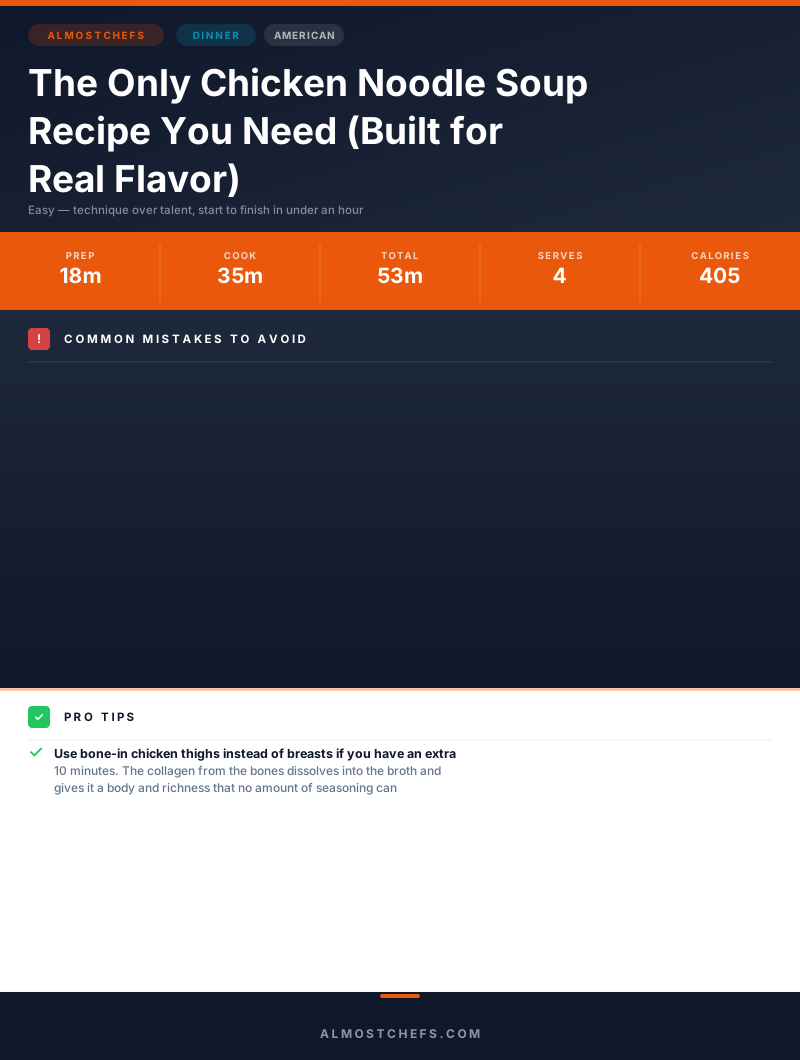
We turned everything on this page into a beautiful, flour-proof PDF cheat sheet. Print it out, stick it to your fridge, and never mess up your the only chicken noodle soup recipe you need (built for real flavor) again.
*We'll email you the high-res PDF instantly. No spam, just perfectly cooked meals.
AlmostChefs Editorial Team
We translate the internet's most popular cooking videos into foolproof, beginner-friendly written recipes. We analyze multiple methods, test them in our kitchen, and engineer a single "Master Recipe" that gives you the best possible result with the least possible stress.