Crispy Chicken Lettuce Wraps (Better Than P.F. Chang's)
A light, fast Asian-inspired appetizer with seasoned ground chicken, shiitake mushrooms, and water chestnuts served in crisp butter lettuce cups. We broke down the technique behind restaurant versions to give you the same bold umami hit at home — in under 20 minutes.
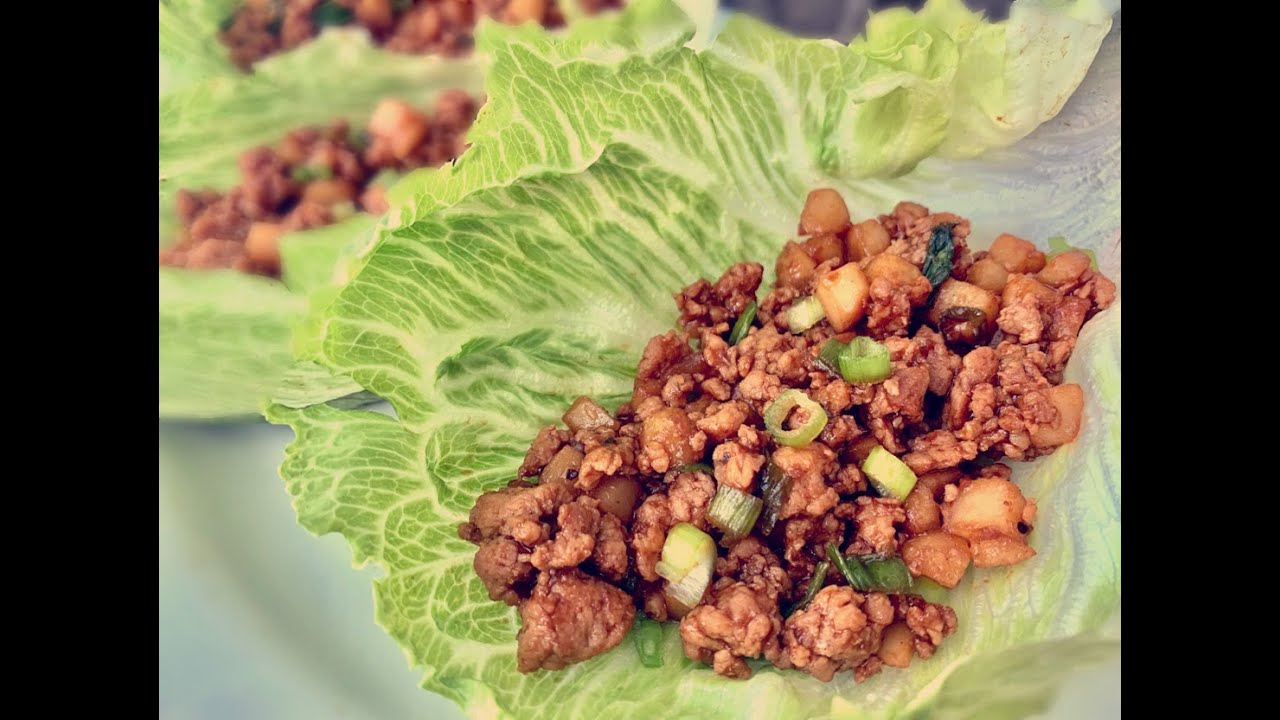
“Every chain restaurant has a version. Most home cooks think it requires some secret sauce formula. It doesn't. The entire recipe comes down to two things: developing enough browning on the chicken before you add the liquid, and using water chestnuts that are actually chopped fine enough to distribute in every bite. Get those right and you'll never order the restaurant version again.”
Why This Recipe Works
Chicken lettuce wraps have the unfortunate reputation of being a healthy food that tastes like compromise. They're on every chain restaurant menu positioned as the virtuous option — the thing you order when you're being good. That framing is wrong, and it leads to bad cooking decisions. This dish isn't a consolation prize. It's a genuinely excellent appetizer that happens to be light. The goal is maximum flavor, and the technique delivers it cleanly in under 20 minutes.
The Pan Temperature Problem
Ground chicken is wet. It contains more surface moisture than beef or pork, which means it will steam in its own liquid if the pan isn't screaming hot before the meat goes in. Steamed chicken is gray and tasteless. Properly seared chicken develops the Maillard reaction — the same browning chemistry that makes a good burger or seared steak — and that's where the flavor lives.
The test: heat your skillet over medium-high for a full two minutes before adding the oil. Add the oil, wait for it to shimmer and ripple, then add the chicken. Don't stir it immediately. Let it sit for 30-45 seconds before breaking it up — that contact time with the hot surface is what produces color. Move it too soon and you interrupt the browning reaction before it's had time to build anything.
Mushrooms Do the Heavy Lifting
Shiitake mushrooms are in this recipe for two reasons: flavor and texture. Shiitakes have a higher glutamate content than cremini or button mushrooms, which means they add genuine umami depth to the filling rather than just bulk. They also release moisture as they cook, which — if you time it correctly — becomes part of the sauce base rather than a problem to manage.
The timing rule: add the mushrooms after the garlic and ginger, and don't add the sauce until the mushroom liquid has fully evaporated and the pan looks almost dry again. That concentrated, nearly-dry mushroom base is where the sauce bonds. Add tamari to a wet pan and it just dilutes. Add it to a dry, concentrated pan and it coats every piece of filling with a lacquered, glossy finish.
The Sauce Balance
Three components do the work here. Tamari provides salt and umami. Rice vinegar provides acidity that cuts through the richness of the chicken and sesame oil. The honey — just one teaspoon — rounds the edges, balancing the sharpness of the vinegar without making anything sweet. This is the same logic behind every good Asian-style sauce: fat, acid, salt, and a whisper of sweetness in proportion.
Toasted sesame oil goes in last — or nearly last — because its volatile aromatic compounds burn off quickly at high heat. Added to the sauce at the simmer stage, it perfumes the whole filling. Added at the beginning with the olive oil, it would disappear entirely.
Lettuce Is a Vessel, Not an Afterthought
The lettuce cup has one job: hold the filling from hand to mouth without disintegrating. Butter lettuce does this beautifully when it's dry and at room temperature. When it's cold and wet straight from the refrigerator, it wilts under the warm filling and collapses before the second bite. Wash the leaves, spin them completely dry, and let them sit out for ten minutes before you fill them. This is not optional — it's the difference between a plate that looks like a restaurant dish and one that looks like a salad accident.
The lime wedge on the side is similarly non-negotiable. Chicken, sesame, soy, and ginger are all savory and round. A squeeze of lime adds a bright citrus spike that sharpens every other flavor on the plate. Skip it and the dish tastes complete but flat. Add it and everything snaps into focus.
Twenty minutes. One pan. The chain restaurant version costs twelve dollars and arrives lukewarm. This one costs three and takes less time than the wait for a table.
Where Beginners Mess This Up
Before we start, read this. These are the 4 reasons your crispy chicken lettuce wraps (better than p.f. chang's) will fail:
- 1
Crowding the pan and steaming the chicken instead of browning it: Ground chicken has high water content. If your pan isn't hot enough or you add the meat in too thick a layer, the chicken steams in its own liquid instead of browning. You end up with gray, bland meat. Get the pan properly shimmering before the chicken goes in, and break it into small pieces immediately so it contacts the hot surface evenly.
- 2
Chopping the water chestnuts too coarsely: Large chunks of water chestnut mean some bites are all crunch and others have none. Fine dice — about the size of a corn kernel — ensures every spoonful of filling has the signature crunch distributed evenly. Takes thirty extra seconds. Worth every one of them.
- 3
Adding the sauce too early: If you pour in the tamari and vinegar before the mushrooms have fully released their moisture and started to concentrate, you dilute the sauce and get watery filling that soaks through the lettuce immediately. Let the mushrooms cook fully first. The filling should be nearly dry before the sauce goes in.
- 4
Serving on cold, wet lettuce: Lettuce cups straight from the fridge with water still clinging to them dilute the filling and go limp fast. Wash and dry the leaves ahead of time, then bring them to room temperature. A dry leaf holds its shape; a wet one collapses before it reaches the table.
The Video Reference Library
Want to see it in action? Here are the exact videos we analyzed and combined to build this foolproof recipe translation:
The primary walkthrough — clean technique on browning the ground chicken properly and building the sauce in sequence. Watch for the pan temperature cues before the meat goes in.
🛠️ Core Equipment
- Large stainless steel or cast iron skilletNon-stick pans prevent the fond development that gives the chicken its brown, savory crust. Stainless or cast iron runs hotter and creates better color on ground meat. The fond also adds flavor to the sauce when it deglazes.
- Sharp chef's knifeYou're doing precision fine-dice work on mushrooms and water chestnuts. A dull knife crushes rather than cuts, releasing excess moisture from the mushrooms into the pan before you want it there.
- Wooden spoon or flat-edged spatulaFor breaking the chicken into uniform small pieces as it cooks. Even, small crumbles mean more surface area for browning and better distribution of filling in the lettuce cups.
- Salad spinner or clean towelFor drying the lettuce leaves completely before serving. Wet lettuce is the silent killer of an otherwise perfect plate.
Crispy Chicken Lettuce Wraps (Better Than P.F. Chang's)
🛒 Ingredients
- ✦2 tablespoons extra-virgin olive oil
- ✦1 pound ground chicken breast, preferably organic
- ✦4 medium garlic cloves, minced
- ✦1 tablespoon fresh ginger, grated
- ✦3 medium shiitake mushrooms, finely diced
- ✦1 cup canned water chestnuts, drained and finely chopped
- ✦4 green onions, white and light green parts chopped, dark green reserved
- ✦3 tablespoons low-sodium tamari or coconut aminos
- ✦1 tablespoon rice vinegar, unseasoned
- ✦1 teaspoon toasted sesame oil
- ✦1 teaspoon honey or coconut sugar
- ✦1 head butter lettuce or Boston lettuce, leaves separated
- ✦2 tablespoons fresh cilantro, chopped
- ✦1 teaspoon red pepper flakes, optional
- ✦Sea salt and freshly ground black pepper to taste
- ✦Lime wedges for serving
👨🍳 Instructions
01Step 1
Heat olive oil in a large skillet over medium-high heat until shimmering, about 2 minutes.
02Step 2
Add ground chicken and cook, breaking it into small pieces with a wooden spoon, until no pink remains and internal temperature reaches 165°F, approximately 6-8 minutes.
03Step 3
Reduce heat to medium and add minced garlic and grated ginger, stirring constantly until fragrant, about 1 minute.
04Step 4
Stir in the finely diced mushrooms and water chestnuts, cooking until the mushrooms release their moisture and begin to concentrate, roughly 3-4 minutes.
05Step 5
Pour in the tamari, rice vinegar, sesame oil, and honey. Stir to combine evenly and simmer for 2 minutes until the sauce coats the filling and reduces slightly.
06Step 6
Add the chopped green onion whites and light green parts. Taste and adjust seasoning with salt, pepper, and red pepper flakes if using.
07Step 7
Remove from heat and stir in fresh cilantro just before serving.
08Step 8
Arrange dry lettuce leaves on a serving platter and spoon the warm chicken mixture into each cup.
09Step 9
Garnish with reserved dark green onion tops and serve immediately with lime wedges.
Nutrition Per Serving
Estimates based on standard preparation. Adjustments alter macros.
🔄 Substitutions
Instead of Ground chicken breast...
Use Ground turkey breast or plant-based ground meat
Turkey is nearly identical in texture and absorbs the sauce the same way. Plant-based versions work well but benefit from an extra minute of cooking to develop browning.
Instead of Tamari or coconut aminos...
Use Liquid aminos or additional rice vinegar with a pinch of sea salt
Reduces sodium further. Loses some umami depth — add a few extra drops of sesame oil to compensate.
Instead of Honey or coconut sugar...
Use Monk fruit sweetener or stevia extract
No glycemic impact. Tiny aftertaste difference that fades quickly once the dish is fully seasoned.
Instead of Butter lettuce...
Use Large romaine leaves or endive spears
Romaine holds more filling and stays firmer longer at room temperature. Slightly more bitter, which actually balances the savory filling well.
Instead of Canned water chestnuts...
Use Fresh jicama, finely diced
Fresher, slightly sweeter flavor with the same crunch. No added sodium from canning liquid. Worth tracking down if you can find it.
🧊 Storage & Reheating
In the Fridge
Store the filling (not assembled in lettuce) in an airtight container for up to 3 days. Keep lettuce leaves separate and dry.
In the Freezer
Freeze the filling only in a sealed container for up to 2 months. Thaw overnight in the fridge. Texture holds well — the water chestnuts stay crunchy.
Reheating Rules
Reheat filling in a skillet over medium heat with a tablespoon of water to loosen, 3-4 minutes. Microwaving works but dries the edges — cover with a damp paper towel if you go that route.
❓ Frequently Asked Questions
Why is my chicken filling watery and soggy?
Two likely culprits. First, the pan wasn't hot enough when the chicken went in, so it steamed instead of seared. Second, you added the sauce before the mushrooms fully cooked down. Mushrooms hold significant water — they need 3-4 minutes on medium heat to release and evaporate that liquid before the sauce goes in.
Can I make this ahead for a party?
Yes. Make the filling up to 2 days ahead and refrigerate. Prep and dry the lettuce leaves the morning of the party. Reheat the filling in a skillet, not the microwave, to avoid steaming it into mush. Assemble just before serving — filled cups sitting for more than 15 minutes start to wilt.
What's the difference between tamari and coconut aminos?
Tamari is a Japanese soy sauce variant brewed without wheat — richer, less salty, and naturally gluten-free. Coconut aminos are made from fermented coconut sap: slightly sweeter, lower sodium, soy-free. Both work here. Coconut aminos need a pinch of extra salt to compensate for the lower sodium.
Can I add rice or noodles to make this a full meal?
Absolutely. The filling works over steamed jasmine rice, rice noodles, or cauliflower rice for a low-carb option. Same sauce, same technique — just serve in a bowl instead of a lettuce cup. You may want to double the sauce quantity if serving over grains.
My lettuce keeps tearing. What am I doing wrong?
Cold lettuce tears more easily than room-temperature lettuce. Pull the leaves off gently from the base rather than the tip, and let them warm up for 10-15 minutes before serving. Butter lettuce is also inherently fragile — if you're serving a crowd or plan ahead, switch to romaine or endive, which are structurally more durable.
Is this actually gluten-free?
Yes, as long as you use tamari (not regular soy sauce) or coconut aminos. Standard soy sauce contains wheat. Check your tamari label — most are certified gluten-free but some brands vary. Everything else in this recipe is inherently gluten-free.
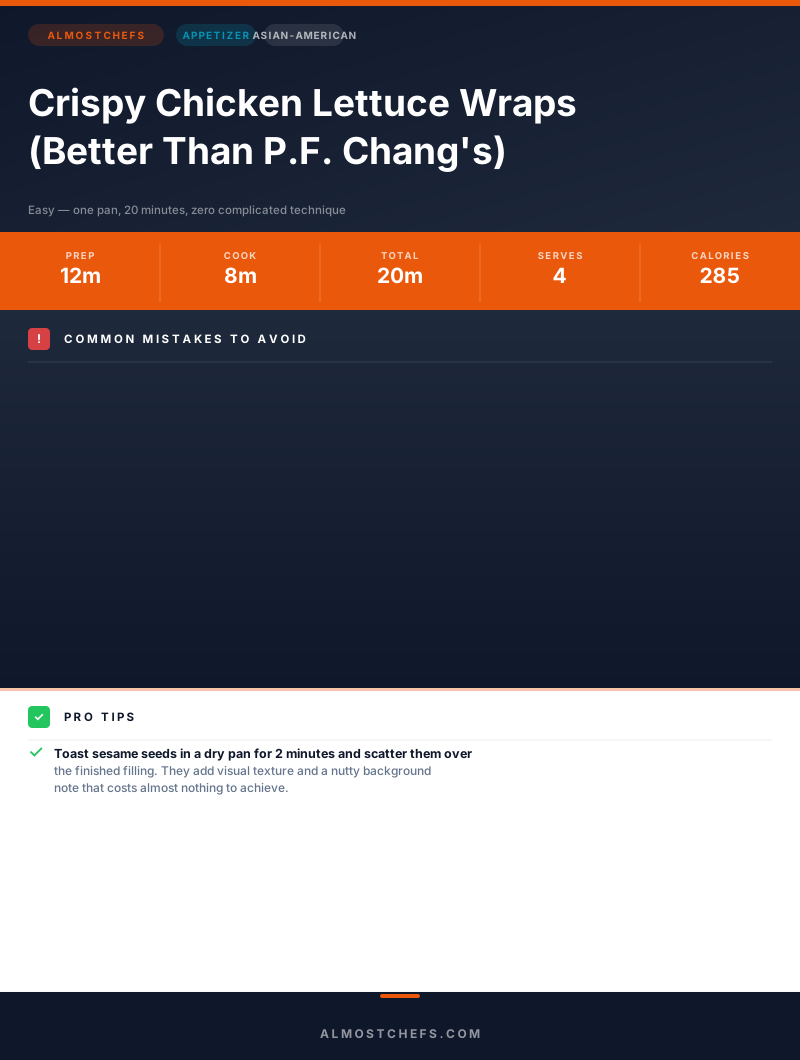
The Science of
Crispy Chicken Lettuce Wraps (Better Than P.F. Chang's)
We turned everything on this page into a beautiful, flour-proof PDF cheat sheet. Print it out, stick it to your fridge, and never mess up your crispy chicken lettuce wraps (better than p.f. chang's) again.
*We'll email you the high-res PDF instantly. No spam, just perfectly cooked meals.
AlmostChefs Editorial Team
We translate the internet's most popular cooking videos into foolproof, beginner-friendly written recipes. We analyze multiple methods, test them in our kitchen, and engineer a single "Master Recipe" that gives you the best possible result with the least possible stress.