Easy Chicken Korma (The Creamy Curry You'll Actually Make on a Weeknight)
A mild, velvety Indian curry with tender seared chicken in a coconut-yogurt sauce built on bloomed whole spices. We stripped the technique down to what actually matters — the spice bloom, the yogurt timing, and why you sear first — so you get restaurant-depth flavor in 45 minutes.
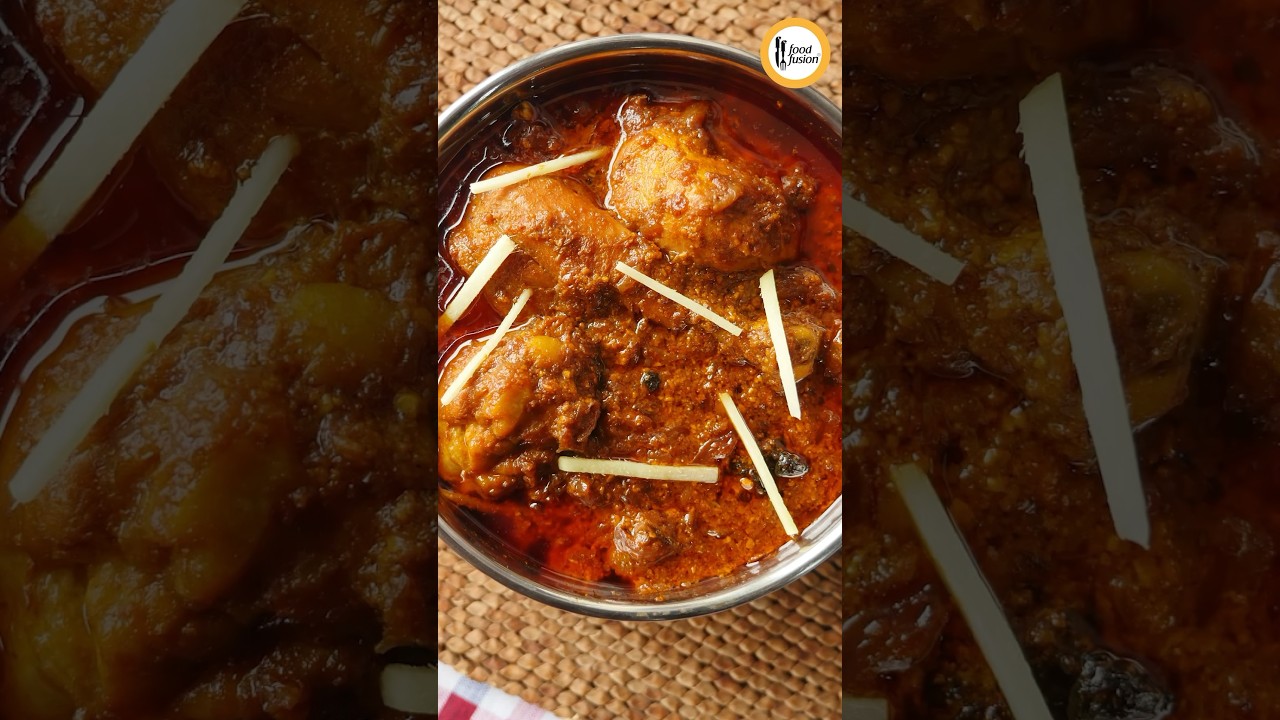
“Chicken Korma has a reputation problem. Because it's mild, people assume it's simple — so they skip the sear, dump spices into cold oil, and stir in yogurt straight from the fridge. The result is flat, grainy, and nothing like what you'd get at a good restaurant. The difference between forgettable korma and the kind with real depth comes down to three moments: how you develop the onion base, when you bloom the spices, and exactly when you pull the pan off heat before the yogurt hits it.”
Why This Recipe Works
Korma is the quiet dish nobody argues about at the table. No heat, no drama, no polarizing flavor — just a deeply aromatic, cream-forward sauce that makes people reach for more naan. Which is exactly why it's so easy to make badly. When a dish has nowhere to hide behind heat or acidity, every technical shortcut shows up in the final bowl.
The Sear Is the Only Depth
Chicken breast is inherently mild protein. Left in a white sauce without any prior browning, it contributes texture and volume — but almost nothing in the way of flavor. The sear changes the math. Three to four minutes in shimmering ghee triggers the Maillard reaction on the surface of each piece: hundreds of new flavor compounds form at the crust, and those compounds dissolve into the sauce during the simmer. You're not cooking the chicken through at this stage — you're building the flavor foundation for the entire dish.
Pat the chicken completely dry before it hits the pan. Surface moisture converts to steam, steam creates a barrier between the meat and the hot fat, and the Maillard reaction cannot proceed above 212°F in the presence of water. Dry surface, hot fat, single layer, no touching for three minutes. That's the sear.
Spice Blooming Is Not Optional
Ground spices are aromatic compounds suspended in dry plant matter. Those compounds are fat-soluble, not water-soluble — meaning they will not activate in the broth or coconut milk no matter how long you simmer. They need hot fat. When you add the coriander, cumin, garam masala, turmeric, and cayenne directly into the hot onion-ghee mixture and stir for two minutes, you're extracting the essential oils into the fat. The fat then carries those flavors throughout the entire sauce.
Skipping this step and adding the spices directly to the liquid is one of the most common mistakes in home curry cooking. The result tastes thin and powdery — technically the right spices, technically the right amounts, but none of the flavor went anywhere. Two minutes of continuous stirring in the hot pan is the difference between a sauce that tastes layered and one that just tastes spiced.
The Yogurt Problem
Greek yogurt does several things in this recipe: it adds tang, body, protein, and gut-healthy probiotics. What it also does, if you're not careful, is curdle into grainy clumps on contact with high heat. Dairy proteins denature rapidly above 160°F, and once they do, no amount of whisking brings them back together.
The fix is mechanical and absolute: pull the pan completely off the burner before the yogurt touches the sauce. Let it sit for 30 seconds. Then add the yogurt in spoonfuls — not all at once — whisking gently between each addition. The residual heat is more than sufficient to warm it through and incorporate it smoothly. This is one of those cases where the technique is non-negotiable. You can adjust every other variable in this recipe. This one you cannot.
The Onion Foundation, Again
It bears repeating because it gets skipped so often: the onions need to be properly cooked. Not translucent — golden, soft, and slightly reduced, with the sharp raw edge entirely gone. Six to eight minutes over medium heat, stirring occasionally. The natural sugars in the onion begin to caramelize at this point, adding sweetness and depth that the mild spice profile of korma depends on. Rush the onions and the sauce tastes incomplete in a way that's hard to identify but impossible to ignore.
A heavy-bottomed skillet makes this easier. Thin pans create hot spots that burn the onion edges while leaving the centers underdone. Even heat lets you push the onions further without burning them, which is exactly where the flavor is.
Why This Version Works at Home
The modification from full-fat coconut milk to the Greek yogurt and light coconut milk combination isn't just a nutritional adjustment — it actually produces a sauce that's more complex. Full-fat coconut milk creates a one-note richness. Greek yogurt adds lactic acid tanginess that cuts through the fat and makes each bite feel lighter despite the deep sauce flavor. Combined with the lemon juice finish, the sauce has a brightness that a purely coconut-based korma lacks.
This is weeknight food that doesn't apologize for being weeknight food. Forty-five minutes, one pan, and three technique checkpoints. Everything else is just mise en place.
Where Beginners Mess This Up
Before we start, read this. These are the 4 reasons your easy chicken korma (the creamy curry you'll actually make on a weeknight) will fail:
- 1
Skipping the sear on the chicken: Korma's sauce is mild by design. That means every layer of flavor has to work harder. When you skip searing, you lose the Maillard crust — the only deep, savory note in the entire dish. The rest of the sauce can't compensate. Pat the chicken dry, use a hot pan, and don't crowd it. Three minutes per side is all it takes.
- 2
Blooming spices in a cold pan: Ground spices need hot fat to activate. Add them to a cold or lukewarm pan and the essential oils stay locked inside. Stir them directly into the hot onion-garlic mixture and cook for a full two minutes — you'll smell the exact moment they wake up. Anything less and you're eating raw spice powder with a coconut flavor.
- 3
Adding yogurt to a hot pan: Yogurt curdles on contact with high heat. Pull the pan completely off the burner before you stir it in. Add it in small spoonfuls, not all at once, and whisk gently. If the sauce is still violently simmering when the yogurt hits it, you'll get scrambled egg texture floating in coconut milk.
- 4
Under-cooking the onion base: Translucent isn't done. Soft, golden, and slightly jammy is done. The onions are the flavor foundation for the entire sauce — five underdone minutes produce a sharp, raw bite that no amount of spice will cover. Give them six to eight minutes over medium heat before you add anything else.
The Video Reference Library
Want to see it in action? Here are the exact videos we analyzed and combined to build this foolproof recipe translation:
The primary reference for this recipe. Clear breakdown of the spice bloom technique and the correct consistency of the finished sauce.
🛠️ Core Equipment
- Large heavy-bottomed skilletEven heat across the entire base prevents hot spots that scorch ground spices. A thin pan will burn the spice bloom before the onions finish cooking. Cast iron or heavy stainless are both excellent here.
- WhiskEssential for incorporating the Greek yogurt smoothly. Spooning it in and stirring with a spatula leaves lumps. A whisk disperses it evenly throughout the sauce in seconds.
- Instant-read thermometerChicken breast overcooks fast. Pull the pieces at 160°F — carryover heat brings them to 165°F in the sauce. Anything above 170°F and you're eating dry protein in a good sauce.
- Paper towelsPatting the chicken completely dry before searing is non-negotiable. Surface moisture creates steam, steam prevents browning, and no browning means no crust.
Easy Chicken Korma (The Creamy Curry You'll Actually Make on a Weeknight)
🛒 Ingredients
- ✦2 tablespoons ghee or coconut oil
- ✦1 pound boneless, skinless chicken breasts, cut into 1-inch cubes
- ✦2 medium yellow onions, finely diced
- ✦4 cloves garlic, minced
- ✦1 tablespoon fresh ginger, grated
- ✦2 teaspoons ground coriander
- ✦1 teaspoon ground cumin
- ✦1 teaspoon garam masala
- ✦1/2 teaspoon turmeric powder
- ✦1/4 teaspoon cayenne pepper
- ✦1/2 cup unsweetened coconut milk
- ✦1/2 cup low-fat Greek yogurt
- ✦1 cup chicken broth
- ✦2 tablespoons tomato paste
- ✦1 teaspoon honey
- ✦1 bay leaf
- ✦1 teaspoon sea salt
- ✦1/4 teaspoon black pepper
- ✦2 tablespoons fresh cilantro, chopped, for garnish
- ✦1 tablespoon fresh lemon juice
👨🍳 Instructions
01Step 1
Heat ghee in a large heavy-bottomed skillet over medium-high heat until shimmering, about 1 minute.
02Step 2
Pat chicken pieces completely dry with paper towels. Add to the pan in a single layer without crowding and sear 3-4 minutes per side until deep golden brown but not cooked through. Transfer to a plate.
03Step 3
Add the diced onions to the same skillet over medium heat. Sauté, stirring occasionally, for 6-8 minutes until soft, golden, and slightly jammy.
04Step 4
Stir in the minced garlic and grated ginger. Cook for 60 seconds until fragrant and the sharp raw ginger scent mellows.
05Step 5
Sprinkle the ground coriander, cumin, garam masala, turmeric, and cayenne directly over the onion mixture. Stir continuously for 2 minutes to bloom the spices.
06Step 6
Add the tomato paste and stir thoroughly to combine with the spiced onion base. Cook for 1 minute more.
07Step 7
Pour in the chicken broth and coconut milk, stirring well to create a smooth sauce base.
08Step 8
Return the seared chicken to the skillet along with the bay leaf, salt, and black pepper. The chicken should be mostly submerged.
09Step 9
Reduce heat to medium-low and simmer gently for 12-15 minutes, stirring occasionally, until the chicken is cooked through and a fork pierces it easily.
10Step 10
Remove the skillet completely from heat. Add the Greek yogurt in small spoonfuls, whisking gently between each addition until fully incorporated and smooth.
11Step 11
Stir in the honey and fresh lemon juice. Taste and adjust salt, pepper, or lemon as needed.
12Step 12
Discard the bay leaf. Ladle into bowls, garnish with fresh cilantro, and serve with jasmine rice, cauliflower rice, or warm naan.
Nutrition Per Serving
Estimates based on standard preparation. Adjustments alter macros.
🔄 Substitutions
Instead of Heavy cream or full-fat coconut milk...
Use Low-fat Greek yogurt combined with light coconut milk
Slightly tangier and less rich, but more protein and significantly less saturated fat. The Greek yogurt clings to the chicken differently — in a good way.
Instead of Boneless chicken breasts...
Use Skinless chicken thighs
Richer flavor, more moisture retention, and harder to overcook. Requires the same cook time. The sauce gets slightly more body from the collagen in thigh meat.
Instead of Ghee...
Use Extra virgin olive oil or avocado oil
Loses the nutty dairy note that ghee contributes during the sear. Avocado oil is the more neutral choice; olive oil adds a faint fruitiness. Both work, neither is identical.
Instead of White rice...
Use Cauliflower rice or brown rice
Cauliflower rice cuts carbs dramatically and lets the sauce dominate. Brown rice adds chew and nuttiness but needs to cook separately for 40 minutes — plan accordingly.
🧊 Storage & Reheating
In the Fridge
Store in an airtight container for up to 3 days. The sauce thickens in the fridge — add a splash of broth when reheating.
In the Freezer
Freeze in portions for up to 2 months. Thaw overnight in the fridge. The yogurt-based sauce may separate slightly after freezing; whisk it smooth over low heat.
Reheating Rules
Reheat gently on the stovetop over low heat with 2-3 tablespoons of broth or water. Microwaving works but tends to toughen the chicken — if you use it, cover and use 60% power.
❓ Frequently Asked Questions
Why did my yogurt curdle in the sauce?
The pan was still on the heat when you added it. Greek yogurt breaks above roughly 160°F when added all at once to an active simmer. Remove the pan completely from the burner, let it sit 30 seconds, then add the yogurt in small spoonfuls while whisking. Off-heat incorporation is the only reliable method.
Can I make this dairy-free?
Yes. Replace the Greek yogurt with full-fat canned coconut cream and increase the coconut milk to 3/4 cup. The sauce will be richer and less tangy. Skip the honey and add a small squeeze of lime at the end to compensate for the brightness the yogurt normally provides.
My korma tastes flat. What went wrong?
Almost certainly the spice bloom. Ground spices need 90 seconds minimum in hot fat to release their essential oils — less than that and you're tasting raw powder. Also check whether your spices are fresh. Ground coriander and cumin go stale within 6 months of opening. If the jar has been in your cabinet for a year, replace it.
Is korma supposed to be sweet?
Mildly, yes. Traditional korma includes nuts (cashews or almonds) blended into the sauce, which adds natural sweetness and body. This recipe uses honey as a lighter substitute. The sweetness should be background, not forward — if it tastes like dessert, you've added too much.
What's the difference between korma and tikka masala?
Tikka masala uses a tomato-heavy base and has a more assertive, slightly acidic flavor profile. Korma is cream and nut-forward with a much gentler spice level — it's essentially the opposite end of the curry spectrum. Both use yogurt marinades; the sauce architecture is completely different.
Can I cook this in a slow cooker?
You can, but don't skip the sear. Sear the chicken and bloom the spices in a skillet first, then transfer everything to the slow cooker on low for 3-4 hours. Add the yogurt only after you turn off the heat at the end — never let it cook in the slow cooker or it will break.

The Science of
Easy Chicken Korma (The Creamy Curry You'll Actually Make on a Weeknight)
We turned everything on this page into a beautiful, flour-proof PDF cheat sheet. Print it out, stick it to your fridge, and never mess up your easy chicken korma (the creamy curry you'll actually make on a weeknight) again.
*We'll email you the high-res PDF instantly. No spam, just perfectly cooked meals.
AlmostChefs Editorial Team
We translate the internet's most popular cooking videos into foolproof, beginner-friendly written recipes. We analyze multiple methods, test them in our kitchen, and engineer a single "Master Recipe" that gives you the best possible result with the least possible stress.