Perfect Chicken Fettuccine Alfredo (Restaurant Quality at Home)
A rich, creamy Italian-American pasta classic with tender seared chicken breast and a silky Parmesan sauce built from scratch. We broke down the most popular methods to deliver one foolproof weeknight technique that nails sauce texture every time — no breaking, no clumping, no wallpaper paste.
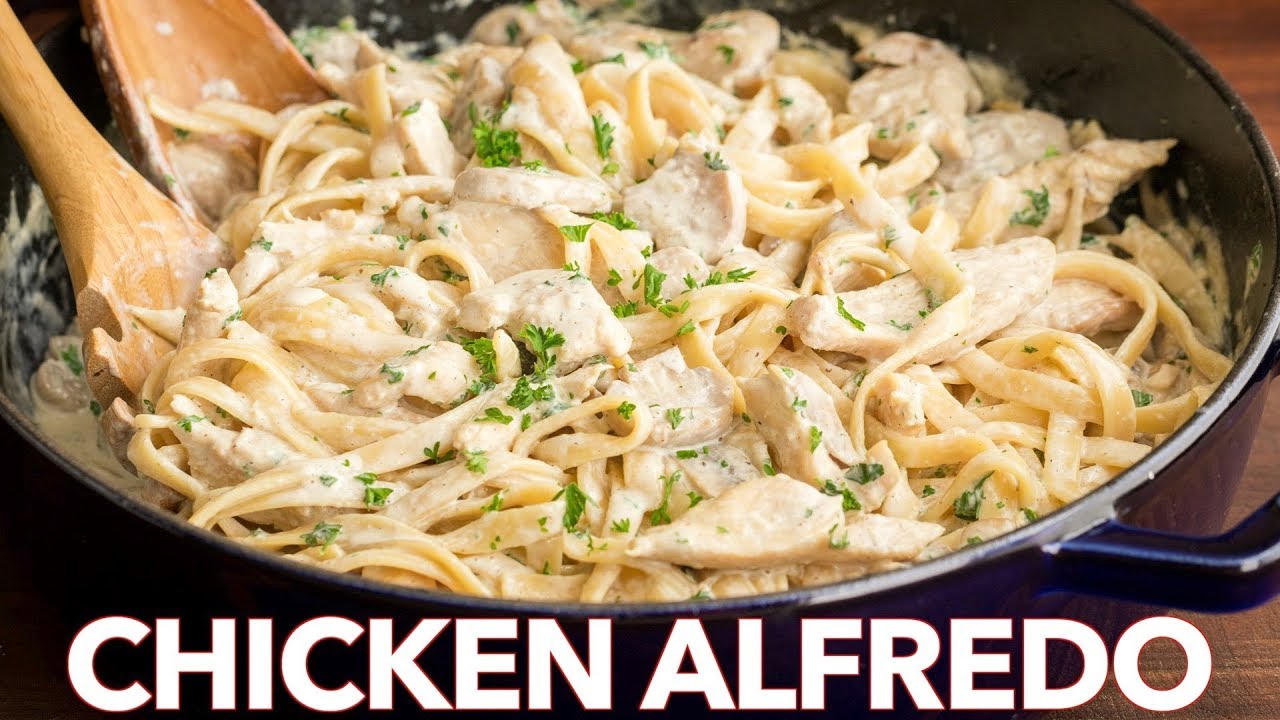
“Alfredo sauce has two states: silky and broken. Most home cooks produce the second one and blame the recipe. The real culprit is almost always temperature — cold cream hitting a screaming-hot pan, Parmesan added too early, pasta water skipped entirely. Three small adjustments separate wallpaper paste from the kind of sauce that clings to every strand of fettuccine like it was designed to be there.”
Why This Recipe Works
Alfredo sauce is an emulsion. Understanding that one fact explains every instruction in this recipe and every failure you've probably experienced making it.
An emulsion is fat suspended in liquid — or liquid suspended in fat — held together by an emulsifying agent. In Alfredo, that agent is the protein in Parmesan cheese and the starch in pasta water. Disturb either factor at the wrong moment and the emulsion collapses into greasy, separated sauce. Respect the chemistry and you get something silky enough to coat every strand of fettuccine in a thin, cohesive layer that doesn't pool at the bottom of the bowl.
Temperature Is Everything
Cream goes in at room temperature. Parmesan goes in off the heat. These are not suggestions — they are the structural rules that keep the sauce together.
Cold cream dropped into a hot pan undergoes thermal shock. The fat fraction of the cream separates from the liquid before the heat can drive proper emulsification. The result is a sauce that looks right briefly and then breaks within minutes, leaving a pool of clarified butter at the bottom of the pan. Twenty to thirty minutes on the counter before cooking is all the prep work the cream needs.
The Parmesan rule is even more critical. Aged hard cheeses like Parmesan have very low moisture content, which means their proteins are densely packed. At sustained high temperatures, those proteins cross-link into rubber rather than melting smoothly. The fix: remove the pan entirely from the burner before the cheese goes in. The residual heat — enough to keep your hand from touching the pan — is precisely the right temperature to melt Parmesan into a sauce rather than curdle it into grit.
The Chicken Setup
Pounding the chicken to three-quarters inch thickness is the unsexy prep step that determines whether your protein is an asset or a liability. An unpounded chicken breast is shaped like a teardrop. The thin end hits 165°F approximately four minutes before the thick end. By the time the center is cooked through, the thin end is dry and stringy. A meat mallet solves this entirely in under two minutes.
Searing in olive oil rather than butter matters here too. Butter's milk solids burn at medium-high heat — the temperature you need for a proper golden crust. Olive oil has a higher smoke point and produces a cleaner sear with better color. The butter comes back later, where it belongs: in the sauce, off the heat, building richness rather than char.
Building the Sauce from the Pan Up
Deglazing with chicken broth before adding the cream serves two purposes. First, it lifts the fond — the brown bits left from searing the chicken — which carry concentrated savory flavor. Second, it gives the cream a base to integrate into rather than dropping cold cream into a dry pan of garlic.
The garlic goes in over medium-low heat, not high. Garlic contains sugars that caramelize rapidly at high temperatures and turn acrid within seconds of browning. Pale gold and fragrant is the target — soft enough that it melts into the sauce and flavors every strand of pasta rather than sitting in clumps.
A large heavy-bottomed skillet is the single most important piece of equipment here. The wide base gives the pasta room to toss properly, and even heat distribution means the sauce temperature stays consistent from center to edge. In a thin pan, the edges overheat while the center stays cool — you end up with scorched garlic and cold cream hitting each other at different temperatures, and the emulsion breaks before it forms.
The Finishing Toss
Most home cooks drain the pasta, plate it, and pour sauce on top. This is the wrong sequence. Pasta needs to go into the sauce — in the pan, over low heat — and be tossed for two to three minutes. This achieves two things: the pasta surface absorbs sauce rather than just being coated by it, and the starch released from the hot pasta into the sauce acts as an additional emulsifier that keeps everything cohesive.
The reserved pasta water is the adjustment tool. Too thick? A tablespoon of pasta water loosens it. The starch content maintains the emulsion while the additional liquid reduces viscosity. Plain water dilutes flavor; pasta water solves the problem without cost.
Lemon juice goes in last, and it is not optional. One and a half tablespoons of acid cuts through the fat and prevents the dish from tasting like cream with pasta in it. The nutmeg does something similar — a quarter teaspoon adds a background warmth that makes the sauce taste intentional rather than assembled. Neither flavor is identifiable as itself in the final dish. Both are immediately noticeable when absent.
Where Beginners Mess This Up
Before we start, read this. These are the 4 reasons your perfect chicken fettuccine alfredo (restaurant quality at home) will fail:
- 1
Using cold cream straight from the fridge: Cold cream dropped into a hot pan causes the fat and liquid to separate before they can emulsify. Room-temperature cream — left out for 20-30 minutes before cooking — integrates smoothly and produces a sauce that stays together from pan to plate.
- 2
Adding Parmesan while the pan is on direct heat: Parmesan added to a pan still sitting on a hot burner seizes and turns grainy. Pull the pan completely off the heat first, then add the cheese in small handfuls, stirring constantly. The residual heat is enough to melt it cleanly.
- 3
Skipping the pasta water: Reserved pasta water is starch-loaded and slightly salty — it's the emulsifier that loosens a tight sauce without diluting it. If your Alfredo is clumping or too thick, pasta water is the fix. Plain water is not a substitute.
- 4
Skipping the chicken rest: Slicing chicken immediately after it comes off the heat releases all the accumulated juices onto the cutting board. Three to four minutes of resting lets those juices redistribute back into the meat. The difference is noticeable.
The Video Reference Library
Want to see it in action? Here are the exact videos we analyzed and combined to build this foolproof recipe translation:
The primary reference for this recipe. Walks through the sauce-building technique step by step, with clear guidance on when to pull the pan from heat before adding Parmesan.
🛠️ Core Equipment
- Large heavy-bottomed skilletEven heat distribution is critical for building the sauce. A thin pan creates hot spots that scorch the garlic and cause the cream to separate. A wide base also gives the pasta room to toss properly.
- Meat malletPounding the chicken breasts to an even thickness of three-quarters inch ensures they cook uniformly. Without it, the thinner ends overcook while the thick center finishes — one pan, two different proteins.
- Box grater or MicroplanePre-grated Parmesan contains anti-caking agents that prevent proper melting. Freshly grated cheese melts directly into the sauce as a smooth, cohesive mass. This single change eliminates 80% of grainy Alfredo sauce complaints.
- Large pasta potFettuccine needs plenty of room to move while boiling. A crowded pot drops the water temperature dramatically when the pasta is added, leading to uneven, gummy results.
Perfect Chicken Fettuccine Alfredo (Restaurant Quality at Home)
🛒 Ingredients
- ✦1 pound fettuccine pasta
- ✦1.75 pounds boneless, skinless chicken breasts
- ✦7 tablespoons unsalted butter, divided
- ✦3 cloves garlic, minced
- ✦2 cups heavy cream, room temperature
- ✦1.75 cups freshly grated Parmesan cheese
- ✦2 tablespoons extra-virgin olive oil
- ✦1.5 tablespoons fresh lemon juice
- ✦0.5 cup low-sodium chicken broth
- ✦0.25 teaspoon freshly grated nutmeg
- ✦Salt to taste
- ✦Freshly cracked black pepper to taste
- ✦2 tablespoons fresh flat-leaf parsley, chopped
👨🍳 Instructions
01Step 1
Pound the chicken breasts to an even thickness of about three-quarters inch using a meat mallet.
02Step 2
Bring a large pot of heavily salted water to a rolling boil. Add fettuccine and cook until al dente, 8-10 minutes. Reserve 1 cup of pasta water before draining.
03Step 3
Pat the chicken breasts dry with paper towels and season generously with salt and freshly cracked black pepper on both sides.
04Step 4
Heat olive oil in a large skillet over medium-high heat until shimmering. Add chicken and sear for 6-7 minutes until golden brown and cooked through (165°F internal), turning once halfway.
05Step 5
Transfer chicken to a cutting board and rest for 3-4 minutes, then slice into bite-sized pieces or strips.
06Step 6
Reduce heat to medium-low. Melt 5 tablespoons of butter in the same skillet. Add minced garlic and sauté for 1-2 minutes until fragrant but not browned.
07Step 7
Pour in the chicken broth and bring to a gentle simmer, cooking for 2 minutes to slightly reduce.
08Step 8
Slowly whisk in the room-temperature heavy cream while constantly stirring until smooth.
09Step 9
Remove the skillet completely from the heat. Gradually add the freshly grated Parmesan in small handfuls, stirring continuously until fully melted and silky.
10Step 10
Stir in the remaining 2 tablespoons of butter and the lemon juice. Season with salt, freshly cracked black pepper, and the nutmeg.
11Step 11
Add the cooked fettuccine and toss gently for 2-3 minutes until well coated, adding reserved pasta water a few tablespoons at a time to reach your desired consistency.
12Step 12
Divide among serving bowls, top with sliced chicken, and garnish with fresh parsley and additional cracked black pepper. Serve immediately.
Nutrition Per Serving
Estimates based on standard preparation. Adjustments alter macros.
🔄 Substitutions
Instead of Heavy cream...
Use Half-and-half plus Greek yogurt (1.5 cups + 0.5 cup)
Slightly lighter mouthfeel with subtle tanginess. Maintains creaminess through Greek yogurt's protein. Adds roughly 10g protein per serving.
Instead of Butter...
Use Ghee or extra-virgin olive oil (5 tablespoons total)
Ghee has a higher smoke point and cleaner flavor. Olive oil adds Mediterranean character and reduces saturated fat by around 35%.
Instead of Fettuccine...
Use Whole wheat fettuccine or chickpea pasta
Nuttier flavor and firmer texture. Significantly better for blood sugar control with 4-8g additional fiber per serving.
Instead of Parmesan...
Use Parmesan and Pecorino Romano blend (1.5 cups + 0.25 cup)
More pronounced, sharper flavor allows for slightly less total cheese. Reduces sodium by approximately 150mg per serving.
🧊 Storage & Reheating
In the Fridge
Store in an airtight container for up to 3 days. The sauce tightens considerably when cold — it will look wrong until reheated.
In the Freezer
Not recommended. Cream-based sauces break on freezing and thawing, producing a greasy, separated texture that can't be recovered.
Reheating Rules
Reheat gently in a skillet over low heat with a splash of chicken broth or pasta water, stirring frequently. Microwave reheating is possible but produces uneven hot spots that cause the sauce to break.
❓ Frequently Asked Questions
Why does my Alfredo sauce turn out grainy?
Two causes: pre-grated Parmesan (contains anti-caking agents that resist melting) or adding the cheese while the pan is still on high heat (causes the proteins to seize). Use freshly grated Parmesan and add it off the heat, in small handfuls, stirring constantly.
Why is my sauce too thick?
Add reserved pasta water one tablespoon at a time while tossing the pasta over low heat. The starch in the water loosens the sauce while maintaining the emulsion. Plain water works in a pinch but dilutes flavor.
Can I make the sauce ahead of time?
Technically yes, but Alfredo degrades quickly. The fat separates and the sauce tightens into a solid mass when cold. If you must prep ahead, store the components separately and build the sauce fresh when you're ready to serve.
How do I know when the chicken is done without a thermometer?
The reliable method is a thermometer — 165°F internal temperature. Without one, press the thickest part with a finger. Fully cooked chicken feels firm and springs back quickly. Undercooked chicken feels soft and doesn't spring back. Buy a thermometer.
Is this the same as traditional Roman Alfredo?
No. Roman Alfredo (as made at Alfredo alla Scrofa) uses only butter and Parmesan — no cream, no garlic, no broth. The cream-based version is an Italian-American adaptation that became standard in the United States. Both are legitimate. This is the American version.
Why does restaurant Alfredo taste different from homemade?
Restaurant kitchens finish pasta in the sauce on high heat with significant butter and pasta water, creating a glossy, fully emulsified coating. Home cooks typically dump sauce on drained pasta in a bowl. The tossing step — pasta in the pan with the sauce — is the missing technique.
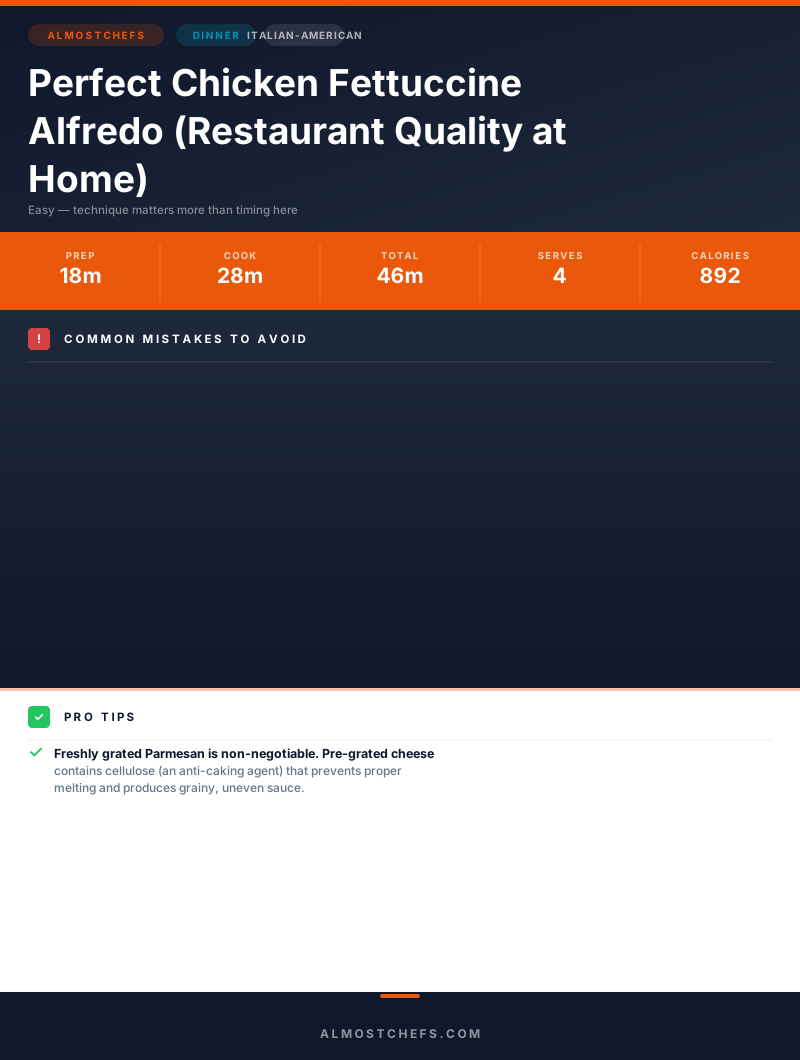
The Science of
Perfect Chicken Fettuccine Alfredo (Restaurant Quality at Home)
We turned everything on this page into a beautiful, flour-proof PDF cheat sheet. Print it out, stick it to your fridge, and never mess up your perfect chicken fettuccine alfredo (restaurant quality at home) again.
*We'll email you the high-res PDF instantly. No spam, just perfectly cooked meals.
AlmostChefs Editorial Team
We translate the internet's most popular cooking videos into foolproof, beginner-friendly written recipes. We analyze multiple methods, test them in our kitchen, and engineer a single "Master Recipe" that gives you the best possible result with the least possible stress.