Chicken Caesar Lettuce Wraps (42g Protein, No Bread Required)
Crisp romaine leaves loaded with seared chicken breast, cherry tomatoes, and a creamy Greek yogurt Caesar dressing built from cottage cheese and anchovy paste. We stripped out the croutons and mayo and rebuilt this classic around protein — 42g per serving in 30 minutes.
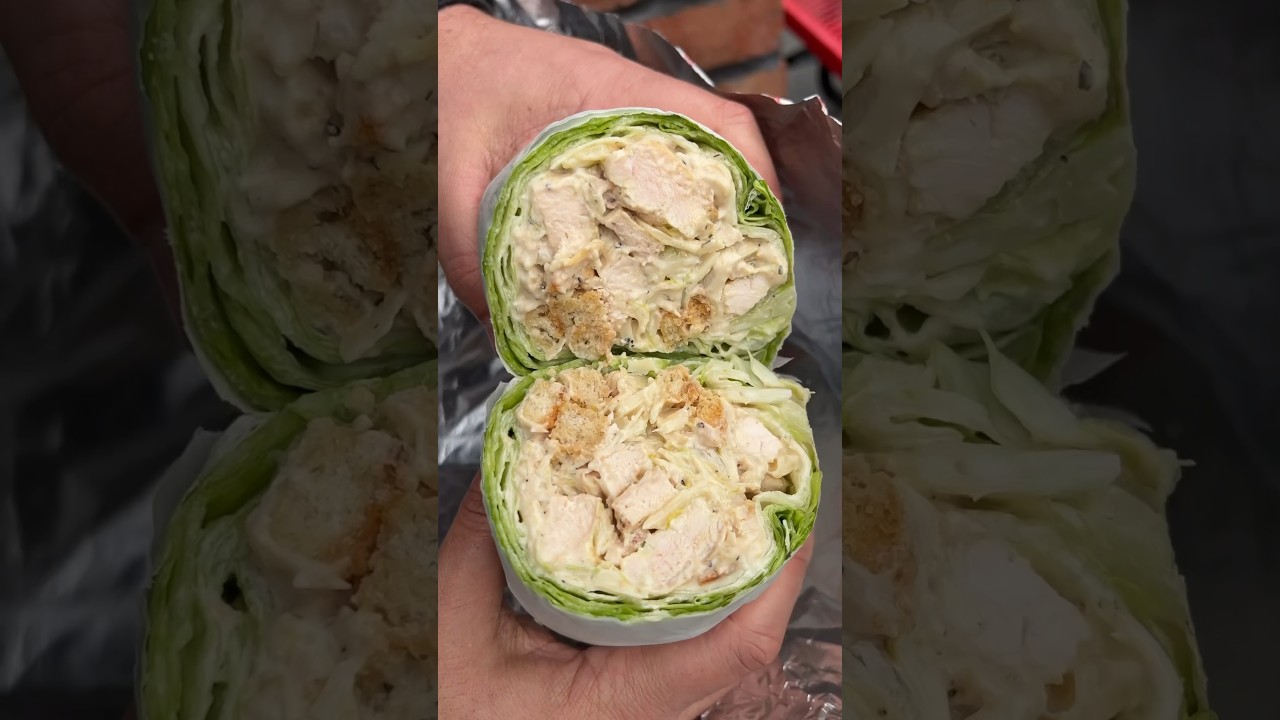
“Caesar salad is one of the most copied recipes in the world, and also one of the most watered-down. Strip out the croutons and the mayo-heavy dressing and you're left with a structural problem: how do you make something satisfying without the bread and the fat? The answer is more protein. Greek yogurt plus cottage cheese in the dressing hits the creaminess mark while bumping each serving to 42g of protein — more than most gym lunches half the flavor.”
Why This Recipe Works
Caesar salad has a branding problem. It shows up on every menu, gets made with bottled dressing and croutons from a bag, and lands on the table tasting like it was assembled by someone who has never eaten in Italy and doesn't particularly want to. The lettuce wrap version solves half of this by removing the bread and refocusing the dish on its actual best elements: crisp romaine, properly cooked chicken, and a dressing that tastes like it was made by someone who owns anchovy paste and isn't afraid to use it.
The Protein Equation
The modification that makes this version worth writing about is the dressing base. Conventional Caesar uses mayonnaise — about 90 calories per tablespoon with almost zero protein. Greek yogurt and cottage cheese together flip that equation: same creamy consistency, same fat mouthfeel, 42 grams of protein per serving instead of 28. The cottage cheese specifically is underused in savory cooking. It blends into a smooth, lactic base that carries garlic, lemon, and anchovy without dominating any of them. Whisk it hard or blend it briefly — the texture needs to be completely smooth before it goes on the wrap.
Searing Chicken Breast Correctly
Chicken breast is the most cooked and most mistreated protein in the American kitchen. The failure pattern is consistent: too much moisture on the surface, pan not hot enough, constant moving and checking, pulling it off heat too early or leaving it on too long. The result is pale, steamed meat with no crust and a dry interior.
The fix is simple and requires a cast iron or heavy stainless skillet: dry the chicken completely, season it generously, get the oil to the shimmer-just-before-smoke point, place it down, and walk away for six minutes. The chicken will fuse to the pan initially and release when the crust is ready. Forcing it early tears the sear. An instant-read thermometer reads 165°F and the chicken comes off. Five minutes of rest on the board. Then slice.
The smoked paprika in the seasoning is doing specific work here. It builds a visually appealing mahogany crust that signals flavor before anyone takes a bite, and its subtle smokiness cuts through the acidity of the lemon-heavy dressing without competing with it.
Why Anchovy Paste Is Non-Negotiable
Every person who says they hate anchovies has eaten anchovy paste in Caesar dressing without knowing it. The fish flavor fully dissolves at cooking temperatures and in acidic environments — what remains is concentrated glutamate, which is the molecular definition of umami. One tablespoon in this quantity of dressing is completely undetectable as fish. Its absence, however, is immediately noticeable: the dressing tastes thin and one-dimensional without it.
If you don't own anchovy paste, Worcestershire sauce (already in this recipe) contains anchovies and provides a partial substitute. But the tube of anchovy paste costs two dollars and lasts six months in the fridge. Buy it once and stop making flat Caesar dressing.
Assembly as Architecture
Lettuce wraps fail most often at assembly. Overloaded leaves tear. Wet dressing applied too early wilts the romaine before the wrap reaches the table. The fix is sequencing: dry the leaves completely, place chicken off-center (not in the middle — you need room to roll), spoon dressing onto the chicken rather than the lettuce directly, then add cold toppings last. The cold tomatoes and onion hit the warm chicken and create a temperature contrast that wakes up every other flavor in the wrap.
This is a 30-minute lunch that competes with anything you'd order from a fast-casual restaurant — and unlike most of those orders, you know exactly what's in the dressing.
Where Beginners Mess This Up
Before we start, read this. These are the 4 reasons your chicken caesar lettuce wraps (42g protein, no bread required) will fail:
- 1
Not drying the chicken before searing: Surface moisture on chicken breast creates steam the moment it hits the pan, preventing any real browning. Pat every surface dry with paper towels before seasoning. A proper sear — not a steam — is what builds the fond and flavor that makes the chicken worth eating cold the next day.
- 2
Skipping the rest after cooking: Five minutes of rest lets the muscle fibers relax and reabsorb the juices that migrate toward the surface during cooking. Cut immediately and those juices flood the cutting board instead of staying in the meat. Dry chicken in a lettuce wrap is a texture problem with no fix.
- 3
Under-seasoning the dressing: Greek yogurt and cottage cheese are naturally bland. The lemon juice, Worcestershire, Dijon, and anchovy paste are not suggestions — they're the entire flavor structure. Taste and adjust aggressively. If the dressing doesn't taste like Caesar before it goes on the wrap, it won't taste like Caesar after.
- 4
Assembling too far in advance: Romaine wilts fast under wet dressing. Assemble directly before serving. If you're meal prepping, store the dressing and toppings separately and build each wrap at the point of eating.
The Video Reference Library
Want to see it in action? Here are the exact videos we analyzed and combined to build this foolproof recipe translation:
The source video for this recipe. Covers the sear technique, dressing build, and assembly sequence clearly. Good close-ups of the dressing consistency you're targeting.
🛠️ Core Equipment
- Large cast iron or stainless steel skilletEven heat retention for a consistent sear across the entire surface of the chicken breast. Non-stick pans run too cool and produce steamed, pale chicken instead of a proper crust.
- Instant-read meat thermometerChicken breast has a narrow window between undercooked and dry. Pull at exactly 165°F. Guessing by color or feel costs you texture every time.
- Medium mixing bowl and whiskThe cottage cheese needs to be fully incorporated into the yogurt base. A fork leaves chunks. Whisk it until the dressing is completely smooth before tasting.
Chicken Caesar Lettuce Wraps (42g Protein, No Bread Required)
🛒 Ingredients
- ✦1.5 lbs boneless, skinless chicken breasts
- ✦2 tablespoons olive oil
- ✦1 teaspoon garlic powder
- ✦1 teaspoon smoked paprika
- ✦Salt and black pepper to taste
- ✦1 cup plain nonfat Greek yogurt
- ✦1/2 cup low-fat cottage cheese
- ✦3 tablespoons fresh lemon juice
- ✦2 tablespoons grated Parmesan cheese
- ✦2 cloves garlic, minced
- ✦1 teaspoon Worcestershire sauce
- ✦1/2 teaspoon Dijon mustard
- ✦1 tablespoon anchovy paste (optional but strongly recommended)
- ✦12 large romaine lettuce leaves
- ✦1 cup cherry tomatoes, halved
- ✦1/2 cup diced red onion
- ✦1/2 cup shaved Parmesan cheese, for topping
- ✦2 tablespoons fresh parsley, chopped
👨🍳 Instructions
01Step 1
Pat the chicken breasts completely dry on all surfaces with paper towels. Season both sides generously with garlic powder, smoked paprika, salt, and black pepper.
02Step 2
Heat olive oil in a large skillet over medium-high heat until shimmering and just beginning to smoke, about 1 minute.
03Step 3
Place the chicken in the hot skillet and sear undisturbed for 6-7 minutes per side until the internal temperature reads 165°F on a meat thermometer.
04Step 4
Transfer the chicken to a cutting board and let it rest for 5 minutes before slicing into bite-sized pieces.
05Step 5
While the chicken rests, combine Greek yogurt, cottage cheese, lemon juice, minced garlic, grated Parmesan, Worcestershire sauce, Dijon mustard, and anchovy paste in a medium bowl. Whisk until completely smooth.
06Step 6
Taste the dressing and adjust with additional salt, pepper, or lemon juice. It should taste assertively of Caesar before you use it.
07Step 7
Arrange the romaine lettuce leaves on a serving platter, laying them flat and cup-side up.
08Step 8
Distribute the sliced chicken evenly among the leaves, placing it slightly off-center to leave room for toppings.
09Step 9
Spoon about 2 tablespoons of dressing onto each leaf, spreading gently across the chicken.
10Step 10
Top each wrap with cherry tomatoes, diced red onion, and shaved Parmesan.
11Step 11
Scatter fresh parsley over everything and serve immediately. To eat handheld, roll the lettuce leaves tightly and secure with a toothpick.
Nutrition Per Serving
Estimates based on standard preparation. Adjustments alter macros.
🔄 Substitutions
Instead of Greek yogurt + cottage cheese dressing...
Use Greek yogurt + silken tofu, blended with lemon and garlic
Equally creamy, slightly less tangy. Boosts protein to 45g per serving and removes dairy for those with sensitivities. The tofu absorbs Caesar flavors well.
Instead of Chicken breast...
Use Grilled salmon fillet (1.5 lbs)
Richer, more buttery flavor. Pairs beautifully with Caesar. Higher in fat but adds omega-3 fatty acids. Cook to 145°F internal temperature.
Instead of Romaine lettuce leaves...
Use Butter lettuce or Bibb lettuce
More tender, less bitter. Easier to wrap without tearing. Still low-carb. Better choice if you're serving people who find romaine too assertive.
Instead of Low-fat cottage cheese...
Use Nonfat ricotta cheese
Blends more smoothly into the dressing with no whisk required. Same protein contribution. Slightly lighter texture and more refined mouthfeel.
🧊 Storage & Reheating
In the Fridge
Store chicken, dressing, and toppings separately in airtight containers for up to 3 days. Do not pre-assemble — dressed lettuce wilts within an hour.
In the Freezer
The cooked chicken freezes well for up to 2 months. The dressing does not freeze — it separates. Make fresh dressing each time.
Reheating Rules
Reheat chicken in a covered skillet with a splash of water over medium-low heat for 3-4 minutes. Microwave works but dries the edges — cover and go short intervals.
❓ Frequently Asked Questions
Why does my lettuce get soggy so fast?
The dressing is wet and the lettuce is thin — there's no avoiding it if the wrap sits assembled. The fix is to dress the chicken, not the lettuce. Spoon dressing on just before eating, not while prepping.
Do I need anchovy paste?
Not strictly, but the dressing will taste noticeably flat without it. Anchovy paste dissolves completely and contributes pure umami depth — you won't taste fish. If you won't buy a tube, Worcestershire sauce contains anchovies and you already have that in the recipe.
Can I use store-bought Caesar dressing?
You can, but you'll lose the protein benefit — most bottled Caesar dressings are mayonnaise-based with minimal protein. The Greek yogurt and cottage cheese base is the entire point of this version.
How do I keep the chicken from drying out?
Two things: don't cook past 165°F internal temperature, and always rest the meat for 5 minutes before slicing. Temperature control is the variable most home cooks skip. A cheap instant-read thermometer solves this permanently.
Is this actually keto?
Yes. Nine grams of carbs per serving, almost entirely from vegetables. The romaine, tomatoes, and onion are the only carb sources. No added starch, no croutons, no sugar in the dressing.
Can I make the dressing ahead?
Yes — it actually improves after 24 hours in the fridge as the garlic mellows and the flavors integrate. Make it the night before for noticeably better results.
The Science of
Chicken Caesar Lettuce Wraps (42g Protein, No Bread Required)
We turned everything on this page into a beautiful, flour-proof PDF cheat sheet. Print it out, stick it to your fridge, and never mess up your chicken caesar lettuce wraps (42g protein, no bread required) again.
*We'll email you the high-res PDF instantly. No spam, just perfectly cooked meals.
AlmostChefs Editorial Team
We translate the internet's most popular cooking videos into foolproof, beginner-friendly written recipes. We analyze multiple methods, test them in our kitchen, and engineer a single "Master Recipe" that gives you the best possible result with the least possible stress.