Perfect Chicken Biryani (Stop Doing It Wrong)
A layered, aromatic Indian rice dish with tender marinated chicken, caramelized onions, and whole spices cooked low and slow under a sealed lid. We analyzed the most popular YouTube methods to build one foolproof technique that nails the rice texture every time.
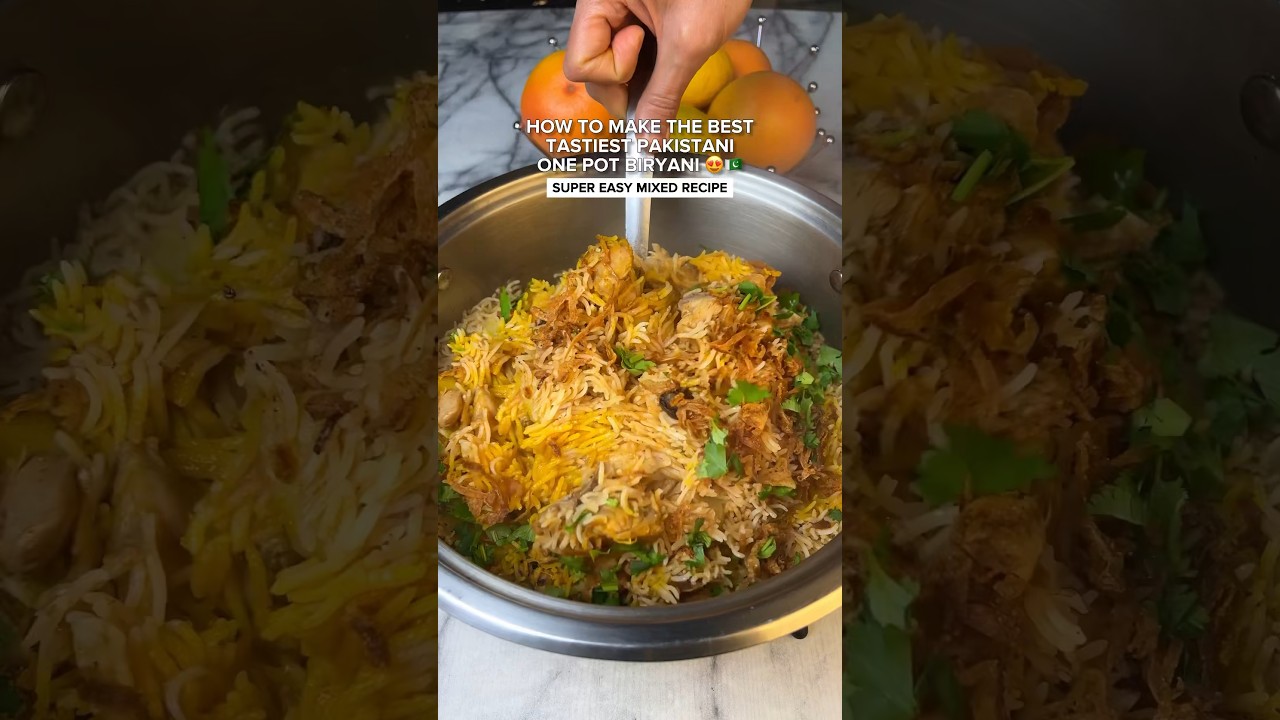
“Everyone has a biryani recipe. Most of them produce mushy rice, dry chicken, or both. The difference between forgettable biryani and the kind that makes people go silent mid-bite comes down to three things: how long you soak the rice, how far you parboil it, and whether you actually seal the lid. We tested every major YouTube method to find the one that delivers.”
Why This Recipe Works
Biryani is not a casserole. It's not a pilaf. It is a precision-engineered steam chamber where rice and meat cook in parallel, each finishing at exactly the right moment because someone centuries ago figured out the math. The fact that most home cooks treat it like "dump everything in a pot and hope" explains why most home biryani is disappointing.
The Rice Problem
Every failed biryani starts with the rice. The technique is called parboiling, and it's the most misunderstood step in all of Indian cooking. You boil the soaked basmati in salted water until it's 70% cooked — and not a percentage more. The test: snap a grain between your fingernails. You should see a distinct chalky white core surrounded by a translucent outer layer. If the grain bends instead of snapping, you've already gone too far.
Why 70%? Because the remaining 30% of cooking happens during the dum (sealed steaming) phase, where the rice absorbs the aromatic steam from the spiced chicken below. If the rice enters the pot at 90% done, it has nowhere to go but mush. If it enters at 50%, the dum can't finish the job and you get crunchy grains. Seventy percent is the sweet spot, and it's non-negotiable.
The rice variety matters too. Aged basmati — rice that's been stored for at least a year after harvest — has lower moisture content, which means each grain elongates dramatically during cooking instead of expanding sideways into a sticky clump. Fresh basmati behaves more like regular long-grain rice. If your bag doesn't specify "aged" or "extra-long grain," extend your soak time to 45 minutes to compensate.
The Onion Foundation
Roughly 40% of biryani's flavor comes from the caramelized onions, and most recipes criminally undercook them. "Golden brown" is restaurant code for "we pulled them early because the line was backed up." What you want is deep mahogany — the onions should look like they've been tanning on a Mediterranean beach for two weeks. This takes 12-15 minutes of active sautéing in ghee over medium-high heat, stirring frequently to prevent burning.
The chemistry: onions contain high concentrations of natural sugars (about 5g per onion) and sulfur compounds. At sustained heat, the Maillard reaction converts these into hundreds of new flavor compounds — the same reaction that makes seared steak taste different from boiled meat. Underdone onions taste sharp and acrid. Properly caramelized onions taste sweet, complex, and deeply savory. There is no shortcut.
The Marinade Science
Yogurt serves three functions in the chicken marinade. First, its lactic acid gently denatures the surface proteins of the chicken, creating a tender exterior without the mushiness that citrus-heavy marinades cause. Second, its thick consistency clings to the meat, ensuring even flavor distribution. Third, during the dum phase, the yogurt creates a rich, slightly tangy sauce that permeates the rice from below.
Forty-five minutes is the minimum marinade time. The acid needs time to work — but not too much time. Beyond 8 hours, the yogurt begins breaking down the meat fibers excessively, turning chicken thighs from tender to pasty. The overnight marinade sweet spot is 4-6 hours.
The Dum Principle
Dum means "to breathe" — and it's the defining technique that separates biryani from every other rice dish. By sealing the pot with aluminum foil and a tight lid, you create a pressurized steam environment where the temperature stays perfectly even and the aromatic compounds from the spices, saffron, mint, and cilantro circulate continuously through the rice.
This is why you cannot lift the lid. Every time you break the seal, you release the accumulated steam and drop the internal temperature by 15-20 degrees. The top layer of rice, which depends entirely on indirect steam to finish cooking, immediately stalls. The result is dry rice on top and overcooked rice on the bottom — the classic biryani failure that people blame on the recipe rather than their own impatience.
A heavy-bottomed pot is essential here. Thin aluminum pots create hot spots that scorch the bottom layer while leaving the center undercooked. Cast iron or heavy stainless steel distributes heat evenly across the entire base, giving you that coveted crispy bottom layer (tahdig) without any burnt spots.
The Spice Architecture
Biryani uses whole spices — not ground — for a reason. Ground spices release their volatile oils immediately and can turn bitter during the long dum cook. Whole cardamom, cloves, cinnamon, and bay leaves release their flavor slowly over 40 minutes, building complexity layer by layer. This is also why you toast them briefly in hot ghee before adding the rice: the fat captures and distributes the aromatic compounds more efficiently than water alone.
The saffron-milk drizzle on top serves a dual purpose. The saffron imparts its distinctive floral aroma and vivid orange color, but the warm milk also generates additional steam during the dum, ensuring the top rice layer cooks evenly. Skipping the milk — or adding dry saffron directly — produces flat, colorless results.
Assembly Order Matters
The layering sequence is rice-chicken-onions-rice, and it's not arbitrary. The chicken sits in the middle so it's surrounded by heat from both above and below. The caramelized onions go above the chicken to protect it from direct top heat and to contribute their moisture downward. The rice on top acts as an insulating blanket that traps steam. Reverse the order and the physics fall apart.
Every component in this dish exists to solve a specific engineering problem. That's what makes biryani biryani — not the ingredients, but the architecture.
Where Beginners Mess This Up
Before we start, read this. These are the 3 reasons your perfect chicken biryani (stop doing it wrong) will fail:
- 1
Skipping the rice soak: Basmati rice must soak for at least 30 minutes. Unsoaked grains absorb water unevenly during parboiling — you get some grains that are mush and others that are still crunchy. The soak lets each grain hydrate uniformly so they all finish cooking at the same time under the dum.
- 2
Overcooking the rice during parboiling: The rice should be exactly 70% cooked when you drain it — firm with a visible white core when you snap a grain. If you boil it to 90% or beyond, the dum phase turns it into porridge. This is the single most common biryani failure.
- 3
Lifting the lid during dum: The sealed lid traps steam that finishes cooking the rice and chicken simultaneously. Every time you peek, you release that steam and the top layer dries out while the bottom stays underdone. Set a timer. Walk away. Trust the process.
The Video Reference Library
Want to see it in action? Here are the exact videos we analyzed and combined to build this foolproof recipe translation:
A meticulous walkthrough with 7M+ views that nails the parboiling technique and layering order. Best video for understanding when the rice is exactly 70% done.
Focused on the dum (steam-cooking) technique and why sealing the lid properly is the make-or-break step. Clear close-ups of the caramelized onion color you're aiming for.
38M+ views for a reason — strips biryani down to the essentials without losing authenticity. Great for first-timers who want confidence before attempting the full method.
🛠️ Core Equipment
- Heavy-bottomed pot with tight-fitting lidEven heat distribution prevents the bottom layer from burning. A thin pot creates hot spots that scorch the rice. Dutch ovens or thick aluminum biryani pots are ideal.
- Fine-mesh sieveFor draining the parboiled rice quickly. Every second the rice sits in hot water, it keeps cooking. You need to drain fast and spread it out.
- Aluminum foilPlaced between the pot and lid to create an airtight seal. Without this, steam escapes and the dum fails. Non-negotiable.
Perfect Chicken Biryani (Stop Doing It Wrong)
🛒 Ingredients
- ✦2.5 cups aged basmati rice
- ✦1.75 pounds chicken breast and thighs, cut into pieces
- ✦1 cup plain Greek yogurt
- ✦3.5 large yellow onions, thinly sliced
- ✦4 tablespoons ghee, divided
- ✦2.5 tablespoons ginger-garlic paste
- ✦3 green Thai chilies, split lengthwise
- ✦1/2 cup fresh cilantro leaves, chopped
- ✦1/4 cup fresh mint leaves, torn
- ✦1 teaspoon cumin seeds
- ✦3 bay leaves
- ✦1 cinnamon stick (2-inch piece)
- ✦5 green cardamom pods, lightly crushed
- ✦5 whole cloves
- ✦1/2 teaspoon black peppercorns
- ✦4.5 cups water
- ✦1/4 teaspoon saffron strands
- ✦1/2 cup whole milk, warmed
- ✦3 tablespoons fresh lemon juice
- ✦Sea salt and freshly ground black pepper to taste
👨🍳 Instructions
01Step 1
Soak the basmati rice in cold water for 30 minutes, then drain thoroughly.
02Step 2
Combine the chicken with Greek yogurt, ginger-garlic paste, half the green chilies, 1.5 tablespoons lemon juice, and salt. Refrigerate for at least 45 minutes.
03Step 3
Steep the saffron strands in warmed milk for 15 minutes.
04Step 4
Heat 2 tablespoons ghee in a heavy-bottomed pot over medium-high heat. Add the sliced onions and sauté for 12-15 minutes until deep golden brown.
05Step 5
Transfer most of the caramelized onions to a plate. Add remaining ghee, cumin seeds, bay leaves, cinnamon, cardamom, cloves, and peppercorns. Toast for 2 minutes until fragrant.
06Step 6
Bring 4.5 cups water to a boil in the pot, add the drained rice, and cook uncovered for 6-8 minutes until 70% done — firm with a visible white core.
07Step 7
Drain the rice immediately through a fine-mesh sieve. Speed matters here.
08Step 8
Layer in the pot: half the rice, all the marinated chicken in a single layer, the reserved caramelized onions and remaining chilies, then the rest of the rice on top.
09Step 9
Drizzle the saffron milk over the rice. Scatter cilantro and mint leaves. Add remaining lemon juice and a pinch of salt.
10Step 10
Cover with aluminum foil pressed tightly around the edges, then place the lid on top to create an airtight seal.
11Step 11
Heat on medium-high for 2-3 minutes until steam builds, then immediately reduce to the lowest heat and cook for 35-40 minutes. Do not lift the lid.
12Step 12
Turn off heat and let rest, still sealed, for 5 minutes.
13Step 13
Remove lid and foil. Gently fluff the rice with a fork, mixing the layers slightly to distribute the saffron and spices.
Nutrition Per Serving
Estimates based on standard preparation. Adjustments alter macros.
🔄 Substitutions
Instead of Ghee...
Use Coconut oil or avocado oil
Loses the nutty dairy flavor but still provides good browning. Coconut oil adds subtle sweetness.
Instead of Greek yogurt...
Use Cashew cream (soaked cashews blended with water)
Dairy-free alternative that marinates effectively. Slightly richer texture.
Instead of Basmati rice...
Use Sella (parboiled) basmati
More forgiving — harder to overcook. Slightly chewier grain. Common in restaurant biryanis for this reason.
Instead of Chicken...
Use Lamb or goat
Increases cook time significantly. Lamb needs 25-30 extra minutes in the dum phase. Adjust accordingly.
🧊 Storage & Reheating
In the Fridge
Store in an airtight container for up to 3 days. The flavors actually improve overnight.
In the Freezer
Freeze in portions for up to 2 months. Thaw overnight in the fridge.
Reheating Rules
Sprinkle 2 tablespoons of water over the biryani, cover tightly, and reheat on low heat for 10-15 minutes. Microwave dries it out — avoid if possible.
❓ Frequently Asked Questions
Why is my biryani rice mushy?
You parboiled the rice too long. It should be exactly 70% cooked — firm with a visible white core when snapped. The remaining 30% cooks during the dum phase. If the rice is 90% done before layering, it turns to mush.
Can I use boneless chicken?
You can, but bone-in pieces add more flavor to the surrounding rice during the long dum cook. If using boneless, the marinade time becomes even more important.
Why didn't my rice get the saffron color?
Saffron needs to bloom in warm milk for at least 15 minutes. Sprinkling dry saffron on top does almost nothing. Also, the color only reaches the top layer — that's normal. You mix it when serving.
Do I really need to seal the lid with foil?
Yes. Without an airtight seal, steam escapes and the top layer dries out while the bottom overcooks. The foil seal is the entire principle behind dum cooking.
What's the difference between biryani and pulao?
Pulao cooks the rice and meat together in the same liquid. Biryani layers parboiled rice and cooked meat separately, then steams them together. The layering is what creates the distinct flavor gradient from top to bottom.
How do I know when the biryani is done?
After 35-40 minutes on low heat, you should see tiny wisps of aromatic steam escaping. The pot should smell intensely fragrant. If you hear sizzling, the heat is too high. Trust the timer — resist lifting the lid.
The Science of
Perfect Chicken Biryani (Stop Doing It Wrong)
We turned everything on this page into a beautiful, flour-proof PDF cheat sheet. Print it out, stick it to your fridge, and never mess up your perfect chicken biryani (stop doing it wrong) again.
*We'll email you the high-res PDF instantly. No spam, just perfectly cooked meals.
AlmostChefs Editorial Team
We translate the internet's most popular cooking videos into foolproof, beginner-friendly written recipes. We analyze multiple methods, test them in our kitchen, and engineer a single "Master Recipe" that gives you the best possible result with the least possible stress.