Healing Chicken and Rice Soup (The One That Actually Works)
Tender shredded chicken, brown rice, and aromatic vegetables simmered in a savory broth with fresh ginger and herbs. We stripped the method down to its essentials and fixed the three mistakes that turn a simple soup into a watery disappointment.
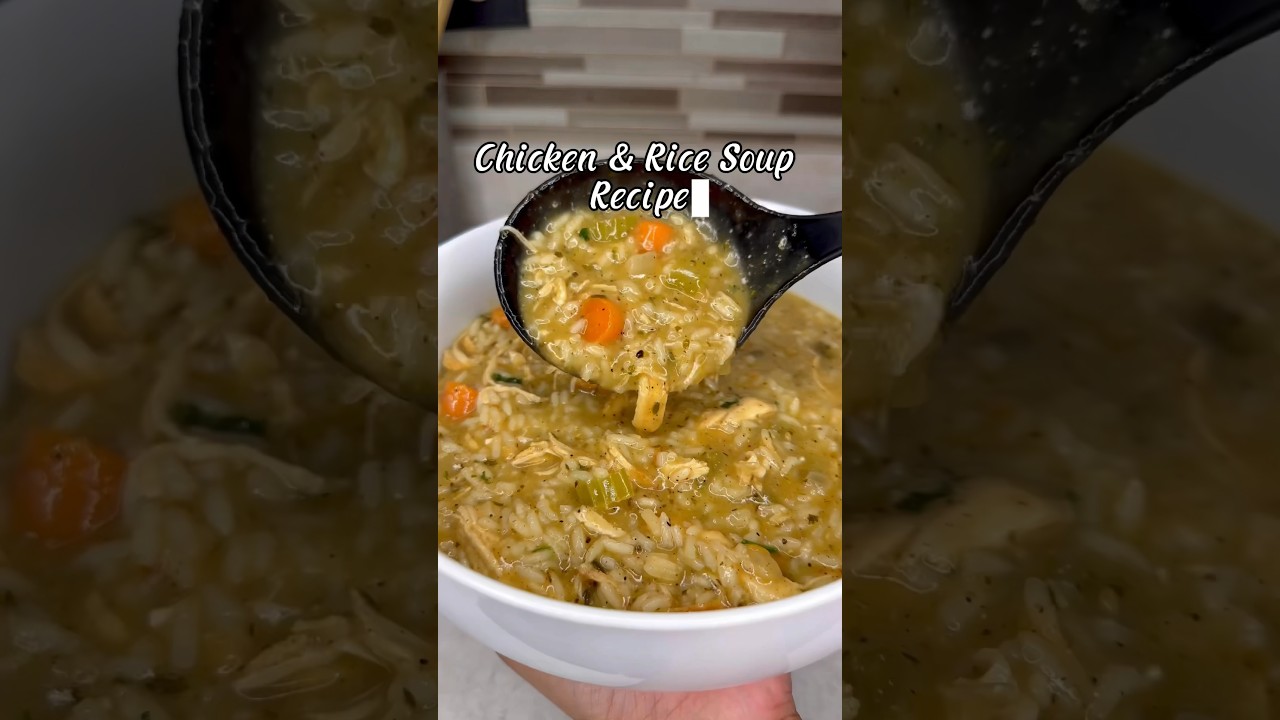
“Chicken and rice soup sounds foolproof. It isn't. Most versions produce watery broth, overcooked chicken, and rice that absorbs every drop of liquid and turns the soup into porridge. The fix isn't exotic ingredients — it's understanding three things: when to pull the chicken, why brown rice changes the timing entirely, and how a single tablespoon of fresh ginger transforms the entire bowl.”
Why This Recipe Works
Chicken and rice soup sits at the intersection of every home cook's overconfidence and their most reliable disaster. It looks simple. It should be simple. Four main components, no technique more sophisticated than "apply heat to liquid." And yet it fails constantly, in the same ways, for the same reasons, every time someone attempts it without thinking. The rice swells into paste. The chicken turns to stringy fiber. The broth tastes like warm intent with no follow-through.
The failure isn't a mystery. It's a sequencing problem, and sequencing is fixable.
The Chicken Leaves. Then It Comes Back.
The foundational error in virtually every bad chicken soup recipe — including the ones published by otherwise competent food media — is treating the chicken breast as a structural element. Something you build the dish around, submerged in simmering broth for the full duration of cooking, present from raw to table like a long-suffering background actor.
This is wrong. Chicken breast at sustained heat for 40-plus minutes is categorically ruined, and no amount of good broth or fresh herbs rescues it. The proteins tighten, the moisture evacuates, and what you're left with is dry, fibrous material that sits in your bowl as a reminder that you didn't pay attention.
The correct approach treats chicken as a two-phase ingredient. Phase one: the breast goes into the broth whole and simmers on medium-low for exactly 15 minutes. During that window, it reaches 165°F and donates flavor compounds to the liquid — actual collagen, actual rendered fat, actual savory depth. To confirm it's actually done and not just approximately done, use an instant-read thermometer. Guessing by color or time alone is how you either undercook the protein or overcook it into shoe leather. A probe costs fifteen dollars and removes all ambiguity from the most consequential moment in this recipe.
Phase two: the chicken leaves the pot entirely. It goes onto a cutting board, cools for three minutes, and gets shredded by hand using two forks — working with the grain of the muscle, not against it, pulling into clean bite-sized pieces rather than mashing it into a paste. It returns at the end, off the heat, to warm through in the finished soup. It does not cook further. That's the whole trick.
This is why restaurant chicken soup doesn't taste like what you produce at home. The kitchen knows when to leave the protein alone.
Brown Rice Is a Feature, Not a Compromise
The choice to use brown rice rather than white isn't a wellness concession. It's structural engineering.
White rice in soup is a liability. It absorbs liquid aggressively and continuously — during cooking, during the rest, during the 20 minutes it sits on the stovetop while you set the table. Add white rice to broth and you have, conservatively, a twelve-minute window between "done" and "the soup is now porridge." Brown rice takes 30 to 35 minutes but holds its structure throughout, swelling gradually and stopping when it stops rather than continuing to drink the bowl dry after the heat is off.
For a recipe that requires parallel tasking — shredding chicken while the rice finishes, managing spinach, checking seasoning — that tolerance for error is not optional. It's load-bearing. Brown rice is also why this soup reheats as soup rather than as a thick slab of grain that needs two cups of water to reconstitute. Plan for the recipe you're actually making, not the one you wish you were making.
If you insist on white rice: 15 to 18 minutes, watch it like it owes you money, serve immediately. It will not wait.
The Equipment Doing the Actual Work
A good soup lives or dies on sustained, even heat over a 35-minute simmer. Scorching on the bottom during that window — which happens the moment you stop paying attention with thin, cheap cookware — introduces bitter notes that no herb or acid finish can correct. You need a large heavy-bottomed pot or Dutch oven for this. The thick base distributes heat evenly, maintains temperature without constant adjustment, and tolerates the occasional period of benign neglect while you're shredding chicken at the counter. The Dutch oven specifically earns its position here because its mass provides thermal stability — once it's at a steady simmer, it holds that simmer without spiking into a boil every time you turn your back.
This is not gear marketing. It's physics. Thin pots create temperature gradients. Temperature gradients create uneven cooking. Uneven cooking means part of your rice is mush while another part is still crunchy, and your broth has a faint bitter note you can't identify. Spend the money once, cook this properly for the rest of your life.
Ginger Is Doing Serious Work Here
One full tablespoon of fresh ginger sounds aggressive. Measured against the final volume of eight cups of broth plus vegetables and protein, it isn't. Over 40 minutes of simmering, the harsh volatile compounds in raw ginger mellow almost completely, leaving behind warmth and aromatic complexity that dried ginger — powdered, shelf-stable, dusty — cannot approximate. Powdered ginger tastes like a spice rack. Fresh ginger tastes like something alive.
The functional argument is also worth making plainly: ginger's gingerols are among the most extensively documented anti-inflammatory compounds in culinary use. The "anti-inflammatory" label on this recipe is not a wellness blog flourish. It reflects a real interaction between gingerol, allicin (from the garlic), oleocanthal (from the olive oil), and the iron and folate in fresh spinach. This soup genuinely nourishes in a way that a can of sodium-dense broth with overcooked rice does not.
Acid Is the Finish Line
The most under-discussed element in home soup cooking is acid at the end. A teaspoon of lemon juice added off the heat — not during the simmer, not while the soup is boiling, but in the final moment before it hits the bowl — does not make the soup taste lemony. It makes it taste more like itself. Brighter. Cleaner. More present. Each component — the chicken, the ginger, the herbs — becomes more individually distinct rather than melding into an undifferentiated savory mass.
This is not opinion. Acids interact with taste receptors in measurable ways, amplifying the perception of umami and sweetness by increasing salivation and opening flavor pathways. Two bowls of this soup, side by side, identical in every way except one has a teaspoon of lemon juice: the one with acid tastes more seasoned, more finished, and more deliberate, even with identical salt content.
Add the lemon off the heat. Heat destroys the citrus volatile compounds within 30 seconds — the bright top notes evaporate before they reach the bowl. Add it, stir once, ladle, and serve. The acid does its job in the temperature differential between pot and bowl.
The Honest Summary
This isn't a complicated recipe. It's a simple recipe executed in the correct order with the correct tools. The Dutch oven keeps the heat honest. The instant-read thermometer keeps the chicken from becoming a casualty. The two forks give you shredded protein rather than compressed chunks. The ginger does the anti-inflammatory work that the label promises. The lemon closes the loop at the end.
What makes this soup work isn't the ingredient list — every version of this recipe has roughly the same ingredients. What makes it work is knowing that the chicken exits and returns, that brown rice forgives where white rice punishes, and that the whole thing needs one teaspoon of acid before it's actually finished.
Most chicken soup recipes don't tell you any of that. Now you know.
Where Beginners Mess This Up
Before we start, read this. These are the 4 reasons your healing chicken and rice soup (the one that actually works) will fail:
- 1
Cooking the chicken in the broth the whole time: Simmering chicken breast for 45+ minutes while the rice cooks turns it into dry, stringy fiber. The fix: simmer the chicken for exactly 15 minutes until it hits 165°F, pull it out, shred it, and return it at the end. It stays tender because it stops cooking when you want it to stop cooking.
- 2
Using white rice without adjusting expectations: White rice absorbs liquid aggressively and continues absorbing even after you turn off the heat. Brown rice is slower and more forgiving — it holds its texture rather than swelling into mush. If you use white rice, reduce the simmer time to 15-18 minutes and serve immediately. Brown rice gives you a 10-minute window. White rice gives you about two.
- 3
Adding the spinach too early: Spinach added at the start of the simmer turns grey and loses its flavor. It needs exactly 2 minutes of contact with hot broth — not simmering, just hot. Add it after you return the chicken, stir once, and serve. The leaves should wilt but stay bright green.
- 4
Skipping the lemon juice: A teaspoon of acid at the finish does something no amount of salt can do — it lifts the entire flavor profile and makes the broth taste cleaner and brighter. Without it, the soup tastes flat no matter how well-seasoned it is. Add it off-heat, right before ladling.
🛠️ Core Equipment
- Large heavy-bottomed pot or Dutch ovenEven heat distribution prevents the bottom from scorching during the long rice simmer. A [Dutch oven](/kitchen-gear/review/dutch-oven) is ideal — the thick base means you can walk away without babysitting the heat.
- Instant-read thermometerPulling the chicken at exactly 165°F is the difference between tender and dry. Guessing by time alone is how you ruin the protein in an otherwise perfect soup.
- Two forksFor shredding the chicken. Let the breast cool for 3-4 minutes before shredding — hot chicken tears unevenly and compresses into clumps instead of clean fibers.
Healing Chicken and Rice Soup (The One That Actually Works)
🛒 Ingredients
- ✦2 tablespoons extra virgin olive oil
- ✦1 medium yellow onion, finely diced
- ✦3 medium carrots, cut into thin half-moons
- ✦2 celery stalks, cut into small dice
- ✦4 cloves garlic, minced
- ✦1 tablespoon fresh ginger, minced
- ✦8 cups low-sodium chicken broth
- ✦1.5 pounds boneless skinless chicken breast
- ✦3/4 cup brown rice
- ✦2 bay leaves
- ✦1 teaspoon dried thyme
- ✦1/2 teaspoon ground black pepper
- ✦1 teaspoon sea salt
- ✦1 cup fresh spinach, loosely packed
- ✦2 tablespoons fresh parsley, chopped
- ✦1 teaspoon lemon juice
👨🍳 Instructions
01Step 1
Heat olive oil in a large pot over medium-high heat.
02Step 2
Add the diced onion, carrots, and celery. Sauté for 5 minutes until softened and beginning to turn translucent.
03Step 3
Stir in the minced garlic and fresh ginger. Cook for 1 minute until fragrant.
04Step 4
Pour in the chicken broth and bring to a gentle boil.
05Step 5
Add the whole chicken breast along with bay leaves, dried thyme, and half the salt and pepper. Reduce heat to medium-low and simmer for 15 minutes.
06Step 6
Check the chicken with an instant-read thermometer. When it reads 165°F, remove with tongs and transfer to a cutting board.
07Step 7
Add the brown rice to the simmering broth. Stir to distribute evenly and continue simmering for 30-35 minutes until the rice is tender.
08Step 8
While the rice cooks, shred the cooled chicken into bite-sized pieces using two forks.
09Step 9
Return the shredded chicken to the pot. Add the fresh spinach and remaining salt and pepper. Stir gently until the spinach wilts, about 2 minutes.
10Step 10
Remove the bay leaves.
11Step 11
Stir in the fresh parsley and lemon juice off the heat. Taste and adjust seasoning.
12Step 12
Ladle into bowls and serve immediately.
Nutrition Per Serving
Estimates based on standard preparation. Adjustments alter macros.
🔄 Substitutions
Instead of Brown rice...
Use Wild rice or farro
Both provide nuttier texture and more chew. Extend simmer time by 5-10 minutes. Farro holds up especially well to reheating — better than brown rice if you're making this for meal prep.
Instead of Chicken breast...
Use Boneless skinless chicken thighs
More forgiving — thighs are harder to overcook and the extra fat makes the broth richer. Adjust cooking time to 20-25 minutes before pulling to shred. The finished soup will be noticeably more flavorful.
Instead of Low-sodium chicken broth...
Use Homemade bone broth or vegetable broth
Bone broth adds collagen and deeper umami. Vegetable broth makes the dish lighter and plant-forward. Either works — just taste and adjust salt accordingly since homemade stocks vary widely in seasoning.
Instead of Fresh spinach...
Use Kale or Swiss chard
Both hold up better to reheating than spinach. Kale needs 3-4 minutes to soften rather than 2. Chard falls somewhere in between. Use if you're making a large batch that will sit.
🧊 Storage & Reheating
In the Fridge
Store in an airtight container for up to 4 days. The rice will continue absorbing broth — add a splash of water or stock when reheating to restore the original consistency.
In the Freezer
Freeze for up to 3 months. For best results, freeze the soup before adding rice and cook fresh rice when reheating. Pre-cooked rice in frozen soup turns grainy.
Reheating Rules
Reheat gently on the stovetop over medium-low heat with a splash of broth. Microwave works but dries out the chicken — cover with a damp paper towel and heat in 90-second intervals if you must.
❓ Frequently Asked Questions
Why does my soup turn into a thick porridge after it sits?
Rice — especially brown rice — continues absorbing liquid as it cools. This is normal. The fix is simple: add 1/2 to 1 cup of broth or water when reheating and stir to loosen. For meal prep purposes, some cooks store the rice separately and combine when serving.
Can I use rotisserie chicken instead of raw breast?
Yes, and it's a significant time saver. Skip steps 4-8. Simmer the vegetables and broth, add the rice, and cook for 30-35 minutes. Shred the rotisserie chicken and add it in the last 5 minutes just to warm through. The broth won't be quite as rich, but the convenience is real.
Do I have to use brown rice? Can I use white?
You can use white rice, but you must adjust the timing. White rice takes 15-18 minutes to cook, not 30-35. Add it later in the process and watch it closely — white rice in soup goes from perfectly tender to bloated mush within minutes. Brown rice is more forgiving and is worth the extra time.
My broth tastes flat even after seasoning. What am I missing?
Almost certainly the lemon juice. Acid at the finish is the single most common missing element in home soup cooking. Add 1 teaspoon of lemon juice off the heat and taste again — you'll be surprised how much it changes the perception of every other flavor in the bowl.
Can I make this in a slow cooker?
Yes. Sauté the aromatics in a skillet first (this step matters — don't skip it), then transfer everything except the spinach, parsley, and lemon to the slow cooker. Cook on low for 6-7 hours or high for 3-4. Add spinach and parsley in the last 15 minutes. Stir in lemon juice before serving.
Is this soup actually anti-inflammatory?
The combination of ginger, garlic, olive oil, and leafy greens gives it a solid anti-inflammatory profile. Ginger contains gingerols, garlic contains allicin, and olive oil provides oleocanthal — all compounds with documented inflammation-reducing properties. It won't replace medication, but it's a genuinely nourishing bowl.
The Science of
Healing Chicken and Rice Soup (The One That Actually Works)
We turned everything on this page into a beautiful, flour-proof PDF cheat sheet. Print it out, stick it to your fridge, and never mess up your healing chicken and rice soup (the one that actually works) again.
*We'll email you the high-res PDF instantly. No spam, just perfectly cooked meals.
AlmostChefs Editorial Team
We translate the internet's most popular cooking videos into foolproof, beginner-friendly written recipes. We analyze multiple methods, test them in our kitchen, and engineer a single "Master Recipe" that gives you the best possible result with the least possible stress.