High-Protein Chicken & Black Bean Burrito Bowl (42g Protein, Zero Compromise)
A deconstructed burrito bowl built around grilled spiced chicken breast, black beans, and a cottage cheese-yogurt rice base that quietly delivers 42g of protein per serving. We reverse-engineered the most popular burrito bowl methods to build one technique that tastes like comfort food and performs like a meal prep machine.
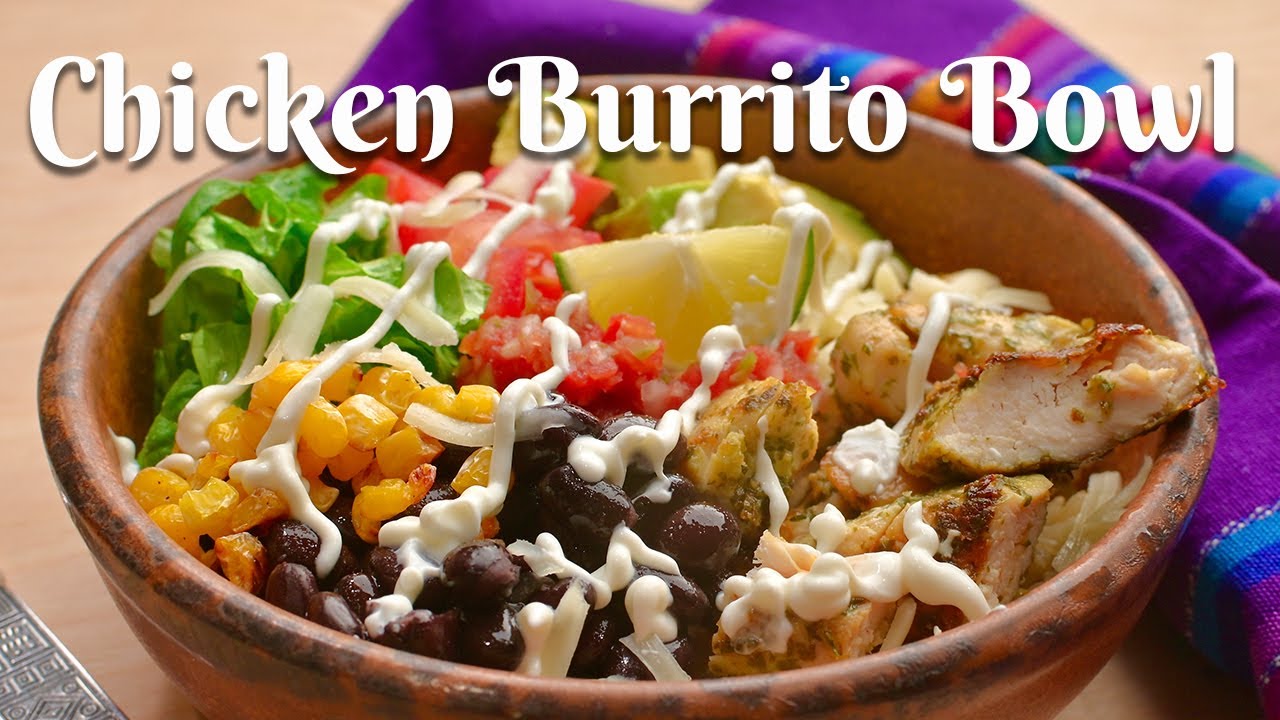
“Most burrito bowls are just rice with toppings — they taste fine and leave you hungry in two hours. This version uses a cottage cheese and Greek yogurt base folded directly into the rice, plus properly seasoned chicken breast, to hit 42g of protein per bowl without changing how it looks or tastes. It's still comfort food. It just actually does something.”
Why This Recipe Works
The burrito bowl has a credibility problem. It looks like a health food, gets marketed as a health food, and then delivers 28g of protein while you're still hungry two hours later wondering where it all went wrong. This version fixes the architecture, not the aesthetics. It still looks like every burrito bowl you've ever ordered. It just performs like a completely different meal.
The Hidden Protein Play
The primary upgrade here isn't the chicken — it's the rice. Folding a cottage cheese and Greek yogurt mixture directly into the cooked rice base adds 14g of protein per half-cup of cottage cheese, plus another 5g from the Greek yogurt, distributed invisibly across every bite of the bowl. The result: rice that tastes richer and creamier than plain rice, with zero indication that anything was done to it.
This technique works because cottage cheese has a mild flavor and a texture that disappears entirely when folded into warm rice. The Greek yogurt adds tang and a crema-like quality. Together, they turn a neutral carbohydrate base into the most protein-dense component of the bowl — quietly, without announcing themselves.
The bowl's 42g protein total comes from three sources working simultaneously: grilled chicken breast at the top (roughly 31g per 3.5 oz), black beans in the middle layer (about 7.5g per half-cup serving), and the dairy-enriched rice base below. Each component is doing real work. Nothing is decorative.
The Spice Rub Logic
Smoked paprika and cumin are not interchangeable with their unsmoked counterparts. Smoked paprika has been dried over oak smoke before grinding, which means it carries both color and a distinct charred, slightly sweet complexity that regular paprika cannot replicate. Cumin's earthy, slightly bitter notes balance the paprika's sweetness. Together, they approximate the flavor profile of grilled meat that's had contact with actual fire — which is exactly what a seared chicken breast needs to taste like it belongs in this bowl.
The ratios matter. At 2 teaspoons paprika to 1.5 teaspoons cumin, the paprika is dominant and the cumin is structural. Invert them and the bowl tastes like a taco seasoning situation, not a burrito bowl. Use both at half the listed amounts and the chicken tastes underseasoned no matter how well you sear it.
The Sear Protocol
Chicken breast is essentially all lean protein with almost no intramuscular fat to keep it moist during cooking. This makes technique non-negotiable. The heavy-bottomed skillet needs to be genuinely hot — shimmering oil, not just warm — before the chicken goes in. Drop cold chicken into a warm pan and it steams rather than sears, the spice crust turns to paste, and you lose the Maillard crust that provides most of the surface flavor.
Four minutes undisturbed on the first side. The chicken will tell you when it's ready to flip — it releases from the pan naturally when the crust has fully developed. Force it early and you tear the crust off with it. This is a universal principle across all seared proteins, but chicken breast is least forgiving because there's no fat to compensate for the damage.
The instant-read thermometer is not optional for chicken breast. The difference between 160°F and 175°F is the difference between juicy and dry, and you cannot tell by looking. Pull it at 165°F and rest for 5 minutes — carryover cooking will bring it to a safe final temperature while the juices redistribute.
Why This Bowl Actually Keeps You Full
Most bowls fail the satiety test because they're high in carbohydrates with insufficient protein and fat to slow gastric emptying. White rice digests quickly. Salsa adds almost nothing. Sour cream adds fat but no protein. The result is a pleasant meal that leaves you hungry in 90 minutes.
This version hits three satiety levers simultaneously: protein (42g slows digestion significantly), fiber (9g from beans, vegetables, and the optional brown rice swap), and fat (13g from olive oil and the dairy base). The combination creates a prolonged postprandial fullness that actually matches the calorie density of the meal. It's not a trick. It's macronutrient architecture.
The bowl is also designed for meal prep because it has to be. Any recipe that requires 45 minutes of active cooking to produce one serving is not a sustainable weeknight solution. Built as a batch, this becomes four days of lunches at roughly 10 minutes of assembly per morning — and it reheats better than almost any other bowl format because the dairy base prevents the rice from drying out completely in the fridge.
Where Beginners Mess This Up
Before we start, read this. These are the 4 reasons your high-protein chicken & black bean burrito bowl (42g protein, zero compromise) will fail:
- 1
Under-seasoning the chicken: Chicken breast has almost no internal fat, which means it depends entirely on the spice crust for flavor. If you season timidly, every bite tastes like nothing. Coat both sides generously — you should see full coverage of paprika and cumin, not scattered specks.
- 2
Skipping the rest after searing: Five minutes of resting after the chicken comes off the heat lets the juices redistribute through the meat. Cut into it immediately and those juices run straight onto your cutting board. The result is dry, stringy chicken that no amount of salsa will fix.
- 3
Cooking the rice in water instead of broth: White rice cooked in plain water tastes like nothing — it's a blank starch platform. Cooking it in low-sodium chicken broth adds a savory baseline that makes every topping taste more cohesive. It takes zero extra effort and makes a significant difference.
- 4
Adding the cottage cheese to hot rice too fast: Dumping cold cottage cheese into scorching rice creates streaky, uneven distribution with clumps. Let the rice cool for 60 seconds off heat before folding in the yogurt-cottage cheese mixture. It incorporates smoothly and the texture disappears completely into the rice.
The Video Reference Library
Want to see it in action? Here are the exact videos we analyzed and combined to build this foolproof recipe translation:
The source video for this recipe. Full walkthrough of the spice rub, sear technique, and the cottage cheese rice fold that makes this bowl hit 42g protein per serving.
🛠️ Core Equipment
- Large heavy-bottomed skilletChicken breast needs high, even heat to build a proper sear. A thin pan creates hot spots that burn the spice crust before the interior cooks through. Cast iron or a thick stainless skillet is ideal.
- Medium saucepan with tight-fitting lidFor the rice. A tight lid is non-negotiable — escaping steam means uneven absorption and patchy texture. If your lid has a loose fit, lay a folded kitchen towel between the pot and lid to seal it.
- Instant-read thermometerChicken breast has a very narrow window between undercooked and dry. A thermometer removes all guesswork — pull it at 165°F and it will carry over to a safe, juicy finish.
- Small mixing bowlFor whisking the cottage cheese, Greek yogurt, and lime juice into a smooth crema before folding into the rice. Mixing it in the pot leads to lumpy, uneven distribution.
High-Protein Chicken & Black Bean Burrito Bowl (42g Protein, Zero Compromise)
🛒 Ingredients
- ✦1.5 lbs boneless, skinless chicken breasts
- ✦2 tablespoons olive oil
- ✦2 teaspoons smoked paprika
- ✦1.5 teaspoons ground cumin
- ✦1 teaspoon garlic powder
- ✦1 teaspoon onion powder
- ✦1/2 teaspoon cayenne pepper
- ✦Salt and black pepper to taste
- ✦1.5 cups long-grain white rice, uncooked
- ✦3 cups low-sodium chicken broth
- ✦1/2 cup low-fat cottage cheese
- ✦2 cans (15 oz each) black beans, drained and rinsed
- ✦1 medium red onion, finely diced
- ✦1 cup fresh or frozen corn kernels
- ✦1 cup diced red or yellow bell pepper
- ✦1/2 cup fresh cilantro, chopped
- ✦1/2 cup plain Greek yogurt
- ✦2 tablespoons fresh lime juice
- ✦1/4 cup salsa, mild or spicy
- ✦Lime wedges for serving
👨🍳 Instructions
01Step 1
Pat the chicken breasts completely dry with paper towels. Season both sides generously with smoked paprika, cumin, garlic powder, onion powder, cayenne, salt, and black pepper.
02Step 2
Heat olive oil in a large heavy-bottomed skillet over medium-high heat until shimmering, about 2 minutes.
03Step 3
Place seasoned chicken breasts in the hot skillet and sear for 6-7 minutes per side until deep golden brown and cooked through to an internal temperature of 165°F.
04Step 4
Transfer the cooked chicken to a cutting board and rest for 5 full minutes. Do not cut into it early. Then slice into bite-sized pieces.
05Step 5
While the chicken sears, bring 3 cups of chicken broth to a boil in a medium saucepan over high heat.
06Step 6
Add uncooked rice to the boiling broth, stir once, then reduce heat to the lowest setting and cover with a tight-fitting lid.
07Step 7
Simmer for 15-18 minutes until all liquid is absorbed and rice is tender. Remove from heat and let sit, covered, for 3 minutes.
08Step 8
While the rice cooks, whisk together the cottage cheese, Greek yogurt, and lime juice in a small bowl until smooth. Set aside.
09Step 9
Warm the drained black beans in a small saucepan over medium heat for 3-4 minutes, stirring occasionally. Season lightly with salt and a pinch of cumin.
10Step 10
Let the rice rest off heat for 60 seconds, then fold in the cottage cheese mixture until evenly combined and distributed.
11Step 11
Gently stir the diced red onion, corn, and bell pepper into the rice.
12Step 12
Divide the rice base among four bowls. Top each with sliced chicken and warm black beans.
13Step 13
Finish with a spoonful of salsa, fresh cilantro, and a lime wedge for squeezing. Serve immediately.
Nutrition Per Serving
Estimates based on standard preparation. Adjustments alter macros.
🔄 Substitutions
Instead of White rice...
Use Brown rice or quinoa
Adds fiber and plant-based protein. Brown rice needs about 40 minutes to cook; quinoa takes 15. Both maintain the same overall bowl structure.
Instead of Sour cream...
Use Plain Greek yogurt mixed with cottage cheese
This is already built into the recipe — Greek yogurt provides 20g protein per cup versus sour cream's 3g. The swap is invisible in the final bowl.
Instead of Chicken breast...
Use Rotisserie chicken or ground chicken breast
Rotisserie saves 15 minutes of active cooking. Ground chicken absorbs the spice rub more evenly. Both hit approximately the same protein content per serving.
Instead of Black beans only...
Use Black beans plus 1/2 cup edamame
Edamame adds 11g complete protein per half-cup and a pop of color. Creates a dual-legume protein base that increases fiber and overall satiety.
🧊 Storage & Reheating
In the Fridge
Store components separately in airtight containers for up to 4 days. The rice base, chicken, and beans reheat well; keep salsa and fresh toppings separate to prevent sogginess.
In the Freezer
Freeze the rice base and chicken in portioned containers for up to 2 months. Thaw overnight in the fridge. Do not freeze fresh toppings.
Reheating Rules
Reheat rice and chicken together with a splash of chicken broth or water, covered, over medium-low heat for 5-7 minutes. Microwave works in a pinch — cover loosely and add a tablespoon of water to prevent drying.
❓ Frequently Asked Questions
Can I taste the cottage cheese in the rice?
No. Once folded into warm rice with Greek yogurt and lime juice, the cottage cheese is completely undetectable by texture and flavor. It simply makes the rice creamier and adds 14g of protein per half-cup. If you're skeptical, blend it smooth before folding — same result.
Why is my chicken breast dry?
Either it was overcooked past 165°F, or it wasn't rested before slicing. Chicken breast has almost no fat buffer, so it goes from juicy to dry quickly. Use an instant-read thermometer and always rest for 5 minutes before cutting.
Can I use canned corn instead of fresh or frozen?
Yes. Drain it thoroughly before adding. Canned corn is slightly softer than fresh or frozen but works fine in this context — you're folding it into rice, not showcasing it.
How do I make this dairy-free?
Replace the cottage cheese and Greek yogurt with coconut yogurt and blended silken tofu (equal parts). The texture is similar and the protein is lower but still meaningful. The lime juice is essential to replicate the tang.
Is this actually good for meal prep, or does the rice get weird?
It's one of the better meal prep rice dishes because the cottage cheese base adds fat and protein that prevent the rice from drying out completely in the fridge. Reheat with a splash of broth and it comes back well. Day 3 and 4 are still solid.
Can I add cheese to the bowl?
Yes. Shredded sharp cheddar or cotija adds richness and flavor contrast. Roughly 1 oz per serving adds about 7g protein and 9g fat. Keep it light — the bowl is already rich from the yogurt-cottage cheese base.
The Science of
High-Protein Chicken & Black Bean Burrito Bowl (42g Protein, Zero Compromise)
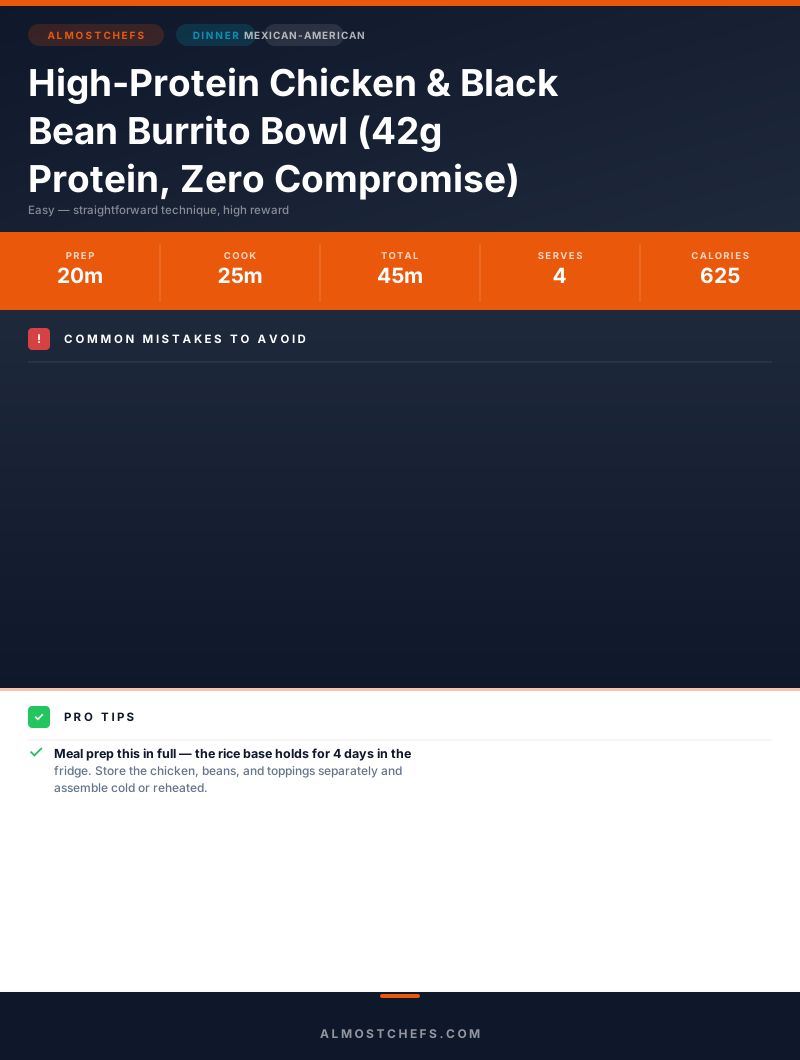
We turned everything on this page into a beautiful, flour-proof PDF cheat sheet. Print it out, stick it to your fridge, and never mess up your high-protein chicken & black bean burrito bowl (42g protein, zero compromise) again.
*We'll email you the high-res PDF instantly. No spam, just perfectly cooked meals.
AlmostChefs Editorial Team
We translate the internet's most popular cooking videos into foolproof, beginner-friendly written recipes. We analyze multiple methods, test them in our kitchen, and engineer a single "Master Recipe" that gives you the best possible result with the least possible stress.